What Is a Transparent OLED Display and How Does It Work
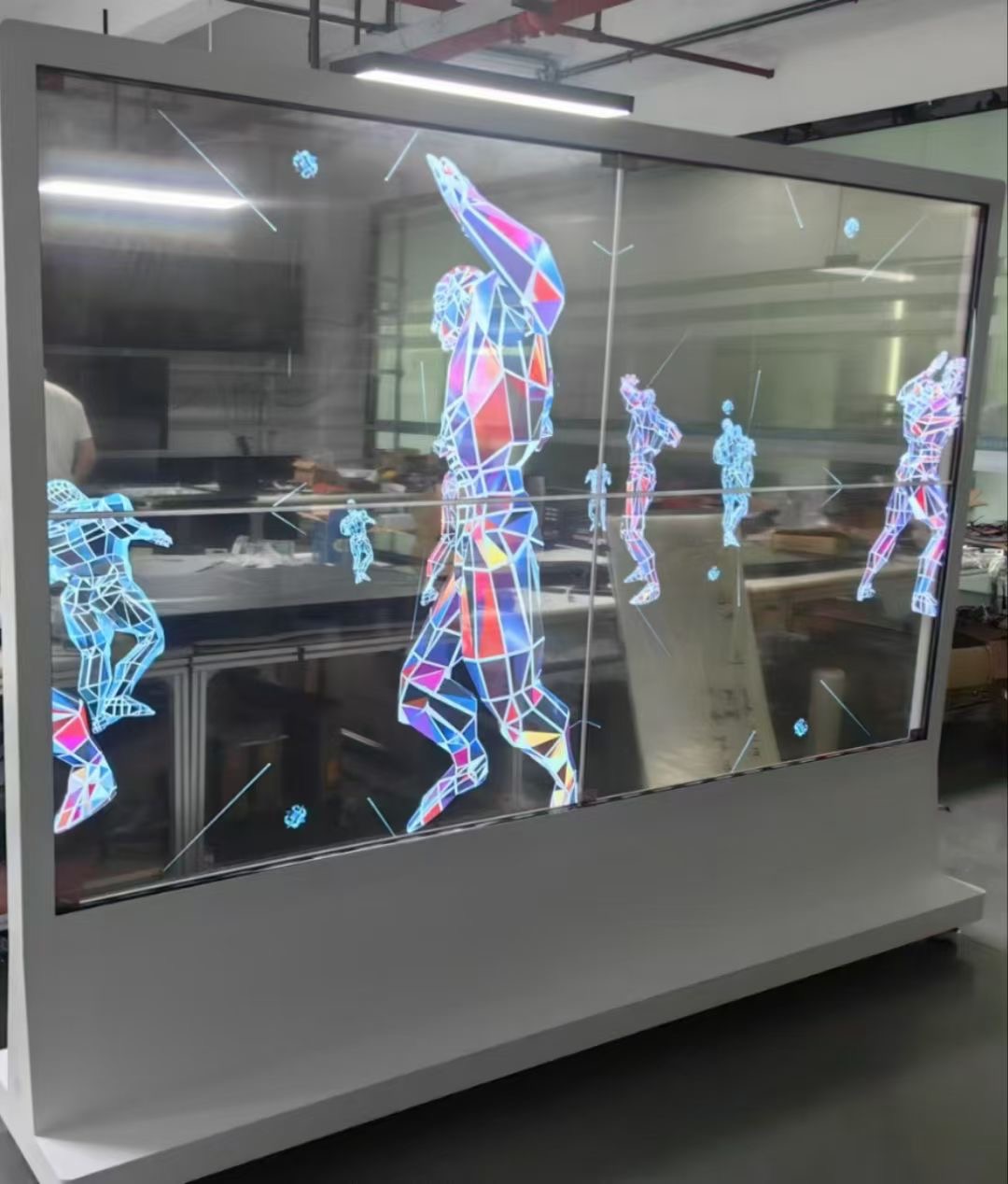
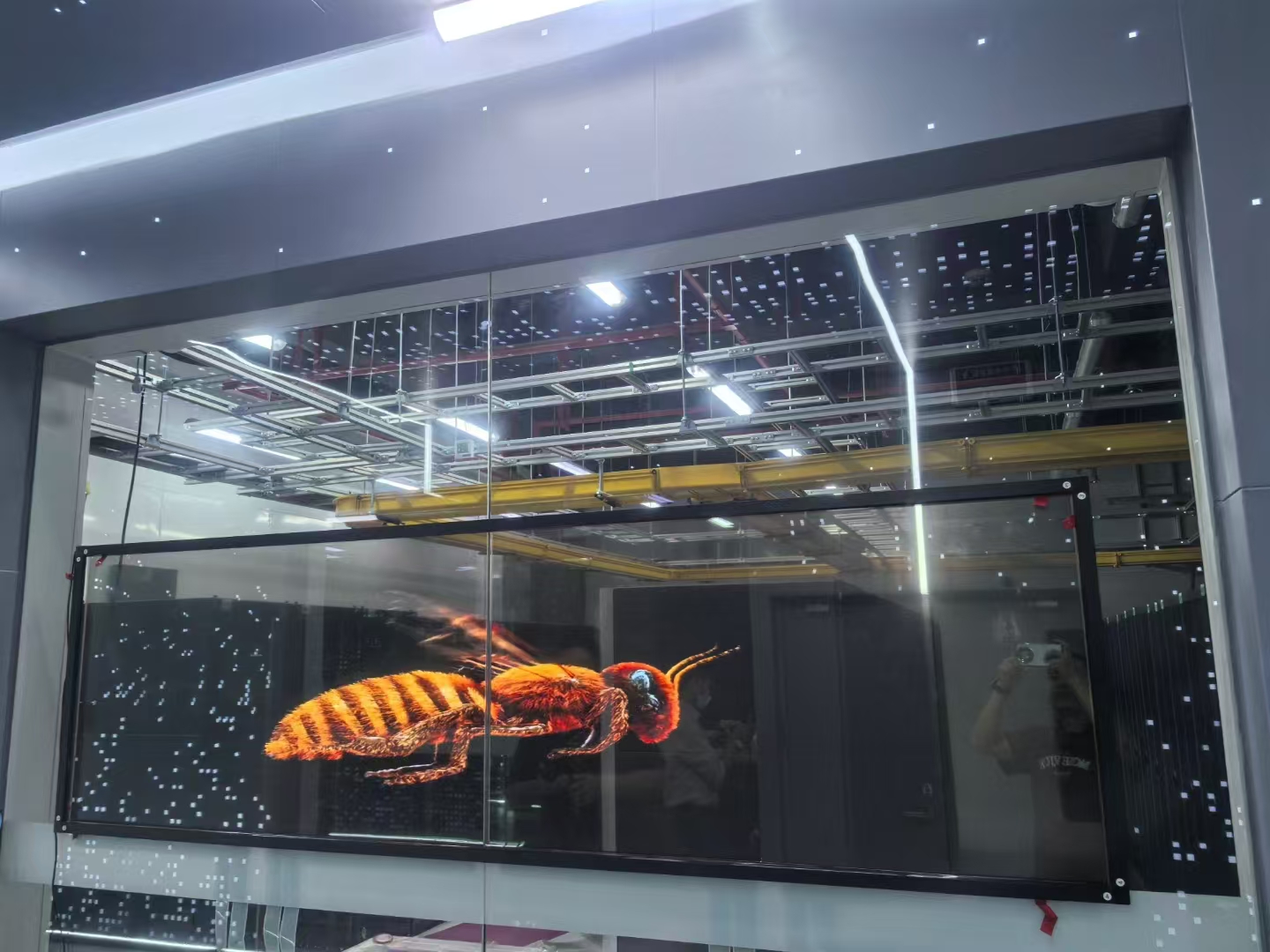
A transparent OLED display allows you to view vivid images while also seeing through the screen at the same time. The glass has no frame, and each pixel lights up independently, making the screen exceptionally clear. Many companies are choosing transparent OLED display technology because it offers a modern way to present content without blocking the view behind it. The global market for transparent OLED displays is expected to grow by 5.3% from 2026 to 2033. If you’re wondering, "how does transparent OLED touch display works?", the answer is that the technology illuminates each pixel individually, enabling both touch functionality and transparency.
Key Takeaways
Transparent OLED displays show images and let you see through them. You can look at what is behind the screen. This makes them great for new technology uses. Each pixel lights up by itself. This saves power and gives real black colors. They do not need a backlight, so pictures look better. Many businesses use these displays. You can find them in stores and cars. They help with ads and driver help systems. Transparent OLED technology lets you touch the screen and still see through it. This is good for smart homes and augmented reality. These displays have special benefits. But they can cost a lot. They also might not last as long as regular screens.
How Transparent OLED Displays Function
Self-Lighting Pixels and No Backlight
A transparent OLED display works because each pixel lights up by itself. This happens through electroluminescence. Here, electricity turns into light inside the screen. Each pixel can turn on or off alone. This gives you great control over bright and dark spots. The images look sharp and have strong contrast.
This display does not need a backlight. If a pixel is off, it does not use any power. This helps the display save more energy than older screens. You can use up to 60% less energy than LCD screens. Devices like smartphones and laptops last longer on one charge because of this.
Tip: Without a backlight, you get true black colors and can see through the screen. This is great for transparent display technology.
Structure and Glass Design
A transparent OLED display uses special materials to stay clear and strong. There are layers like a transparent base, organic light-emitting parts, and see-through electrodes. These layers let light pass through and show bright colors.
Here is a table showing some common materials used in the frameless glass design:
Material | Description |
|---|---|
Metal | Matte or brushed aluminum for a modern look. |
Tempered Glass | Durable and gives a sleek appearance. |
Acrylic | Almost invisible, creates a floating effect. |
To make the screen see-through, the display uses advanced materials for the electrodes. Indium tin oxide is very clear but can break easily. Metal nanoparticles, carbon nanotubes, graphene, and conductive polymers are strong and flexible. A transparent cathode, sometimes made with silver and special coatings, lets you see the display from both sides. This keeps the screen clear and easy to see through.
Many transparent OLED displays also have touch features. Most use capacitive touch technology. When you touch the screen, your finger changes the electric field there. The display senses this and knows where you touched. The touch sensors are on or just under the glass. You can use the screen without blocking your view. This is perfect for smart windows or augmented reality panels.
Transparent Micro OLED Display Features
A transparent micro OLED display goes even further. These displays use single-crystal silicon CMOS backplanes instead of glass. This lets them have very high pixel density—over 4,000 pixels per inch. You get full HD resolution, brightness up to 5,000 cd/m², and a contrast ratio above 100,000:1. These features are great for near-eye uses, like augmented reality glasses.
Here is a table comparing standard transparent OLED displays and transparent micro OLED displays:
Feature | Transparent OLED Displays | Transparent Micro OLED Displays |
|---|---|---|
Pixel Density | Lower pixel density | Ultra-high pixel density (over 4000 PPI) |
Backplane Technology | Glass substrates and AMOLED backplanes | Single-crystal silicon CMOS backplanes |
Size | Larger screens | Small formats |
Applications | TVs, signage | Near-eye displays in AR/VR |
A transparent micro OLED display shows sharper images and brighter colors in a small space. This makes it great for new screen technology, especially in devices that need high performance and see-through screens.
Now you can enjoy clear images, touch features, and transparency in one display. This technology brings new ideas for daily life and advanced uses.
Transparent OLED vs. Other Displays
OLED vs. LCD and LED
There are big differences between transparent OLED, LCD, and LED screens. OLED lets each pixel light up by itself. LCD and LED need a backlight. This makes them thicker and less see-through. OLED displays can show deep blacks and bright colors. They do this by turning off pixels all the way. LCD screens can look faded, especially in dark scenes.
Here is a table that compares transparent OLED and transparent LCD:
Feature | Transparent OLED | Transparent LCD |
|---|---|---|
Transparency | 40–80% | 10–20% |
Color Accuracy | High, vivid colors | Often washed-out colors |
Contrast | High, deep blacks | Lower, flattened blacks |
Thickness | Ultra-thin | Thicker due to backlight |
OLED displays use less power when showing dark images. LCD screens always need the backlight on. This means they use more energy.
Display Type | Power Consumption Characteristics |
|---|---|
Transparent OLED | Uses less energy, especially with dark images. Power goes up with bright images because pixels light up. |
Transparent LCD | Uses more power because the backlight is always on. Even dark images use more energy than OLED. |
Image Quality and Transparency
OLED displays give you better image quality. Colors stay bright even when the screen is dim. OLED screens show HDR with strong colors and contrast. When turned off, transparent OLED displays can look almost invisible. LCD screens look blank and block more light.
High-end transparent OLED displays can be up to 90%-95% see-through. LED mesh screens and other displays are less clear, usually 70% to 85%. You can use transparent OLED for things like smart windows, heads-up displays, and augmented reality.
Unique Advantages and Drawbacks
Transparent OLED displays have special benefits:
You can see images and videos and still see behind the screen.
These displays are good for stores, cars, and homes.
OLED screens show strong contrast and wide viewing angles.
But there are some downsides:
You must balance how bright and clear the screen is.
Transparent OLED displays may not last as long if used a lot.
They cost more, so you pay extra at first.
Note: Transparent OLED technology lets you interact with your world in new ways, but you should think about how long it lasts and the price.
Applications and Benefits of Transparent OLED
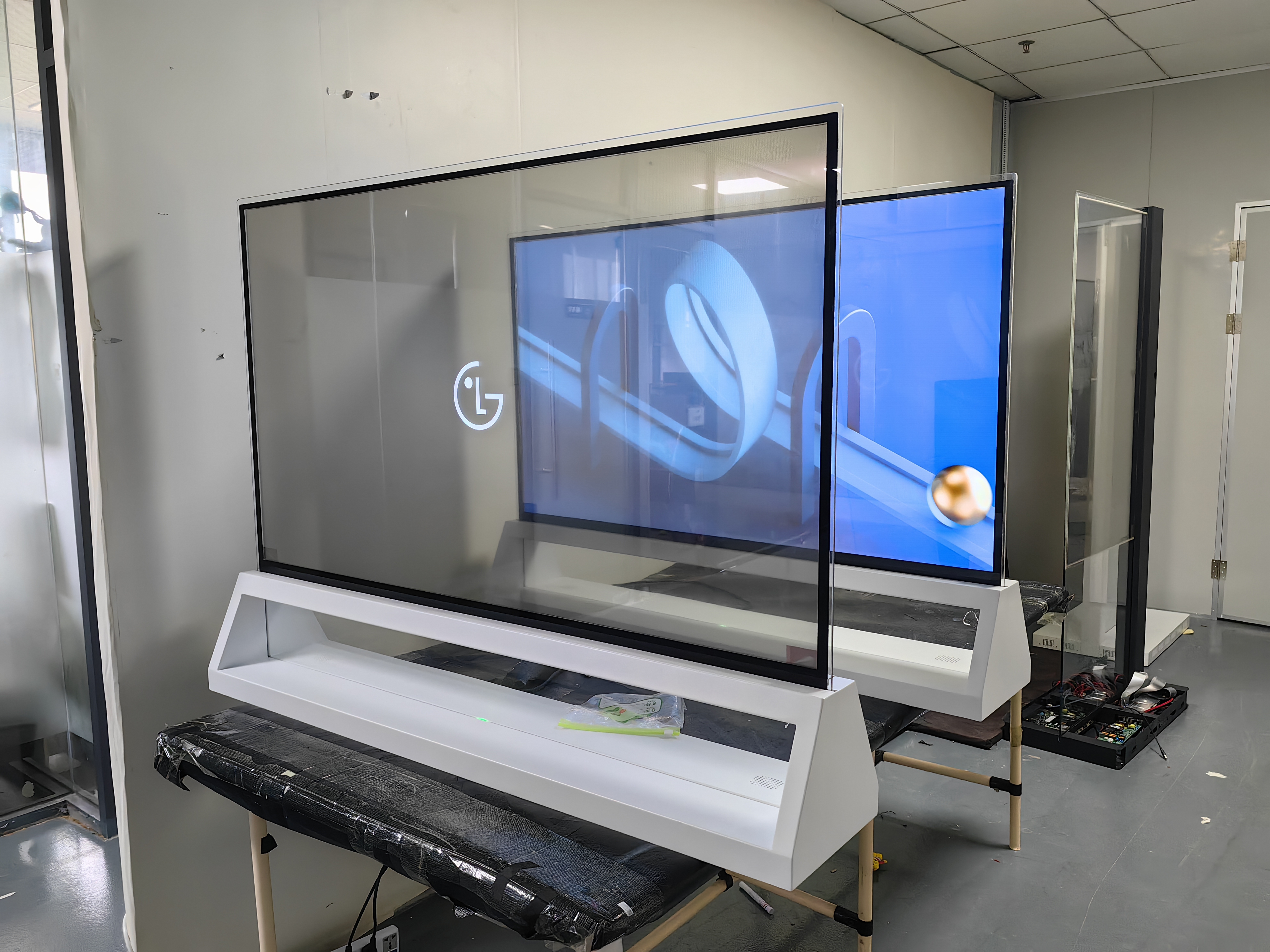
Industry Use Cases
Transparent OLED display technology is used in many fields. Stores use them for ads and cool displays. Car companies put them in driver-assistance systems and heads-up displays. Offices and malls use them for signs and ads. The table below shows where you can find these displays and how each field uses them:
Industry | |
|---|---|
Retail | Storefront advertising, interactive showcases |
Automotive | Advanced driver-assistance systems (ADAS) |
Commercial | Signage and advertising |
Stores use the most transparent OLED displays because ads look amazing. Car uses are growing fast, especially with heads-up displays that show info on the windshield.
Everyday Applications
You can see transparent OLED displays in your daily life. Smart homes now have control panels with see-through touch screens. Fancy stores use them to show off products in a fun way. The table below lists some common uses:
Application Type | Description |
|---|---|
Smart Home Control Panels | Luxury smart homes integrating transparent touch panels. |
Transparent OLEDs used for interactive product displays. |
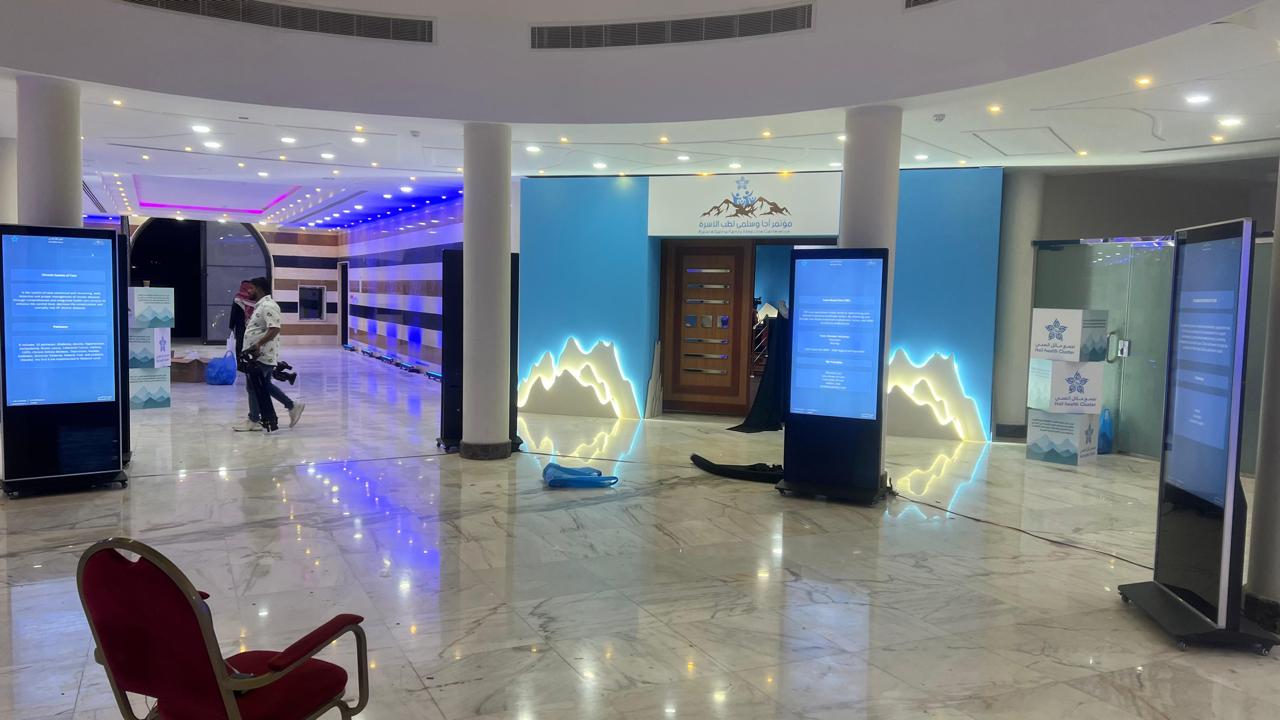
These displays are also in smart glasses. You can see digital images or words without blocking your view of the real world.
Main Benefits
Transparent OLED displays have lots of good points for people and businesses. You can see through the screen when it is off. The design is flexible, so you can make curved or shaped screens. You can put these displays in windows or glass walls to keep rooms open and bright. Touch and gesture controls make using them fun and easy.
Tip: Transparent OLED displays mix bright pictures with see-through screens, so they look cool and work well in new spaces.
Businesses get more attention because the screens stand out. You can save space by not using big, heavy screens. These displays help you show products with digital extras. They also make your brand look modern and ready for the future.
Benefit | Description |
|---|---|
Striking visuals grab attention, increasing customer interaction. | |
Space Efficiency | Replaces bulky displays, achieving a clean, modern layout. |
Enhanced Storytelling | Combines physical objects with digital layers for deeper product presentations. |
Future-Ready Appeal | Signals innovation, helping build a forward-thinking brand image. |
You can use transparent OLED displays in many ways, like in stores or cars. This technology helps you see digital images mixed with the real world.
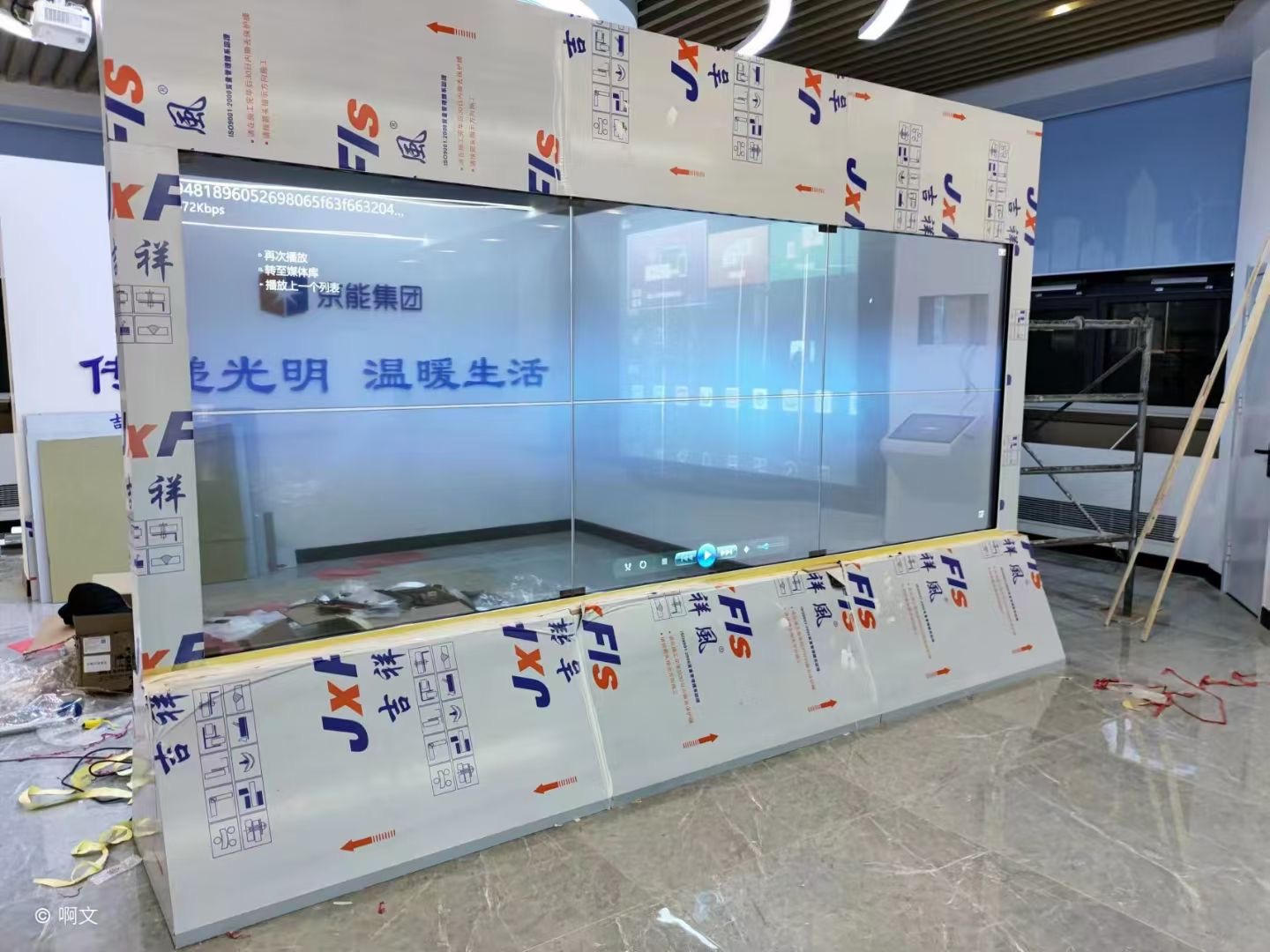
Manufacturing Challenges and Concerns
Specialized Equipment and Processes
Making a transparent OLED display needs special tools. Companies use machines to handle thin layers. These layers are delicate and easy to damage. Here is a table showing some main equipment used:
Company | Equipment Description |
|---|---|
Coherent | Uses lasers for making thin-film transistors, which help control each pixel. |
Daiichi Jitsugyo | Offers inkjet printers for high-precision patterning of OLED materials. |
INFICON | Makes thin film controllers that help deposit layers evenly. |
3D-Micromac | Provides laser tools for cutting and shaping glass panels. |
4JET Technologies | Supplies laser equipment for patterning and cutting thin films for OLED and other displays. |
These machines help make the screen clear and frameless. They also let you use touch features. You can find these features in smart glasses and car displays.
Durability and Environmental Impact
You may wonder how long these displays last. Most OLED screens work for about 100,000 hours. If you use it 8 to 10 hours a day, it lasts over ten years. Taking care of your display helps it last longer.
Manufacturers care about the environment. Many displays use up to 23% recycled materials. They follow rules to avoid harmful substances. Companies try to lower greenhouse gas emissions and reduce waste. Displays often earn eco-product certifications and high energy efficiency ratings. This helps protect the planet while you enjoy modern screens.
Aspect | Details |
|---|---|
Eco-Product Certification | Meets global environmental standards. |
Resource Efficiency | Uses materials wisely and reduces waste. |
Energy Efficiency | Consumes less power during use. |
Use of Recycled Materials | Up to 23% recycled content in components. |
Greenhouse Gas Emissions | Lower emissions during manufacturing. |
Cost and Accessibility
Transparent OLED displays cost more than regular screens. Prices can be thousands or even tens of thousands of dollars. The high price comes from the complex process and special materials. Here is a table comparing prices:
Display Type | Price Range (USD) |
|---|---|
Transparent OLED (30EW5TP-A) | Several thousand to tens of thousands |
Traditional Displays | Lower cost, less transparency and interactivity |
There are other barriers too. High production costs and limited lifespan make these displays less common. Humidity and UV light can affect how well your display works. These things slow down how fast you see transparent OLED technology everywhere.
Note: As technology gets better, prices may drop and displays may last longer. This will help more people and businesses use transparent OLED screens.
Transparent OLED displays show bright images and let you see through. They help save energy and have touch controls. The screens can bend or have different shapes. These displays change how you use tech in cars, stores, and gadgets.
Sector | Impact Description |
|---|---|
Automotive | |
Retail | Moving ads get more people interested. |
Consumer Electronics | High see-through screens make cool new products. |
There are problems like high prices and not lasting as long. New studies bring better materials and bendy screens. AR features are also being added. Experts think the market will grow as these problems get fixed.
Bendy transparent OLEDs give more options.
Research tries to make them cheaper and last longer.
FAQ
How does a transparent OLED touch display work?
When you touch the screen, it feels your finger. It uses capacitive touch technology to sense where you touch. Each pixel lights up on its own. You can see pictures and use the screen. You do not block your view behind the display.
Can you see through a transparent OLED display when it is on?
Yes, you can see the image and what is behind it. The screen stays clear while showing pictures. You can look at both the content and your surroundings at once.
Is a transparent OLED display durable?
The screen is strong because it uses tempered glass and special materials. Most displays last more than ten years if you use them normally. Be careful with the screen so it does not break.
Where can you use transparent OLED displays?
You can find these displays in stores, cars, smart homes, and offices. They are good for ads, heads-up displays, and panels you can touch.
Tip: Transparent OLED displays let you mix digital things with real objects.
Are transparent OLED displays expensive?
Display Type | Price Range |
|---|---|
Transparent OLED | High |
Traditional LCD/LED | Lower |
You pay more for transparent OLED displays. This is because they use advanced technology and special materials.
how does transparent oled touch display works?
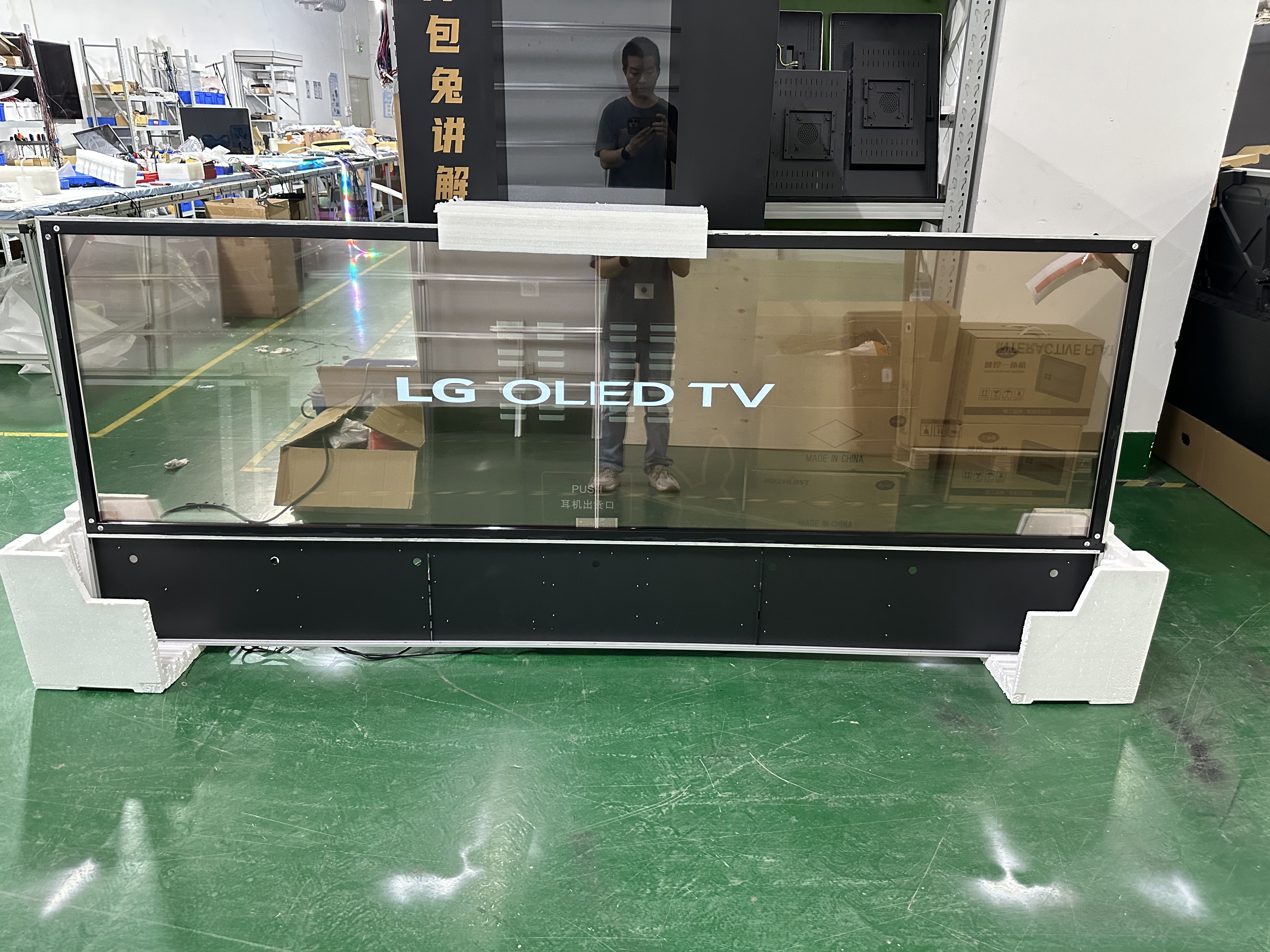
A transparent OLED touch display works by combining two core technologies: a self-emissive display that lets light pass through it, and a sensitive touch layer laminated on top. Together, they create a screen that is both see-through and interactive .
The following diagram illustrates how these components are typically stacked to achieve both transparency and touch functionality:
Here’s a breakdown of each critical part of this structure.
✨ 1. How the Display Achieves Transparency
The key to transparency lies in how the millions of tiny pixels on an OLED screen are designed.
Self-Emitting Pixels: Unlike traditional LCDs that need a bulky, non-transparent backlight, each pixel in an OLED produces its own light . This allows the entire display stack to be much thinner and, more importantly, leaves room for light to pass through.
The "Transparent Pixel" Design: To make the panel see-through, manufacturers modify the standard pixel layout. They add a special "transparent sub-pixel" or a "transparent window" next to the red, green, and blue light-emitting sub-pixels .
These transparent areas are made of high-clarity materials and don't emit light. Their only job is to let light from the background pass right through the screen.
By carefully balancing the size of the light-emitting areas (for brightness) and the transparent areas (for clarity), engineers can achieve a high-quality viewing experience. For example, LG's transparent OLED has about 33-40% transparency, while others have achieved up to 45-70% . For perspective, this is significantly clearer than traditional transparent LCDs, which only offer about 10% transparency .
✋ 2. How the Touch Function Works
This technology uses a Projected Capacitive (P-Cap) touch sensor, the same type used in virtually all modern smartphones. This method is favored for its high sensitivity, speed, and durability .
The touch layer is a grid of invisible, transparent electrodes, typically made of a material like Indium Tin Oxide (ITO). This grid creates a stable electrostatic field across the screen . When your finger (which is conductive) touches the glass, it disrupts the local electrostatic field at that precise point. The screen's controller instantly detects the change in capacitance at that location and calculates the exact coordinates of your touch .
🔧 How It's All Put Together
There are a few ways to integrate the touch sensor and the display:
Add-on (External) Touch: This is the most common method, especially for larger screens like digital signage. The P-Cap touch film is laminated onto the top of the completed transparent OLED panel using a super-thin, optically clear adhesive . This approach is reliable and simplifies manufacturing.
On-Cell Touch: This is a more integrated approach where the touch-sensing electrodes are built directly onto the encapsulation layer of the OLED screen itself. This method allows for an even thinner overall design and is used by some manufacturers like BOE in their products .
👍 Benefits & 👎 Limitations of This Technology
While incredibly cool, it's helpful to understand its current strengths and weaknesses.
Advantages (Pros) :white_check_mark:
Enhanced User Experience: It creates an "augmented reality" effect by allowing you to interact directly with digital information overlaid on the real world .
Thin and Light: Without a backlight, the entire unit can be as thin as a pane of glass .
Design Flexibility: It's perfect for creating futuristic-looking products, from interactive retail displays and smart windows on trains to museum exhibits and car showroom configurators .
Current Limitations (Cons) :warning:
Lower Pixel Density (PPI): Because a portion of each pixel is dedicated to transparency, there's less space for light-emitting sub-pixels. This can result in a less sharp image than a standard OLED, especially when viewed up close .
Impact of Background Lighting: The viewing experience is heavily dependent on what's behind the screen. A very bright or cluttered background can make the on-screen image harder to see clearly .
Higher Cost: The complex manufacturing process and specialized materials make these displays significantly more expensive to produce than standard ones .
I hope this gives you a clear picture of how this technology works! Are you more interested in its practical applications in retail and signage, or its potential for use in things like car windshields and smart home appliances?
See Also
Understanding OLED Displays: Functionality and Technology Explained
Exploring OLED Displays: Their Operation and Features
The Distinctive Features of Transparent OLED Technology Explained
An Overview of Transparent OLED Technology and Applications
A Beginner's Guide to Using Transparent OLED Displays in Projects
