What Makes Transparent OLED Technology Unique and How It Works
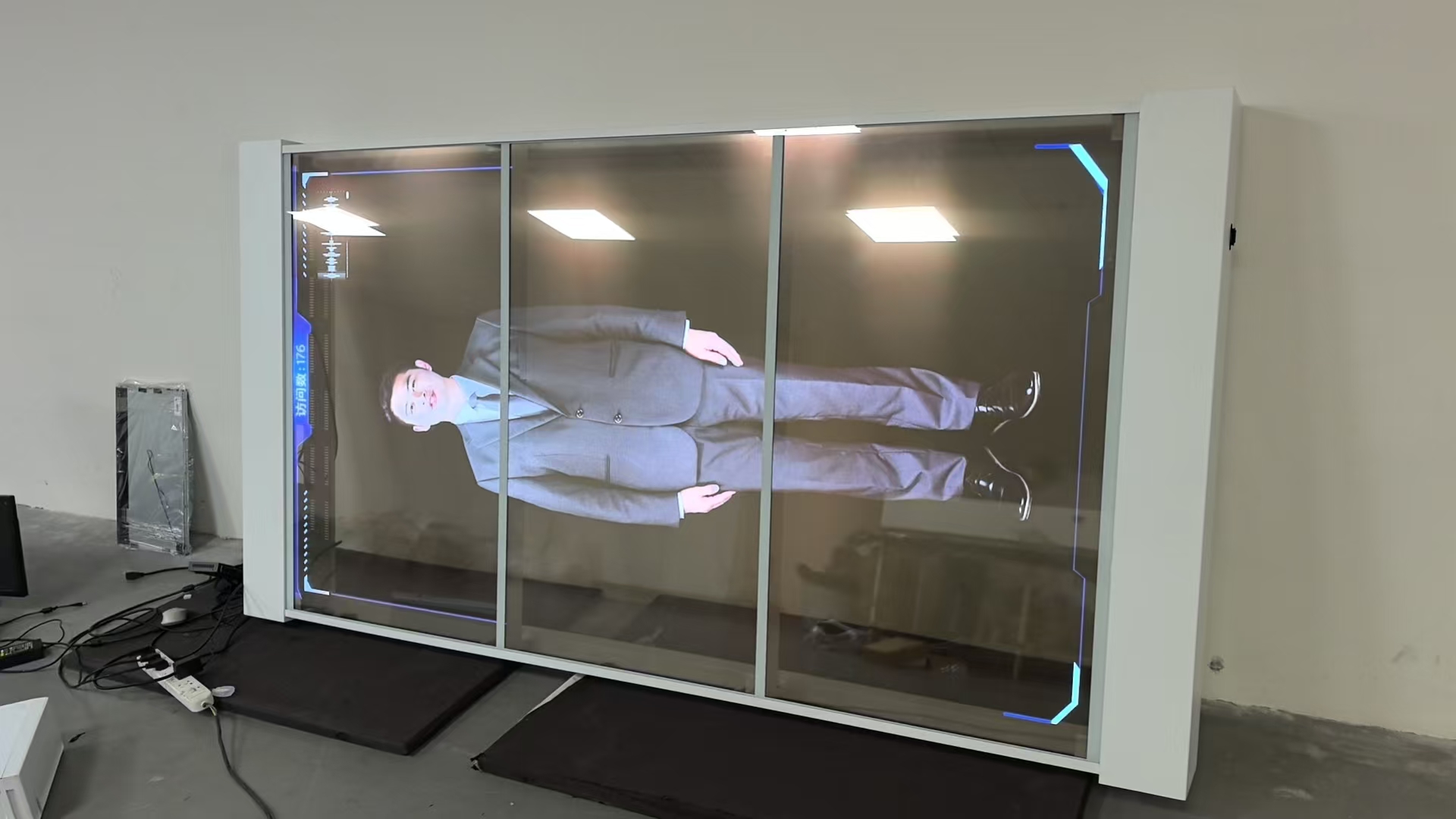
Transparent oled technology lets you see digital pictures on glass. You can still see what is behind the screen. When you look at a TOPADKIOSK OLED DISPLAY, it mixes with its space. It keeps your view open. Most displays use backlights and block your view. Transparent oled panels make their own light from organic pixels. This helps them stay bright and clear.
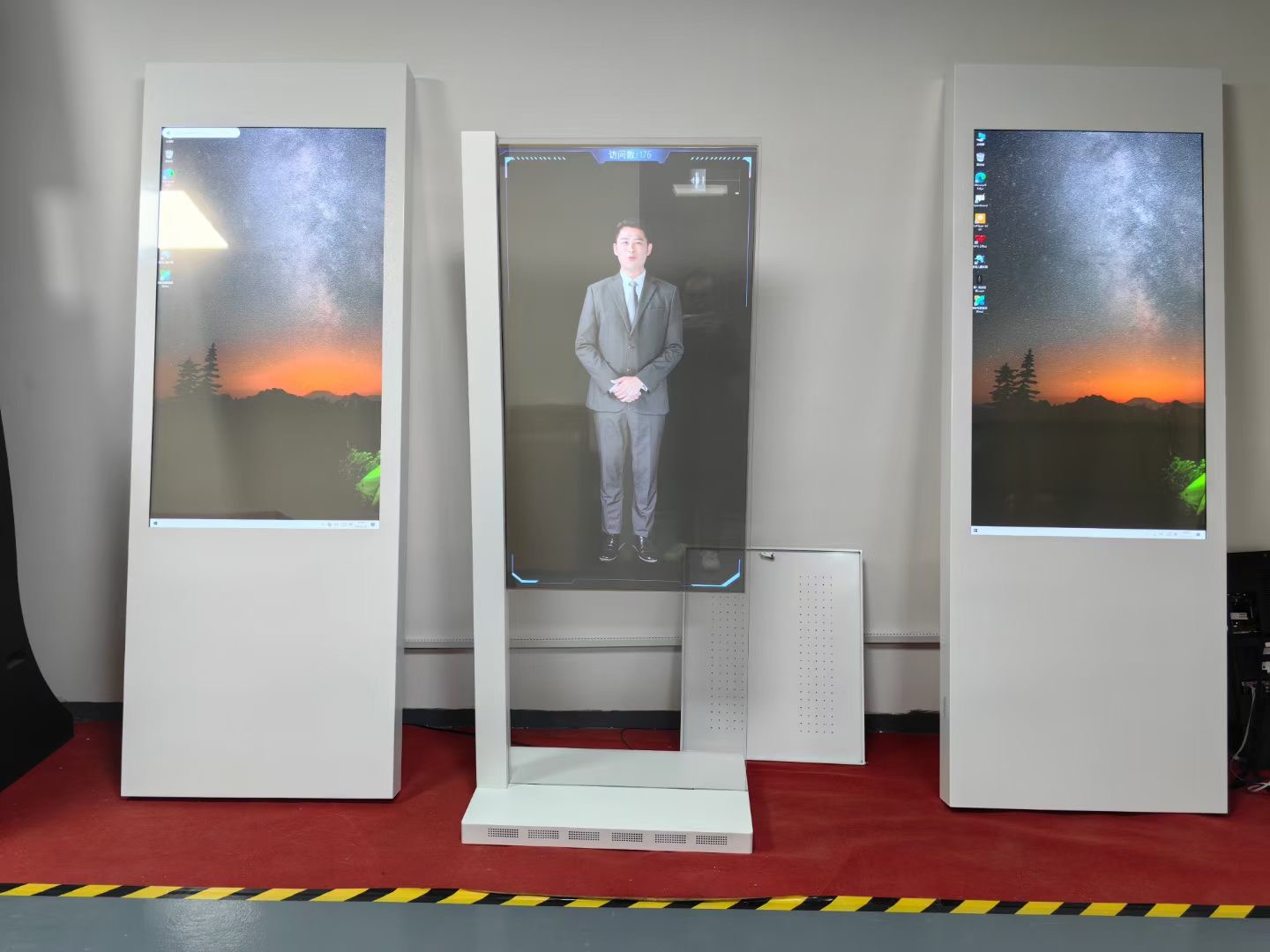
Take a look at how display types compare:
Display Technology | Market Share Percentage |
|---|---|
LCD | 50% |
OLED | 30% |
E-Paper | 20% |
You can see that transparent oled is still new in stores. It is special because it shows digital things in your real world. It does not block what is around you.
Key Takeaways
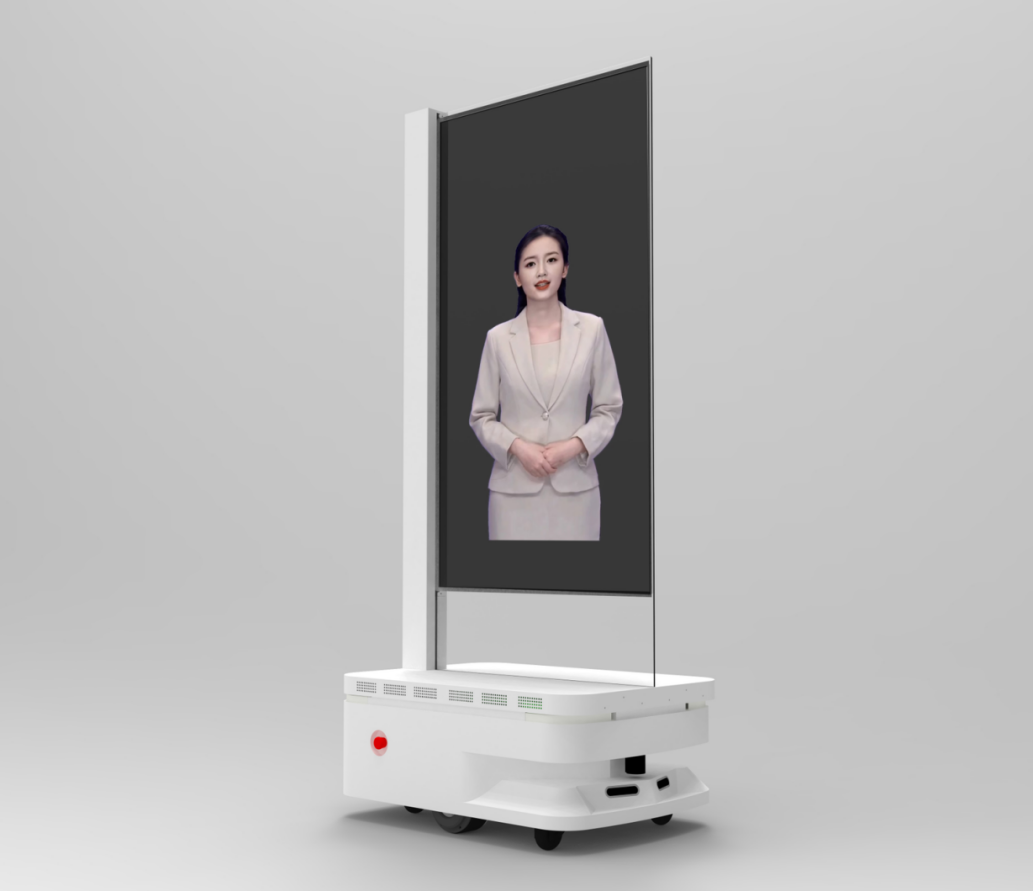
Transparent OLED technology lets you see digital images and also see what is behind the screen. This special feature makes things look better without hiding your surroundings.
Each pixel in a transparent OLED display makes its own light. This gives bright colors and strong contrast. This self-lighting helps the image look better than regular displays.
Transparent OLEDs can bend and fit many places, like homes, stores, and museums. They are useful for new ideas like smart cars and interactive displays.
Transparent OLEDs have many good points, but they can cost a lot and might have problems like burn-in. Knowing these limits helps you choose how to use them.
The future for transparent OLED technology looks good. It may grow in areas like cars and smart spaces. As technology gets better, these displays may cost less and be used more.
Transparent OLED Features
See-Through Display
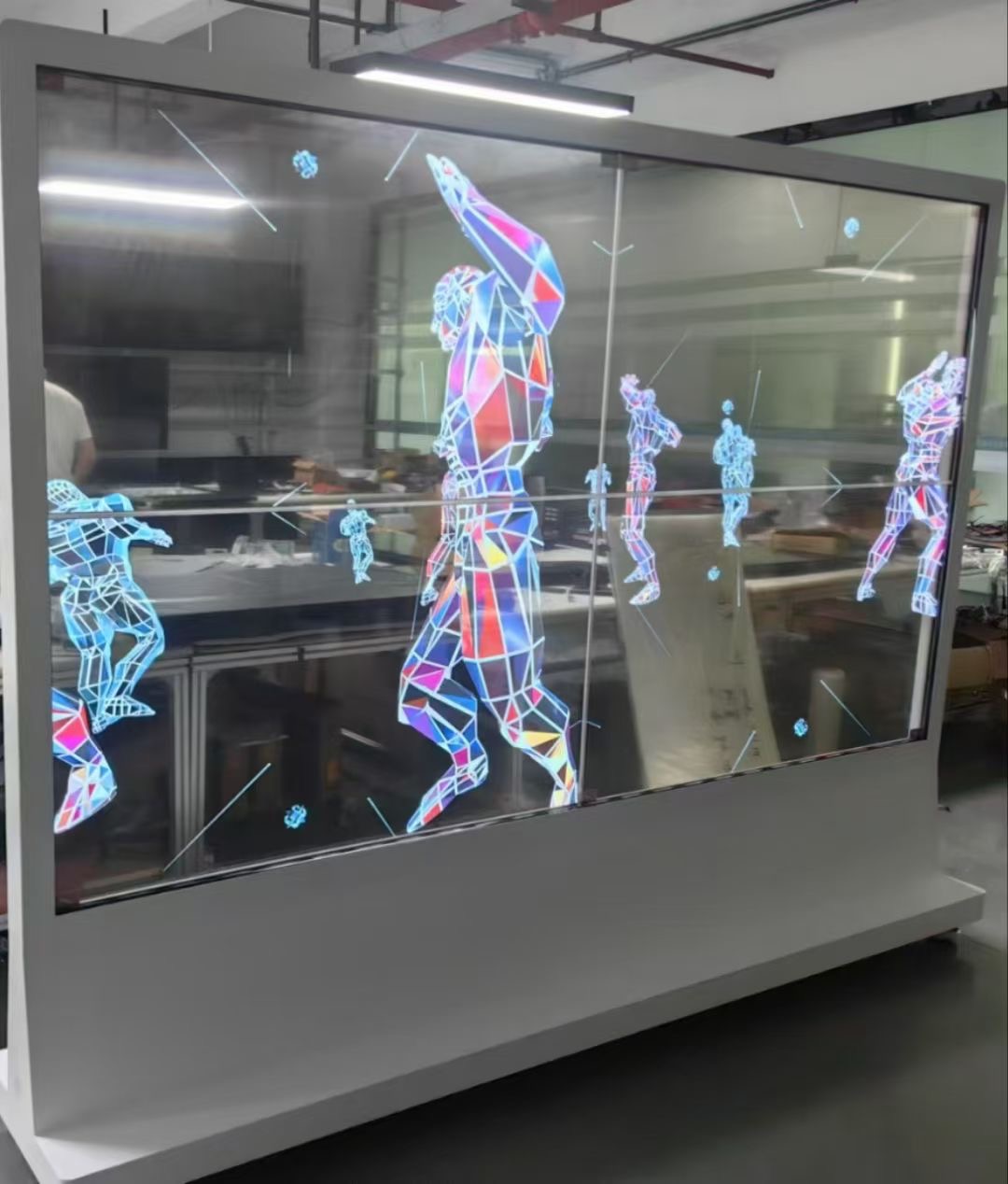
Transparent displays are special. You can see digital images and the real world together. The transparent OLED display works in a unique way. It does not need a backlight like older screens. Each pixel makes its own light. This lets you look through the screen. You still see bright and colorful images.
Tip: Transparent OLEDs have a thin optically transparent cathode. It is only about 15 nanometers thick. More than 86% of light can pass through at some wavelengths. This helps you see what is behind the screen. You also see digital pictures clearly.
Here is a table with important technical features for transparent displays:
Specification | Description |
|---|---|
Made for transparent displays, it keeps images clear and smooth. | |
Accurate and Vivid Colors | Self-lighting pixels give bright colors and strong contrast, even when the screen is see-through. |
High Transparency | No backlight means you can see things behind the display. |
Manufacturing Process | Careful layering and protection help the display last longer and work better. |
Image Quality and Flexibility
Transparent OLEDs show great image quality. The colors are bright and the contrast is strong. Each pixel lights up by itself. You get sharp images and deep colors. The display stays clear even when it is see-through. Transparent OLEDs are different from regular displays.
Feature | Transparent OLED Displays (T-OLEDs) | Traditional Displays |
|---|---|---|
Color Accuracy | Varies, often lower | |
Brightness | High brightness and strong contrast | Moderate to high, depends on type |
Transparent OLEDs are flexible. They can bend or curve. You can use them in many places. You might see them in shop windows, museums, or cars. OLED technology makes this possible.
Transparent displays use less energy for dark images. Each pixel can turn off by itself. This saves power. LCD screens always need a backlight. Here is a table that compares OLED and LCD displays:
Feature | OLED Displays | Traditional LCD Displays |
|---|---|---|
Light Emission | Each pixel makes its own light | Needs a backlight |
Power Use (Dark Images) | Lower, pixels turn off | Higher, always on |
Power Use (Bright Images) | Goes up with brightness | Stays about the same |
Brightness Control | Each pixel can change | All pixels change together |
Energy Efficiency | Best when showing dark content | Less efficient overall |
Transparent OLEDs cost more than regular screens. A 55-inch transparent OLED can cost $20,000 to $25,000. The technology is new and hard to make. Regular LCDs are much cheaper. Factories have made them for a long time.
Transparent OLED panels can have problems. Sometimes they get burn-in if the same image stays too long. This can make the display less reliable over time. It can happen at home or in businesses.
How Transparent OLEDs Work
Structure and Layers
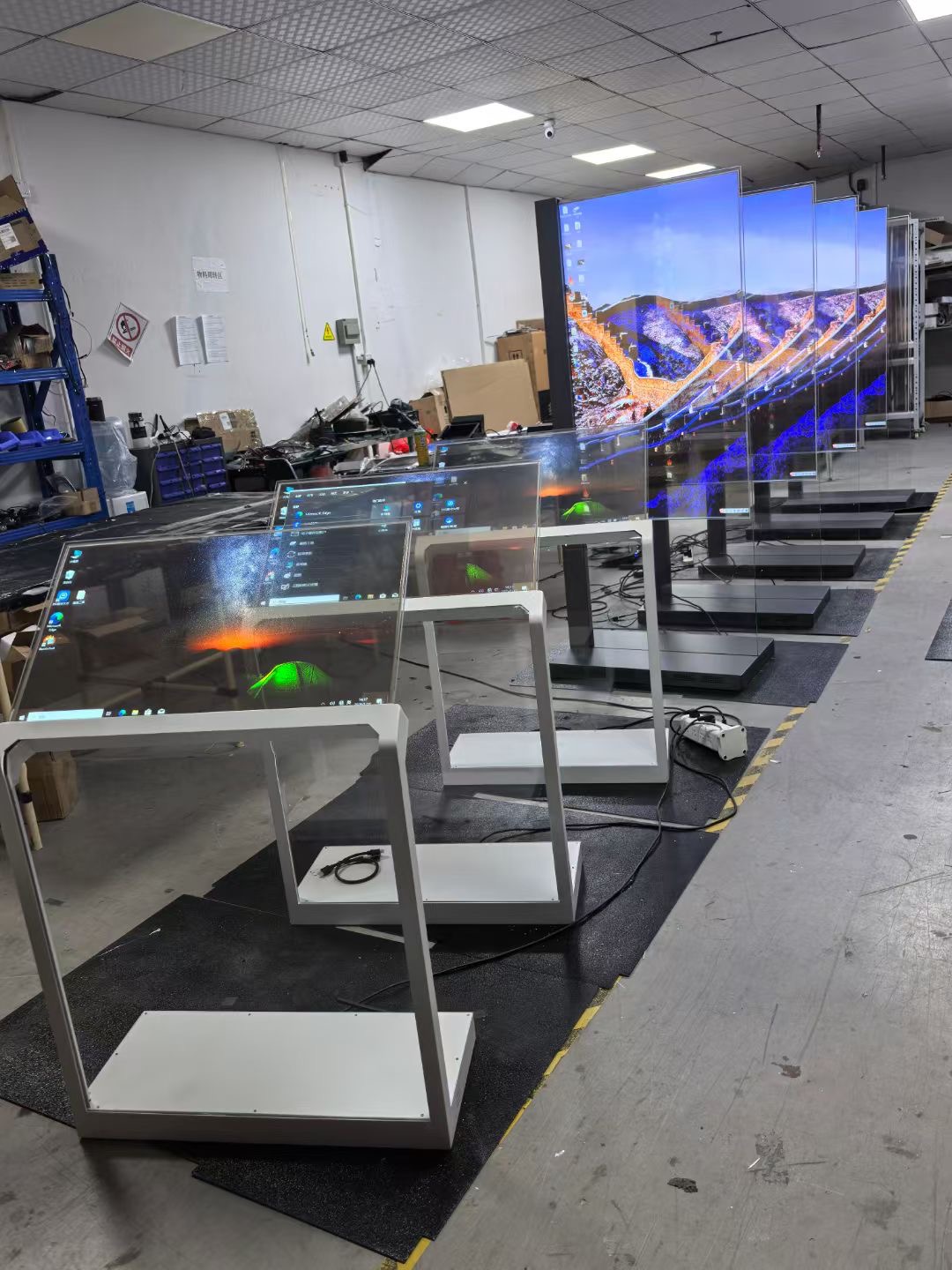
You might wonder why a transparent OLED display is different. The answer is in how it is built. Each display has many thin layers stacked together. These layers have transparent electrodes, organic materials, and glass to protect them. The special materials help the screen stay clear and bright.
Here is a table that shows what each material does:
Material Type | Key Characteristics | Impact on Display Performance |
|---|---|---|
FTO Substrates | Very clear and conducts electricity well | Helps charge move and keeps screens clear |
ITO Glass | Lets light through and carries electricity | Makes OLED layers work and keeps images bright |
OLED Glass | Lets lots of light through, handles heat, very thin | Keeps colors bright and contrast strong |
All these materials work together in the display. They let light pass through and show digital images. The thin, clear electrodes and glass let you see through the screen.
Light Emission Process
The science behind OLEDs is interesting. When you turn on a transparent OLED, electricity goes into the organic layers. These layers have carbon-based compounds. The electric current makes tiny charge carriers move. When they meet, they make excitons. Excitons give off energy as light. This is called radiative recombination.
Light comes from excitons changing energy.
Charge carriers enter the organic layer from electrodes.
The carriers move by hopping from place to place.
When they meet, they make excitons that shine.
Carbon-based materials are important here. Some new designs use carbon nanotubes for electrodes. These help the device work better and last longer. Better materials make the display brighter and more efficient.
Note: OLEDs can show very bright and colorful images. They can even show more colors than the NTSC color space. Your eyes see these colors as extra bright, so the display looks vivid.
Limitations and Solutions
Transparent OLEDs have some problems. One big problem is cost. Materials like indium tin oxide are rare and expensive. This makes transparent displays cost a lot to make. Making these screens is also hard, which adds to the price.
Another problem is how long they last. The organic materials can break down over time, especially with air or water. To fix this, companies use new ways to seal and protect the layers.
Transparent OLEDs cannot show true black. When a pixel turns off, you see through the screen instead of black. In bright rooms, colors can look faded. Some companies add LCD layers to block light and make blacks better.
Here are ways researchers try to make transparent OLEDs better:
Making new materials to lower costs and improve performance.
Using better sealing to help displays last longer.
Creating brightness systems that change with room light to save energy.
Trying quantum dot technology to make screens brighter and more efficient.
Designing hybrid systems that use OLEDs and solar cells for self-powered screens.
Manufacturers have a hard time making these screens cheap for everyone. Special materials and equipment keep prices high. But new research and patents show the technology is getting better. LG and Toshiba have made new transparent OLED products in recent years, showing progress.
Transparent TVs and Applications
Home Entertainment
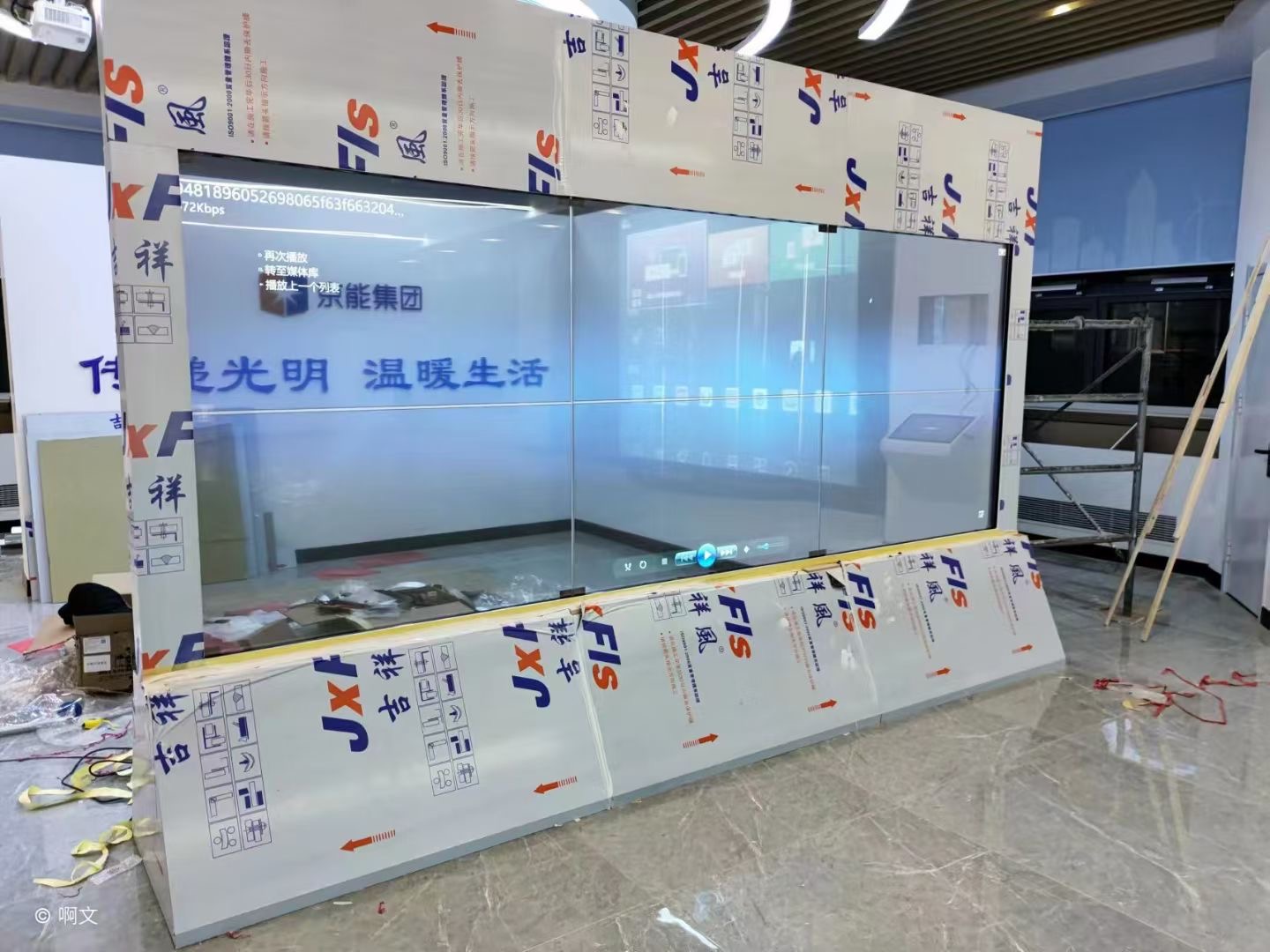
Transparent tvs can make your living room look cool and modern. At CES 2024, LG showed the LG SIGNATURE OLED T. It is the first wireless transparent OLED TV in the world. This tv has a 4K OLED screen. You can watch shows and still see what is behind the screen. You do not need wires for video or sound. You can put this tv anywhere in your house. Samsung also made transparent Micro LED displays. These screens look like glass and show clear pictures. When you turn off the tv, it blends into your room. Your space feels bigger and more open. You can watch movies, play games, or look at art. The screen does not block your view. Transparent tvs make your home look stylish and new.
Commercial Uses
Stores, museums, and airports use transparent tvs a lot. You might see them in shop windows. They show ads but let you see inside the store too. In museums, these screens put digital facts on real objects. This helps you learn as you walk around. Airports use them to show flight times and news. You can still see the terminal behind the screen. Companies put these screens in lobbies to greet visitors and show messages. Here are some places where you find transparent displays:
Application Type | Description |
|---|---|
Brand Flagship Storefronts | Show ads and mix them with the store’s look. Customers can see both. |
Museums & Art Exhibitions | Add digital stories on top of real exhibits. |
Airports & Transportation Hubs | Give updates and keep the area open and bright. |
Tech & Innovation Centers | Show smart city ideas and new technology in a cool way. |
Corporate Reception | Welcome guests and show brand messages on the screen. |
Hospitality & Architecture | Use as walls that show messages but do not close off space. |
Transparent tvs are easy to use and fit many places. You can touch the screen or use hand gestures. The pictures are bright and colorful. You can still see what is behind the screen.
Automotive and Smart Spaces
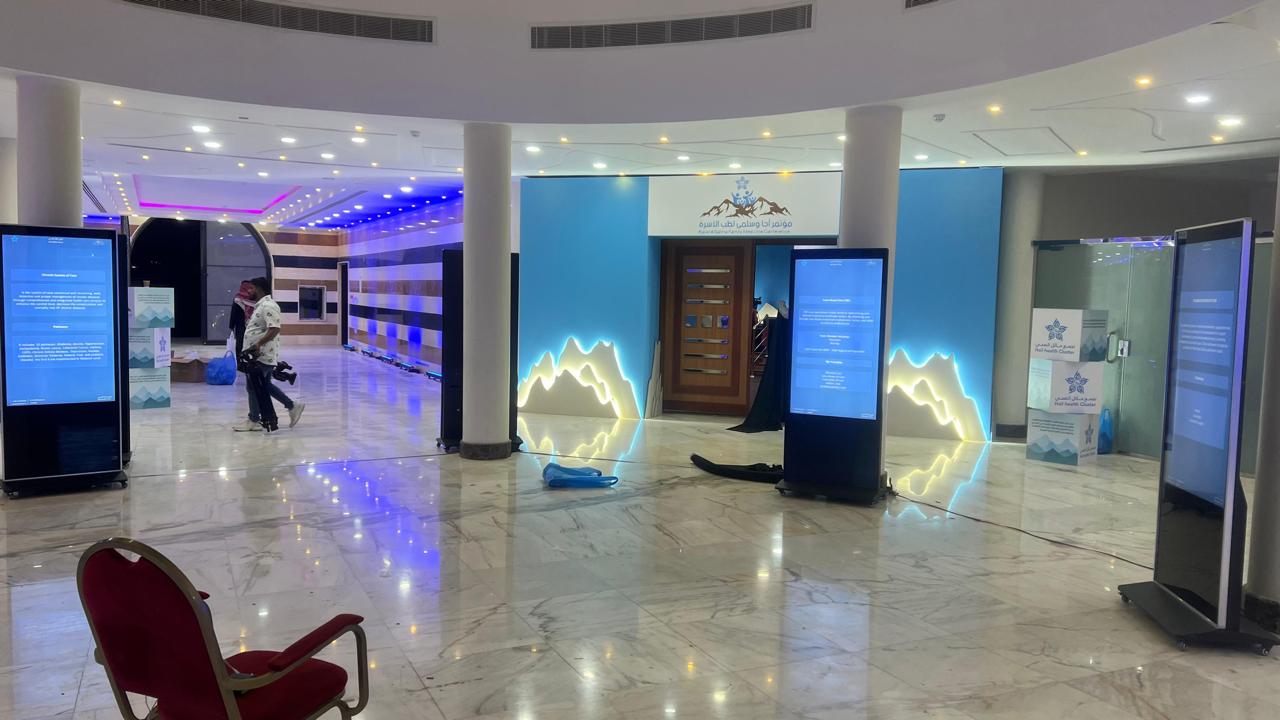
Soon, cars and smart homes will use transparent tvs. Car makers put these screens in windshields. They show maps and safety alerts right on the glass. This helps drivers keep their eyes on the road. When the screen is off, it looks like normal glass. It matches the car’s style. In smart homes and offices, these screens can be walls or windows. They show weather, news, or art but keep the room open. Experts think the market for these screens will grow fast. By 2030, it could be worth $12.76 billion. As technology gets better and cheaper, you will see more transparent tvs everywhere.
Transparent OLED technology lets you use screens in many ways. These displays can bend, curve, or even go around things. In the future, you might see these screens in cars, stores, and smart buildings.
Some people think OLEDs last a long time or cost less. But they can get dimmer and cost more than normal screens.
How It Changes Your Life | |
|---|---|
Interactive self-lighting | Lets you use digital things in real places |
Dual functionality | Makes windows work as screens too |
Seamless integration | Puts technology into your daily life easily |
You can picture a world where digital and real life mix. This makes your day-to-day life smarter and more fun.
FAQ
What makes transparent OLED different from regular OLED?
You can see through a transparent OLED screen. Regular OLED screens block your view. Transparent OLEDs use special layers that let light pass through. You get digital images and a clear view of what is behind the display.
Can you use transparent OLED screens outdoors?
You can use transparent OLED screens outdoors, but bright sunlight can make images hard to see. These screens work best indoors or in shaded areas. Some companies add extra layers to help with outdoor use.
How long does a transparent OLED display last?
Most transparent OLED displays last about 30,000 to 50,000 hours. You can use them for many years if you avoid leaving the same image on the screen for too long. This helps prevent burn-in.
Are transparent OLED screens safe for your eyes?
Transparent OLED screens use soft, natural light. You see less glare and fewer harsh reflections. Many people find these screens comfortable to look at for long periods.
See Also
Comparing LED, LCD, OLED, And QLED Display Technologies
Key Distinctions Between OLED And LCD Displays Explained
Exploring The Main Differences In LED And LCD Walls
