Transparent oled
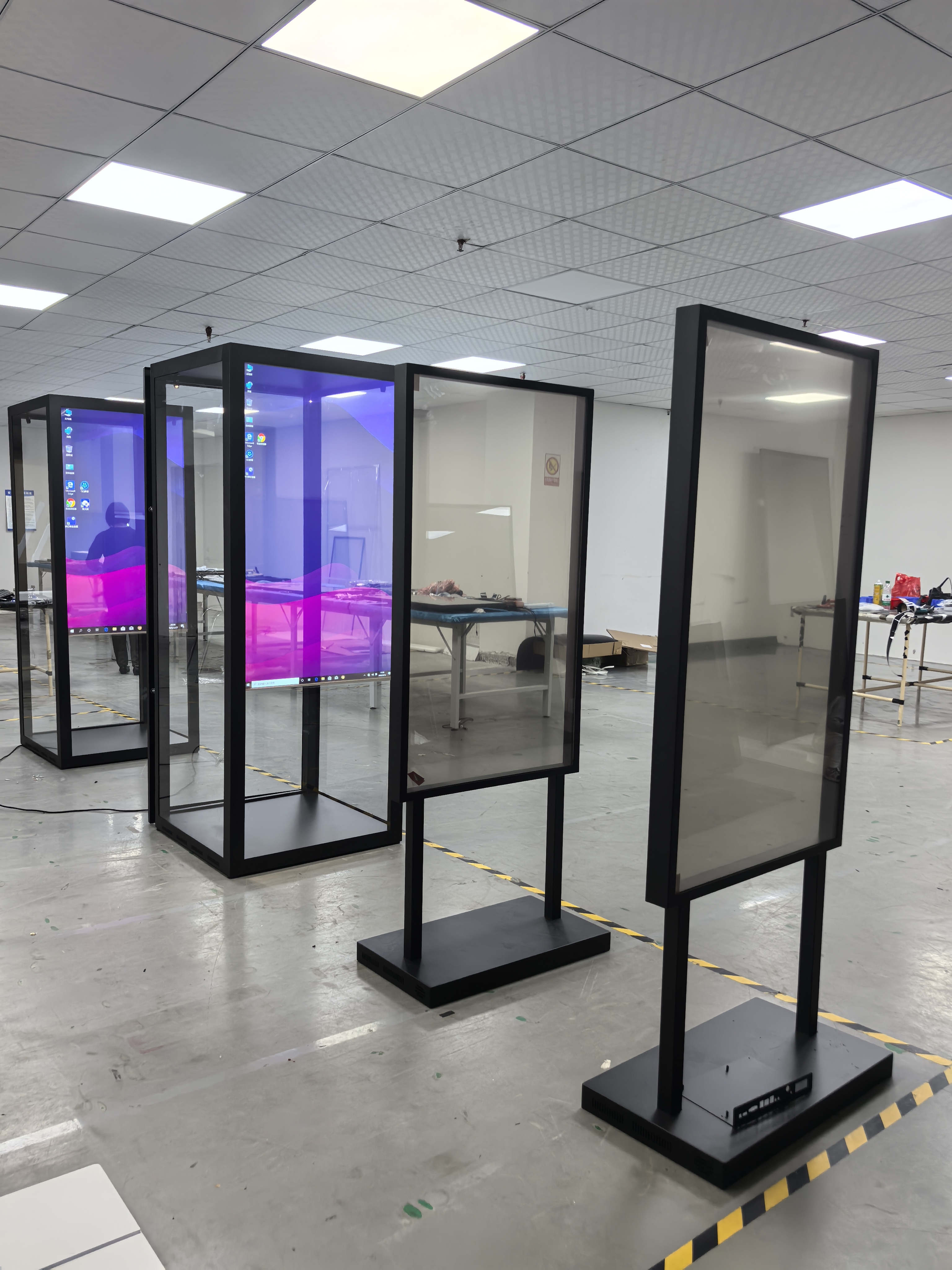
You can think of a transparent oled as a special kind of screen that lets you see images and objects behind it at the same time. Unlike regular displays, this technology uses thin, flexible materials to shine its own light and does not need bulky backlights.
Feature | Transparent OLED | Traditional OLED |
|---|---|---|
Transparency | Can emit light while being see-through | Not designed to be see-through |
Backlight Requirement | Self-emissive, no backlight needed | Requires backlighting |
Material | Made from organic materials | Typically uses different materials |
Today, you see transparent oled displays in more stores, museums, and creative spaces. Businesses choose these screens because large panel sizes and Ultra HD resolution now drive over 40% of the market’s revenue.
Key Takeaways
Transparent OLED displays allow you to see both digital images and objects behind the screen, creating a unique viewing experience.
These screens are lightweight, flexible, and energy-efficient, making them ideal for various applications in retail, automotive, and smart homes.
Leading brands like LG are innovating with products such as the Transparent 4K Smart TV, showcasing the technology's potential in everyday life.
The transparent OLED market is rapidly growing, with projections reaching $12 billion by 2033, driven by increasing demand for interactive displays.
As technology advances, expect improvements in performance, durability, and affordability, making transparent OLEDs more accessible for homes and businesses.
Transparent OLED Technology
How It Works
You can understand transparent oled technology by looking at how it creates images and lets you see through the screen at the same time. OLED stands for "organic light-emitting diode." These displays use organic compounds that light up when electricity flows through them. This process does not need a backlight, so the screen can stay thin and flexible.
Transparent oled screens use special layers to achieve their see-through effect:
The base plate is transparent, which means light can pass through it.
The screen has a transparent conductive layer. This layer lets electricity flow but does not block your view.
The organic light-emitting layer produces light to show images.
The substrate layer supports and protects the screen while staying clear.
Manufacturers use materials like indium tin oxide (ITO) for the electrodes. ITO is strong, stable, and highly transparent. Some screens also use metal nanoparticles, carbon nanotubes, graphene, or conductive polymers. These materials help the screen stay flexible and clear.
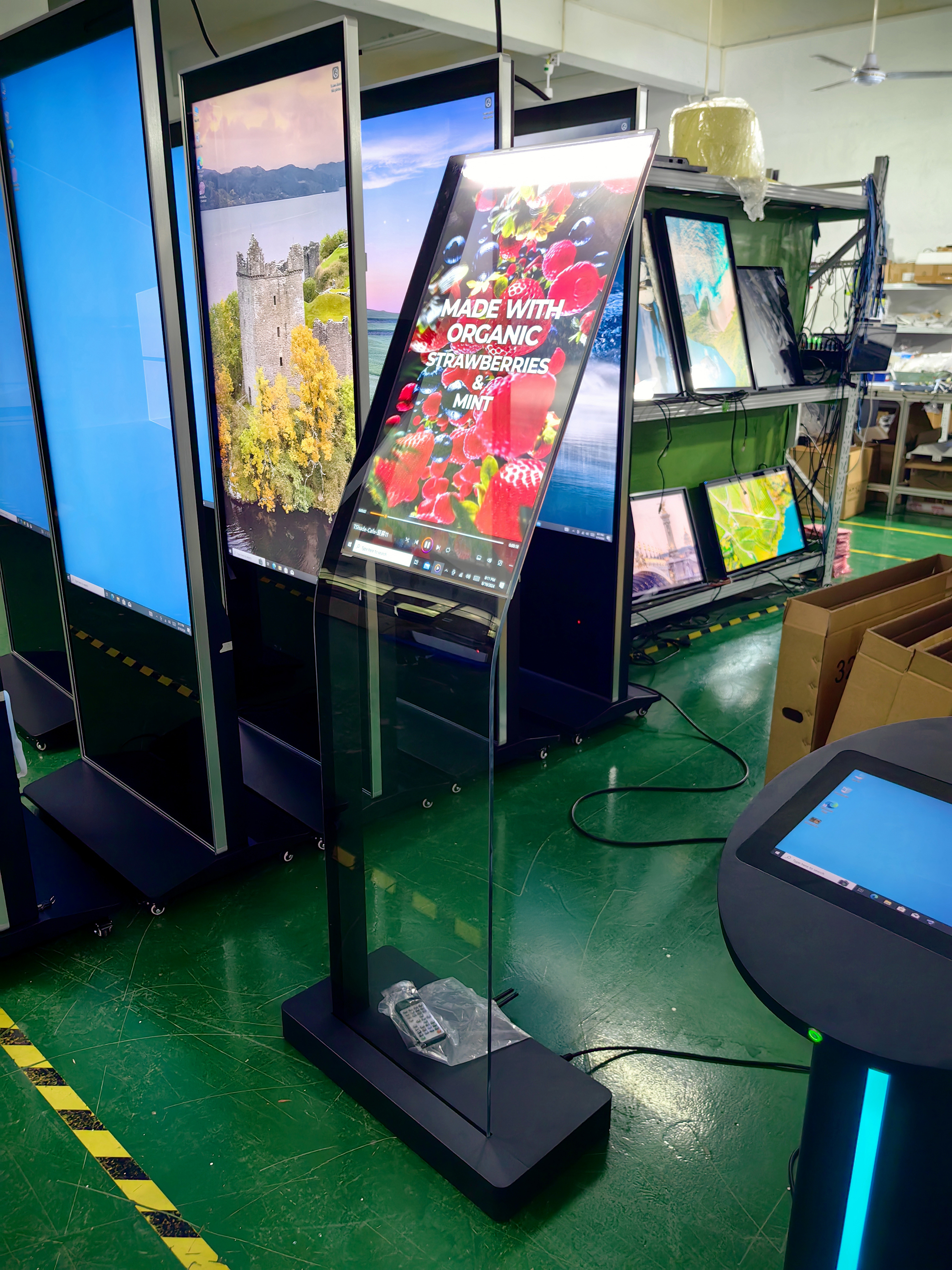
When you look at a transparent oled display, you see both the images on the screen and the objects behind it. Each pixel lights up on its own, so when the screen is off or showing dark colors, it becomes even more transparent.
Here is a simple breakdown of the structure:
Transparent substrate lets light pass through.
Transparent electrodes conduct electricity without blocking light.
Organic emission layer creates images when powered.
Transparency levels can vary. Most transparent oled screens offer between 35% and 50% transparency. Some brands, like BOE, reach up to 42%. Continental screens provide about 35% to 38% transparency. When the screen is not lit, transparency can go as high as 70%.
LG is a leading manufacturer in this field. You can find LG transparent oled panels in sizes from 30 inches to 77 inches. These screens appear in commercial signage, retail displays, and creative installations.
Material | Contribution to Transparency |
|---|---|
Indium Tin Oxide (ITO) | High conductivity, excellent hardness, chemical stability, and high transparency. |
Metal Nanoparticles | Flexible and can enhance transparency. |
Carbon Nanotube (CNT) | High chemical stability, cost-effective, and flexible. |
Graphene | High levels of flexibility and transparency. |
Conductive Polymers | Alternative to ITO, offering flexibility and transparency. |
Key Features
Transparent oled displays offer many features that make them popular in commercial and creative spaces. You can see these benefits in stores, museums, and even cars.
Feature | Description |
|---|---|
High Transparency | Lets you see the background clearly, with up to 40-60% transparency. |
Flexible Design | Can bend or curve for unique shapes and uses. |
Compact Form Factor | Ultra-thin design (less than 5mm) fits into tight spaces. |
Lightweight Construction | Easy to install in mobile or large-scale settings. |
Energy Efficiency | Uses less power because each pixel controls its own brightness. |
Superior Brightness | Stays visible even in bright environments. |
High Resolution | Offers Full HD to 4K images for sharp, vibrant visuals. |
Wide Viewing Angles | Shows accurate colors from different directions, great for public displays. |
Long Lifespan | Built to last longer, making it reliable for businesses. |
Resilience to Damage | Handles mechanical stress better than traditional screens. |
Seamless Integration | Fits into glass surfaces without blocking your view. |
Interactivity | Can include touch or gesture controls for interactive experiences. |
Customization | Available in many sizes and shapes for different needs. |
You will find transparent oled screens in retail displays, automotive dashboards, building facades, and museum exhibits. These features allow you to create interactive and eye-catching installations.
Tip: If you want a display that blends into its environment and still shows bright, clear images, transparent oled technology gives you many options.
Applications

Retail and Advertising
You see transparent oled screens changing the way stores and brands connect with customers. These displays let you view products directly while digital content appears on the same glass. For example, LG Transparent OLED Video Walls create eye-catching window displays that show promotions without blocking the view of products. PYRAMID Transparent OLED Kiosks allow you to interact with touchscreens and explore product details right in the store. Many retailers use these screens for interactive kiosks, product showcases, and window displays. This seamless blend of physical and digital content makes shopping more engaging and memorable.
Application Type | Description |
|---|---|
Window Displays | Show products and promotions at the same time, drawing more attention from passersby. |
Interactive Kiosks | Let you interact with products and access digital information together. |
Product Showcases | Combine real items with digital overlays for a unique shopping experience. |
Tip: Transparent oled technology helps you create captivating and interactive shopping experiences that stand out.
Automotive and Transportation
You find transparent oled displays in modern cars and public transport. Car makers use these screens for head-up displays (HUDs) that show speed, navigation, and alerts right on the windshield. This keeps your eyes on the road and improves safety. Smart dashboards use transparent oled panels to display information without blocking your view. In Korea, the Great Train eXpress (GTX) subway uses 55-inch transparent oled screens in train windows. These screens show travel updates and entertainment, making your ride more comfortable and smart.
Application | Description |
|---|---|
Head-up Displays (HUDs) | Show real-time data in your line of sight for safer driving. |
Smart Dashboards | Display car info and controls without blocking your view. |
Passenger Information Displays | Share updates and ads in trains, buses, and airports. |
Smart Home and Interiors
You can use transparent oled panels to make your home smarter and more stylish. These screens blend into glass walls, mirrors, or furniture. When turned off, they look like regular glass. When on, they show news, weather, or family photos. Designers use transparent oleds in living rooms, kitchens, and offices to add interactive features without cluttering the space.
Application | Description |
|---|---|
Smart Homes | Built into windows, mirrors, or furniture for dynamic and interactive displays. |
Interior Design | Add digital art or information to partitions and glass surfaces. |
Industrial Uses
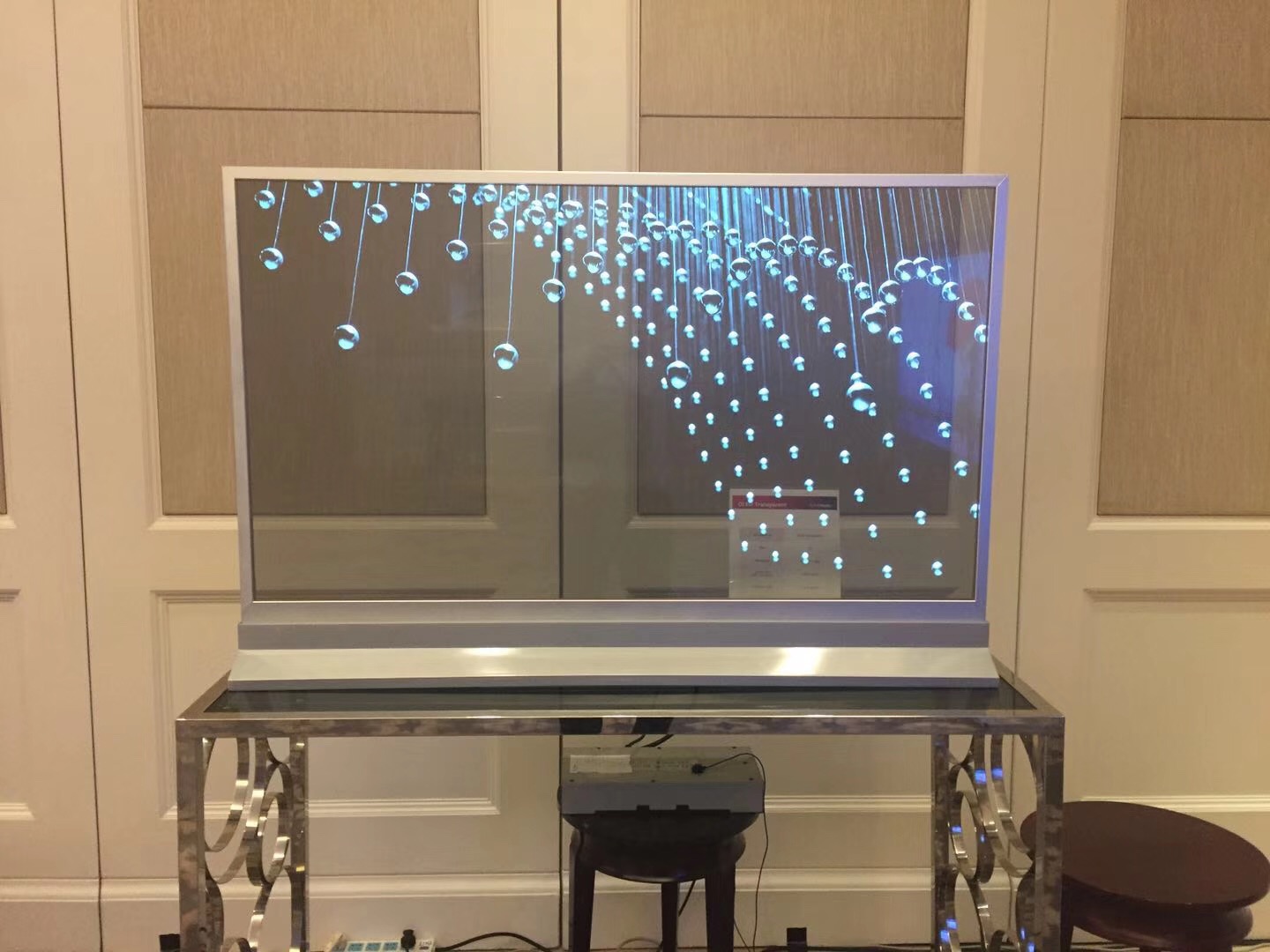
You see transparent oled technology in factories, hospitals, and museums. In healthcare, doctors use these screens to view patient data while talking to patients, keeping communication clear. Museums use transparent oleds to display digital facts next to real artifacts, making visits more interesting. Hotels and restaurants use these panels for check-in kiosks and digital menus that blend with the décor.
Industry | Application Description |
|---|---|
Healthcare | Doctors access data while keeping eye contact with patients. |
Museums | Show digital content alongside real exhibits for interactive learning. |
Hospitality | Use for check-in, concierge, and digital menus that fit modern interiors. |
Market Overview
Leading Brands
You can find several brands leading the way in transparent oled technology. LG stands out with its innovative products. In 2024, LG introduced the world’s first Transparent 4K Smart TV, called the Signature OLED T. This TV features a 77-inch 4K screen that switches between transparent and normal modes. It uses the Alpha 11 AI processor and offers a wireless design. LG also created the Smart InstaView Refrigerator, which lets you see inside without opening the door. CEOLED offers a 30-inch transparent monitor with fast response time and high brightness. These brands push the boundaries of what displays can do.
Brand | Product Description | Size/Features |
|---|---|---|
LG | Signature OLED T TV, transparent wireless TV | 77" 4K, switches between transparent and normal, Alpha 11 AI processor |
LG Electronics | Smart InstaView Refrigerator with transparent OLED display | 36" display, touch interface, view contents, hologram visuals |
CEOLED | Transparent OLED monitor based on LGD's T-OLEDs | 30", 1366x768, 600 nits, 0.1 ms response, multiple interfaces |
Market Trends
You see the transparent oled market growing quickly. In 2023, the market reached $2.3 billion. Experts expect it to hit $12 billion by 2033. The market grows at about 18% each year. Asia-Pacific leads this growth, with over half the market share expected by 2033. You notice more people want these displays because of changing tastes and higher incomes. The demand for AR and VR products also boosts sales. North America and Europe show strong innovation, while new markets in Latin America, the Middle East, and Africa offer fresh opportunities.
Market size in 2023: $2.3 billion
Projected value by 2033: $12 billion
Growth rate: 18% CAGR
Asia-Pacific: Over 50% market share by 2033
Demand rises with AR/VR and higher incomes
Challenges
You may face some challenges if you want to use transparent oled displays. High production costs make these screens expensive. The technology still develops, so you might see limits in performance. Durability is another concern, as OLED materials can wear out over time.
Challenge | Description |
|---|---|
High Production Costs | Complex manufacturing raises prices. |
Technological Limits | Some features and performance are still improving. |
Durability Issues | OLED materials can degrade, shortening lifespan. |
Note: As the technology improves and costs drop, you will likely see transparent oled displays become more common in homes and businesses.
Innovations
Recent Products
You can see how transparent oled technology has moved from commercial spaces into your daily life. In the past year, companies have launched products that show how this technology can change the way you interact with devices.
LG Electronics released the Smart InstaView French Door Refrigerator. This fridge uses a 36-inch transparent OLED display on the door. You can see what is inside without opening it, and you can use the door as a digital touch screen.
LG Display introduced a 12.3-inch transparent OLED for car dashboards. This display is part of a new digital cockpit concept, giving you driving information while letting you see through the screen.
LG launched the SIGNATURE OLED T, the world’s first transparent 4K Smart TV. This TV can switch between transparent and normal modes. It blends into your living room and sets a new standard for home entertainment.
These products show how transparent oled is moving beyond signage and into consumer electronics. You now find this technology in TVs, refrigerators, and even cars.
Note: New manufacturing methods, like photolithography and better encapsulation, help make these displays more reliable and clear.
Future Trends
You will see transparent oled technology grow in many areas. Experts predict the market will reach $5 billion by 2025, with a 15% growth rate each year. The table below shows what you can expect in the near future:
Aspect | Details |
|---|---|
Projected Market Size | $5 billion by 2025 |
CAGR | 15% over the next five years |
Key Sectors | Retail, real estate, public spaces |
Government Support | Federal grants for businesses adopting tech |
Energy Efficiency Improvement | 80% efficiency in production processes |
Environmental Impact | 25% reduction in energy use in pilot projects |
Performance will improve as AMOLED technology gets better. You will notice brighter, more durable screens. Costs may drop as more companies from Asia join the market. You will also see transparent oled displays in foldable phones, wearables, and more car interiors. Small modules for maker projects, like Raspberry Pi or Arduino, are already available, making it easier for you to experiment with this technology at home.
You have seen how transparent oled displays work and where you can use them. These screens let you see both digital images and the world behind the glass. LG leads the way with large-area panels and new products like the Transparent 4K Smart TV.
Aspect | Details |
|---|---|
Definition | Transparent OLEDs are flexible, see-through displays. |
Operation | Companies like LG Display make large transparent OLED panels. |
Applications | Used in signage, commercial spaces, and smart lighting panels. |
In the next five years, you will see more transparent oled displays as technology improves. You can expect faster growth, better efficiency, and new uses in smart homes and AR.
FAQ
What makes transparent OLED different from regular screens?
Transparent OLED lets you see both digital images and objects behind the screen. Regular screens block your view. You get a see-through effect with OLED because it does not need a backlight.
Can you use transparent OLED at home?
You can use transparent OLED in smart homes. These screens work in windows, mirrors, and furniture. You see news, photos, or art while still seeing your room.
How long does a transparent OLED display last?
Most transparent OLED screens last several years. You get a long lifespan if you use the screen carefully. OLED materials can wear out, but new models last longer.
Is transparent OLED safe for your eyes?
Transparent OLED screens use soft, natural light. You get less glare and eye strain compared to older screens. Always adjust brightness for comfort.
Tip: If you want less eye fatigue, choose transparent OLED for bright spaces.
See Also
Emerging Trends in Transparent OLED Displays for 2025
Understanding the Unique Features of Transparent OLED Technology
Exploring OLED Displays: Definition and Functionality Explained
