Best Transportation Digital Signage Solutions to Watch in 2026
Shenzhen TopAdkiosk Display Technology Co., Ltd.
Add.: 2F, Bldg 10, Changfeng Industrial Park, Dongkeng, Fenghuang, Guangming, Shenzhen, China 518132
Mobile/WHATSAPP: 86-138 25769658
Email: marketing@topadkiosk.com topadkiosk@gmail.com
Skype: pghenry1
Wechat: adkioskhenry
English Web.: http://www.topadkiosk.com/
https://www.topkioskdisplay.com/
http://www.ad-kiosk.com/
https://www.toplcddisplay.com/
http://www.multitouchdigitalsignage.com/
https://www.youtube.com/channel/UCYVYNJHxLVEcQD8fuUxXNTA/videos?view_as=subscriber
https://www.facebook.com/TOPADKIOSKSHENZHEN/?ref=bookmarks
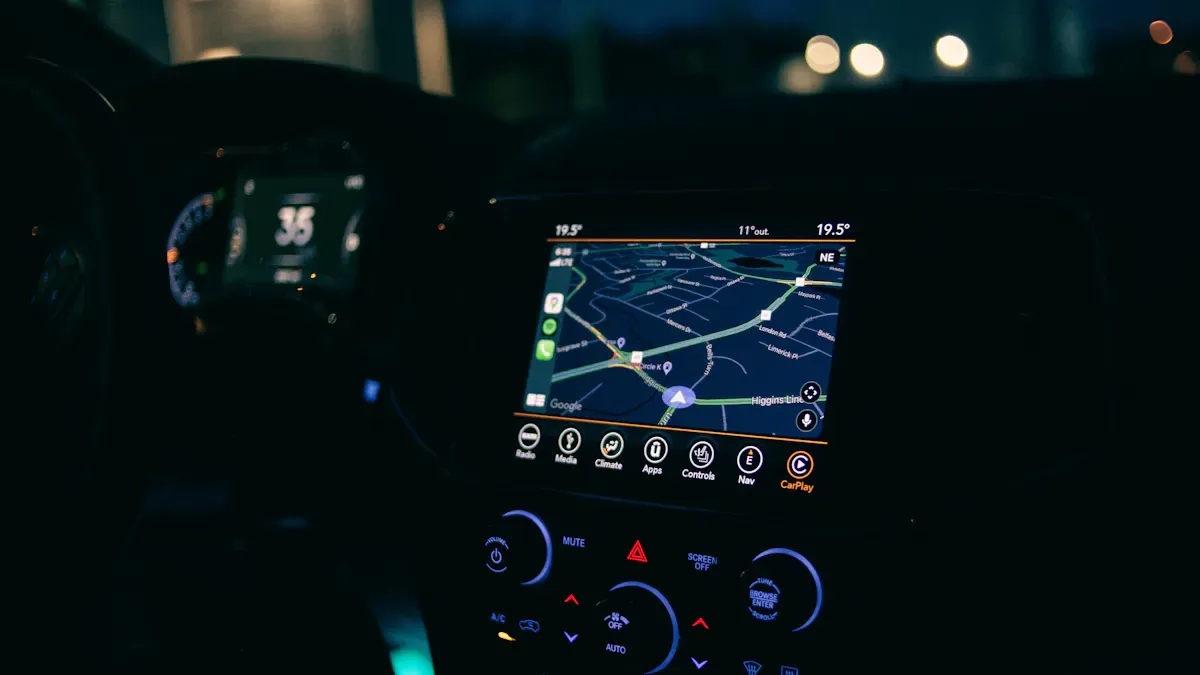
You will notice new names in transportation digital signage for 2026. BrightSign, Carousel, Samsung VXT, and smart mobile apps with QR integration are some examples. These digital signage solutions give you updates right away. They help you find your way in busy stations. They make your commute easier. They help operators and riders talk to each other better. You want displays that can grow with your needs. You also want them to work well for a long time. Visit https://www.topkioskdisplay.com/ to see how technology changes public transit for everyone.
Key Takeaways
Pick digital signage that can grow with your transit system. Find solutions that are easy to update and manage. Real-time data is very important. Use digital signage to show live updates about arrivals and departures. Give alerts to keep passengers in the know. Make sure your signage works well with what you already have. Choose options that connect with transit management tools. This helps share information easily. Put security and rules first. Use encryption to keep data safe. Follow the rules so everyone can use the system. Think about using mobile and QR code features. These tools help people find their way and get information fast.
Criteria for Transportation Digital Signage Solutions
When picking the best transportation digital signage, you want it to work well in busy places. Let’s look at what you should check before you decide.
Scalability and Flexibility
You need a system that can grow with your network. Centralized control helps you manage many screens from one spot. You can send the same message to all screens or just one. You can do this right away. As your transit system gets bigger, your digital signage should keep up. Flexible platforms let you change messages fast. You can show new routes or change directions for special events. Some systems use sensors to find crowded spots and help travelers pick new paths.
Tip: Pick a solution that works for both small and big stations.
Real-Time Data and Wayfinding
Travelers want the latest information. Real-time updates on arrivals, departures, and alerts help everyone. Digital signage can show flight or train times, gate changes, and wait times. This keeps people moving and stops confusion. Using real-time data makes wayfinding easier and helps commuters.
Real-time updates help passengers feel less stressed.
Wayfinding tools help people find their way fast.
Alerts and changes show up right away, so no one misses news.
Integration and Reliability
Your digital signage solutions should work with your current systems. Look for options that connect to transit management tools with APIs or data feeds. This lets you share live updates about vehicle locations or delays. Reliable displays stay on, even in tough spots. You want screens that are easy to read, strong against damage, and simple to clean. Regular software updates and care keep everything working well.
Benchmark | Why It Matters |
|---|---|
Easy to see in bright or dim light | |
Durability | Stands up to heavy use and vandalism |
Uptime Management | Keeps info visible, even during issues |
Security and Compliance
Safety is most important. Your system must protect data and follow the law. Use encryption and strong controls to keep info safe. Make sure your displays meet ADA rules so everyone can use them. Regular checks and updates help you follow the rules and avoid problems.
Note: Secure, easy-to-use signage builds trust with riders and keeps your transit system working well.
Top Transportation Digital Signage Solutions 2026
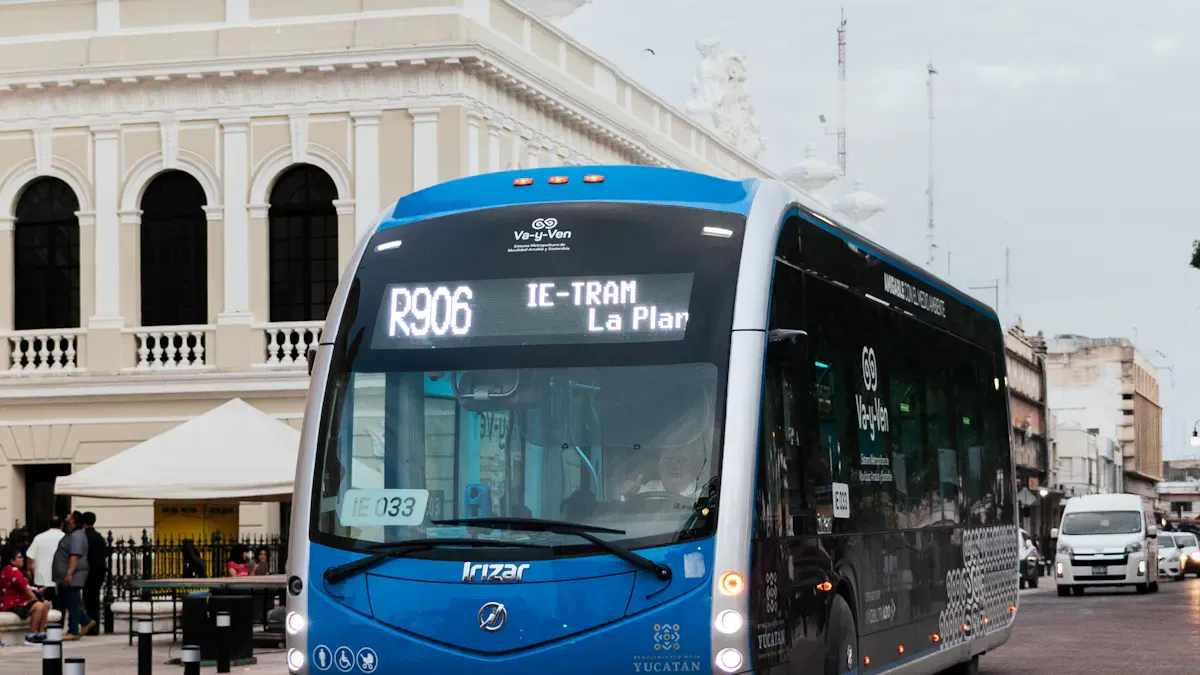
If you want good digital signage for your transit system, you have many choices for 2026. Each digital signage platform has something special for public transportation. These solutions help you share real-time info, guide people, and keep everyone connected.
BrightSign
BrightSign is a top choice for busy transit hubs. It gives real-time info, so riders know when their train or bus will come. BrightSign’s content helps people with maps and directions that they can use. You can also show ads that fit the time and place. This brings in more money for your station.
Here are reasons why BrightSign is a good pick:
Feature | What It Means for You |
|---|---|
Passengers see new arrivals and departures, which lowers stress and confusion. | |
Dynamic wayfinding | Interactive signs help people move through stations fast and easy. |
Accessibility enhancements | High-contrast screens and adjustable formats make it easy for everyone to use. |
Revenue generation | Targeted ads turn your transit space into a new way to earn money. |
Robust performance | The system works all day and fixes itself if there’s a problem, so you don’t lose info. |
BrightSign keeps your digital signage network strong and working well. You can trust it to work every day.
Carousel
Carousel is another good digital signage solution for transportation. You can control all your screens from one place, even if you use different devices. Carousel’s content management system is easy, so you can change messages fast. If you have screens in places where no one watches them, Carousel’s partnership with Moki keeps those screens safe and working.
See what Carousel gives you:
Feature/Aspect | Why It Matters for Transportation |
|---|---|
Partnership with Moki | Keeps screens safe and running smoothly, even if no one is there. |
Unified Interface | Lets you control many screens from one dashboard. |
Strong Customer Support | You get help when you need it, so your system keeps working. |
Intuitive content management system | You can change messages quickly, which helps during emergencies or big events. |
Carousel makes it easy to keep your digital signage network up-to-date and simple to manage.
Samsung VXT
Samsung VXT brings new technology to transportation digital signage. You can show real-time updates about flights, trains, or buses. Cloud-based management lets you control all your screens from anywhere. You can also send special messages to different groups, like families, tourists, or daily commuters.
Here’s how Samsung VXT helps you:
Technological Advancement | How It Improves Transportation Signage |
|---|---|
Riders see the latest schedules, gate changes, and delays right away. | |
Cloud-based management | You can update every screen in your network at once, even from far away. |
Customization capabilities | You can send special messages to different groups, making info more useful. |
Samsung VXT helps you keep everyone informed and interested, no matter how big your transit system gets.
Mobile and QR Integration Platforms
Mobile and QR integration platforms are changing how you talk to passengers. You can put QR codes on signs, tickets, or seats. When riders scan them, they get real-time GPS locations for vehicles, live departure boards, and maps they can use. This makes finding your way easy and helps people plan trips.
Here’s what you can do with mobile and QR integration:
Give access to maps that show routes and accessibility features.
Collect feedback from passengers by letting them scan a code and fill out a survey.
Let travelers zoom in on maps, search for stops, and plan trips with their phones.
Mobile and QR tools make your digital signage software smarter and more helpful. You give riders the power to get the info they need, right when they need it.
You have many choices for the best digital signage in transportation. Each solution helps you talk to riders, guide travelers, and make every trip smoother.
Features and Benefits for Transportation
BrightSign – Real-Time Updates and Wayfinding
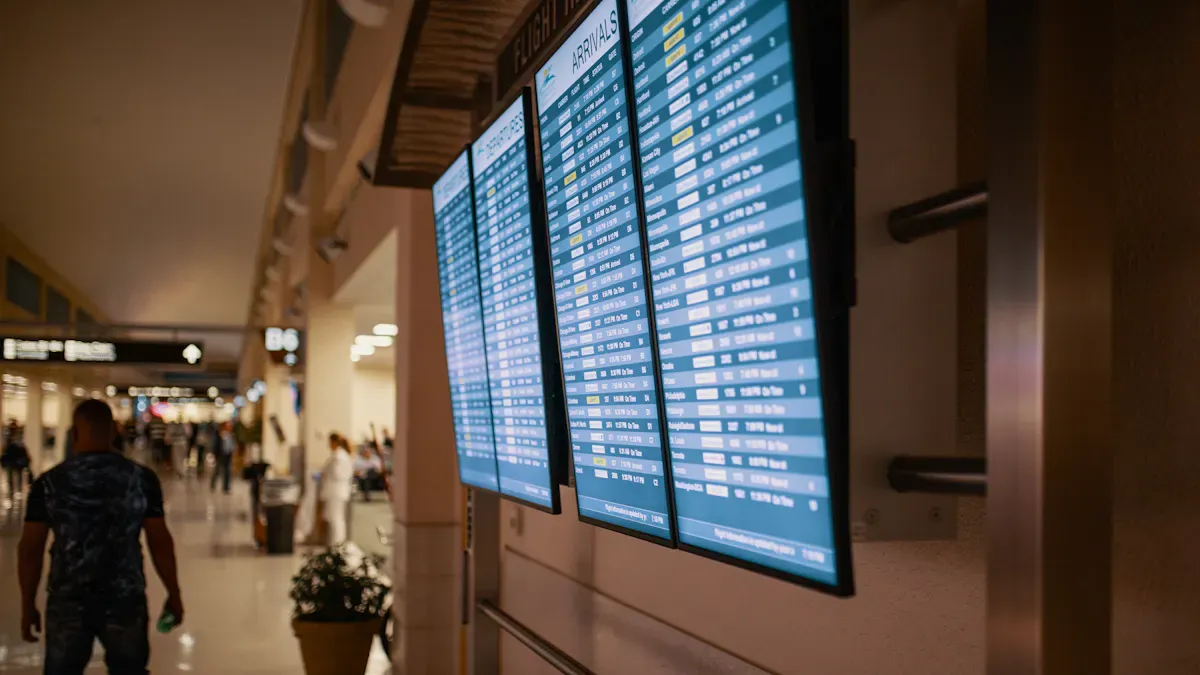
You want your riders to feel sure and know what’s going on. BrightSign helps you do this. This digital signage platform lets you share updates about arrivals and changes right away. You can help people move through busy stations with easy-to-follow signs. BrightSign’s automated scheduling keeps your screens working well. You get real-time service updates, so everyone stays informed. This system makes talking during delays easier and stops confusion. You also make things better for passengers by making it simple to find their way.
Feature | Benefit for Commuters |
|---|---|
Instant Content | Passengers see updates right away |
Wayfinding Assistance | Clear directions help people find their way |
Automated Scheduling | Consistent info across all screens |
Carousel – Tailored Messaging and Engagement
Carousel gives you ways to talk to your riders. You can group people by age, what they like, or how they travel. This helps you send messages that fit each group. Carousel’s content management system lets you change messages fast. You can show ads when lots of people are around to get more attention. The platform checks how many people swipe, click, or look at each card. You learn what your riders enjoy and change your content to match. Carousel helps you keep your digital signage software new and interesting.
Tip: Try A/B testing to see which messages your riders like best.
Samsung VXT – Communication Across Hubs
Samsung VXT helps you share news in big transit systems. You can update times, delays, and gate changes right away. The cloud-based content management system lets you control screens from anywhere. You help travelers in busy places with clear signs. Samsung VXT keeps your info the same and easy to trust. You can send special messages to families, tourists, or people who ride every day. This digital signage solution helps your system work better and keeps everyone in touch.
Mobile Apps and QR Codes – Smart Wayfinding
Mobile apps and QR codes make it easier for everyone to get around. Riders scan a code and get step-by-step help. Apps give real-time directions and show where you are inside. You can make instructions for people who need extra help. Voice assistants let people use the app without their hands. QR codes link to maps and updates that change as things happen. These tools help people who have trouble seeing or thinking clearly. You make trips better by giving passengers control and helping them feel sure.
Mobile apps give real-time directions and help for everyone.
QR codes give quick access to maps and steps.
Both tools help people in airports, hospitals, and busy stations.
You can see how transportation digital signage makes public transit better. It helps people talk, find their way, stay interested, and enjoy their trip more.
Digital Signage Companies Comparison Table
You need to choose the best partner for your transportation digital signage. It is helpful to see how top companies compare. The table below shows the main features you should look at:
Company | Scalability | Integration with Data | Real-Time Updates | Cost Model (7 Years) | Ease of Use |
|---|---|---|---|---|---|
BrightSign | High | Seamless | Yes | Upfront + Maintenance: $1,072 | Simple |
Carousel | Flexible | Strong API Support | Yes | Subscription: $1,755 | Very Easy |
Samsung VXT | Enterprise-Ready | Cloud Integration | Yes | Subscription: $1,755 | User-Friendly |
Mobile/QR Apps | On-Demand | Mobile Data Feeds | Yes | Varies | Intuitive |
Tip: If you want to spend less money at first, pick a subscription model. You can add more screens later if you need them. This is good for short projects or testing new ideas.
Here are some things you get from the best digital signage companies:
You do not need to spend a lot at the start with a subscription.
You can add screens as your network gets bigger.
You have options for busy times or special events.
Many digital signage companies use IT-managed systems now. This lets you connect your screens to your own data. You can show live arrivals, maps, and alerts on all your displays. This helps everyone stay updated and find their way.
When you look at the table, think about what is most important for your transit system. Do you want the lowest cost over time? Do you need to change messages quickly? Or do you want the best way to share real-time information? The best digital signage companies help you talk to riders, guide travelers, and make every trip easier.
How to Choose the Right Digital Signage Solution
Assessing Transportation Needs
You want your digital signage to make travel smoother for everyone. Start by thinking about what your transit system needs most. Do you need real-time updates for arrivals and delays? Maybe you want better wayfinding so people can find their gate or platform fast. Write down your main goals. This helps you pick the right digital signage software for your riders.
List your top priorities, like safety alerts or route changes.
Think about how many screens you need now and in the future.
Ask yourself if you want interactive maps or just simple announcements.
Tip: Try a small pilot project first. You can see what works before you grow your digital signage network.
Vendor Support and Future-Proofing
You want a partner who helps you today and tomorrow. Look for vendors who offer open platforms with API access. This lets you connect your content management system to other tools, like transit apps or emergency alerts. Avoid getting stuck with one company’s hardware. Pick cloud-based solutions so you can update screens from anywhere.
Choose a provider with a strong plan for new features.
Make sure your system can handle more screens as your city grows.
Plan for new tech, like AI-driven content or digital advertising.
A good vendor keeps your digital signage software up-to-date and ready for the future.
Budget and ROI
You want to get the most value for your money. Start by setting clear goals for your displays. Begin small and add more screens as you see results. Balance the cost of buying screens with the cost of keeping them running. Don’t forget to budget for content creation and updates in your content management system.
Start with a few displays and measure the impact.
Compare costs from different providers.
Track savings, like less printing or fewer staff hours.
Measure how your screens help with safety and rider engagement.
Note: Use before-and-after comparisons to show how digital signage improves your transit system.
When you follow these steps, you make smart choices that help your riders and your budget. Digital signage transforms public transportation by making communication faster, wayfinding easier, and every trip more enjoyable.
You have lots of good choices for transportation digital signage. Each one is special for reasons like fast updates, easy changes, and bright screens. Here’s a simple look:
Advantage | Why It Matters for You |
|---|---|
Interactivity | Lets you use maps and get info |
Engagement | Bright screens catch your eye |
Quick Updates | You see the newest news right away |
When you pick features that fit your needs and watch for new digital signage trends, your transit system will do well. Use the table to help you choose. For more ideas, look at places like Digital Signage Today or read white papers about public safety. Stay ready for new things and keep your riders happy!
How Digital Signage Is Transforming Public Transportation
Once upon a time, the most frustrating part of waiting for a bus or train was the uncertainty of when it would arrive. Today, digital signage is turning that anxious "blind waiting" into a precise, reassuring smart travel experience. This technology has evolved from simple information display into a core force reshaping modern public transit.
🧭 Three Core Application Scenarios: Accurate, Intelligent, Personalized
📊 1. Real-Time Information & Integrated Services
This is the most fundamental and important application, centered on real-time and accurate information. From platforms to carriages, a seamless information network is now fully deployed.
Smart Stops & Electronic Bus Stop Signs
Once simple signs, these have become "urban micro-hubs." Besides accurately predicting arrival times, many new e-ink or LCD bus stop signs integrate features like USB fast charging, voice announcements, video surveillance, and one-touch alarms. Depending on configuration, a smart bus stop sign can cost anywhere from 18,000 to 200,000 RMB (approx. $2,500–$27,500 USD).On-Board Information Screens
A pilot project in Shanghai uses digital screens on the front, side, and rear of buses to display "Departing at XX:XX," transforming "blind waiting" into "precise boarding." In Bucharest, 80 buses were equipped with digital signage to deliver real-time safety tips and community announcements.
🤖 2. Interactive Intelligence: From Passive Reception to Active Guidance
Information must not only be accurate but also easy to access. Digital signage is becoming smarter, offering more proactive and intuitive interactions.
Personalized Wayfinding
At airports, AI enables screens to "understand your needs." Passengers simply scan their boarding pass, and the screen automatically displays the gate and walking route based on location and language preferences—and can even send the directions to their phone.Dynamic Navigation Systems
In complex transit hubs, interactive maps and touchscreens help passengers quickly locate gates, exits, and restrooms. When a temporary route change occurs, screen content can update instantly, ensuring passengers always have the latest information.Targeted Emergency Alerts
During unexpected incidents, the system can send urgent notifications to screens in specific zones, enabling precise and efficient communication.
💰 3. Brand Value & Enhanced Passenger Experience
Going beyond basic functions, digital signage also creates commercial value and enriches the cultural experience.
New Advertising Revenue Streams
Digital signage turns transit systems into revenue generators. For example, the Helsinki region plans to display ads on screens in over 1,000 buses, trains, trams, and metro cars. Lagos’s Bus Rapid Transit system deployed 150 digital advertising screens, turning vehicles into mobile billboards.Cultural and Seasonal Ambiance
New York’s MTA has used digital signage in subway stations for holiday-themed displays—such as Valentine’s Day messages—adding a touch of humanity to daily commutes.
🛠️ The Technology Engine: Integration of New Innovations
The intelligence of digital signage is driven by the convergence of several technologies.
AI – Enables personalized content recommendations, crowd flow analysis, and intelligent guidance.
IoT – Connects screens to sensors for real-time vehicle location, environmental data, and more.
Cloud Platforms – Provide the foundation for remote, unified management of massive amounts of content.
ePaper (E-Ink) – This low-power, high-contrast display technology is ideal for direct sunlight and helps reduce light pollution.
💎 Summary: Building a Smarter, More Human Transit Network
The true value of digital signage lies in its ability to integrate and connect. It is no longer an isolated screen but an intelligent platform that efficiently links real-time data, passenger needs, operational management, and commercial value. Through this invisible information network, passengers gain peace of mind and convenience, while transit operators achieve greater efficiency and value—a true win-win.
FAQ
What is digital signage in transportation?
Digital signage means screens in stations, buses, or trains that show real-time info. You see updates, maps, and alerts. These displays help you find your way and stay informed during your trip.
How does digital signage improve my commute?
You get instant updates about arrivals, delays, and changes. Wayfinding signs guide you through busy stations. This makes your trip smoother and less stressful.
Can digital signage help people with disabilities?
Yes! Many systems use high-contrast text, voice guidance, and QR codes. You can access maps and directions that fit your needs. This makes travel easier for everyone.
Is digital signage secure?
Most digital signage uses strong security tools. You can trust that your data stays safe. Vendors update systems often to protect against threats.
How do mobile apps and QR codes work with digital signage?
You scan a QR code with your phone.
You get live maps, schedules, or alerts.
This helps you plan your trip and find your way faster.
See Also
Innovations in Digital Signage Technology Set for 2026
Popular Digital Signage Solutions Gaining Attention in 2026
Key Factors That Make Digital Signage Essential for Success
Best Digital Signage Solutions for Retail Environments in 2026
Leading Video Wall Digital Signage Options to Consider in 2026
