Top 10 Tips for Successful Healthcare Digital Signage in Hospitals
Shenzhen TopAdkiosk Display Technology Co., Ltd.
Add.: 2F, Bldg 10, Changfeng Industrial Park, Dongkeng, Fenghuang, Guangming, Shenzhen, China 518132
Mobile/WHATSAPP: 86-138 25769658
Email: marketing@topadkiosk.com topadkiosk@gmail.com
Skype: pghenry1
Wechat: adkioskhenry
English Web.: https://www.topkioskdisplay.com/
http://www.ad-kiosk.com/
https://www.toplcddisplay.com/
http://www.multitouchdigitalsignage.com/
https://www.youtube.com/channel/UCYVYNJHxLVEcQD8fuUxXNTA/videos?view_as=subscriber
https://www.facebook.com/TOPADKIOSKSHENZHEN/?ref=bookmarks
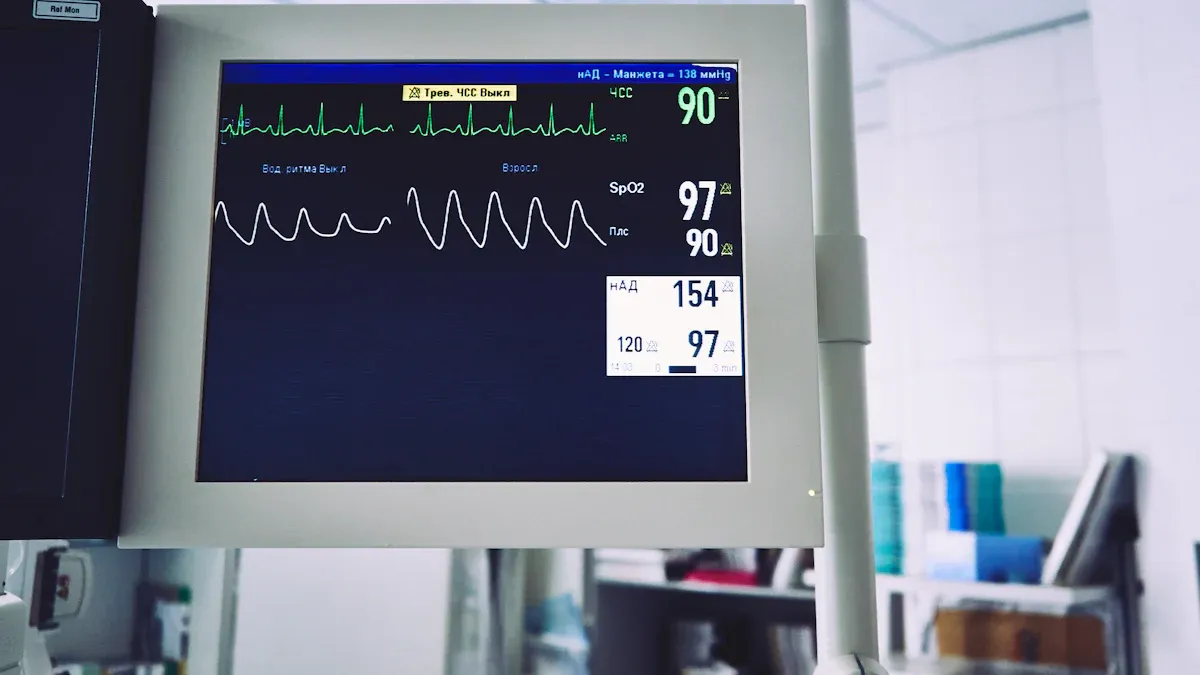
You want to share information clearly in your hospital. Healthcare digital signage helps you give updates fast. It lets you talk to patients and keep staff in the loop. With digital signage for hospitals, you can make patients happier. You can also make the hospital feel more friendly. Here are some good things about it:
Digital signage content lowers stress by giving real-time info and pictures.
Interactive screens help patients and visitors not get lost. They make hospitals easier to move around.
Staff can work better and get emergency alerts faster.
Get ready to learn tips that really help.
Key Takeaways
Digital signage helps patients by showing real-time information. It can make wait times feel shorter by up to 35%.
Personalized greetings on screens help patients feel welcome. This builds trust and makes them feel important and informed.
Interactive wayfinding tools help visitors find their way easily. These tools lower stress and stop confusion.
Real-time wait time displays keep patients updated. This makes patients happier and helps clinics run better.
Emergency messages on digital signage share news fast during crises. This keeps everyone safe and lets them know what is happening.
Welcome Patients with Digital Signage
First Impressions in Hospital Lobbies
Digital signage is the first thing you see in a hospital. These screens say hello and show you where to go. They help you feel calm and know what is happening. Using digital signage in lobbies makes the hospital feel welcoming. It also makes checking in faster and easier. People notice these changes right away.
Recent studies prove digital signage helps patients feel better in lobbies. Here are some numbers:
Evidence Type | Statistic/Result |
|---|---|
Reduction in perceived wait times | |
Reduction in patient aggression | 50% reduction in patient aggression |
Patient frustration | 75% of patients feel less frustrated about wait times |
Improvement in overall satisfaction | 28% improvement in overall patient satisfaction scores |
Digital signage can show directions, safety tips, and news. This helps everyone find their way and stay informed. It also lowers confusion and stress for patients and visitors.
Tip: Put screens near entrances and check-in desks. This helps everyone see important information right away.
Personalized Greetings and Information
Personalized greetings help patients feel important. Digital signage can show names, appointment times, or welcome messages. This makes people feel more involved and builds trust. Hospitals using personalized digital signage have better communication and happier patients.
Evidence | Description |
|---|---|
Healthcare facilities need to use a personalized approach to make patient experiences better. | |
Efficient Communication | Digital signage helps share patient information and improves communication. |
Targeted Messaging | Digital signage lets hospitals send messages to certain groups. |
Tailored communication helps patients follow their treatment plans.
Giving the right information at the right time keeps patients engaged.
Individual care makes patients more satisfied.
Clear communication is needed for good patient engagement.
Giving relevant information helps patients understand their care.
Personalized communication helps patients take part in decisions.
Sharing updates quickly makes the hospital run better. Staff and visitors can work together more easily. Healthcare digital signage makes hospitals friendlier and more efficient.
Digital Wayfinding for Hospitals
Interactive Maps and Directions
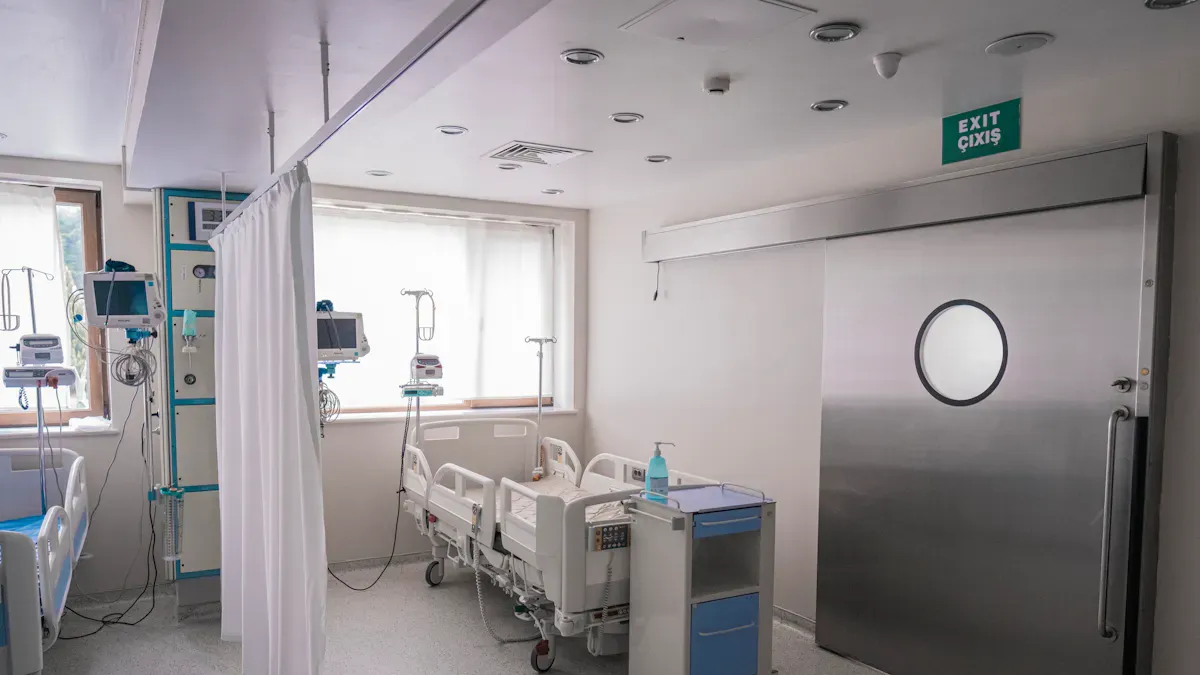
Digital wayfinding helps people find their way in hospitals. Hospitals are big, and many people get lost. Digital signage with interactive maps gives clear directions. This makes it easier for everyone to know where to go. Visitors can use kiosks with touch screens to see their route. Some screens let you scan a QR code to get directions on your phone.
Hospitals have many hallways and departments. This can make people feel nervous about getting lost. Digital signage helps right away by showing maps and directions. Instead of using paper maps, visitors see bright, interactive screens. Patients can look at virtual maps or use touchscreens to plan their path. They can also scan QR codes for directions on their phones. This tool helps lower stress and helps people get to appointments on time. Visitors feel more in control and cared for before seeing a doctor.
You can make your hospital easier to move around by doing these things:
Put interactive digital signs at main doors and busy places.
Use big, easy-to-read letters and colors that stand out.
Add 3D maps to help people see the whole hospital.
Make sure your system can use new technology later.
Keep your maps open so they work with other hospital systems.
Key Placement for Navigation
Putting digital signs in smart places helps the hospital work better. When you put wayfinding kiosks in the right spots, patients move faster. This also means staff do not get stopped as much. Put kiosks near elevators, waiting rooms, and main halls. This keeps people moving and lowers stress for everyone.
Putting digital signs in good places makes wait times feel shorter by 35%.
Patient happiness scores can go up by 22%.
Hospitals with digital signs have 40% fewer staff interruptions for directions.
When you use digital wayfinding, patients and visitors feel more sure of themselves. Clear signs help everyone get to the right place on time. Digital signage also helps staff, patients, and visitors talk to each other better. This makes the hospital feel more friendly and welcoming.
Waiting Area Engagement with Digital Signage
Real-Time Wait Time Displays
Digital signage can show how long you need to wait. These screens give updates right away. When you see this, you feel less worried. You also feel like you know what is happening. Wait time screens help you know what to expect next. Hospitals that use these screens see happier patients and better clinic flow.
Here is what happens when you add these screens:
Metric | Before Implementation | After Implementation | Improvement |
|---|---|---|---|
71 minutes | < 60 minutes | Reduced by 11+ minutes | |
Patient satisfaction (timely care) | 82% | 95% | Increased by 13% |
You get updates that make your visit easier. Staff do not have to answer as many questions. This helps everyone focus on care. The hospital works better for everyone.
Tip: Put screens where everyone can see them. This helps you and other visitors stay calm and know what is going on.
Entertainment and Health Education Content
Digital signage can make waiting more fun. You can watch videos, see pictures, and look at calming images. These things help you relax and learn new things. People remember almost all the information from videos. They remember less from just reading. Infographics make facts easy to see and understand.
You can see these things on digital signage:
Calming imagery
Light entertainment
Positive news
Wellness tips
Infographics
Patient stories
Digital signage helps you learn about health and wellness. You get tips and news that help you stay healthy. Hospitals use these screens to share important messages. This keeps you interested and helps you learn. It also helps staff, patients, and visitors talk to each other. Waiting areas feel nicer and work better for everyone.
Emergency Messaging on Digital Signage
Instant Alerts and Notifications
It is important to keep everyone safe in an emergency. Digital signage helps send alerts fast across the hospital. When something happens, you can change all screens at once. This way, everyone sees the same message right away. No one misses important instructions.
Digital signage can work with audio alarms too. This gives both sound and visual warnings. People see clear messages about what to do next. You can show evacuation routes, updates, or safety tips. These messages use big letters and colored backgrounds. Red means fire, blue means a medical emergency. This helps everyone understand what is happening.
Every second matters in a crisis. Digital signs let you share urgent instructions fast. You can use alert templates to save time. Central software sends alerts to all screens at once. This keeps everyone calm and informed.
Here are important things for good emergency notifications:
Requirement | Description |
|---|---|
Integration with emergency notification system | Syncs alerts with hospital protocols. |
Instant content override | Replaces regular content immediately. |
Simultaneous deployment | Sends alerts to all screens for maximum visibility. |
Color-coded backgrounds | Uses colors to show urgency. |
Large text and clear instructions | Makes messages easy to read. |
Audio alerts | Adds sound for extra awareness. |
Regular testing and staff training | Ensures the system works and staff know what to do. |
Targeted alerts | Sends messages to specific areas if needed. |
Automatic recovery | Returns to normal content after the emergency. |
Compliance with safety regulations | Meets safety standards for hospitals. |
Integration with Hospital Systems
You can make emergency messaging stronger by linking digital signage with other hospital systems. This lets you send alerts through many ways, like PA systems, phones, and emails. Everyone gets the message, no matter where they are.
Digital signage can work with emergency management tools. You can guide people to safe exits or warn staff about danger zones. Real-time updates help everyone know what to do. You can also use the Common Alerting Protocol (CAP) for standard messages.
Connect digital signage with audio alarms for sound and visual alerts.
Give real-time directions for evacuation and meeting spots.
Send alerts right away to help people respond faster.
Guide patients to safe exits and warn staff about danger.
Test your system often and train staff so everyone knows what to do.
Digital signage helps you share information quickly in emergencies. You keep patients, staff, and visitors safe. You also make your hospital ready for any emergency.
Staff Communication via Digital Signage
Staff-Only Updates and Announcements
You need quick updates to do your job well. Digital signage helps you get important news fast. Screens in staff lounges and nurse stations show messages right away. You see schedules, training info, and emergency alerts on these screens. You get the right message at the right time. You can watch training videos or see onboarding materials. This helps you learn new skills and stay safe at work.
Scarboro says sharing information is easier now. One person can send messages from their desk. The team works better and gets more done. They do not need another department to help. The quality of messages stays the same.
After three months, a staff survey showed big changes. Employee satisfaction with communication went up by 33 percent. You feel more connected and informed. Your workday is smoother, and the hospital runs better.
Shift Schedules and Internal News
You want to know your shift schedule and changes fast. Digital signage shows this information in real time. You see your schedule and updates without checking emails. Hospitals put screens in busy places so you always know what is happening.
Digital signage gives you important news where you work. You see shift schedules and updates right away. This lowers the chance of missing news. You can focus on your patients and tasks. You know you have the latest information.
Using digital signage helps staff work together better. Everyone knows what is going on. The hospital works better for staff and patients.
Patient Education and Health Literacy
Health Tips and Infographics
Digital signage helps patients learn about health. These screens show health tips, infographics, and videos. They make hard ideas easy to understand. Simple information is easier to remember. Hospitals using digital signage for education see better patient care. You get clear instructions about your care. This helps you follow your treatment plan.
Evidence Type | Description |
|---|---|
Patient Comprehension Improvement | Healthcare providers using digital signage report a 27% increase in patient understanding of post-appointment instructions compared to traditional materials. |
Most caregivers and patients say digital signage makes their hospital visit better. You feel more confident about your care when you know what to do next. Digital signage gives wellness tips and ways to prevent diseases. This helps you stay healthy and avoid problems.
Some of the best things to show on these screens are:
High-quality videos that explain medical topics
Infographics that show facts in a quick, visual way
Tips about managing chronic diseases, getting vaccines, and following hygiene rules
Advice for healthy living
You learn faster with pictures and short videos. This makes patient care safer and more effective.
Promoting Hospital Services
Digital signage helps you learn about hospital services. You see information about wellness programs, preventive care, and healthy lifestyle choices. This helps you know more and join activities that improve your health. Hospitals use digital signage to share news about community events and special care programs. You find out about new services and how they can help you.
Digital signage gives hospitals a smart way to promote care and earn money. When you see ads for services or events, you feel closer to your care team. You trust the hospital more and want to take part in your care. This makes patient care stronger and builds loyalty.
Sharing Patient Stories and Testimonials
Building Trust and Community
Digital signage can show real patient stories. These stories help you see what works in hospitals. When you read about someone getting better, you feel hopeful. You may want to be more involved in your care. Sharing these stories helps you and your family know what to expect. You also see you are not alone.
Digital signage lets you show stories about kindness and success. You build a stronger bond with your care team. Staff learn what matters most to patients. This makes care feel more personal and caring. Seeing these stories on screens helps you feel part of a group.
These stories help you and others feel more involved.
Hearing about recovery gives you confidence.
Sharing journeys helps staff understand your needs.
This sharing builds trust and helps everyone work together.
Note: Sharing stories helps everyone feel welcome and safe in the hospital.
Highlighting Positive Experiences
Digital signage can show positive patient experiences. These displays make waiting areas feel warm and friendly. When you see happy stories or calming videos, you feel less stressed. Hospitals that use nature videos on screens see a 20% rise in patient satisfaction scores. You can also watch educational videos that help you understand your care better than reading a pamphlet.
A good patient experience is more than just care. It includes what you see, hear, and feel in the hospital. Digital signage can show bright pictures, friendly faces, and helpful tips. This makes your visit better and helps you trust your care team.
Nature videos and happy stories help you feel calm.
Educational videos help you follow care instructions.
A welcoming space helps you feel safe and cared for.
Digital signage can share good news and build trust. This helps everyone feel connected and improves communication in hospitals.
Recognizing Donors and Hospital Achievements
Donor Recognition Displays
Digital signage can honor donors in your hospital. You show names and stories on screens. Donors feel proud when they see their names. You can use photos, videos, and animations to highlight their help. This gets more attention than plaques and makes others want to help.
Here is how digital signage helps donor recognition:
Benefit | Description |
|---|---|
Attract Interest | Digital displays get more attention than plaques. |
Use of Multimedia | Screens show photos, videos, and animations for a lively experience. |
Enhance Engagement | Donors feel proud and may give again. |
Promote Transparency | You can show project progress and donor impact. |
Inspire Donations | Showing projects makes new donors want to help. |
Command Attention | Big screens honor donors as guests enter the hospital. |
Celebrate Contributions | Displays make donors feel special. |
Increased Legibility | HD screens show clear text that is easy to read. |
More Content Displayed | You can share more information in the same space. |
Digital signage turns old displays into fun experiences. You can learn about the hospital’s mission and give money right at the screen. Real-time updates let you honor new donors fast. You can also share stories and testimonials about donor support. This shows how donors help the hospital.
Awards and Accreditations
Digital signage can show awards and accreditations. When you show achievements, you build trust with patients and visitors. People see your hospital gives good care. This helps your hospital get a good reputation and makes people feel confident.
Digital signage lets you show certificates, honors, and milestones. You can update these displays quickly and keep information current. Patients feel safe when they see your hospital’s achievements. Staff feel proud to work in a place known for excellence. Visitors see the value of your hospital’s services.
Tip: Put screens in main hallways and waiting areas. This helps everyone see your hospital’s achievements and donor recognition.
Digital signage helps you share important information. You get more engagement, build trust, and inspire support for your hospital.
Digital Signage for Cafeterias and Menus
Real-Time Menu Boards
When you go to the cafeteria, you want to know what food is there. Digital signage shows menus on bright screens every day or week. The menus have big words, colorful pictures, and short details. You can find your favorite food fast or see new choices. If the kitchen changes a meal or runs out, staff can fix the menu right away. This helps you know what is available and makes you happy with your choices.
Digital signage helps the cafeteria work better. There are fewer lines and less confusion. Staff do not have to answer as many menu questions. Everyone gets the right menu information at the right time. This makes eating in the cafeteria easier and helps the hospital run smoothly.
Here are some good things about using real-time menu boards in hospitals:
Advantage | Description |
|---|---|
Improved guest satisfaction | Makes eating better for staff, patients, and visitors, so everyone feels happier. |
Reduced costs | Helps save money by managing food better and wasting less. |
Smarter menu management | Lets staff change menus fast, offer healthy foods, and keep track of supplies. |
Streamlined payments | Lets people pay in different ways, making it faster and safer to buy food. |
Data-driven forecasting | Shows what food sells best, so staff can plan and prepare better. |
Tip: Put screens by the entrance and where you get food. This way, everyone can see the menu before picking what to eat.
Nutrition and Specials
You want to eat healthy food. Digital signage shows nutrition facts and daily specials in a simple way. You can see calories, ingredients, and healthy choices on the screen. This helps you pick smart meals. When you see a special or healthy dish, you might want to try it.
Hospitals use digital signage to help people eat better. You learn about new foods and see which ones are good for you. Cafeterias can use color labels or special deals to help you choose.
Evidence Type | Findings |
|---|---|
Nutritional Signage | More people notice and buy healthy food when they see nutrition facts. |
Digital Signage | People learn more about healthy choices and buy them more often. |
Educational Interventions | Color labels and money-saving deals work well with digital signs. |
You get the facts you need to eat well. Staff can change specials or show new foods any time. This keeps the menu fun and interesting for everyone.
Unified Management of Healthcare Digital Signage
Centralized Content Control
It is important to manage all digital signage in one place. A unified content management system lets you control every screen from one spot. This makes it much easier to use healthcare digital signage. You can update screens fast so everyone sees the same message. This helps stop confusion and keeps your hospital working well.
Here are some main benefits of a unified system:
Benefit | Description |
|---|---|
Improve Visitors’ Engagement | Digital displays give directions and helpful information, making visits better for everyone. |
Save Time for Hospital Staff | Staff do not have to give directions as much, so they can help patients more. |
Easily Manage and Update Content | Administrators can change information quickly, so it is always correct and clear for visitors. |
Centralized control helps keep messages the same on every screen. You can send the same update to all screens at once. This makes your hospital’s brand stronger and helps people trust what they see. You also save money by managing everything from one place. This lowers costs for hardware and fixing things, so your system works better.
You send updates to all screens quickly.
You stop mistakes from different teams.
You send messages to the right people at the right time.
Security and Compliance
You must keep patient information safe when using healthcare digital signage. Your system needs to follow rules like HIPAA. This protects patient privacy and builds trust. Never show private patient details on public screens. Use secure software with permission controls to keep content safe.
The General Data Protection Regulation (GDPR) has strict rules for personal data. Your system must follow these rules to avoid trouble. Keep media players locked up so no one can mess with them. Pick digital signage software that lets you control who can change content.
Lock media players so people cannot tamper with them.
Use secure software with permission controls.
By focusing on security and following the rules, you make your hospital’s digital signage safe and trustworthy. This helps your system work well and keeps your hospital’s good name.
You can make your hospital better with digital signage. This tool lets you share news fast with everyone. It helps patients, staff, and visitors know what is happening. You make talking easier and help the hospital work well. Patients feel more at ease and know more about their care. To begin, try these steps:
Description | |
|---|---|
Find out what your hospital wants to achieve with digital signage. | |
Choose the Right Technology | Pick the best screens and software for your goals. |
Train Staff | Teach your team how to use and update the system. |
Ensure Content Relevance | Keep information fresh and useful for everyone. |
You can ask experts for help or test a small project first. This helps you see what works best for your hospital.
How Digital Signage Improves Communication in Healthcare Environments
Healthcare environments are complex, fast‑paced, and often stressful for patients, visitors, and staff. Effective communication is critical for patient safety, operational efficiency, and overall experience. Digital signage addresses many traditional communication challenges by delivering real‑time, visual, and targeted information throughout hospitals, clinics, and other healthcare facilities.
🏥 1. Enhancing Patient & Family Communication
Digital signage helps patients and families navigate the healthcare system and stay informed.
Communication Need | How Digital Signage Helps |
|---|---|
Wayfinding & navigation | Interactive touchscreen maps guide visitors to departments, clinics, and amenities – reducing late arrivals and missed appointments. |
Wait time transparency | Display estimated wait times for emergency rooms, outpatient clinics, and pharmacies, reducing anxiety and improving satisfaction. |
Health education | Loop short, easy‑to‑understand videos on waiting area screens – explaining procedures, medication instructions, or prevention tips. |
Department-specific information | Show menus in cafeterias, visiting hours, parking updates, or special announcements (e.g., flu shot clinics). |
Family updates (surgery/ICU) | Anonymised patient status boards (e.g., “in surgery”, “recovery”, “ready for visit”) keep families informed without overloading nursing staff. |
Benefit: Reduced confusion, lower perceived wait times, better patient education, and enhanced family satisfaction.
👩⚕️ 2. Improving Staff Communication & Workflow
Healthcare staff need instant access to operational and clinical information. Digital signage provides a centralised, real‑time visual hub.
Patient flow boards – Display bed occupancy, discharge status, and pending admissions to help nurses and bed managers prioritise.
Shift handovers – Show key information (high‑risk patients, equipment issues, safety alerts) without relying solely on paper logs.
Staff schedules & training – Post shift changes, mandatory training reminders, and meeting announcements in break rooms.
Performance metrics – Show real‑time KPIs (e.g., door‑to‑doctor time, patient satisfaction scores, hand hygiene compliance) to motivate teams.
Internal announcements – Recognise employee achievements, share hospital news, or highlight policy updates without mass emails.
Benefit: Faster decision‑making, reduced communication errors, and stronger team alignment.
🛡️ 3. Enhancing Safety & Emergency Communication
In emergencies, clear and immediate communication saves lives. Digital signage integrates with facility alert systems to deliver instant visual warnings.
Emergency Type | Digital Signage Response |
|---|---|
Fire / smoke | Automatically override all screens with evacuation routes and assembly points. |
Code Blue (cardiac arrest) | Display exact location and team mobilisation instructions in staff areas. |
Infection outbreak | Post isolation protocols, PPE requirements, and visitor restrictions at entrances and wards. |
Missing patient / child | Instantly broadcast description and instructions to all screens. |
Weather emergency | Show shelter‑in‑place instructions or storm tracking information. |
Benefit: Faster response, reduced confusion, and improved compliance with emergency protocols.
🧠 4. Supporting Clinical Decision‑Making & Operational Transparency
Digital signage brings critical data to the point of care.
Real‑time lab results pending – Show which patient results are ready in the lab to speed up clinical decisions.
OR status boards – Display current procedure, expected duration, and next case to coordinate surgical teams.
Staff location & on‑call status – Show which physicians, specialists, or charge nurses are available on each floor.
Bed cleanliness status – Integrate with EVS (environmental services) to show whether a room is clean, dirty, or being cleaned – reducing admission delays.
Benefit: Reduced redundancy, faster patient throughput, and better resource utilisation.
👋 5. Improving Visitor & Contractor Communication
Visitors and external staff often lack familiarity with hospital rules and layouts. Digital signage at entrances can:
Play a short “welcome and rules” video (quiet zones, mask policies, hand hygiene).
Display current visiting hours and restricted areas.
Show floor‑specific guidance (e.g., “NICU – only parents beyond this point”).
Direct contractors to check‑in points or safety briefings.
Benefit: Reduced rule violations, lower security incidents, and a more controlled environment.
📊 6. Measuring Performance & Building a Safety Culture
Digital signage makes invisible data visible, driving improvement.
Metric Displayed | Impact |
|---|---|
Hand hygiene compliance rate | Encourages staff to follow protocols when they know they are being measured |
Patient fall incidents (trend) | Prompts preventive actions on high‑risk units |
Staff vaccination rates | Builds transparency and peer accountability |
Days since last hospital‑acquired infection | Motivates ongoing vigilance |
Benefit: Data‑driven behaviour change and continuous quality improvement.
✅ Summary of Benefits in Healthcare
Area | Improvement |
|---|---|
Patient experience | Reduced wait anxiety, better wayfinding, clearer health education |
Staff efficiency | Real‑time bed status, shift updates, performance dashboards |
Emergency response | Instant visual alerts, evacuation guidance, team mobilisation |
Infection control | PPE reminders, isolation status, hand hygiene tracking |
Visitor management | Clear rules, wayfinding, safety briefings at entrances |
Operational transparency | OR/ED wait times, lab results, bed cleanliness status |
💡 Implementation Tips for Healthcare Digital Signage
Integrate with existing systems – Connect to nurse call systems, bed management, lab information systems (LIS), and emergency alerts for automatic updates.
Use quiet, non‑distracting displays – Avoid loud animations in patient areas; use soft colours and silent updates.
Prioritise accessibility – Large fonts, high contrast, and voice‑over options for visually impaired patients.
Place screens strategically – At entrances, waiting areas, nursing stations, elevator lobbies, and outside patient rooms.
Respect privacy – Never display patient names or identifiable clinical data on public screens. Use anonymised status (e.g., “Room 204 – ready for discharge”).
💎 Conclusion
Digital signage transforms healthcare environments by making communication real‑time, visual, and targeted. It reduces patient and family anxiety, improves staff coordination, accelerates emergency responses, and supports infection control and quality metrics. When integrated with hospital information systems, digital signage becomes an essential tool for safer, more efficient, and more patient‑centred care.
FAQ
How does digital signage improve communication in hospitals?
Digital signage lets you see updates right away. You get messages, directions, and alerts fast. Staff, patients, and visitors know what is going on. This helps keep your hospital safe and working well.
Can digital signage reduce confusion for patients and visitors?
Yes. Digital signage shows maps, schedules, and instructions. You can find your way without trouble. You do not need to ask for help as much. This lowers stress and helps everyone move around easily.
Is digital signage secure for sharing information?
Hospitals use safe systems to protect information. They follow privacy rules to keep patient details safe. Only trusted staff can change what is on the screens. This keeps your data private and helps people trust the hospital.
What types of content work best on healthcare digital signage?
You can see health tips, wait times, staff news, and emergency alerts. Videos, infographics, and live updates help you learn new things. This makes your visit easier and helps everyone talk better.
How do you manage digital signage across many screens?
You control all screens from one place. You can update messages fast. This keeps information clear and the same everywhere. Staff save time, and your hospital works better.
See Also
7 Strategies to Enhance Customer Interaction Using Digital Signage
Best 10 Digital Signage Video Wall Options for 2026
Uncover Key Advantages of Digital Signage in Restaurants
