Top 10 Digital Signage Careers to Watch in 2026
Shenzhen TopAdkiosk Display Technology Co., Ltd.
Add.: 2F, Bldg 10, Changfeng Industrial Park, Dongkeng, Fenghuang, Guangming, Shenzhen, China 518132
Mobile/WHATSAPP: 86-138 25769658
Email: marketing@topadkiosk.com topadkiosk@gmail.com
Skype: pghenry1
Wechat: adkioskhenry
English Web.: http://www.topadkiosk.com/
https://www.topkioskdisplay.com/
https://www.toplcddisplay.com/
http://www.multitouchdigitalsignage.com/
https://www.youtube.com/channel/UCYVYNJHxLVEcQD8fuUxXNTA/videos?view_as=subscriber
https://www.facebook.com/TOPADKIOSKSHENZHEN/?ref=bookmarks
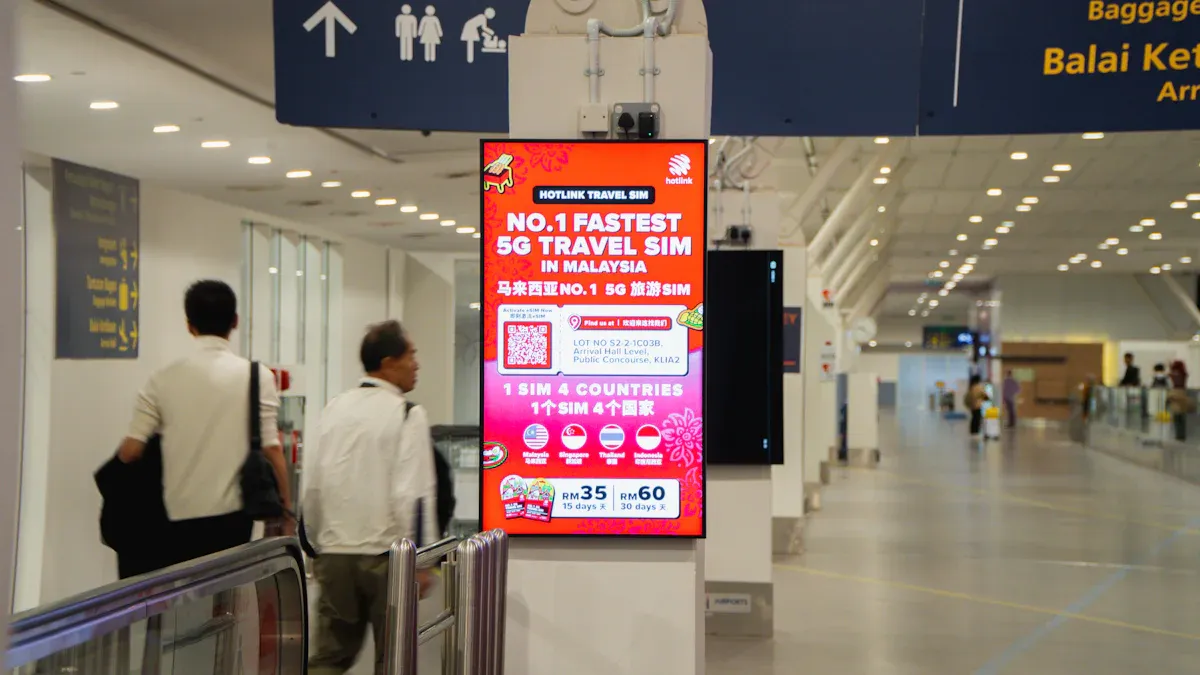
You want to know which digital signage careers will be important in 2026. The industry is growing quickly because of new technology and more people wanting it. Digital signage could be worth between USD 23.5 billion and USD 33.56 billion by 2026. It is growing fast. AI, sensor-driven interactive experiences, and cloud-based management are changing how you get customers interested and enhance their experience. Real-time content and innovative ideas are creating new digital signage careers. Each role helps shape the future of digital signage and provides new ways to reach people.
Projected market size in 2026: USD 33.56 billion
AI and immersive technologies change digital signage careers
Hyper-personalization makes customer experience better
Key Takeaways
Digital signage jobs will get bigger by 2026. This is because AI and cloud technology are improving fast.
You need to know cloud management and data analytics. These skills are important to do well in digital signage.
Creative jobs, like content strategists and UX/UI designers, will matter a lot. They help make customer experiences more interesting.
Hands-on training and certifications can help you begin a digital signage career. They also help you get noticed by employers.
Keeping up with new technology trends will help you. It lets you make a difference in digital signage’s future.
Emerging Digital Signage Careers

Industry Growth Trends
Digital signage is changing very quickly. New technology and smart ideas help this happen. Companies want to be different and connect with people in new ways. More brands use interactive digital signage to get noticed. Touchless screens and augmented reality make displays more fun. Cloud-first platforms let businesses grow their digital signage networks. People who know cloud management and analytics are needed a lot.
New technology creates jobs for managing new things.
Immersive experiences bring more interactive digital signage.
Cloud-first platforms need people who know cloud management and analytics.
You can make new digital display solutions to help brands get seen. You can create campaigns that use new technology and signage skills. Photorealistic 3D renderings help with hard digital signage projects. These trends help shape digital signage careers in the future.
Technology Impact
Artificial intelligence changes how you use digital signage. AI does simple tasks, so you can think of creative ideas. Interactive digital signage uses IoT to make displays react better. Predictive analytics helps plan content and reach marketing goals. By 2035, AI might make most of the content, so fewer people are needed.
AI does simple tasks and lets you be creative.
IoT makes interactive digital signage react better.
Predictive analytics helps with planning and working faster.
Networks get more complex as more devices connect. You need to know analytics and cloud management to keep up. Interactive digital signage jobs will keep growing as technology gets better. You can start by learning about digital signage, trying new tools, and building your skills in analytics and interactivity.
Digital Signage Content Strategist
Responsibilities
A digital signage content strategist helps decide what goes on screens. You pick the best content and how to show it. Your job has many parts, like planning and checking results. Here is a table that lists your main jobs:
Responsibility Type | Key Responsibilities |
|---|---|
Content Creation and Curation | Make templates, set rules, and use AI tools for content. |
Leveraging Automation | Add data feeds, use RSS for updates, and set up schedules. |
Measuring Effectiveness | Set goals, ask employees, and use analytics to check engagement. |
Continuous Improvement | Plan reviews, learn new tech, and ask for feedback to improve. |
You start by looking at what you have now. You check where screens are and if the content is good. You make clear rules for where content comes from and who checks it. You set up tools to add social media feeds. You design layouts for different parts of the screen. You test content to make sure people can see and read it. You also set up rules to check content often. You watch how content does using analytics and change your plan if needed.
2026 Significance
In 2026, this job will be even more important. People want content that fits them and uses data. You will need to make messages for different groups. Companies connect digital signage with their main systems, so you need to know how everything works together. People want smooth and fun experiences, so you must make content that does this.
Real-time, data-driven content will make your job more active.
Interactivity is normal now, so you must make content people can use.
AI helps you change content using data and how people react.
You help shape digital signage jobs by keeping content new, useful, and fun. Your skills will be wanted as tech and what people want keeps changing.
Digital Signage Technician
Responsibilities
You help digital signage work every day. You put up screens and connect devices. You check cables to make sure they fit. You fix problems fast so displays look good. You work with networks and connect signs to the internet. You manage content and update screens when needed. You learn about new software and hardware to keep up.
Tip: You can start as a digital signage technician by learning basic electronics and networking. Many people begin with hands-on training or certification programs.
Here are the most important skills you need:
Installation skills
Troubleshooting
Network integration
Content management
Knowing different digital signage software and hardware
You use these skills to fix problems and keep displays working. You test screens and check for mistakes. You help set up new projects and make sure everything works. You also teach others how to use the system.
2026 Significance
In 2026, your job will be even more important. Digital signage networks will grow and get harder to manage. You will handle more devices and new kinds of screens. Companies will want signs that use the cloud and real-time data. You must fix issues quickly and keep everything safe.
Digital signage careers will need technicians who know hardware and software. You will help businesses reach customers with interactive displays. You will make sure signs show the right content at the right time. Your skills will help companies stand out and stay ahead.
You can build your future by learning new tools and keeping up with technology. Digital signage will keep changing, so your job will always matter.
Digital Signage Network Engineer
Responsibilities
You help keep digital signage systems working well. You set up networks that connect screens and servers. You make sure displays show the right content. You install routers, switches, and wireless connections. You watch network traffic and fix problems quickly. You update software and firmware to keep systems safe.
Note: You work with IT teams to follow company security rules.
Network security and connectivity are important every day. You must protect networks from cyber threats. You follow data privacy rules. You build strong networks that keep working if problems happen. You add cybersecurity tools to your designs.
You test new devices and plan for future growth. You write down your steps so others can follow. You teach staff how to use networks safely.
2026 Significance
In 2026, your job will matter even more. More companies will use digital signage for updates and displays. Networks will get bigger and harder to manage. You will handle more devices and more data. Security will be very important as technology grows.
You help shape digital signage careers. Your skills keep networks safe and reliable. You make sure systems work in busy places like airports and malls. As technology changes, you learn new tools and watch for new risks. Your work helps businesses trust their digital signage to send the right message every time.
Digital Signage Software Developer
Responsibilities
You make the software that runs digital signage systems. You write code for screens and content management. You also help with user interaction. You work with other people to design and test apps. You fix bugs and add new things to the software. You make sure the software works well on many devices.
You use different programming languages and frameworks for your work. Here are some of the most used ones in 2026:
JavaScript and TypeScript let you make interactive front-end displays.
Python helps you add AI and machine learning features.
Go (Golang) gives strong performance for backend services.
Node.js is good for apps with many users at once.
Ruby on Rails and Laravel help you build products fast.
Spring Boot is great for projects that need to last.
Phoenix and ASP.NET are also used for big and busy apps.
Lightweight frameworks help you put apps all over the world.
You test your code and update it often. You learn about new tools and trends in digital signage software. You also work with security teams to keep user data safe.
2026 Significance
In 2026, your job as a software developer will matter even more. Companies want smarter and more interactive digital signage. You will use AI and data to make displays react to people right away. You will help businesses show the right message at the right time.
You can expect to earn a good salary in this job. For example, the average yearly pay at Zoom Digital Signage is about $108,676. Most developers make between $95,722 and $122,634 each year.
You help shape how people see and use digital signage every day. Your skills help brands stand out and connect with people in new ways.
Digital Signage Data Analyst
Responsibilities
As a digital signage data analyst, you turn numbers into stories people can understand. You collect and look at data from screens in places like stores and airports. Your job helps companies know what works and what does not. You use special tools to see who looks at the screens, how long they watch, and what content gets their attention.
Here is a table that shows the most important types of data analysis for digital signage campaigns in 2026:
Type of Analysis | Description |
|---|---|
Audience Measurement | Uses technology to see who views the screens, including age and gender. |
Engagement Tracking | Finds out which content keeps people watching and helps improve future content. |
Location-Based Data | Uses GPS to learn where viewers come from, helping with targeted marketing. |
Campaign Effectiveness Measurement | Checks if ads meet their goals and helps make quick changes for better results. |
You use analytics to help companies make smart choices. You make simple charts and reports. You also explain your findings to people who do not know much about data.
2026 Significance
In 2026, your job as a digital signage data analyst will be even more important. New tools like AI and cloud-based solutions will help you find patterns faster. You will need to share your ideas in a way everyone can understand. Storytelling and making pictures with data will help you do this well.
AI and cloud-based solutions will make your work faster and more correct.
You will use no-code and low-code tools, so more people can work with data.
Your job will include teaching others how to use analytics in their daily work.
You will help teams across the company use data to make better choices.
You will play a big part in helping companies get the most from their digital signage. Your skills will help brands reach the right people and make their messages better every day.
Digital Signage UX/UI Designer
Responsibilities
You design how people use digital signage. You make screens simple to read and fun to use. You pick colors, fonts, and layouts that help people find things fast. You test your designs with real users to see what works. You also work with developers and content teams so everything looks good on every screen.
You follow important design rules in your work:
Clarity helps people get messages fast.
Minimalism keeps screens simple and easy.
Micro-interactions make displays feel alive and quick.
Sustainability means you design for energy savings and long life.
Digital wellbeing helps people use screens in a healthy way.
Adaptation lets your designs work on new devices and platforms.
You use feedback to make your designs better. You make sure your work helps everyone, even people with disabilities. You also learn new tools and trends to stay ahead.
2026 Significance
In 2026, your job as a UX/UI designer will be even more important. People want digital signage that feels smooth and personal. You will help companies stand out by making displays easy to use and nice to look at. You will also help brands connect with customers in new ways.
User experience has a big effect on how well digital signage works. The table below shows why your work matters:
Evidence Description | Impact |
|---|---|
Digital signage creates a 46% increase in customer satisfaction. | Higher customer satisfaction makes user experience and signage better. |
Companies that communicate well are 4x more likely to have high employee engagement. | Engaged employees help make user experience better. |
Employees who feel appreciated are 60% more inspired to work harder. | Good user experience leads to more productivity. |
You will shape how people feel about brands every day. You will help make digital signage a tool that inspires, teaches, and connects.
Digital Signage Project Manager
Responsibilities
As a digital signage project manager, you lead projects from start to finish. You plan each step and tell your team what to do. You set goals and check progress every day. You talk with clients, designers, and technicians to keep everyone working together. You fix problems fast and make sure projects stay on schedule.
You use project management tools to organize tasks and share updates. These tools help you find risks early and solve them before they get big. You also watch the budget and make sure the project does not cost too much. You check that the digital signage works well before the project is done.
Here is a table that shows why good project management is important for digital signage:
Evidence Type | Description |
|---|---|
Project Management Efficiency | Organizations using proven project management practices see significantly better project cost efficiency. |
Planning Impact on Success | Poor planning is responsible for 39% of project failures, highlighting the need for strategic planning. |
Technology Utilization | Companies using project management tools complete 61% of projects on time, compared to 41% for those that do not. |
Tip: Use project management software to keep your team organized and your project on track.
2026 Significance
In 2026, your job as a project manager will matter even more. Digital signage projects will use new technology and have bigger teams. You will need to handle harder tasks and make quick choices. Companies will want you to finish projects faster and with fewer mistakes.
You will help your team learn new tools and ways to work. You will also teach others how to plan well and avoid problems. Your skills will help companies save money and finish projects on time. As digital signage grows, your job will help businesses reach more people and share messages in new ways.
Signage Installer
Responsibilities
You help make digital signage work in real life. You put up screens, mounts, and wires in places like stores, schools, and airports. You look at blueprints and follow safety rules. You use tools to measure, cut, and attach signs. You test each display to see if it works before you leave. You also fix or change broken parts when needed. You often work with other team members, like network engineers and technicians. You help connect screens to power and data. You write down what you do and tell someone if there is a problem. You might travel to different places to put up or fix signs.
To do your job well, you need the right skills and certifications. Here are some certifications that help you stand out:
Certification | Description |
|---|---|
Digital Signage Certified Expert (DSCE) | Expertise in digital signage systems. |
Digital Signage Display Expert (DSDE) | Specialization in display technologies. |
Digital Signage Network Expert (DSNE) | Knowledge of networked digital signage solutions. |
IMSA Signs & Pavement Markings Technician I | Certification for sign installation and maintenance. |
Rigid Signage Certification | Involves online training followed by hands-on testing. |
Tip: You can start by taking basic sign classes or hands-on training. Many employers want people who have real experience and want to learn.
2026 Significance
In 2026, your job as a signage installer will matter even more. More businesses will use digital signage to share messages and get customers. You will need to know how to put in new screens, like touchless and interactive displays. You must understand both hardware and software to keep up with new technology. Employers will want installers who have the newest certifications. You will need to follow strict safety and quality rules. You may also help teach new team members as the industry grows. Your work will help companies reach people in new and fun ways.
If you want to start a career in digital signage, focus on learning technical skills and getting certifications. Stay curious and keep up with new trends. Your hands-on work will help shape how people see and use information every day.
Audio/Visual Engineer
Responsibilities
You make sure screens and speakers work well together. You set up displays, projectors, and sound systems for digital signage. You test all the equipment before events or when you install it. You fix problems quickly so people can see and hear messages clearly. You pick the best cables and connectors for each job. You work with technicians and installers to build strong systems. You check sound levels and screen brightness to make sure they are right. You use tools to measure and change settings. You keep notes about your work and update software when needed.
Here is a table that shows your main jobs:
Task | Description |
|---|---|
Equipment Setup | Install screens, speakers, and mounts |
System Testing | Check audio and video quality |
Troubleshooting | Fix issues with displays or sound |
Maintenance | Clean and update equipment |
Collaboration | Work with other team members |
Tip: You can start as an audio/visual engineer by learning about electronics and practicing with real equipment. Many schools have classes in audio and video technology.
2026 Significance
In 2026, your skills will be even more important. Businesses want digital signage that stands out with clear sound and bright pictures. You will help make cool experiences in stores, schools, and airports. You will use new tools like wireless speakers and smart screens. You must know how to connect devices to networks and keep systems safe. You will help companies use interactive displays that react to people.
You will need to learn about new technology every year. Employers will want engineers who can fix problems fast and work well with teams. You will help decide how people see and hear information every day. If you want to do well in this job, keep learning and get certifications in audio and video systems.
Senior Director of Service Delivery
Responsibilities
You are the leader for teams that give digital signage help to clients. You set goals for your team and make sure everyone works together. You build trust with your team and with customers. You need to be flexible and ready for changes in projects. You encourage your team to think of new ideas. You help your team stay excited and do their best work. You make big choices that change how good your service is. You help solve problems between team members and keep everyone focused. You talk with partners and clients to make deals. You use smart thinking to solve problems and plan what to do next.
Building trust helps teams work well together.
Being flexible helps you handle changes in the industry.
New ideas help your team solve hard problems.
Keeping your team happy helps them do good work.
Making choices helps your team reach their goals.
Solving problems between people keeps things calm.
Talking with clients helps you meet their needs.
Smart thinking helps you make good plans.
Note: You need to know about digital signage and be a strong leader to get this job. Many people start with technical jobs or as project managers and learn more as they go.
2026 Significance
In 2026, this job will help companies give better digital signage service. You will lead bigger teams and work on harder projects. You must change fast when new technology comes out. You will help your company stand out by using creative ideas. You will use facts and feedback to make your service better. You will teach new leaders and help them get better at their jobs. Your leadership will help your company stay ahead of others. You will make sure clients are happy with your service.
You can start by learning about digital signage and how to lead people. As you get more experience, you can move up and make a big difference in the industry.
You will see digital signage careers grow fast in 2026. New technology like AI, cloud-based platforms, and IoT changes how you work and what you need to know. You can start by learning digital signage software or joining training programs.
Training helps you share important content in real time and lowers costs.
Companies want people who know cloud platforms and data analytics.
Creative and technical skills help you stand out.
Stay curious and keep learning. You can shape the future of digital signage.
How to Start a Career in Digital Signage
The digital signage industry is growing at an impressive annual rate of 9.7%, making it a field full of opportunities. Whether you are a tech enthusiast, a creative designer, or a sales professional, you can find your place in this diverse industry that blends hardware, software, and content creation.
💼 Core Career Paths & Salary Ranges
Depending on your interests and skills, you can choose from the following mainstream career directions:
Career Path | Core Responsibilities | Essential Skills | Salary Range (Reference) |
|---|---|---|---|
Technical / Engineer | - Design, install, maintain hardware & networks | - Hardware: Knowledge of LED/LCD screens, players, network devices | - Asia: $1,000‑$2,500/month |
Content / Design | - Create graphic/video content for different screens | - Design tools: PS/AI/AE/Canva, etc. | - Asia: $800‑$2,200/month |
Sales / Account Management | - Develop clients, provide solution consulting | - Communication & negotiation | - Asia: base + commission ~$15k‑$70k/year |
Project / Management | - Full project lifecycle management | - Project management (e.g., PMP) | - Asia: $1,500‑$4,000/month |
Note: Salaries are market estimates and vary significantly by location (e.g., Beijing/Shanghai, Silicon Valley/NYC), company type (vendor, integrator, end‑user), and individual experience.
🛤️ Three Core Entry Paths
🎓 Path 1: Formal Education & Certification
Best for those who want systematic learning and recognised credentials.
Vocational education – Look for TAFE‑style courses ("Signs and Graphics") or university degrees in Electronic Engineering, Computer Science, Marketing, etc.
Industry certifications – Highly valuable for your CV:
General certification: Digital Signage Certified Expert (DSCE) offered by AVIXA and DSEG – widely recognised.
Vendor‑specific certifications: e.g., NovaStar NCE (LED control), Daktronics DST (digital signage technician), etc.
👨🏭 Path 2: Apprenticeship & On‑the‑Job Training
Ideal for hands‑on learners who prefer to start from the ground up.
Apprenticeships – Look for "Signage Technician (Level 3)" positions, typically lasting 2 years, combining classroom learning with paid on‑site work.
Start in entry‑level roles – Begin as a Field Technician or Support Analyst, gain experience through real projects, and grow into a specialist.
💡 Path 3: Self‑Taught & Portfolio Building
For creative, self‑motivated individuals who enjoy learning independently.
Online learning – DSEG and other organisations offer online courses covering hardware, software, content, planning, and business operations. Industry media like invidis also offer crash courses.
Hands‑on practice – Buy an inexpensive Raspberry Pi and an old monitor, then install open‑source CMS like Xibo or Screenly OSE. Building your own system will teach you hardware connections, software configuration, networking, etc.
Build a portfolio – For non‑technical roles (design, sales), a strong portfolio is essential. Include design samples or a mock digital signage proposal for a specific venue (e.g., café, gym).
🚀 Industry Insights & Action Checklist
🎯 How to Find Your Direction
Hardware‑oriented (Technical) – If you are passionate about LED/LCD screens, media players, networks, and solving physical problems, technical roles are your first choice.
Software/content‑oriented – If you love design, content creation, visual communication, and user experience, content roles will let you shine.
Business‑oriented (Sales/Management) – If you have strong communication skills, enjoy working with people, and can translate technical solutions into business value, sales or project management offers broad growth.
🔥 Industry Trends – Pave Your Career Path
Market growth – The global digital signage market is expected to reach $25.12 billion in 2026, growing at nearly 10% CAGR.
Technology trends – AI, IoT, and big data are transforming the industry. Future signage will be smarter and more interactive. Staying up‑to‑date with these technologies will make you more competitive.
Application scenarios – Demand in retail, transportation, education, healthcare continues to grow, offering abundant job opportunities.
✅ Your Job‑Hunting Action Checklist
Research job requirements – Search for "Digital Signage" positions on job boards. Read at least 10 job descriptions of roles you find interesting. Note the common skills and experience they require.
Fill skill gaps – Based on your research, create a 3‑month upskilling plan. For example, if you lack networking knowledge, learn basic TCP/IP, VLAN, etc.
Prepare your application materials:
Resume: Highlight digital signage‑related skills and projects. If starting from zero, emphasise learning ability and soft skills (communication, problem‑solving).
Portfolio: Prepare a portfolio demonstrating your abilities. Technical: system architecture diagrams; content: design samples; sales: a mock proposal.
Join professional communities – Follow AVIXA, DSEG, ISA – check their websites and social media for news, webinars, and networking events.
Monitor job channels – Besides mainstream job boards, check ISA’s Job Board and the careers pages of major digital signage vendors (Samsung, LG, BrightSign) and integrators.
The digital signage industry welcomes anyone with passion and a willingness to learn. If you share your background (e.g., education, existing skills) or area of interest, I can help you develop a more tailored upskilling or job‑search strategy.
FAQ
What skills do you need for a digital signage career?
You need to know how to use networks and fix problems. Basic coding is also important. Being creative helps you design good content. You should work well with others and talk clearly. If you are curious and want to learn new things, you will do well in this field.
How can you start a career in digital signage?
Try these steps to get started:
Learn simple IT and design skills.
Take online classes or get certifications like DSCE.
Look for beginner jobs such as technician or installer.
Use real equipment to practice your skills.
Keep learning about new trends.
Do you need a degree to work in digital signage?
You do not always need a college degree. Many companies want people with certifications and hands-on skills. Some jobs, like software developer or data analyst, may ask for a computer science degree or something similar.
What certifications help in digital signage?
Certification | Benefit |
|---|---|
DSCE | Shows you know about digital signage systems. |
DSDE | Means you understand display technology. |
DSNE | Proves you know about networked signage. |
These certifications make you look better to employers.
What is the future of digital signage jobs?
Digital signage jobs will keep growing fast. New technology like AI and IoT will make more jobs. More people will be needed to manage networks, design content, and study data. This field gives you many ways to learn and move up.
See Also
Best Digital Signage Solutions for Video Walls in 2026
Exploring Current Digital Signage Trends Influencing 2026
Key Factors Making Digital Signage Essential for 2026 Success
