Why outdoor signage gets dark under the sun and how to solve it
Shenzhen TopAdkiosk Display Technology Co., Ltd.
Add.: 2F, Bldg 10, Changfeng Industrial Park, Dongkeng, Fenghuang, Guangming, Shenzhen, China 518132
Mobile/WHATSAPP: 86-138 25769658
Email: marketing@topadkiosk.com topadkiosk@gmail.com
Skype: pghenry1
Wechat: adkioskhenry
English Web.: http://www.topadkiosk.com/
https://www.topkioskdisplay.com/
http://www.ad-kiosk.com/
https://www.toplcddisplay.com/
http://www.multitouchdigitalsignage.com/
https://www.youtube.com/channel/UCYVYNJHxLVEcQD8fuUxXNTA/videos?view_as=subscriber
https://www.facebook.com/TOPADKIOSKSHENZHEN/?ref=bookmarks
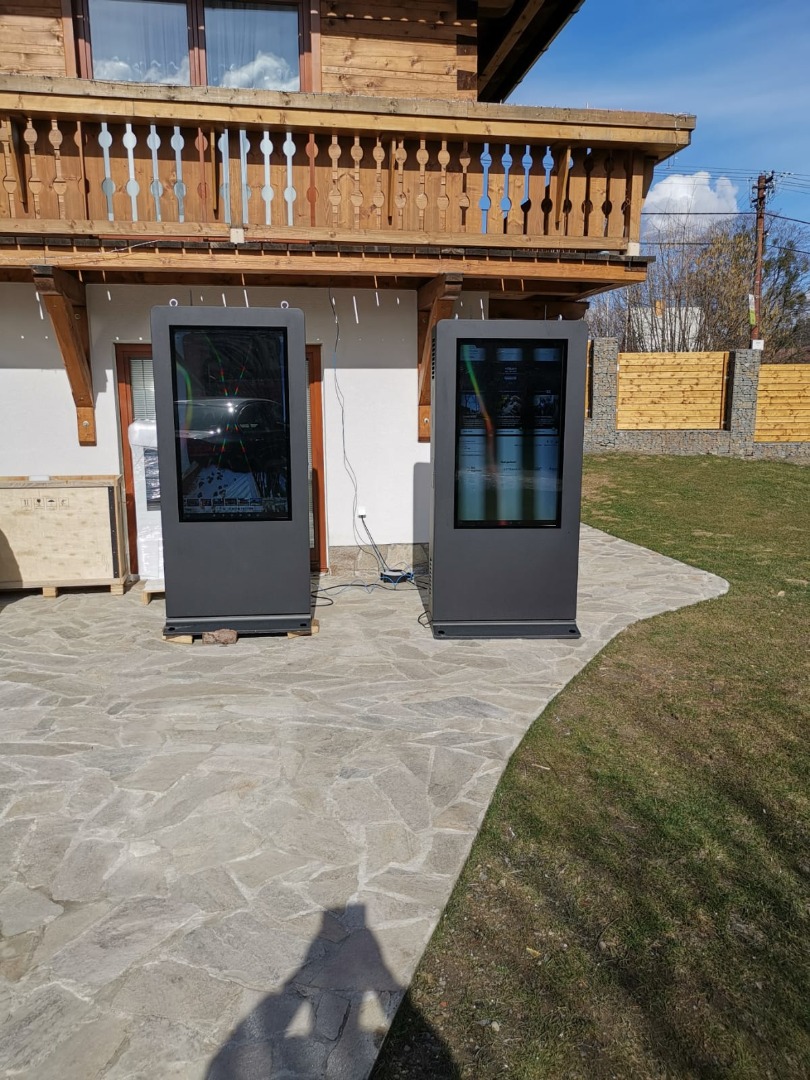
You might wonder why outdoor signage got dark under sun. Sunlight brings intense UV rays that break down pigments and damage materials. Heat speeds up this process, making signs lose their brightness. Moisture, dust, and pollutants also play a role. Sometimes, signs face corrosion from humidity or airborne contaminants. These factors combine to cause fading, dark spots, or dull colors. If you want your sign to stay vibrant, you need to know what causes these changes and how to tackle them.
Key Takeaways
UV rays cause outdoor signs to fade. Use UV-resistant inks and coatings to keep colors vibrant.
Heat and weather can damage signs. Place them in shaded areas to reduce exposure and extend their life.
Regular cleaning prevents dirt buildup and keeps signs looking fresh. Clean your sign at least once a month.
Choose high-quality materials for your signs. Cast vinyl and treated wood last longer and resist fading.
Inspect your signs regularly for damage. Early repairs can save money and keep your signage effective.
Causes of Outdoor Signage Darkening
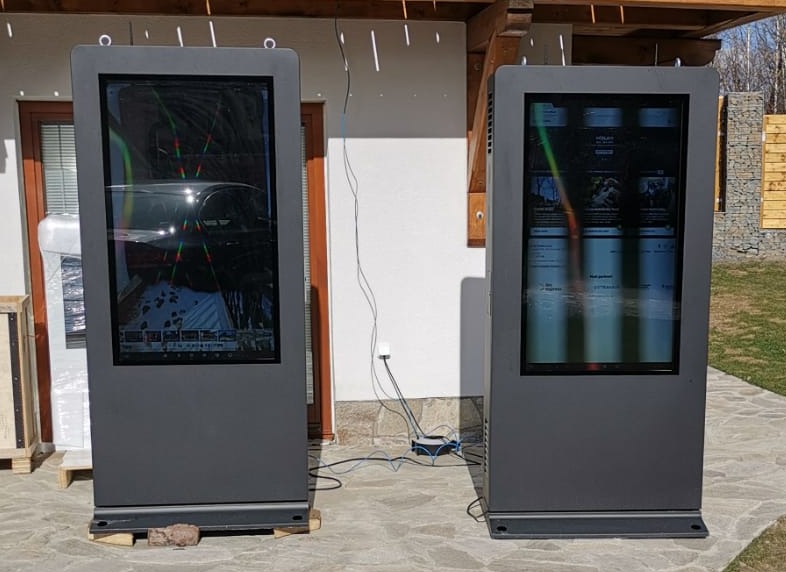
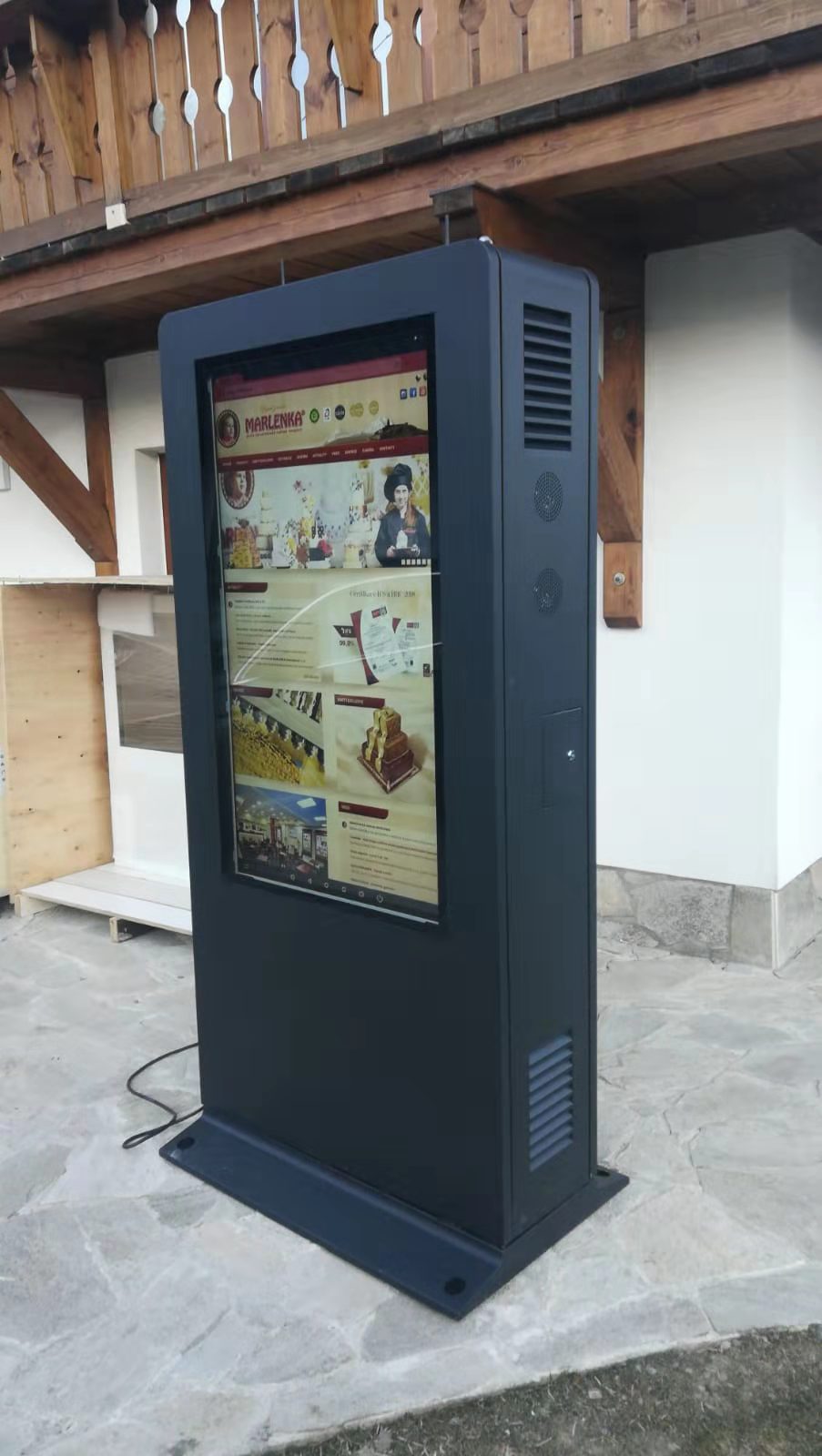
Normal display outdoor should like following:
UV Rays and Pigment Breakdown
The sun is very strong. When a sign sits outside, UV rays hit it. These rays break the colors in the sign. The colors start to fade and look dull. Bright reds and blues lose color faster than light colors. UV rays have a lot of energy. They make tiny particles called free radicals. These particles hurt the color even more.
Lightfast materials do not lose color quickly. They stay bright even in strong sunlight.
UV rays change the color molecules in the sign.
Pigment bonds break, so colors bleach or change.
More sun means the sign fades faster.
You may see faded safety cones or signs after summer. That is UV damage. Cheap vinyl can fade in one year. Good laminated vinyl can last five years with care.
Heat and Weather Effects
Heat does more than make people hot. It also hurts outdoor signs. When the sun heats a sign, it can bend, peel, or crack. Heat and UV rays together cause more damage. Some signs bubble or come off their backing. This happens because heat makes the sign grow and shrink. Over time, this makes the sign weak.
Lots of heat can ruin the shape and color of signs. Heat and UV rays together make signs peel and fall apart faster.
Weather changes matter too. Rain, snow, and cold can break the sign’s coating. Water gets into small cracks and makes them bigger. Fast weather changes make the sign grow and shrink. This can cause fading, cracks, or broken pieces.
Many things like sun, rain, and temperature changes affect signs. If you want your sign to last, think about both sun and weather.
Material Quality Issues
Not all signs are the same. The material you pick matters a lot. Some signs fade or get dark faster in the sun. For example, single-layer glass bead signs lose shine and get cloudy in sunlight. Multi-layer sheetings can peel or lose color if layers come apart. Dark colors like black or deep blue fade faster than light ones.
Material Type | What Happens Under Sunlight? |
|---|---|
Single-layer glass bead | Loses shine, gets cloudy |
Multi-layer sheetings | Can peel or come apart, lose color |
Dark colors (black, red) | Fade faster, harder to see |
If your sign does not block UV rays, it gets damaged faster. Dyes and pigments soak up UV energy, so colors get lighter or change. The sign’s plastic can crack or break. Sometimes, the surface turns yellow or dark as chemicals change.
Tip: UV-resistant inks and weather-proof materials help signs last longer and look better.
Picking good materials and adding UV protection saves money. It keeps your outdoor sign looking nice for a long time.
Sun Exposure and Sign Materials
Vinyl and Plastic Signs
You see vinyl and plastic signs everywhere. They look bright at first, but the sun can change that fast. UV rays break down the pigments, making colors fade or turn dull. Some plastics, like polypropylene (PP), hold up better than others. Check out this table to see how different plastics react to sunlight:
Material | Initial CI | CI after 6 months (dry UV) | CI in seawater (UV) | CI in deionized water (UV) |
|---|---|---|---|---|
PP | 0.010 | 0.69 | 0.48 | 0.12 |
EPS | Higher CI | Higher than PP | Higher than PP | Higher than PP |
If you pick high-quality vinyl, you get more years out of your outdoor signage. Laminated vinyl can last up to five years. Cast vinyl sticks around for ten years or more. Lower-quality vinyl fades in a year. UV stabilizers and protective coatings help signs stay bright.
Tip: Choose cast vinyl or specialty vinyls for long-lasting signs. Use UV-resistant coatings to fight fading.
Metal and Painted Signs
Metal signs stand up to weather, but paint can still fade. Sunlight breaks down the resin in paint, leaving a chalky residue. This chalking means the surface is degrading. The longer your sign sits in the sun, the more it fades. Paint quality and color matter. Dark colors fade faster. Acrylic latex and silicone paints resist yellowing and cracking. Elastomeric paints stretch and cover cracks, keeping signs looking good.
Acrylic latex paints: Flexible, resist yellowing.
Silicone paints: Reflect heat, repel water.
Elastomeric paints: Thick, cover cracks.
Painted metal signs need regular checks. If you see chalking or color loss, it’s time for a touch-up.
Wood and Natural Materials
Wood signs give a classic look, but the sun can turn them gray and rough. UV rays break down lignin, a natural part of wood. Untreated wood fades and weathers in just a couple of years. You can protect wood signs with varnish, lacquer, or polyurethane. Here’s a quick guide:
Treatment | Description |
|---|---|
Varnish | Seals wood fibers, protects against UV and water. |
Lacquer | Hard shell, durable; not for soft woods. |
Polyurethane | Lasts long, may crack in heat. |
Shellac | Natural, average sunlight resistance. |
Waxes/Oils | Look nice, need regular upkeep. |
Note: Keep wood signs out of direct sunlight when possible. Use sealants and check them often.
You can make your outdoor signage last longer by picking the right materials and using protective treatments.
Preventing Outdoor Signage Fading
Use UV-Resistant Inks and Coatings
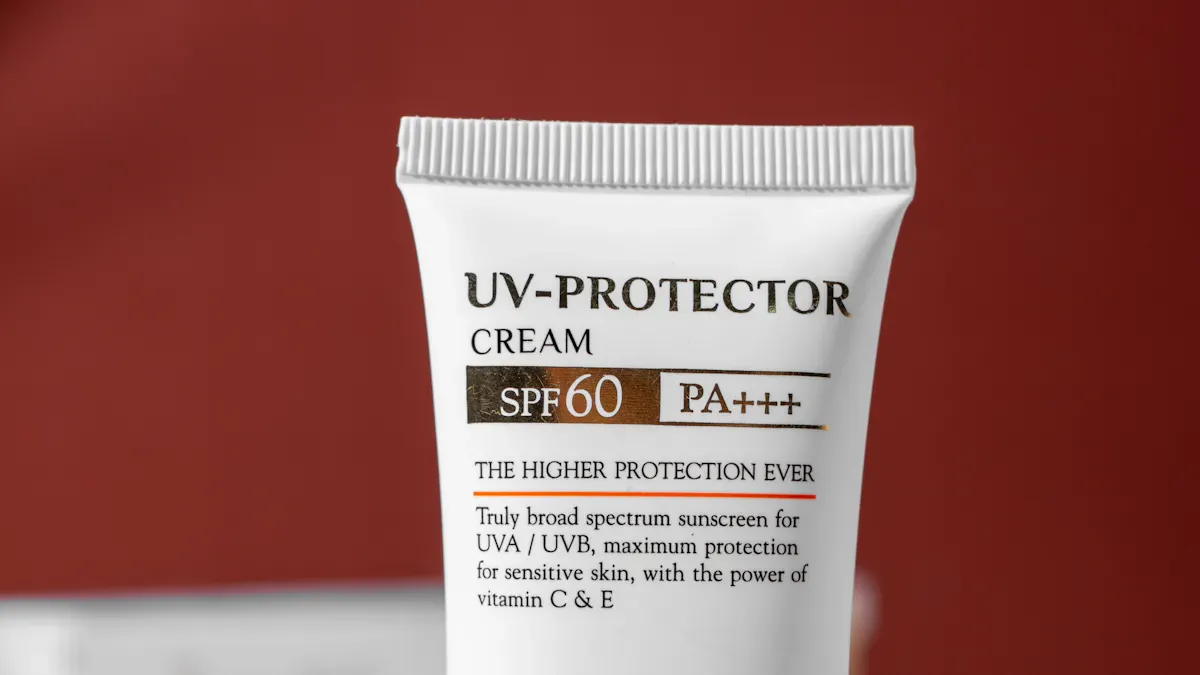
You want your sign to stay bright and clear for years. UV-resistant inks and coatings help you do that. These special products block harmful rays from the sun. They keep colors vibrant and prevent fading. Modern UV-protective coatings do not yellow or crack. You can use them on vinyl, metal, wood, or plastic signs.
UV-protective clear coatings boost color vibrancy.
They extend fade resistance and keep signs looking fresh.
Even durable woods need protective coatings to fight UV rays.
Check out this table to see how UV-resistant coatings compare to standard materials:
Material Type | Lifespan (Years) | Notes |
|---|---|---|
UV-resistant coatings | 5 to 10+ | Lasts longer under proper conditions. |
Standard materials | < 1 | Fades much quicker, especially lower quality options. |
If you use high-quality vinyl with UV protection, your outdoor signage can last between three and five years. Cast vinyl and specialty coatings push that lifespan even higher. Spar urethane works best in shaded areas, but it still needs protection from direct sunlight.
Tip: Choose UV-resistant inks and coatings for every sign. You will save money and keep your message clear.
Strategic Placement and Shading
Where you put your sign matters as much as what it is made of. Sunlight hits some spots harder than others. If you place your sign in a shaded area, you reduce fading. You can use awnings, building overhangs, or even trees to block direct UV rays.
Install signs in shaded areas or use awnings to cut down on UV exposure.
Angle signs away from direct sunlight, especially from the west.
Use sheltered spots or natural shade from plants to protect your sign.
You can also add shade structures like canopies or umbrellas. Pick materials with high UV blocking rates for these covers. Make sure you check shade patterns throughout the day. Sometimes, the sun shifts and leaves your sign exposed. Regular maintenance on shade structures keeps them working well.
Note: Strategic placement and shading can double the life of your sign. You protect your investment and keep your sign looking sharp.
Regular Cleaning and Maintenance
Dirt, dust, and grime make signs look dull. If you clean your sign often, you keep it bright and easy to read. Regular cleaning removes buildup that can cause dark spots or stains. You should log the cleaning date, products used, and any surface issues you find.
Clean your sign once a month to catch early buildup.
Apply carnauba-based wax every six months for UV protection and less dirt adhesion.
Schedule extra cleanings in coastal, dusty, or industrial areas.
Review all sign locations at least once a year so you do not miss any panels.
Trim plants and redirect sprinklers to prevent moisture damage.
Wipe surfaces after big storms to stop permanent stains.
Consistent cleaning helps your outdoor signage stay bright and professional. It extends the lifespan and keeps your message clear. If you prepare your sign before summer with waxing, you get extra protection against UV rays.
Tip: Regular cleaning is essential. It keeps your sign visible and prevents fading or darkening.
By using UV-resistant inks and coatings, placing signs in shaded spots, and keeping up with cleaning, you protect your outdoor signage from fading. These steps help your sign stay vibrant and readable for years.
Repair or Replace Signs
Signs of Irreversible Damage
Sometimes, your sign looks so worn that cleaning or touch-ups won’t help. You might see deep cracks, peeling layers, or colors that have turned almost black. If the surface feels rough or chalky, that’s a sign the material has broken down. Water stains, mold, or rust can also mean the damage is permanent. When letters become unreadable or the sign loses its shape, you know it’s time to take action.
Tip: If you notice faded graphics, missing pieces, or bubbling, your sign probably needs more than a quick fix.
Repair Options
You can fix minor issues and keep your sign looking good. Try repainting faded areas or applying a fresh UV-resistant coating. For vinyl signs, you might replace just the damaged section. If you see small cracks, patch them with sealant. Regular maintenance helps you catch problems early. Here’s a quick list of repair ideas:
Repaint faded spots with weatherproof paint.
Add a new protective laminate or clear coat.
Patch cracks or holes with sealant.
Replace damaged panels or letters.
🛠️ Repairs work best when the damage is small. If you act fast, you can extend your sign’s life and save money.
When Replacement Is Needed
Sometimes, repairs cost more than a new sign. If your sign has severe sun damage, replacement brings big benefits. You get better visibility, improved energy efficiency, and your sign meets current regulations. A new sign can attract more customers and boost your brand’s image. While repairs seem cheaper at first, they add up over time. Replacing your sign is often the smarter choice for your budget.
Repair Cost | Replacement Cost | Long-Term Benefit |
|---|---|---|
Adds up | One-time | Saves money |
Note: When your sign looks tired and repairs don’t help, replacement gives you a fresh start and lasting results.
Outdoor signage gets dark mostly because of UV rays, heat, and weak materials. You can keep your signs looking sharp by using UV-resistant coatings, cleaning them often, and checking for damage. Regular maintenance stops fading and helps your business look professional. Try these steps:
Clean signs weekly and inspect them every month.
Use protective wax and trim plants nearby.
Upgrade old signs when needed.
A little care goes a long way in keeping your message bright and clear! 🌞
FAQ
Why does my outdoor sign turn dark or faded so quickly?
Sunlight hits your sign every day. UV rays break down the colors and materials. Heat speeds up the damage. If you use low-quality materials, your sign fades faster.
What can I do to protect my sign from sun damage?
You can use UV-resistant inks and coatings. Place your sign in a shaded spot. Clean it often. These steps help your sign stay bright and readable.
How often should I clean my outdoor signage?
You should clean your sign once a month. If your area gets lots of dust or rain, clean it more often. Regular cleaning keeps your sign looking fresh.
Can I fix a faded sign, or do I need a new one?
You can repaint or add a new coating if the damage is small. If your sign has deep cracks or missing parts, you should replace it for best results.
Which materials last longest outside?
Cast vinyl, metal with UV-resistant paint, and treated wood last longer. Signs with UV protection stay bright for years. Always check for quality before you buy.
See Also
Discovering The Ideal Outdoor Digital Signage Option For You
Understanding The Functionality Of Outdoor Digital Signage Today
The Benefits Of Outdoor Digital Signage For Business Visibility
Selecting The Most Effective Outdoor Digital Signage For You
An Easy Guide To Choosing And Installing Outdoor Digital Signage
