Tracing the Origins and Growth of POV in Media and Language
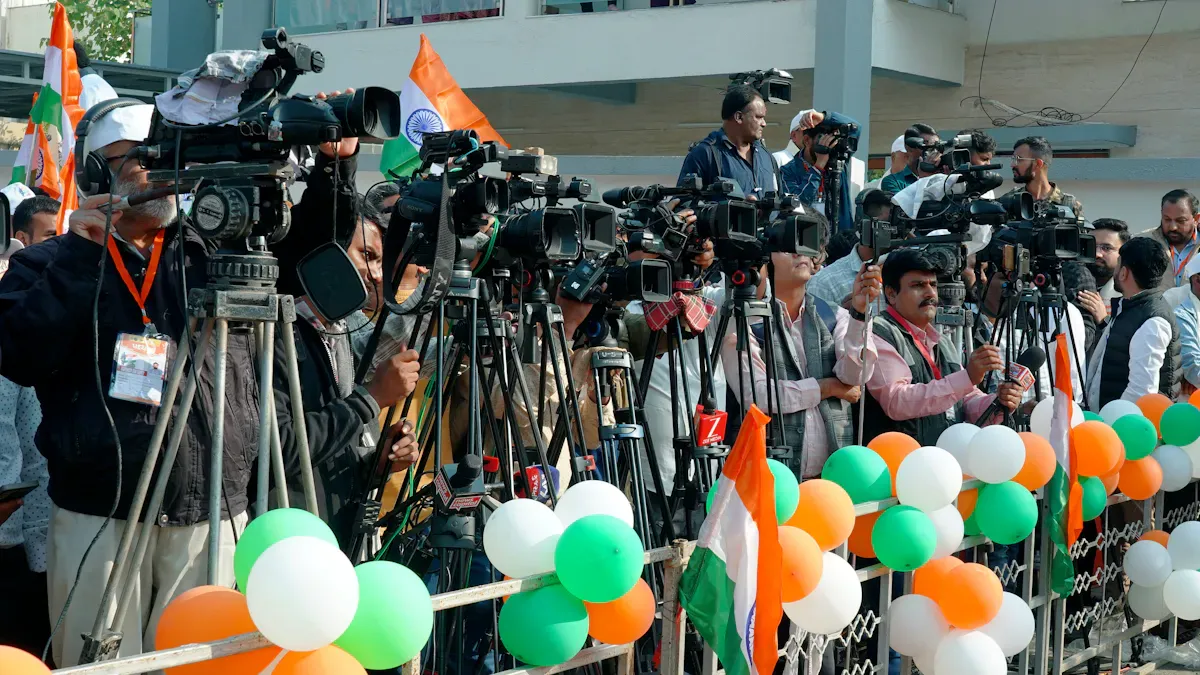
POV means point of view. It is very important in storytelling. It decides how people see what happens, who is in the story, and where it takes place. In language and media, point of view changes how a story is told. It also helps guide how the audience feels. Studies show that different points of view, like first-person or third-person, make special emotional connections. They can also change how a story feels. When a story is told in a personal way, people feel more and pay more attention. In movies, the camera’s angle can change what the whole story means. The history of POV shows it has been part of language and culture for a long time. Think about times when a story’s point of view changed how you felt or what you understood.
Shenzhen TopAdkiosk Display Technology Co., Ltd.
Add.: 2F, Bldg 10, Changfeng Industrial Park, Dongkeng, Fenghuang, Guangming, Shenzhen, China 518132
Mobile/WHATSAPP: 86-138 25769658
Email: marketing@topadkiosk.com topadkiosk@gmail.com
Skype: pghenry1
Wechat: adkioskhenry
English Web.: http://www.topadkiosk.com/
https://www.topkioskdisplay.com/
http://www.ad-kiosk.com/
https://www.toplcddisplay.com/
http://www.multitouchdigitalsignage.com/
https://www.youtube.com/channel/UCYVYNJHxLVEcQD8fuUxXNTA/videos?view_as=subscriber
https://www.facebook.com/TOPADKIOSKSHENZHEN/?ref=bookmarks
Key Takeaways
Point of view (POV) affects how stories are told. It also changes how people feel about the story. Knowing about POV helps you tell better stories.
Different narrative styles, like first-person and third-person, make different feelings. Try using these styles to get your readers interested.
In film, camera angles and editing change how people see a story. Watch these things to learn more about telling stories with pictures.
Social media has made POV a way to show who you are. Use apps like TikTok to tell your stories and meet new people.
New technology like virtual reality and AI is changing stories. Learn about these new things to make your creative work better.
Early POV Concepts
Origins in Oral and Written Traditions
The idea of point of view started before books or movies. Long ago, people told stories by talking to each other. Storytellers often knew everything about the story and the people in it. This is called omniscient narration. It helped people understand the whole story, not just one person’s side. Telling stories out loud helped people learn about life, art, and culture.
When people began to write, they used the same ways to tell stories. Old writings often had a narrator who explained what happened and why. This made it easier for readers to follow and learn from the story. The subjective viewpoint became important because it showed events through someone else’s eyes. This made stories feel more personal and emotional. Over time, writers tried new ways to tell stories. They used different perspectives to make their stories more interesting.
Note: In early cultures, storytelling was not only for fun. It helped people remember history, share beliefs, and teach important lessons.
First Use in English Literature
As writing changed, English literature showed new ways to use point of view. Writers started using first person, where a character says “I” to tell the story. This made stories feel real and close to the reader. Second person, which uses “you,” came later and made readers feel like they were in the story. Deep third person mixed what a narrator knows with what a character feels. This style became popular in modern books.
Here is a table that shows when different perspectives appeared in literature:
Perspective Type | Description | Historical Context |
|---|---|---|
Omniscient Narration | A storyteller who knows everything about the characters and events. | Used a lot in early stories, starting with oral traditions. |
First Person | Narration from the perspective of a character within the story. | Seen in early novels like Petronius’ Satyricon (1st century CE), but not common at first. |
Second Person | Directly addresses the reader as 'you'. | Showed up later, with examples like La Morte (1666). |
Deep Third Person | Combines elements of omniscience and first-person insight. | Became popular in modern books, making up almost 70% of major novel award winners recently. |
These new ways to tell stories changed how people understood them. Writers could pick the best way to share their ideas. This choice changed how readers felt and what they learned. Using different perspectives also changed other media, like movies. As technology grew, new ways to show point of view appeared in art and stories. Film history shows how these ideas moved from books to movies. Today, POV is important in books, movies, and even on digital platforms.
Point of View in Literature
Narrative Perspectives Through History
Writers always try new ways to tell stories. Point of view helps readers connect with characters and events. Early novels used an omniscient narrator who knew everything. This let readers see many sides at the same time. Later, authors used more focused perspectives. First person style became popular. A character tells the story in first person. This creates a strong, subjective viewpoint. Readers feel closer to the narrator’s thoughts and feelings.
Different narrative styles have appeared over time. Some stories use letters or diary entries. This is called the epistolary format. It shows many viewpoints. Other stories use third person limited. This focuses on one character at a time. These changes made literature more personal and interesting. Today, teachers use many texts and media. They help students learn how point of view works. Teachers encourage students to think about language and storytelling. This shapes what we learn from a story.
Tip: Talking about different perspectives in class helps students think deeply. It also helps them understand social issues.
Narrative Perspective | Example Works | Historical Context |
|---|---|---|
Omniscient Narrator | Tom Jones (1749), Cecilia (1780) | Used in early novels, gave insights into many characters. |
Deep Third-Person Perspective | Sense and Sensibility (1811) | Became popular as readers wanted focused perspectives. |
Epistolary Format | Pamela, or Virtue Rewarded (1740) | Used letters to show many viewpoints. |
Key Literary Milestones
Literary history has important moments that changed storytelling. First person perspective made stories feel real and personal. As technology grew, new techniques appeared in books and film. Film history shows how movies used ideas from literature. Camera angles create a subjective viewpoint. This link between art forms shaped modern storytelling.
Writers and filmmakers face challenges with new perspectives. They worry about how people will react. They also wonder if their work feels real. Critics look at how well a story balances voices. They study how themes are developed. They check if the story allows for many meanings. These things help decide if a work is special in literature and media.
First person: A character tells the story from their viewpoint.
Second person: The reader is part of the story as a character.
Third person limited: Focuses on one character’s thoughts at a time.
Third person omniscient: The narrator knows everything about all characters.
The study of point of view keeps growing. New media and technology change how stories are told. Understanding these changes helps readers and viewers enjoy storytelling in books, movies, and other creative fields.
POV in Film and Visual Media
Cinematic Techniques and Innovations
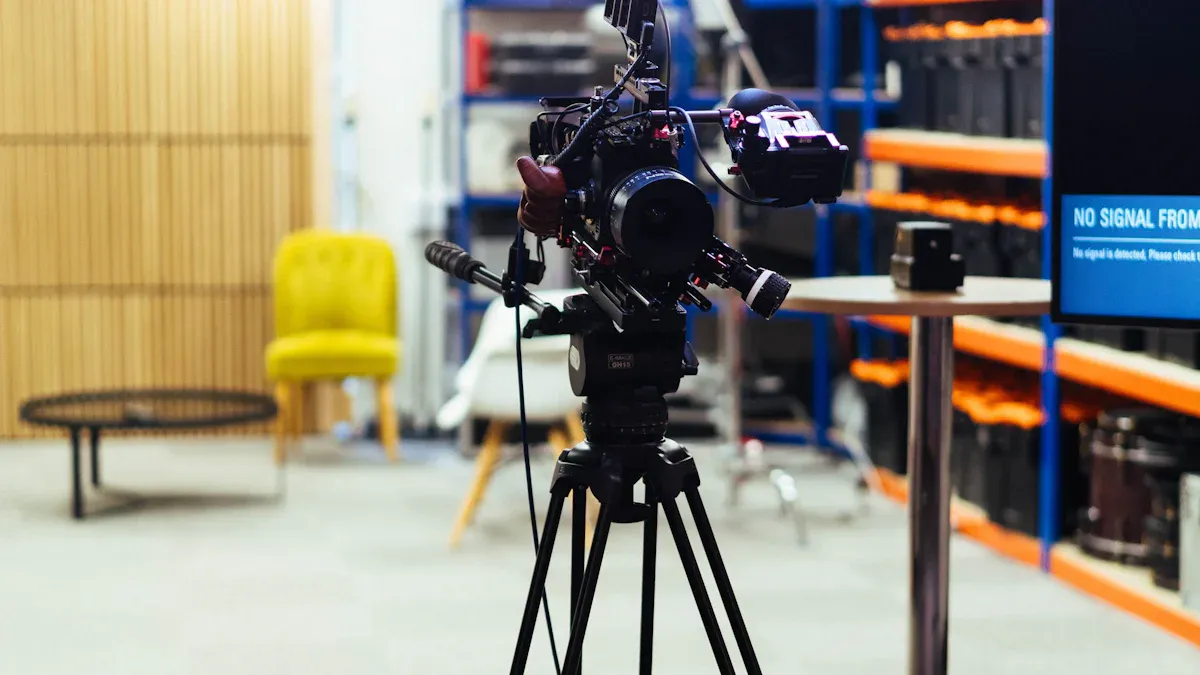
Film history shows point of view is very important. Early filmmakers wanted viewers to feel part of the story. They tried new ways to show what a character saw or felt. This made the audience feel closer to the action. Directors used camera angles and editing to guide what people saw. Sergei Eisenstein used fast editing in "Battleship Potemkin" to make scenes exciting and share ideas. Dziga Vertov’s "Man with a Movie Camera" used creative shots to show busy city life. Germaine Dulac and Dimitri Kirsanoff used special camera angles and editing to show feelings and thoughts. These choices helped make film stories stronger and more interesting.
Note: By the 1920s, filmmakers used parallel editing and flashbacks. These tools helped them tell harder stories and show many points of view.
Here is a table with some important films and directors who changed how stories are told in movies:
Film/Director | Year | Contribution to POV Techniques |
|---|---|---|
Abel Gance | 1927 | Used POV in "Napoleon" by wrapping the camera, creating a strong first-person film experience. |
Robert Montgomery | 1947 | "Lady in the Lake" used first-person perspective for the entire film, immersing viewers in the story. |
Delmer Daves | 1947 | "Dark Passage" featured extended pov shots to increase mystery and danger. |
Alfred Hitchcock | Various | Used POV shots to switch between characters, building suspense and tension. |
Kathryn Bigelow | 1995 | "Strange Days" showed memories from the character’s perspective, pushing the limits of film technology. |
Gasper Noe | 2009 | "Enter the Void" used unique POV to show a character’s experiences and hallucinations. |
Filmmakers also made shot-reverse-shot to help people follow talks. Parallel editing let them show things happening at the same time. Subjective camera tricks, like dream scenes, let viewers see inside a character’s mind. These new ideas became part of how movies tell stories.
Technology has always changed how filmmakers use point of view. Sound films in 1927 gave new ways to use sound and talking. Color made movies look brighter and more real. Digital cameras brought more effects and cool worlds. These changes let filmmakers make new kinds of stories and art.
Influence of Cultural Movements
Cultural movements have changed how point of view is used in film. Black, Latinx, and queer ball culture brought new stories to movies. The ballroom scene and voguing made LGBTQ+ stories more real in films. Directors like Gregg Araki and Pedro Almodóvar used film to talk about identity and sexuality. Their movies helped queer stories get noticed.
LGBTQ+ performances often fight against unfair treatment. They help people see those who were not shown before. These stories use a personal view to show life through new eyes. This helps audiences understand different lives and points of view.
Tip: Watching movies from other cultures helps you see new ideas. It also teaches you about film history and language.
Cultural movements made film stories richer and more varied. They changed how stories are told and shaped film history. Today, filmmakers use new tricks and technology to share special points of view. This keeps movie stories fun and new for everyone.
POV in the Digital Age
Social Media and Memes
POV has changed a lot in the last few years. On social media, people use POV to tell stories from their own view. This is very popular on TikTok. People make short videos that show life through someone else’s eyes. These videos are funny or show real moments to connect with others. The letters POV are now used a lot online. It started as a word for books but is now in memes and trends. People use it to share jokes, ideas, and art. This change shows how language and technology shape stories together.
Some common ways people use POV on social media are:
Videos that show what someone does in a day.
Short skits that use first person to pull viewers in.
Memes that use humor from a certain point of view.
Note: POV content helps people feel close to the creator. It also makes stories more personal and simple to follow.
Interactive Media and Video Games
Technology has changed how we enjoy stories. In interactive media, people can make choices that change the story. Video games use POV in new ways. First person adventure games let players see through the character’s eyes. This makes the game feel real and fun. Many games use tricks from movies to tell strong stories. Both film and video games show how POV has grown. Game makers use sound, pictures, and words to build cool worlds. These things help players feel like they are inside the game.
Today, POV is very important in digital stories. It links art, media, and technology. As new platforms come out, how people use POV will keep changing. This proves that point of view matters in film, language, and stories.
Impact and Future of POV
Storytelling and Audience Engagement
Point of view affects how people connect with stories. When writers use first person, readers feel closer to characters. This choice changes how near the narrator is to the audience. In movies, directors pick camera angles and editing to guide what viewers see and feel. These choices help people see things from different perspectives. Today’s media uses POV to help audiences relate to characters and events. This makes stories more interesting. Social media and digital platforms use POV to make content personal and creative. Film history shows that new narrative styles change how people react to stories. In movies, new ways to show POV make films more emotional and memorable. The link between audience and story is important in art and language.
Note: Seeing through someone else’s eyes helps people understand different lives and experiences.
Emerging Trends
Technology is changing how POV works in stories. Virtual reality and augmented reality are used in many areas. For example:
Boeing uses AR glasses to show wiring diagrams and reduce mistakes.
Siemens uses VR for training, making learning safer and better.
Caterpillar uses AR for remote repairs, helping teams work together.
Interactive experiences are growing fast. BMW has virtual showrooms where customers can look at cars. ClassVR lets students learn with immersive lessons. By 2026, VR will be a common tool for training and design, not just games. Artificial intelligence is also shaping future pov films. AI can help create stories that fit what users like. This makes storytelling more personal and interactive. As AI gets easier to use, more people can make their own stories. These changes show that the future of POV in film and media will be more creative and diverse. New trends in narrative and technology will keep changing how stories are told and experienced.
Evidence | Description |
|---|---|
Chapter 4 | Quantum physics in fiction changes how identity and narrative work, showing new ways to use POV. |
Chapter 5 | Digital poetry uses active reading, reflecting new attitudes toward narrative perspective. |
The story of pov shows how stories, art, and language change. People used to tell stories out loud. Later, movies and books brought new ways to share them. Now, technology helps people tell stories in many ways. It also lets people from all over the world connect. Experts say digital tools can change culture. They can also help keep old traditions alive. Different groups use these tools in their own ways.
Key Insights | Description |
|---|---|
Technology as a catalyst | Digital tools change and keep cultural systems alive. |
Cultural homogenization | Global technology can make cultures more similar. |
Resistance and adaptation | Groups use technology to fit their own cultural goals. |
First person views and new platforms will keep changing stories. When you watch, read, or play, think about how pov changes what you feel.
FAQ
What does POV mean in storytelling?
POV means point of view. It tells us who is telling the story. It also shows how things are seen in the story. Writers and filmmakers use POV to help people understand characters. It helps us know what characters feel.
How has POV changed in digital media?
POV is now more interactive. Social media and games let people see stories in new ways. People use POV to share their own moments online. This helps them connect with others.
Why is POV important in movies?
POV helps guide what people see and feel in movies. Directors pick camera angles and editing to show a character’s view. This makes the audience feel closer to the story. It also helps them understand feelings in the movie.
Can POV affect how we understand language?
POV changes how messages are shared. It can change the tone, meaning, and feelings in writing and speech. Different points of view help people see ideas in new ways.
How will POV evolve in the future?
New technology like virtual reality and AI will make POV even more real. Stories will feel more personal and let people join in. Audiences will see and feel things in new ways.
See Also
Exploring Digital Signage Innovations Influencing 2026 Today
Trends in Outdoor Digital Signage Revolutionizing Urban Environments
Seven Key Technology Trends in Digital Signage Players for 2026
Emerging Transparent OLED Trends Defining Displays for 2025
Understanding Digital Signage and Its Importance in Today’s World
