How Indoor and Outdoor LED Displays Compare for Event Success
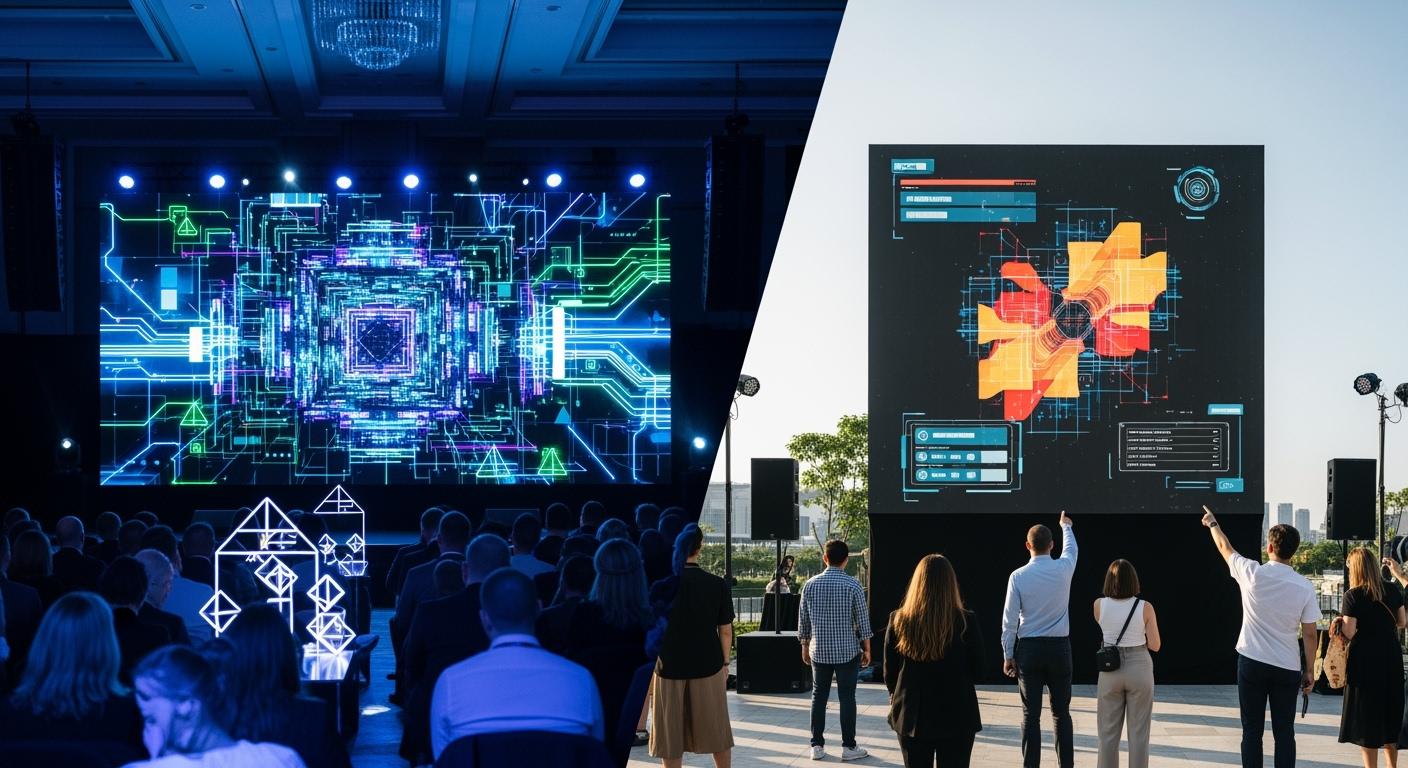
You want your event to stand out, but picking the right LED display can feel tricky. Should you go with indoor or outdoor? You need to think about where your audience will sit and what they expect. Indoor LED displays give clear images and comfortable viewing, which boosts attendee satisfaction. Outdoor LED displays need high brightness and strong durability to handle sunlight and weather, so your message stays visible and your guests stay engaged. This guide helps you make a smart, practical choice for your event.
Shenzhen TopAdkiosk Display Technology Co., Ltd.
Add.: 2F, Bldg 10, Changfeng Industrial Park, Dongkeng, Fenghuang, Guangming, Shenzhen, China 518132
Mobile/WHATSAPP: 86-138 25769658
Email: marketing@topadkiosk.com topadkiosk@gmail.com
Skype: pghenry1
Wechat: adkioskhenry
English Web.: http://www.topadkiosk.com/
https://www.topkioskdisplay.com/
http://www.ad-kiosk.com/
https://www.toplcddisplay.com/
http://www.multitouchdigitalsignage.com/
https://www.youtube.com/channel/UCYVYNJHxLVEcQD8fuUxXNTA/videos?view_as=subscriber
https://www.facebook.com/TOPADKIOSKSHENZHEN/?ref=bookmarks
Key Takeaways
Pick indoor LED displays for events where people are close. They show sharp images and bright colors. This helps the audience pay attention.
Use outdoor LED displays in places with lots of light. They are very bright, so people can see them in sunlight. Your message stays easy to read.
Think about how strong the screens are. Outdoor screens can handle bad weather. Indoor screens are made for good picture quality and easy care.
Look at your budget before you decide. Indoor displays usually cost less. They also need less fixing, so they save money.
Choose your display based on your event needs. Think about what you will show. Also, think about how far people will be from the screen. This helps you get the best results.
Indoor vs Outdoor LED Displays: Core Differences
LED displays help make your event special. You see them at concerts, sports, and festivals. These screens show pictures, videos, and messages. They grab attention and keep people interested. Indoor and outdoor LED displays work differently. Each one is best for certain places. Let’s look at the main things to help you choose.
Brightness and Visibility
Brightness is very important for LED displays. You want your screen to be easy to see. Indoor LED displays are bright, from 800 to 1500 nits. Outdoor LED displays are much brighter, from 5000 to 15000 nits. Here’s a table:
Type of Display | Brightness Range (nits) |
|---|---|
Indoor | 800 - 1500 |
Outdoor | 5000 - 15000 |
If your event is outside, you need a bright screen. This helps people see it in sunlight. Indoor events do not need as much brightness. LED screens work better than projectors or LCDs. They show clear images in any light.
Pixel Pitch and Resolution
Pixel pitch means how close the pixels are. This changes how sharp the picture looks. Indoor LED displays have smaller pixel pitch. This gives them higher resolution. Outdoor LED displays have bigger pixel pitch. People watch them from farther away. Here’s a table:
Display Type | Pixel Pitch | Resolution Priority |
|---|---|---|
Indoor | Tighter | Higher resolution for clarity |
Outdoor | Wider | Lower resolution for distance viewing |
Indoor screens need small pixel pitch for close-up viewing.
Outdoor screens can have bigger pixel pitch.
Small pixel pitch makes sharp images for indoor events.
Big pixel pitch works for outdoor events and saves money.
The closest you can stand matches the pixel pitch in millimeters.
Durability and Weather Resistance
Durability is important for LED displays. Outdoor LED displays face rain, dust, and sun. They use strong, weatherproof materials. They have waterproof seals and cooling systems. Here’s how outdoor screens stay strong:
They use tough, weatherproof materials.
They have seals to keep out water and dust.
They use cooling systems for hot and cold weather.
They have coatings to protect from weather and graffiti.
They need regular care to work well.
Indoor LED displays do not need as much protection. They work inside, so they focus on lasting a long time and showing good colors. Here are the IP ratings:
Type of Display | Typical IP Rating | Description |
|---|---|---|
Outdoor | IP65 (minimum) | Keeps out dust and water jets. Some can handle short time in water. |
Indoor | IP20/IP31 | Stops solids and light water drops. Good for inside use. |
Maintenance Needs
Maintenance keeps your LED display working well. Outdoor LED displays need more care. Weather and sun can cause problems. You check them often for broken pixels and brightness. Indoor LED displays need less checking. Here’s a table:
Maintenance Aspect | Outdoor LED Displays | Indoor LED Displays |
|---|---|---|
Environmental Challenges | Rain, humidity, UV, dust, temperature extremes. | Controlled environments, less exposure. |
Inspection Routines | Daily/weekly checks for pixels, brightness, structure. | Regular checks for color, less frequent. |
Cleaning Practices | Soft cloths, distilled water, avoid harsh chemicals; clean during cooler hours. | Similar cleaning, less exposure to contaminants. |
Thermal Management | Manage heat from sun and temperature swings. | Conditioned spaces, restricted airflow. |
Mechanical Durability | High impact resistance for wind, vibration, vandalism. | Designed for stable indoor environments. |
Long-term Performance Considerations | High uptime, sealing integrity, moisture prevention. | Stable color accuracy, low noise profile. |
Outdoor LED displays run all day and night. They face tough weather, so they cost more to care for. Indoor LED displays work 6-8 hours a day. They need less care and last longer.
Outdoor LED walls face rain, dust, and sun, so they cost more to fix.
Indoor displays need cleaning and tuning, but not as much work.
Cost Factors
Cost is a big part of your choice. Indoor and outdoor LED displays have different prices. Outdoor LED displays cost more. They need to be brighter, waterproof, and strong. Indoor LED displays cost less. They have lower brightness and smaller pixel pitch. Here’s a table:
Type of LED Display | Cost Range (Example) | Key Features |
|---|---|---|
Indoor | €6,000 – €60,000 | Lower brightness, finer pixel pitch, simpler structure |
Outdoor | €16,000 – €250,000+ | High brightness, waterproof, reinforced structure |
You pay more for outdoor LED displays. They must survive bad weather and work all day. Indoor LED displays save money and last longer. They are a good choice for many events.
Tip: Always pick an LED display that fits your event and audience. You get better results and value when you choose the right one.
When you compare indoor and outdoor LED displays, you see big differences. Think about your place, your guests, and your goals. You will find the best screen for your event. Your message will stand out.
Comparing Outdoor LED Displays: What Sets Them Apart
When you start comparing outdoor led displays to indoor options, you notice some big differences. Outdoor led displays shine in tough environments. They handle sunlight, rain, wind, and even snow. You want your message to stay clear and bright, no matter what the weather brings. Let’s look at what makes these displays stand out.
High Brightness for Sunlight
Outdoor led displays need high brightness and clarity to beat the sun. You want everyone to see your screen, even on the brightest day. Here’s a quick look at how bright these displays can get:
Brightness Level (cd/m²) | Description |
|---|---|
4,000 | P4/P5 standard |
10,000 | P2.97 upgraded version |
Most outdoor led displays reach up to 10,000 cd/m². This level of brightness means your content stays visible, even in direct sunlight. Other display types, like reflective or transflective screens, can work outside, but they do not match the high brightness and color of outdoor led displays.
Weatherproof Construction
You want your outdoor led displays to last through storms and heat. These screens use special weatherproofing to keep working, even when the weather gets rough. Here are some ways they stay strong:
Technology Type | Description |
|---|---|
Waterproofing Measures | Waterproof boxes and special paint keep water out. |
Structural Stability | Steel frames and tough materials fight wind and flying debris. |
Temperature Regulation | Fans and heaters help withstanding weather conditions like heat and cold. |
Impact Resistance | Tempered glass or polycarbonate shields stop hail and debris. |
Electrical Protection | Surge protectors and grounding keep the display safe during storms. |
Outdoor led displays are built for durability. They can last 8 to 11 years, even with daily weather exposure. If you take care of them, they can last even longer. These displays keep working through rain, snow, dust, and strong sun.
Long-Range Viewing
Outdoor events often have big crowds. You need screens that everyone can see from far away. Outdoor led displays use larger pixel pitches, so people can read messages from 5 to 30 meters away. Here’s a quick guide:
Typical Viewing Distance | Recommended Pixel Pitch | Required Brightness |
|---|---|---|
5–30 meters | P3.9–P4.8 | 4,500–5,000 cd/m² |
You get fast, clear images that stay sharp, even from a distance. Outdoor led displays focus on legibility, not just detail. They are made to handle withstanding weather conditions and keep your event running smoothly.
Tip: Outdoor led displays cost more and need more maintenance, but their durability and performance make them the best choice for outdoor events.
Indoor LED Displays: Strengths and Best Uses
High Resolution for Close Viewing
You want your audience to notice every detail. Indoor led displays show sharp and clear images. People sit close, so you need screens with fine pixel pitches like P0.9, P1.0, or P1.2. These screens show ultra-high definition visuals with almost no gaps. You see bright colors and crisp text that grab attention fast. Videos and animations keep everyone interested. You can use live polls or Q&A to make your event more fun.
Fine-pitch screens (P1.2 or less) are best for close viewing.
High-resolution images and bright colors make the experience exciting.
Dynamic and interactive content keeps your audience involved.
Sleek Design and Easy Maintenance
Indoor led displays look modern and fit in any venue. You can set them up in many shapes and sizes. Their modular design lets you change parts easily. This saves time and money. You can reach the screen from the front or back, so fixing it is simple. You do not need to worry about bad weather or dust. These displays stay reliable and keep their visual quality for years.
Modular panels make repairs fast and easy.
Front and rear access helps with setup and upkeep.
No need for weatherproofing, so maintenance is less often.
Ideal Event Environments
Indoor led displays work in many venues and event types. You can use them for conferences, product launches, festivals, or corporate meetings. They work well in bright rooms and create stunning visuals that match your event theme. You can change the setup to fit your space, whether you need a wide backdrop or smaller screens.
Event Type | |
|---|---|
Conferences | High audience engagement, clear communication, dynamic branding. |
Product Launches | Enhanced visual impact and interactivity for attendees. |
Festivals | Memorable experiences through stunning visuals and engagement. |
Corporate Events | Effective communication of schedules and branding opportunities. |
Indoor led displays offer flexible setups. You can connect panels in different ways, use custom frames, or mount them on stands. These screens help you create immersive experiences and boost the visual quality of your event. Your audience will remember the amazing visuals and the smooth flow of information.
Tip: Pick indoor led displays if you want high visual quality, easy maintenance, and a modern look for your event.
Event Success Factors with LED Displays
Audience Experience
You want your audience to have fun and feel involved. The right led display helps people pay attention and enjoy the event. Interactive screens let people touch, play games, and see cool content. This makes your event stand out. Indoor led displays show sharp images and clear words. People can sit close and see everything. Outdoor led displays are very bright, so everyone can see the screen even in sunlight. Adding interactive features can make people 45% more satisfied. Attendees stay longer at your booth and remember your message better. Here’s a quick look:
Feature | Impact on Experience |
|---|---|
Interactivity | More engagement, longer dwell time |
High brightness | Better visibility, even outdoors |
Sharp visuals | Higher satisfaction indoors |
You can use indoor or outdoor led displays to make your audience happy. Pick the right screen for your space and goals.
Venue and Environmental Fit
You need to choose a led display that matches your venue. Indoor and outdoor led displays work differently. Indoor screens focus on clear pictures and a nice look. Outdoor screens need to be tough and very bright. Outdoor led displays must handle rain, dust, and heat. They need a protection rating of IP65 or higher. Indoor led displays work best inside with a rating of IP43. Make sure you set up and take care of your screens the right way. This keeps them working well and stops problems.
Outdoor: Needs weatherproofing, high brightness, strong durability.
Indoor: Needs sharp visuals, easy maintenance, modern look.
Pick the display that fits your venue. You get better results and your event runs smoothly.
Budget and ROI
You want your money to be well spent. Indoor and outdoor led displays cost different amounts. Indoor led displays cost less to buy and use. Outdoor led displays cost more because they need to be strong and bright. Here’s a table:
Aspect | Indoor LED Displays | Outdoor LED Displays |
|---|---|---|
Initial Investment | Higher | |
Operational Costs | Lower | Higher |
Long-term Revenue | Good | Higher with more engagement |
Outdoor led displays can help you earn more because they bring bigger crowds and are easier to see. Indoor led displays work well and save money. Think about your event goals and your budget. Choose the display that gives you the best value.
Tip: Pick a led display that matches your venue, audience, and goals. You get better results, happier guests, and more value for your event.
Choosing the Right LED Display for Your Event
Assessing Your Venue
You need to look at your venue before picking a led display. Is your event inside or outside? Indoor spaces usually have steady lighting and less dust. Outdoor venues face sunlight, rain, and wind. You should check how far your audience sits from the screen. If people sit close, indoor led displays with fine pixel pitch work best. For outdoor events, you want a screen that stays bright and clear from far away. Think about how long you need the display. Will it be up for just one day or for weeks? Permanent outdoor led displays need extra durability.
Matching Display to Event Goals
Your event goals help you decide which led display fits. Do you want to show detailed videos or simple messages? Indoor led displays give you sharp images and vibrant colors for close viewing. Outdoor led displays shine when you need high brightness and weatherproofing. If you want interactive features, indoor screens make it easy. Outdoor screens work well for big crowds and long-range viewing. You should also think about your budget. Indoor screens cost less and need less maintenance. Outdoor screens cost more but last longer outside.
Practical Decision Guide
Here’s a simple guide to help you choose the right led display:
Is your event indoor or outdoor?
How long will you use the display?
How far will people sit from the screen?
What type of content will you show?
Check your budget:
Look at both short-term and long-term costs.
Assess the environment:
Indoor: Steady lighting, easy access.
Outdoor: Sunlight, rain, wind, dust.
Prioritize features:
Portability, UHD quality, durability.
Verify reliability:
Check for certifications and warranty.
Tip: You get the best results when you match your led display to your venue, goals, and budget. Take time to review your options and ask questions.
You can use this guide to make a smart choice for your next event. Your led display will help your message stand out and keep your audience engaged.
You’ve seen how indoor vs outdoor led displays offer unique strengths for your event. Indoor vs outdoor led displays differ in brightness, durability, and resolution. You need to match your led display to your venue and audience. Indoor vs outdoor led displays can change how people experience your event. Think about your goals before you choose. Indoor vs outdoor led displays help you create a memorable event. Use the practical decision guide to pick the best led display for your next event!
Ready to make your event shine? Start with the right indoor vs outdoor led displays.
FAQ
What’s the main difference between indoor and outdoor LED displays?
You see indoor LED displays in places like conference rooms. They show sharp images and need less brightness. Outdoor LED displays work in sunlight and rain. They use strong materials and high brightness to stay clear outside.
How do I choose the right LED display for my event?
You start by checking your venue. If your event is inside, pick an indoor LED display. For outdoor events, choose a weatherproof LED display with high brightness. Think about your audience and your budget.
Can I use an indoor LED display outside?
You shouldn’t use an indoor LED display outside. It can’t handle sunlight, rain, or dust. Outdoor LED displays have weatherproofing and stronger parts. You keep your screen safe and your message visible.
How long does an LED display last?
You get about 8 to 11 years from an outdoor LED display if you take care of it. Indoor LED displays last longer because they face less stress. Regular cleaning and checks help your screen stay bright.
Are LED displays easy to maintain?
You find indoor LED displays easier to maintain. They need simple cleaning and quick repairs. Outdoor LED displays need more care because of weather. You check them often to keep them working well.
See Also
Selecting Ideal Outdoor Digital Signage For Your Company
The Benefits Of Outdoor Digital Signage For Businesses
Understanding The Functionality Of Outdoor Digital Signage
