5 winning in taxi digital signage market plays for 2026
Shenzhen TopAdkiosk Display Technology Co., Ltd.
Add.: 2F, Bldg 10, Changfeng Industrial Park, Dongkeng, Fenghuang, Guangming, Shenzhen, China 518132
Mobile/WHATSAPP: 86-138 25769658
Email: marketing@topadkiosk.com topadkiosk@gmail.com
Skype: pghenry1
Wechat: adkioskhenry
English Web.: http://www.topadkiosk.com/
https://www.topkioskdisplay.com/
http://www.ad-kiosk.com/
https://www.toplcddisplay.com/
http://www.multitouchdigitalsignage.com/
https://www.youtube.com/channel/UCYVYNJHxLVEcQD8fuUxXNTA/videos?view_as=subscriber
https://www.facebook.com/TOPADKIOSKSHENZHEN/?ref=bookmarks

There are five main strategies to succeed in the taxi digital signage market in 2026. These include forming fleet partnerships, leveraging advanced data analytics, diversifying content and revenue streams, implementing scalable technology, and ensuring regulatory compliance. The in taxi digital signage market is projected to grow at a rate of 9.8% annually, with its value expected to reach approximately USD 1.82 billion in 2024 and nearly USD 3.28 billion by 2030. Emerging trends such as programmatic advertising and AI-powered targeting are enhancing campaign effectiveness in the in taxi digital signage market. By utilizing dynamic content, hyperlocal messaging, and building strong partnerships, you can increase revenue opportunities. To achieve success in the in taxi digital signage market, make sure your strategy aligns with your business objectives.
Key Takeaways
Make strong partnerships with fleets to reach more people and make ads work better. Work with operators in busy places to help more people see your ads.
Use data analytics to show ads to the right people. Use real-time data to change ads based on where the taxi is, the weather, and what riders like. This helps get more people interested.
Offer different kinds of content and ways to make money. Show a mix of ads, local deals, and special content to bring in many types of people and lower money risks.
Spend money on technology that can grow with your business. Pick energy-saving tools that let you update fast and help your business change when the market does.
Follow all rules and laws. Always get clear permission to collect data and be open about it to help riders trust you.
Fleet Partnerships in the In-Taxi Digital Signage Market

Why Fleet Partnerships Matter
You need good fleet partnerships to do well in this market. These partnerships let you use many cars. This helps you reach more people and advertisers. EnRouteViewMedia uses DigiStreamView to manage ads in fleets. This way, you can work on making more money and running your business better. Curb’s technology links different parts of the mobility chain. This helps you show ads based on where the taxi is and who is inside. When you connect driver dispatch, fleet management, and advertising, you can show the right ads to the right people. This helps your business grow and makes your ads work better.
Identifying Key Operators
To find the best partners, look for operators with big fleets in busy cities. Here are some steps you can take:
Use audience planning tools. These help you find fleets that reach your target group at the right time.
Make ads that fit the places where taxis drive. This makes your ads more interesting.
Start with a small campaign. Watch the results as they happen and change your plan if needed.
The advertising part of this market keeps growing. You can show ads based on location and see how well they do.
Partnership Implementation Tips
When you talk to a fleet operator, explain how your digital signage helps them make more money and give better service. Set clear goals for both sides. Use data to see how you are doing. Keep your technology simple and dependable. Listen to feedback and be ready to change your plan. These tips will help you build strong partnerships for the future.
Data Analytics for In-Taxi Digital Signage
Data-Driven Targeting
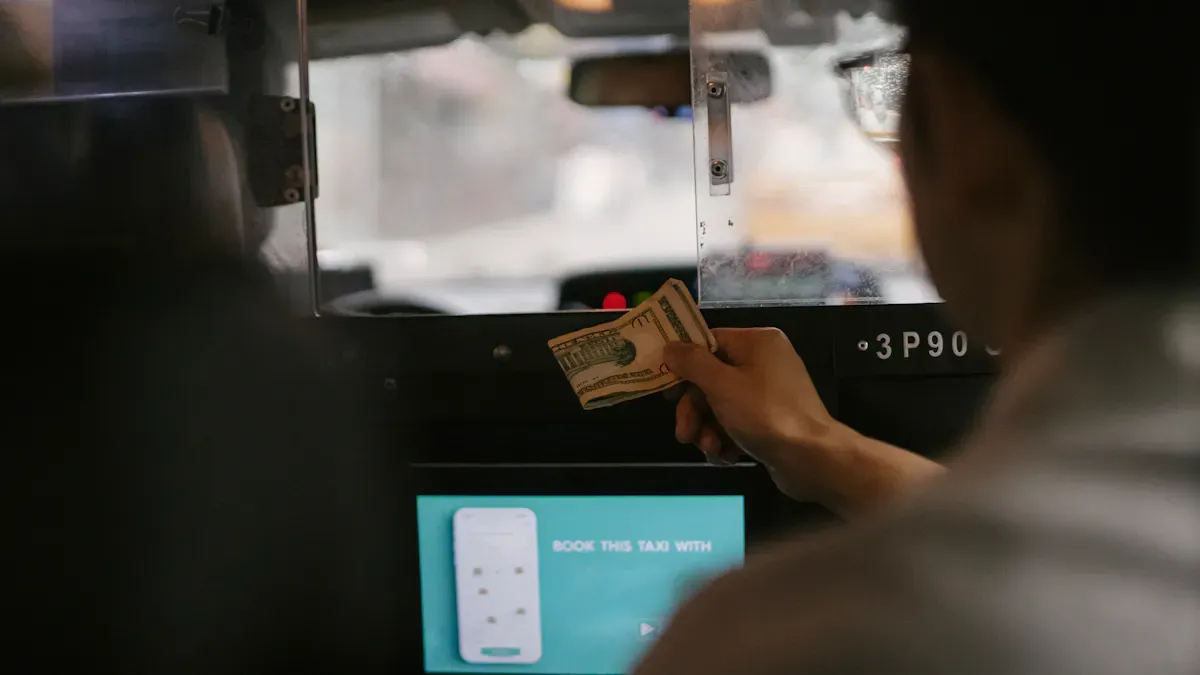
You can use data analytics to make your in-taxi digital signage smarter. Data-driven targeting uses AI and big data to look at real-time info. This helps you show ads that riders want to see. Old ways showed the same ad to everyone. Now, you can change ads for each rider, place, or even the weather. This makes ads more helpful and gets better results. In the in taxi digital signage market, this gives you an advantage for the future.
Analytics Tools and Platforms
Many tools help you track and improve your campaigns. GPS-enabled screens show ads based on where the taxi is. Some platforms let you change ads right away. You can use programmatic advertising to buy ad space fast. The table below lists features to look for in analytics tools:
Feature | Description |
|---|---|
GPS-enabled screens | Show ads based on where the taxi is driving. |
Dynamic content delivery | Change ads in real time for weather or events. |
Programmatic advertising | Buy ad space using digital tools that make the process fast and simple. |
Audience insights | Learn how people react to your ads and what they do after seeing them. |
These tools help you make better choices and get better results in the market.
Market Case Examples
You can see how data analytics works in real campaigns. Here are some examples:
InnovateTech wanted more people to notice their brand. They used digital screens in taxis to show bright ads and live updates. Riders paid more attention, asked questions, and shared on social media.
Firefly used GPS-enabled screens to target ads by location. This helped advertisers reach the right people at the right time.
You can use these ideas to make your own campaigns better. As the market grows, using data analytics will help you stay ahead and make smart choices.
Content and Revenue Diversification
Engaging Content Types
You can make riders pay more attention by showing helpful content. Many people like to see maps, news, and ride updates on screens. Some screens let riders answer polls or pay for things during the ride. Targeted advertising shows ads that fit each rider’s interests or where they are. When you use special content that cannot be skipped, you make the ride better and more fun.
Tip: Change your ads often so repeat riders see new things.
Monetization Models
There are many ways to make money from in-taxi screens. The most common way is DOOH advertising, where brands pay to show ads to riders. You can also work with local businesses that want to reach people in certain places. Some companies charge riders for special news or entertainment. The table below lists popular ways to earn money:
Monetization Model | Description |
|---|---|
DOOH Advertising | Brands pay to show ads to taxi passengers |
Local Partnerships | Local businesses promote offers or services |
Premium Content Fees | Passengers pay for special content or features |
Diversification Best Practices
Do not depend on just one way to earn money. Use different types of content and ways to make money to lower risk. Change your content when you get feedback or see new data. Work with both big brands and small businesses to reach more people. Watch for new trends like AI targeting and real-time updates. These steps help you keep up with what riders want and what the market needs.
Scalable Tech in the Digital Signage Market
Essential Tech Upgrades
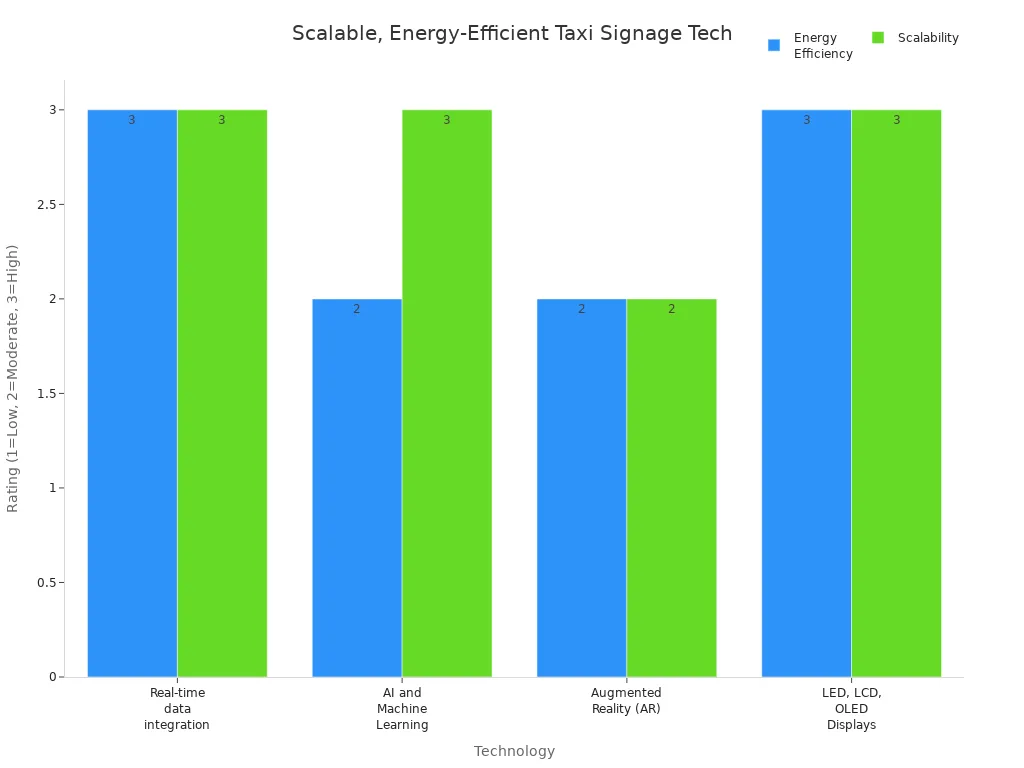
You need good technology to keep your in-taxi digital signage business strong. Tools that save energy and can grow with your business help you spend less and get bigger fast. In 2026, the best upgrades are real-time data integration, AI, and new displays like LED, LCD, and OLED. These tools let you change ads for different places and what riders like. They also make screens brighter and use less electricity. Augmented reality makes ads more fun and helps people remember brands. The table below shows how each technology does with saving energy and growing your business:
Technology | Benefits | Energy Efficiency | Scalability |
|---|---|---|---|
Real-time data integration | Updates content based on location and passenger preferences | High | High |
AI and Machine Learning | Adapts ads for better targeting and engagement | Moderate | High |
Augmented Reality (AR) | Makes ads interactive and memorable | Moderate | Moderate |
LED, LCD, OLED Displays | Bright, clear, and power-saving screens | High | High |
Cost-Benefit Analysis
Digital signage costs more at first than print ads. But you save money later because you can change screens from anywhere. You do not need to print new posters or go to taxis to swap ads. This makes it simple to grow your network and keep ads new. The table below shows how digital signage and old ways compare:
Aspect | Digital Signage | Traditional Methods |
|---|---|---|
Initial Investment | Higher upfront costs | Lower initial costs |
Maintenance | Remote management saves time and money | Needs regular physical updates |
Scalability | Easy to expand and upgrade | Hard to scale |
Long-term ROI | Higher due to lower running costs | Lower because of ongoing expenses |
Content Flexibility | Change ads in real time | Static, needs reprints |
Future-Proofing Investments
You want your technology to last a long time and stay useful. Pick systems with remote control and GPS. These let you change ads fast and show them to people in the right place. Add temperature controls to keep screens safe and save energy. Use smart tools like anti-theft and weatherproof features. Choose tech that works everywhere and gives you quick results. When you pick strong and flexible tools, your money is safe as things change. This helps you keep up with new ideas and stay ahead in the market.
Tip: Choose tech that lets you update ads anytime and reach more people. This keeps your business ready for what comes next.
Regulatory and Privacy Strategy for In-Taxi Digital Signage
2026 Key Regulations
By 2026, there will be new rules for digital signage in taxis. These rules tell you how to collect, keep, and use passenger data. Cities and countries want to keep people’s information safe. You must follow laws like GDPR in Europe and CCPA in California. Many places now say you must get clear permission before taking any personal data. You also have to explain how you use this data. As digital screens use more AI and location-based ads, you need to watch for new privacy laws. These changes affect how you build your systems and pick your partners.
Compliance Approaches
You can do some things to follow the rules and help riders trust you:
Always get clear permission before you take any data.
Show your privacy policy on every screen so it is easy to read.
Use safe systems to keep and use data.
Update your software often to fix any security problems.
Teach your team how to keep data safe and spot risks.
Note: If you use programmatic ads or AI targeting, make sure your partners follow privacy rules too.
A simple table can help you check your steps:
Compliance Step | Action Example |
|---|---|
Consent Collection | Pop-up asking for data permission |
Policy Display | Privacy notice on screen start-up |
Secure Storage | Encrypted cloud storage |
Staff Training | Monthly privacy workshops |
Risk Mitigation
You can lower privacy risks by teaching users about their rights and safe habits. Tell riders to read privacy notices and only use trusted apps. Make your privacy policy easy to find and simple to understand. Work with groups in your industry to make strong rules for everyone. This helps stop bad actions and makes people trust your service.
Tell them to only download apps from safe places.
Explain privacy policies clearly and always get clear permission.
Help set strong rules with others to keep user data safe.
If you follow these steps, you can keep up with new trends, protect your business, and give riders a safe experience in the fast-changing in-taxi digital signage market.
You now know five main ways to win in the in-taxi digital signage market. These are fleet partnerships, data analytics, content and revenue diversification, scalable tech, and regulatory compliance. Each one helps you handle new things like AI, smart cities, and more people living in cities. To do your best in this market, look at the table below for easy next steps:
Actionable Steps for Investors | Description |
|---|---|
Focus on Innovation | Put money into new tech and research to stay ahead. |
Form Strategic Partnerships | Team up with others to reach more riders. |
Emphasize Sustainability | Help green projects to get more users. |
Invest in Niche Segments | Aim for fast-growing areas to earn more. |
Leverage AI and Automation | Use smart tools to get people interested. |
Keep an open mind and keep learning new things. When you change with new rules and trends, you find more ways to grow and do well.
Emerging Trends in the In‑Taxi Digital Signage Market in 2026
The 2026 in‑taxi digital signage market is evolving from a simple advertising display into a mobile, intelligent, immersive information and interaction hub for cities. A notable sign is that taxis are moving from a single screen to a multi‑screen ecosystem – a "mobile surround network" comprising roof‑top screens, rear‑seat displays, and headrest screens – fully activating the medium's value.
Three core drivers are working together behind this shift:
Ride‑hailing ecosystem – Platforms like Uber and Didi generate hundreds of millions of daily interactions with passengers. These high‑frequency, fixed commuting routes offer unprecedented high‑value scenarios for precision marketing and ad targeting.
Smart city momentum – Smart city projects worldwide are increasingly using taxi screens as critical "city data interfaces" to publish real‑time information (weather, traffic) and even emergency alerts, giving them a public service role.
Full digital operations – Technology integrates previously fragmented, hard‑to‑manage advertising screens into city‑wide unified dispatch, real‑time content distribution, and route‑based targeting, turning in‑vehicle media into an efficient, controllable commercial resource.
Below are the four most noteworthy market trends in 2026.
Trend 1: Hardware Innovation – From Single Screen to a "Smart Surround Network"
Roof‑top LEDs – Evolving from static signage to dynamic, high‑definition full‑colour digital top screens. They are not only mobile visual focal points but have become key carriers for dynamic advertising and real‑time information.
Rear‑seat screens – Utilising the average 10‑20 minute ride time, interactivity (e.g., QR codes) creates high value for advertisers in terms of reach and conversion.
In‑vehicle transparent screens – An emerging technology. Transparent screens installed on taxi rear windows are almost invisible to the human eye. They don't obstruct driver vision while cleverly creating new advertising space, significantly increasing exposure area.
Trend 2: Software Enablement – Smart Management & Precision Targeting
Unified cloud management – Fleet operators can now remotely update content in real time, monitor device status, and collect playback data – fundamentally changing traditional in‑taxi ad operations.
Data‑driven precision targeting – Using GPS and real‑time route data, advertisers can target more effectively. For example, restaurant ads can be shown on vehicles near commercial districts during lunch hours, while travel ads can precisely target passengers heading to the airport – maximising ROI.
Programmatic advertising – In‑taxi screen inventory is being connected to programmatic platforms, turning ad space into a media resource that advertisers can bid on in real time, just like online ads.
Trend 3: Experience Upgrade – From "Silent Ads" to "Immersive Interaction"
Interactive entertainment & commerce – Some vehicles are equipped with touchscreens allowing passengers to select music, watch short videos, browse destination guides, or even directly make purchases via integrated e‑commerce.
Value‑added information services – Screen content has expanded beyond pure promotion to include real‑time traffic, weather, local travel recommendations – enhancing the ride experience and providing practical value.
5G & IoT support – The gradual rollout of 5G networks enables smooth streaming of high‑definition video and low‑latency interactive applications.
Trend 4: Monetisation – Advertising Revenue and Three‑Dimensional Commercial Spaces
New revenue streams – In‑vehicle screens are becoming a reliable new income source for taxi companies and ride‑hailing platforms, beyond just fares.
Brand "premium image" – Compared to ordinary static stickers, taxis equipped with smart digital screens are more likely to be associated with premium brands, tech products, and a modern image.
Cross‑region scaling – Professional digital media operators are expanding rapidly. For example, from March 2026, over 1,200 digital screens were deployed across 400 taxis in Las Vegas, creating significant scale effects.
These trends do not exist in isolation – they collectively point toward a future driven by technological innovation, centred on passenger experience, and underpinned by data operations. In‑taxi digital signage is no longer a passive information board but a bridge connecting cities, services, brands, and passengers – fundamentally transforming the way we travel and the urban information ecosystem.
FAQ
What are the main benefits of in-taxi digital signage?
You can reach riders with targeted ads and real-time updates. This creates new opportunities for brands and helps you earn more from each screen.
How do emerging trends affect investment strategies?
You see new trends like AI targeting and programmatic ads. These trends create growth opportunities and help you make smarter choices for your investments.
Is in-taxi digital signage expensive to set up?
You pay more at first for screens and tech. Over time, you save money because you can update ads remotely and reach more people without extra costs.
How do you keep rider data safe?
You must get clear permission before collecting data. Use secure storage and show your privacy policy on every screen. Teach your team about privacy rules.
What content works best for in-taxi screens?
You can use news, maps, polls, and local offers. Change your content often to keep riders interested and make your screens stand out.
See Also
Key Factors That Make Digital Signage Essential For Success
Popular Digital Signage Solutions Gaining Attention This Year
Seven Emerging Trends In Digital Signage Technology For 2026
