Outdoor signage made easy for your business
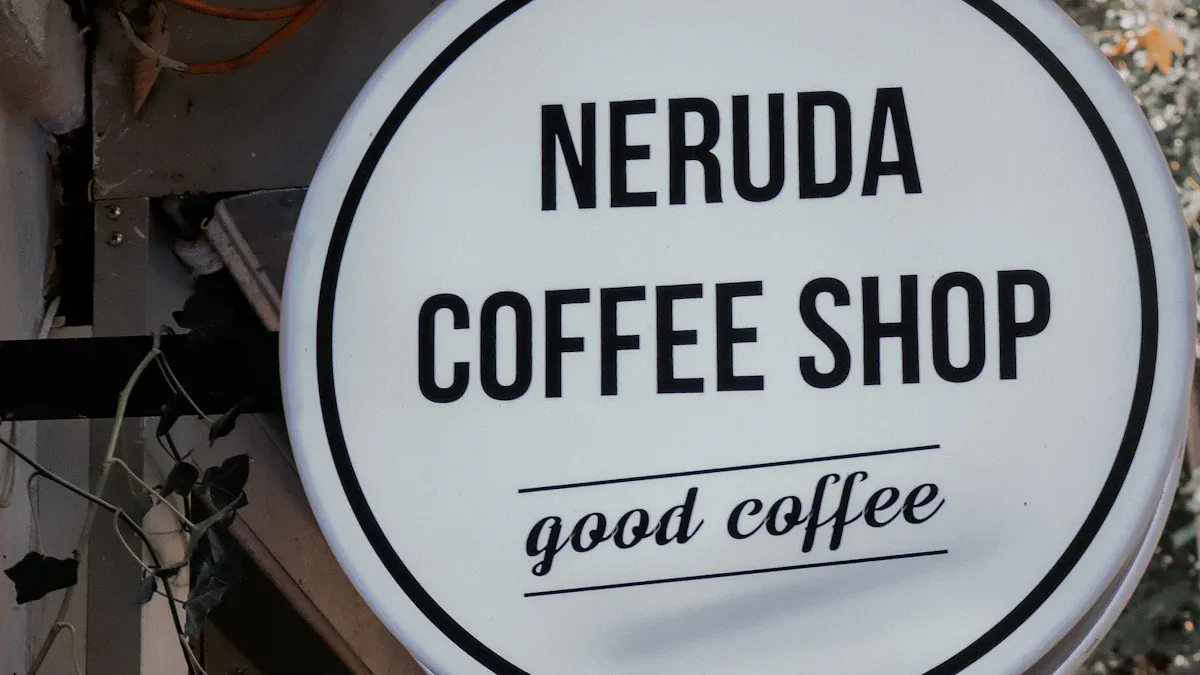
Have you ever wondered why some signs grab your attention while others fade into the background? Picking the best outdoor signage for your small business starts with knowing what you want your sign to do. You want people to notice your sign, walk into your business, and remember your brand. Studies show that nearly half of people feel drawn to a new place by eye-catching signs. Businesses with clear outdoor signs see up to 25% more foot traffic. Your sign can work hard for you, helping your business stand out and stay durable in any outdoor setting. Get ready for simple steps that make finding the right sign easy.
47% of people say attractive signs encourage them to visit a new place.
Each dollar spent on a sign can bring in $2 to $10 in sales.
Key Takeaways
Pick outdoor signage that connects with your audience. Learn what they like to make signs that get noticed.
Put your sign where many people walk by. Make sure nothing blocks it. This helps more people see your sign.
Use strong materials like aluminum or vinyl for your signs. These last in bad weather and keep your signs looking new.
Make your sign design easy and clear. Use simple fonts and keep your message short. Seven words or less is best.
Take care of your signs often to keep them clean and bright. This makes your business look good and honest.
Outdoor Signage Needs
Audience
You want your outdoor sign to speak directly to the people you hope will walk through your door. Start by thinking about who your customers are. Are they families, teens, or professionals? Maybe you run a small business that attracts shoppers of all ages. When you know your audience, you can design signage that grabs their attention.
Here’s a quick table to help you focus on what matters:
Factor | Description |
|---|---|
Target Demographic | Think about age, gender, income, and interests. |
Preferences | Decide if your audience likes moving images or simple, static signs. |
Visual Appeal | Figure out if they notice pictures or words first. |
Color Preferences | Pick colors that catch their eye. |
Design Trends | Stay current with styles your audience likes. |
You can also look at where your customers spend time and which routes they take. Place your sign where they will see it most often.
Location
The spot you choose for your outdoor sign can make or break its success. You want your signage to stand out, not hide behind a tree or a parked car. Look for high-traffic areas near your business. Make sure nothing blocks the view. Your sign should match your brand and fit the local vibe. Always check local rules before you install exterior signage. Some places have strict laws about size and placement.
Tip: Signs in busy spots get noticed more. Check for sunlight, rain, and wind exposure to keep your outdoor sign looking fresh.
Business Type
Different businesses need different signage options. Restaurants often use illuminated signs to draw people in, even after dark. Gas stations rely on signs that show prices and deals. Shopping malls use big, bold signs to create a fun experience. If you run a theme park, you need signs that guide visitors and show off attractions. Monument signs work well for large properties, making entrances easy to find. 3D letter signs add a touch of professionalism to your building.
Choosing the right outdoor signage means thinking about your audience, location, and business type. When you match your sign to these needs, you help your small business stand out.
Types of Signage
Creative Outdoor Signs
You want people to notice your business. Creative outdoor signs help you stand out. These signs use bright colors and cool shapes. They grab people’s attention fast. You can pick custom outdoor signs like inflatable tube men or sky tube banners. Digital LED signs can show your newest deals. These signs are great if you want to show your brand’s style or make people stop and look.
Here are some creative outdoor signs you might see:
Inflatable tube men that move in the wind
Backlit banners that glow all day and night
Custom canopy tents for outdoor events
Blade signs with fun shapes and bright colors
Digital LED signs that show changing messages
Tip: Creative outdoor signs need to last in bad weather. Aluminum and vinyl help your sign look good, even after storms.
Let’s see how creative outdoor signs compare to traditional signs:
Feature | Creative Outdoor Signs | Traditional Signage Options |
|---|---|---|
Must handle tough weather; uses strong materials like aluminum and vinyl | Can use more materials; not as tough because they are indoors | |
Audience Engagement | Needs bold designs to get attention fast | Aims at a certain group; design can be simple |
Accessibility and Interaction | Not much interaction because of weather | More ways to interact with touch and tech |
Brightness and Display Quality | Needs to be bright to see in sunlight | Indoor lights make details easier to see |
Environmental Influences | Must work in different outdoor light | Indoor signs have steady lighting |
Traditional Options
Traditional signs always work well. These include channel letter signs, monument signs, pylon and pole signs, and window graphics. You see them outside stores, restaurants, and offices. They help people find your place and remember your name.
Here are some classic outdoor signs:
Channel letter signs with big, 3D letters
Monument signs at big property entrances
Pylon and pole signs high above the street
Hanging signs and blade signs for sidewalks
Window decals and graphics for store windows
Yard signs for quick ads
Traditional signs have many good points. They are easy to see, cost less than digital signs, and last a long time with simple care. You can make them match your brand. Window decals can give privacy but still let in light. They can show your logo or special deals. Vinyl decals stick to glass and metal and last through rain and sun.
Note: Some window decals are hard to take off, and frosted ones may block your view. Vinyl decals can leave sticky stuff behind when you remove them.
Best Use Cases
You want to pick the best sign for your business. Each sign works best in certain places. Here’s a quick guide to help you choose:
Advantage | Description |
|---|---|
Increased visibility | Placed at eye level, they get noticed by people walking by. |
Cost-effective advertising | Cheaper than other ads, so it saves money. |
Flexibility | Easy to move to reach new people or events. |
Targeted marketing | Shares messages with people in your area. |
Informative and persuasive | Can show special deals, discounts, and other offers. |
Outdoor advertising | Made to last in all kinds of weather, good for outside. |
Enhance branding | Shows your brand again and again, so people remember it. |
Easy to update | You can change messages or deals quickly and easily. |
Some of the most popular outdoor signs for small businesses are:
Channel letter signs
Monument signs
Pylon and pole signs
Digital LED signs
Blade signs
Hanging signs
Window graphics and decals
Yard signs
If you have a store, outdoor reader boards and digital signs are good for daily specials or events. Backlit banners and pole banners get noticed on busy streets. Inflatable tube men and custom canopy tents bring people to outdoor events. For quick changes, A-frame signs and yard signs let you update your message fast.
Remember: Digital signs cost more at first but let you change messages anytime. They help people remember your brand and can boost sales more than regular signs. Traditional signs cost less and are easy to care for, but you need new ones to change your message.
No matter what sign you pick, make sure it fits your brand and location. The right sign helps your business get noticed and brings more people in.
Design for Business Visibility

Colors
You want your outdoor sign to get noticed from far away. Picking the right colors is very important. Colors can make people feel excited or calm. Red makes people feel energy. Blue makes people feel trust. Choose colors that match your brand and the area around you. Use light letters on dark backgrounds to help people see your sign. This makes your sign easy to spot, even on busy streets.
Here’s a table that shows how color affects your outdoor signage:
Evidence Description | Key Insight |
|---|---|
Color changes how people feel and think about your business. | Red gives energy, blue shows trust, and both help people notice your sign. |
Good contrast and visibility help people read your sign from far away. | Light words on dark backgrounds stand out and get attention. |
Pick colors that match your brand and make people feel something. | The right color tells your story before people even read your sign. |
Tip: Use your brand’s main colors on your outdoor signs. This helps people remember your business.
Readability
You want people to read your sign fast. Simple designs work best. Pick clear fonts like Helvetica or Arial. Do not use fancy fonts that are hard to read. Keep your message short. Try to use seven words or less. Use colors that stand out, like black on white or yellow on dark blue. Make your sign big enough to see from far away. Put your sign where nothing blocks it.
Here are some tips for making your sign easy to read:
Use sans-serif fonts so words are clear.
Do not use more than two font styles.
Keep your message simple.
Leave space around your words.
Put your sign in a spot where people will see it.
Branding
Your outdoor sign should show your brand. Use your logo, colors, and style on every sign. Clean designs and easy-to-read fonts help people trust your business. Good signs that look nice show you care about your business.
“Good, well-kept signs show your business is trustworthy and professional.”
Try these ideas to make your brand stronger:
Put your logo where everyone can see it.
Use your brand’s colors and fonts.
Keep your sign clean and up to date.
When you use these ideas, your business will be easier to see and more people will come in.
Outdoor Sign Materials
Weather Resistance
You want your outdoor sign to last through rain, sun, and wind. Picking the right materials makes a big difference. Some materials stand up to harsh weather better than others. Here are some of the most common choices for durable outdoor signage:
Bronze: Classic look and very strong
Stainless steel: Sleek and perfect for tough spots
Acrylic: Clear and modern
Vinyl: Flexible and easy to use
3D plastic letters: Add depth and style
Wood: Gives a traditional feel
Dibond: Strong and stylish
Alumalite: Lightweight but sturdy
When you choose materials, think about your local climate. High heat and strong sun can fade some signs. Humidity can cause wood to rot. If you live near the coast, salt in the air can damage metal. Some signs, like AkyVer® Sign, handle extreme temperatures and UV rays well, so they keep their color and shape for years.
Tip: Proper lighting helps your sign stay visible in bad weather. Durable materials keep your message clear and easy to read.
Maintenance
Keeping your sign clean and in good shape helps it last longer and look sharp. Each material needs a little different care. Here are some quick tips:
HDPE signs: Wash with soap and water a few times a year. No need to repaint.
HPL signs: Wipe with a damp cloth and mild soap. Clean graffiti fast.
Aluminum signs: Use soapy water and a soft cloth. Skip harsh cleaners.
Wooden signs: Clean every three months. Use a soft brush and mild soap. Add sealant every year.
Vinyl signs: Clean every two to three months with mild soap. Avoid high-pressure washers.
Set a routine for checking your signs. Look for peeling paint or fading colors. Use UV-resistant coatings to help your sign last longer.
Aluminum and Vinyl Outdoor Sign
Aluminum and vinyl are two of the most popular options for custom outdoor signs. Both have their own strengths and weaknesses. Check out this table to compare:
Feature | Aluminum Benefits | Vinyl Drawbacks |
|---|---|---|
Durability | May not withstand extreme weather conditions | |
Cost-effectiveness | Low maintenance, good long-term investment | Cheaper at first, but less durable over time |
Brand visibility | High-quality printing, vibrant colors | Not as good for permanent signage |
Flexibility | Rigid, best for permanent signs | Easy to remove or change for temporary use |
Aluminum signs work well if you want something strong and long-lasting. They keep their quality and visibility even after years outside. Vinyl signs cost less and work great for temporary messages or events. You can remove or change them easily, but they might tear in strong winds or fade faster.
Note: If you want custom signs for your business that last, aluminum is a smart pick. For quick changes or short-term needs, vinyl gives you flexibility.
Regulations and Installation
Permits
Before you put up any outdoor sign, you need to check your local rules. Cities want to keep neighborhoods safe and looking good, so they have strict rules for outdoor signage. You usually need a sign permit, and sometimes a building or electrical permit if your sign lights up. Here’s what you might need to do:
Apply for a sign permit with your city or town.
Submit drawings of your sign, your business license, and pay a fee.
Follow zoning laws that decide where you can place your sign, how big it can be, and how bright it can shine.
Make sure your sign meets safety codes and does not block views or sidewalks.
Zoning rules change depending on if your business sits in a commercial, residential, or industrial area. Some places have extra rules for historic districts or busy roads. If you skip these steps, you might have to take your sign down or pay a fine.
Here’s a quick look at how different rules can affect your sign:
Regulation Type | Description |
|---|---|
Size and Height Limits | Rules keep signs from blocking views or looking out of place. |
Illumination Regulations | Controls on how bright your sign can be, especially near homes. |
Historic District Rules | Special rules to keep the area’s old-time look. |
Digital Sign Restrictions | Limits on moving lights or bright screens near roads. |
Temporary Sign Limits | Rules for how long you can keep up signs for sales or events. |
Budget
You want your outdoor sign to fit your budget and still look great. The price of signage can range from a few hundred dollars to over $20,000. Most average-sized signs made from good materials cost between $2,300 and $3,400. Simple painted glass signs can be under $200, while big freestanding signs can reach $200,000. Outdoor electric signs usually cost between $5,000 and $10,000. LED signs can go from $750 up to $30,000, with custom designs costing even more.
When you plan your budget, think about:
The size and type of sign you want.
Materials and lighting options.
Installation costs and permit fees.
How long you want your sign to last.
A good sign can bring in more customers and boost your visibility. You can track your return on investment by checking sales, foot traffic, and even online visits after you install your new sign.
Professional vs DIY
You might wonder if you should install your sign yourself or hire a pro. Both options have pros and cons. DIY can save money and give you control, but it takes time and can lead to mistakes. Professional installers know how to follow codes, use the right tools, and make sure your sign lasts.
Pros of DIY Installation | Cons of DIY Installation |
|---|---|
Cost savings | Lack of experience |
Full control over process | Safety concerns |
Flexible timing | Hidden costs |
Personal satisfaction | Code violations |
Good for simple projects | No warranty |
Lower quality results | |
Takes more time |
For simple, lightweight signs, DIY might work. For large, outdoor signage or anything with lights, hiring a professional is safer and gives you better quality. Pros handle permits, use strong materials, and make sure your sign meets all rules. This helps your business look sharp and keeps your sign working for years.
Choosing the right outdoor signage for your business starts with clear goals. You want your sign to grab attention, match your brand, and last through any weather. Follow these steps:
Pick the best size, shape, and location for your outdoor sign.
Use quality materials and keep your signs well maintained.
Avoid mistakes like poor design or bad placement.
If you feel unsure, explore options with a local expert or design team. Great signs can boost your business and help you stand out.
Business Type | Strategy Description | Outcome |
|---|---|---|
Local Restaurant | Custom outdoor sign as a landmark | More customers, strong brand |
Coffee Shop | Humorous signs for foot traffic and social media | More followers, higher sales |
Tip: Ask for feedback and track results to see how your signage works.
FAQ
What is the best outdoor sign for a small business?
You want a sign that stands out and lasts. Channel letter signs and digital LED signs work well. These options grab attention and show your brand. Pick a style that matches your business and location.
How do I keep my outdoor signage looking new?
Clean your signs every few months. Use mild soap and water. Check for fading or damage. Replace your outdoor sign if colors fade or letters peel. Regular care helps your signage stay bright and clear.
Do I need a permit for my outdoor sign?
Most cities require a permit for outdoor signage. You should check local rules before you install any signs. Permits help you avoid fines and make sure your sign follows safety codes.
Can I install signage myself or should I hire a pro?
You can install simple signs yourself. For large outdoor signs or electric signage, hire a professional. Pros know how to follow codes and use strong materials. This keeps your sign safe and looking sharp.
Tip: Ask your installer about maintenance options for your sign. Good care means your signage lasts longer.
See Also
The Role Of Outdoor Digital Signage In Today's Business
The Impact Of Round LCD Displays On Signage By 2025
Leveraging 3D LED Fans For Effective Advertising In 2025
Essential Tips For Enhancing Your Project With OLED Displays
