How Do Hologram Fans Work in 2026
You might wonder how hologram fans work. A hologram fan has spinning LED blades. It uses persistence of vision to make 3D images float. When the blades spin, you see a hologram in the air. Your eyes blend the fast flashes into one moving picture. Hologram fans are not like flat screens. They make pictures look like they float and move in real space. This special effect grabs attention better than normal screens. You can use a holographic fan for cool ads or home displays. With 3d led hologram fans, the wow factor feels real.
When you watch hologram fans, you see science and magic together.
Key Takeaways
Hologram fans make 3D images that look like they float. They use spinning LED blades and persistence of vision to do this.
You do not need special glasses or projectors to see these displays. This makes them easy for people to use.
Hologram fans work well for advertising. They help stores get more customers and sell more products.
Setting up and taking care of the fans is important. Cleaning and checking parts keeps the images clear and exciting.
In the future, hologram technology will have smarter features. Images will look better, and people will use them in more places.
Hologram Fan Technology Explained
Persistence of Vision in Hologram Fans
You see moving pictures from a hologram fan because of persistence of vision. Your eyes keep an image for a short time after it goes away, about one-sixteenth of a second. When the blades spin and the LED lights flash fast, your brain mixes these flashes into one 3D picture. This makes floating holograms look real to you. You do not need special glasses or screens to see them. Hologram fans use this science trick to show 3D images in the air. This cool effect grabs your attention and makes you want to look longer.
Persistence of vision changes quick flashes into smooth movement, making hologram fans seem magical.
Spinning LED Blades and RGB Lights
Hologram fans have spinning LED blades to make clear pictures. Each blade has RGB LED beads that light up in patterns. When the blades spin, the LEDs flash together with the spin. This makes a 3D holographic LED fan display that looks like it floats in the air. You see a display that is different from normal screens. The LEDs must flash at the right time. This makes a solid 3D image from thin, moving blades. Some fans use mirrors or glass to make ghost-like effects. Funhouse mirrors can add more depth and movement, making the hologram look even cooler and spookier.
Hologram fans make 3D floating pictures.
You do not need a projector or special glasses.
The LED lights must match the blade spin.
Control System and Image Source
You use a smart system to control a hologram fan. You can upload videos, animations, or pictures. The system works with many file types. You can use MP4, GIF, WEBM, or PNG files. Some fans let you stream live from Unity or Unreal Engine. You can also use AR markers for interactive ads. The table below shows common image sources for hologram fans in 2026:
Supported Formats | Description |
|---|---|
MP4, GIF only | No alpha channel |
MP4, WEBM, PNG sequence | Full alpha transparency |
Real-time streaming | Unity/Unreal Engine via Ethernet; AR marker sync |
You can make high quality hologram pictures for ads, fun, or home use. Holographic displays give you many choices and make things feel more real. Hologram fans are special because they show 3D images in a new way.
How Do Hologram Fans Work to Create 3D Images
Frame Sequencing and Animation
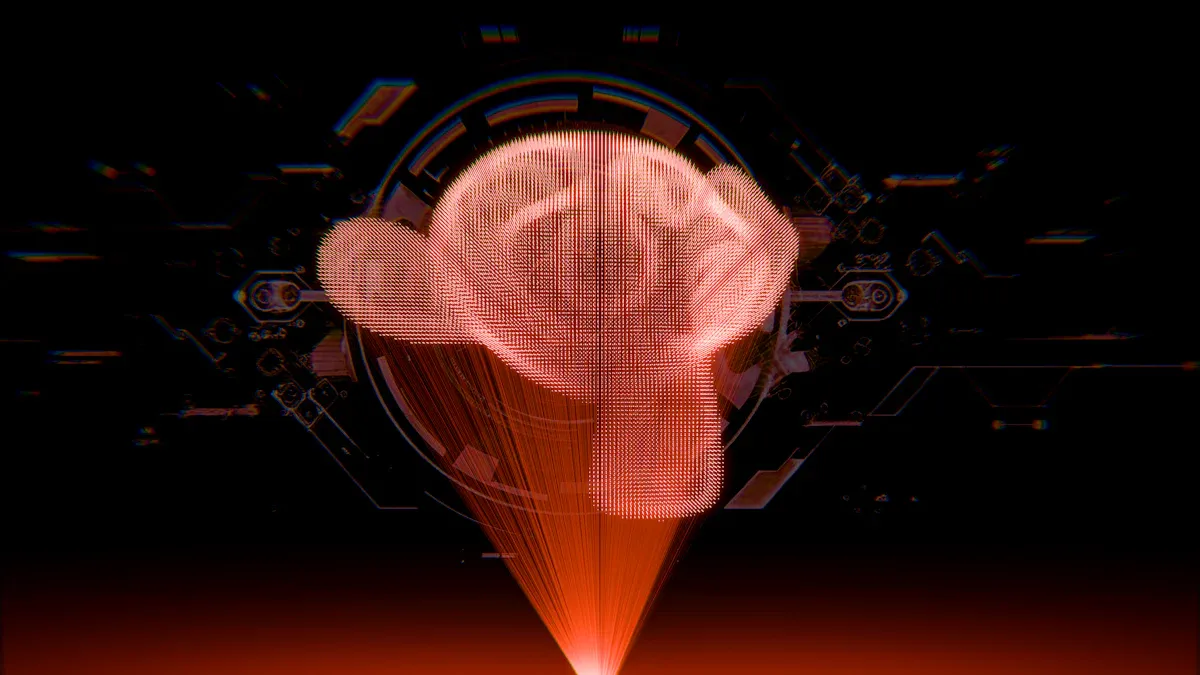
When you look at a hologram fan, you see smooth movement. This happens because of frame sequencing and animation. The motor spins the blades fast. Position sensors help find where the blades are. The microprocessor controls the LED lights. Each LED lights up at the right time as the blade moves. This makes thin parts of the picture. The system shows these parts very quickly. Your eyes mix them into a moving image. This trick makes it look like 3d images float in the air.
Here is how frame sequencing works step by step:
The fan starts spinning and checks its position.
The microprocessor matches LED flashes to the blade’s spot.
Each LED lights up to make a piece of the picture.
More blades can show the same thing, so it looks brighter.
The system repeats frames to make animation and video.
You see clear, lifelike pictures because the images change fast. This technology makes 3d hologram fan displays great for ads and fun.
Synchronization and Image Refresh
Synchronization helps make hologram pictures look sharp. The fan must match the blade speed with the LED timing. If the timing is wrong, the picture will look blurry. Most hologram fans spin between 400 and 2,000 RPM. At 2,000 RPM, the fan can show up to 60 frames each second. This is good for smooth video. Slower speeds, like 750 RPM, show about 15 frames per second. This works for simple pictures.
Tip: Faster, steady spinning gives smoother, more real floating images.
To keep the picture clear, you should:
Keep the fan spinning at 1,500 to 3,000 RPM for best results.
Use a refresh rate of at least 400 Hz to stop flicker.
Pick content that fits the fan’s speed and refresh rate.
The microprocessor and software work together to keep things in sync. This teamwork makes sure your 3d hologram fan always shows sharp, clear 3d images.
Achieving the Floating Effect
You may wonder how hologram fans make pictures float in the air. The answer is spinning LED blades and persistence of vision. As the blades spin, the LEDs light up at just the right time. Your eyes blend these flashes into a solid, floating picture. The control system turns on each LED as the blade moves to certain spots. This builds the whole image, one part at a time.
Key parts of a hologram fan display are:
LED strips on the blades
A strong motor for fast spinning
A microprocessor for timing and control
Special tricks like perspective, layering, and transparency add depth to the 3d holographic led fan display. Animation and spinning make the hologram look even more real. You see floating pictures that seem to hang in the air. This makes a cool experience that grabs your attention.
But there are some challenges:
Challenge Type | Description |
|---|---|
Viewing Angles | You need to stand in the right spot to see the best effect. |
Resolution | Hologram fans cannot match the pixel density of regular screens yet. |
Content Production | Making high-quality holograms takes skill in graphics and programming. |
Computing Power | Real-time, high-resolution images need strong processors. |
Environmental Sensitivity | Bright lights or dust can make the image flicker or look unclear. |
Hologram fans mix science and art. You can use 3d hologram fan technology at home, in stores, or at events. You get pictures that feel magical and real, making every display more fun.
Hologram Fan Display Applications
Retail and Advertising
You can see hologram fans in many stores and malls. Stores use these displays to show products in 3D. The floating pictures catch your eye and make you want to look. Big brands like Volkswagen and Starbucks use hologram fans to get more customers. Volkswagen got more news coverage during their anniversary. Procter & Gamble sold over 31% more men’s care items. Starbucks sold four times more cold drinks in Norway.
Hologram fans help stores be different from others. When you wonder, "how do hologram fans work," you see they make shopping more fun with floating images. Stores say people stay 30% to 60% longer near these displays. This means more sales and fewer returns. One store had 33% more people come in after using hologram window displays.
Hologram fans let shoppers join in the fun. You can see virtual clothes on yourself in fitting rooms. This helps lower returns and makes shopping feel more real.
Events and Entertainment
You will find hologram fans at concerts, trade shows, and shows. Event planners use them to make cool effects. These displays show 3D animations, logos, and art that float in the air. You feel more excited when you see the moving hologram images. Museums and art galleries use hologram fans to make exhibits more fun. You can see old objects or art in 3D, which makes learning better.
Here are ways people use hologram fans at events:
Concerts
Trade shows
Exhibitions
Museums
Art installations
Hologram fans make every event special. You get a fun experience that feels magical and real.
Home and Personal Use
You can use a hologram fan at home for fun or school. Many people set up hologram fans to show family photos, favorite characters, or learning videos. You might ask, "how do hologram fans work," and see your pictures float in your living room. Kids use hologram fans to study science models or watch stories. You can control what shows up with your phone or computer.
Some people use 3d led hologram fans for parties or decorations. You can make your own animations and share them with friends. Hologram fans give you new ways to have fun and learn at home.
Application | Benefit |
|---|---|
Retail | Higher sales, more engagement |
Events | Memorable visuals, excitement |
Home | Fun, learning, easy control |
Setup, Troubleshooting, and User Experience
Installation Tips for Hologram Fans
You want your hologram fan to look its best. Start by placing it on a stable surface to keep the fan balanced. If the fan wobbles, the image may blur. Clean the blades and LEDs every two to four weeks. Dust can block the light and make the hologram look unclear. Check the motor and wires often to spot any wear or loose parts. Store your hologram fan in a cool, dry place when you are not using it. Make sure the area has good airflow so the fan does not overheat. If you follow these steps, you will get a clear and immersive display.
Installation Checklist:
Place on a stable, flat surface
Clean blades and LEDs regularly
Inspect motor and wires for damage
Store in a dry, dust-free area
Ensure good ventilation
Tip: Regular cleaning and careful setup help your hologram fan last longer and show sharper images.
Common Issues and Solutions
You may face some unique problems with hologram fans. If the fan does not start, check the power supply and fuses. If you hear strange noises or see the image shake, inspect the screws and motor bearings. Dust on the blades can cause image distortion, so clean them often. If the picture looks wrong, check if your content format matches the fan’s needs. Sometimes, you need to adjust the mounting or realign the blades. These steps are different from fixing a regular screen, so take your time and follow the manual.
Troubleshooting Steps:
Check power and fuses if the fan will not start.
Clean blades and LEDs to fix blurry images.
Inspect screws and bearings for noise or vibration.
Adjust content format for better image quality.
Use the right power adapter to avoid faults.
Cost, Image Quality, and Ease of Use
You might ask, how much do hologram fans cost? The price depends on the model and features. Here is a quick guide:
Model Type | |
|---|---|
$1,200 - $1,500 | Basic Consumer Model |
$2,500 - $3,200 | Mid-Range Model |
$4,500 - $5,800 | Advanced Features Model |
$7,000 - $12,000+ | High-End Professional Model |
When you compare image quality, hologram fans stand out for their 3D effect and bright colors. They work best for bold, simple images and marketing displays. Traditional screens show more detail, but hologram fans create a floating, attention-grabbing look. Many users say the experience feels immersive and fun. You get sharp images, true colors, and high brightness, even in daylight. Most fans last up to five years and come with 24/7 support. If you wonder, are hologram fans worth it, think about the unique visuals and long life. Now you know how do hologram fans work and what makes them special.
Hologram Fans vs Other Display Technologies
Comparison with LED Screens and Projectors
There are many ways to show pictures today. Hologram fans are special because they make floating images with spinning LED blades. LED screens use a grid of lights to show pictures on a flat panel. Projectors shine light onto a wall or a screen. You can see how these displays are different in the table below:
Feature | Hologram Fan Screens | LED Screens | Projectors |
|---|---|---|---|
Imaging Principles | Spinning LED strips, persistence of vision | LED matrix grid | Light projection |
Transparency | Up to 95% | 80%–90% | Not transparent |
Installation | Needs support for motors | Directly on glass | Requires screen or wall |
Safety | Exposed blades, caution needed | Safe to touch | Safe, but fragile optics |
Energy Consumption | Varies | 3.2–5.6 kW | |
Maintenance | Diodes last 100,000+ hours | Module replacement | Frequent calibration, costly parts |
Applications | Boutiques, bars, storefronts | Commercial, entertainment venues | Large venues, home theaters |
Hologram fans use less power than projectors. They are easier to take care of because the diodes last a long time. You get a cool floating effect that other screens cannot do.
Advantages and Limitations of Hologram Fan Displays
Hologram fans let you see pictures in a new way. The 3d images float in the air. You do not need to wear any special glasses. You can use them in small places like shops or bars. They are easy to set up and move. The colors look bright and the shapes are clear.
Tip: Hologram fans are best for bold, simple pictures and short clips.
There are some things to watch out for. The blades are open, so you must be careful. You need to stand in the right spot to see the best picture. The picture is not as sharp as on LED screens. You might ask, how much do hologram fans cost? They can cost from a few hundred to thousands of dollars. You may wonder if they are worth it. They are easy to care for and look unique, but you should think about what you need.
Future Trends in Hologram Technology
Hologram fans will change a lot soon. New fans will connect to the internet and react to people. The pictures will look better and the fans will get bigger. You will see them used in travel, art, and schools. New models will save more energy and use green materials. It will be easier to move and set up the fans.
Smart features and talking to viewers
Better pictures and bigger screens
Used in travel, art, and learning
Less energy and eco-friendly parts
Easier to carry and install
Now you know how hologram fans work and how they are different from other displays. You can pick the best one for your needs. Hologram fans help you see the future of cool displays.
You now understand how hologram fans work. These displays have spinning LED blades that make 3D images float in the air. The pictures look real and get people’s attention. In 2026, hologram fans help stores sell more and make brands easy to notice. You can find them in shops, at events, and in museums.
Hologram fans help customers enjoy shopping more.
Companies such as Volkswagen and Starbucks sell more with these displays.
The market for hologram technology is growing quickly.
Soon, hologram fans will have better pictures and smart features.
FAQ
What is a 3D LED hologram fan?
A 3D LED hologram fan uses spinning blades with LED lights to create floating images. You see pictures that look real and move in the air. This technology grabs attention in stores, events, and homes.
How do you upload images or videos to a hologram fan?
You connect your hologram fan to a computer or phone. You upload files like MP4, GIF, or PNG. The fan’s app helps you choose and send your content. You can change images anytime.
Is it safe to use a hologram fan at home?
You can use a hologram fan safely if you follow instructions. Keep fingers away from spinning blades. Place the fan on a stable surface. Clean the blades often. Always unplug the fan before maintenance.
Can you see hologram images from any angle?
You see the best hologram effect when you stand in front of the fan. Side views may look blurry. For clear 3D images, face the fan directly. Some advanced fans improve viewing angles.
How long does a 3D LED hologram fan last?
Most 3D LED hologram fans last up to five years. The LED lights and motor work for thousands of hours. You get long-lasting displays with regular cleaning and proper care.
See Also
Exploring The Magic Of 3D LED Fans And Holograms
Maximizing Advertising Impact With 3D LED Fans In 2025
Understanding Hologram Boxes: Functionality And Applications Explained
