How Hospital Digital Signage Improves Communication and Patient Experience
Shenzhen TopAdkiosk Display Technology Co., Ltd.
Add.: 2F, Bldg 10, Changfeng Industrial Park, Dongkeng, Fenghuang, Guangming, Shenzhen, China 518132
Mobile/WHATSAPP: 86-138 25769658
Email: marketing@topadkiosk.com topadkiosk@gmail.com
Skype: pghenry1
Wechat: adkioskhenry
English Web.: http://www.topadkiosk.com/
https://www.topkioskdisplay.com/
http://www.ad-kiosk.com/
https://www.toplcddisplay.com/
http://www.multitouchdigitalsignage.com/
https://www.youtube.com/channel/UCYVYNJHxLVEcQD8fuUxXNTA/videos?view_as=subscriber
https://www.facebook.com/TOPADKIOSKSHENZHEN/?ref=bookmarks

Hospital digital signage changes how you get information when you visit. You see screens that give you news, directions, and important notes. These displays help you feel calmer and make it easier to find places.
70% of hospitals use digital communication systems to make your visit better.
Benefit | Measurement |
|---|---|
Fewer patient complaints | 30% |
Less stress | 20% |
18% | |
Stress goes down | 37% |
Waiting feels shorter | Up to 35% |
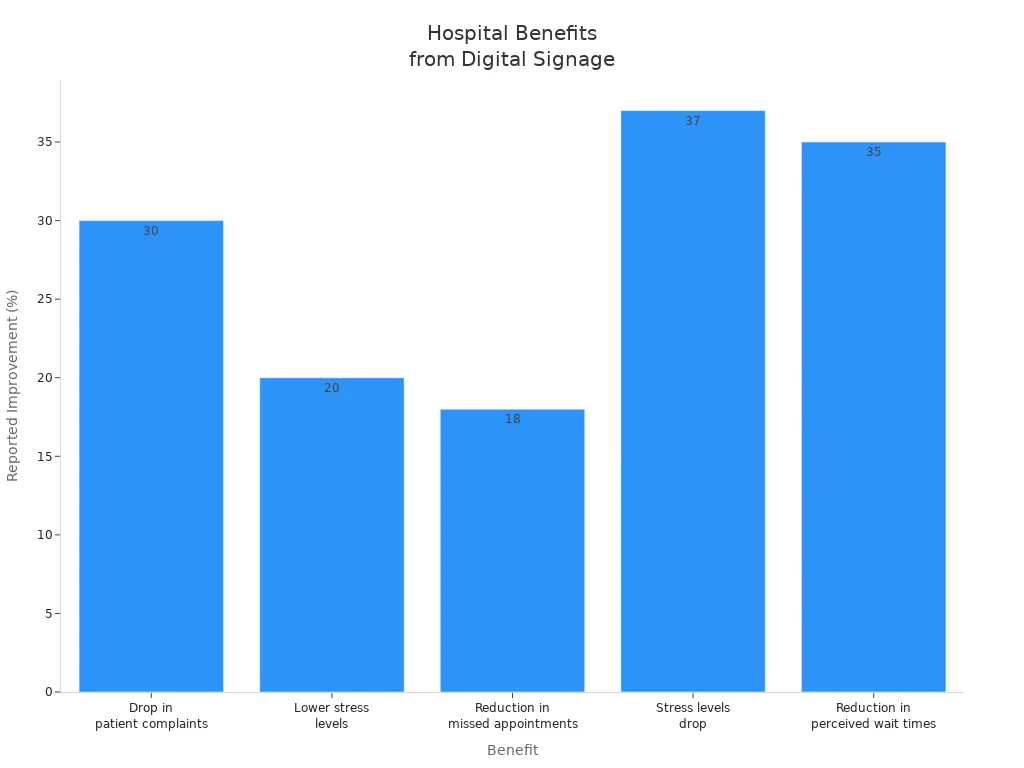
You get clear messages and a better visit when hospitals use digital signage.
Key Takeaways
Digital signage helps hospitals share news fast. It shows real-time updates about wait times and appointments. This helps patients know what is happening. Patients feel less worried when they have information.
Digital displays can lower patient complaints by 30%. They also make waiting feel shorter by up to 35%. This makes patients happier with their visit.
Interactive maps and kiosks help patients find their way. They make it easy to move around the hospital. This lowers confusion and stress for patients.
Digital signage helps staff talk to each other. Everyone gets important news fast and easily. This helps staff work better together.
Emergency alerts on digital screens give clear instructions. They help keep patients safe and calm in emergencies.
Hospital Digital Signage for Communication
Hospital digital signage helps you get information when you need it. You see clear messages on screens in waiting rooms, hallways, and staff areas. These displays help everyone—patients, visitors, and staff—talk and share news better. You feel more sure and less worried when you know what is going on. This technology helps you during your visit and makes you happier.
Real-Time Updates
You want to know what is happening while you wait. Digital signage shows real-time updates about wait times, appointment schedules, and surgery progress. You do not have to ask staff for updates because the screens show the queue and other important things. This makes your visit easier and helps you stay informed.
Display Location | Real-Time Information Provided | Benefit for You |
|---|---|---|
Waiting Rooms | Wait times, queue status, engaging content | Less worry, wait feels shorter |
Surgery Waiting Areas | Surgical updates for families | Less concern, more satisfaction |
Registration Areas | QR codes for fast check-in | Faster check-in, less confusion |
Hallways | Policy changes, hospital news | Keeps you updated, builds trust |
Tip: Look at the waiting room screens for the latest news without asking staff.
Healthcare digital signage lets hospitals update all screens at once. This means you always see the newest information. You feel more in control of your visit, and your experience gets better.
Staff Messaging
Staff must work together to give the best care. Digital signage helps teams share messages fast. You see staff news, health alerts, and reminders on screens in break rooms or nurse stations. This makes sure everyone gets the same message at the same time.
Benefit | Digital Signage | Traditional Methods |
|---|---|---|
Cost-Effectiveness | Saves money on printing and labor | Costs more over time |
Shares news right away | News can be slow | |
Higher Visibility | Easy to see, messages are noticed | Emails might not be read |
Immediate, Clear Messaging | Less chance of missing news | Messages can be missed |
Cross-Team Collaboration | Teams know what is important | Info may not reach everyone |
Breaking Down Silos | All staff can see messages | Info may stay in one department |
Modern hospital digital signage uses safe networks. IT teams keep things secure, and operations teams can change content quickly. This keeps your information safe and makes sure staff see the latest news.
Share health alerts and important news easily.
Help teams work together and talk better.
Emergency Alerts
Emergencies can happen anytime. Digital signage helps hospitals send emergency alerts to everyone right away. You see clear steps on what to do and where to go. This helps stop panic and keeps you safe.
Feature | Benefit |
|---|---|
Makes sure the right people get the right news. | |
ADA-compliant routes | Shows safe exits for people with mobility needs. |
Multilingual support | Gives instructions in many languages for everyone. |
Sends alerts fast to all hospital areas. | |
Clear instructions | Shows what to do during emergencies. |
Minimized confusion | Helps stop panic and keeps people ready. |
Real-time alerts | Works with emergency systems for fast news. |
Accessibility | Gives instructions in ways everyone can use. |
Override scheduled content | Urgent messages show up first in emergencies. |
During a fire drill, patients said they felt calm and knew what to do because the screens showed where to go. Digital signage can switch to emergency messages on all screens, show exit routes, and give real-time steps from hospital leaders. This keeps everyone safe and informed.
Note: Healthcare digital signage is getting better. In 2026, you will see even more advanced ways to share news and make patients happy.
Digital signage makes your hospital visit safer, easier, and helps you know what is happening. It helps patients talk, makes people happier, and helps staff work together. You get the news you need, when you need it, every step of the way.
Enhancing Patient Experience
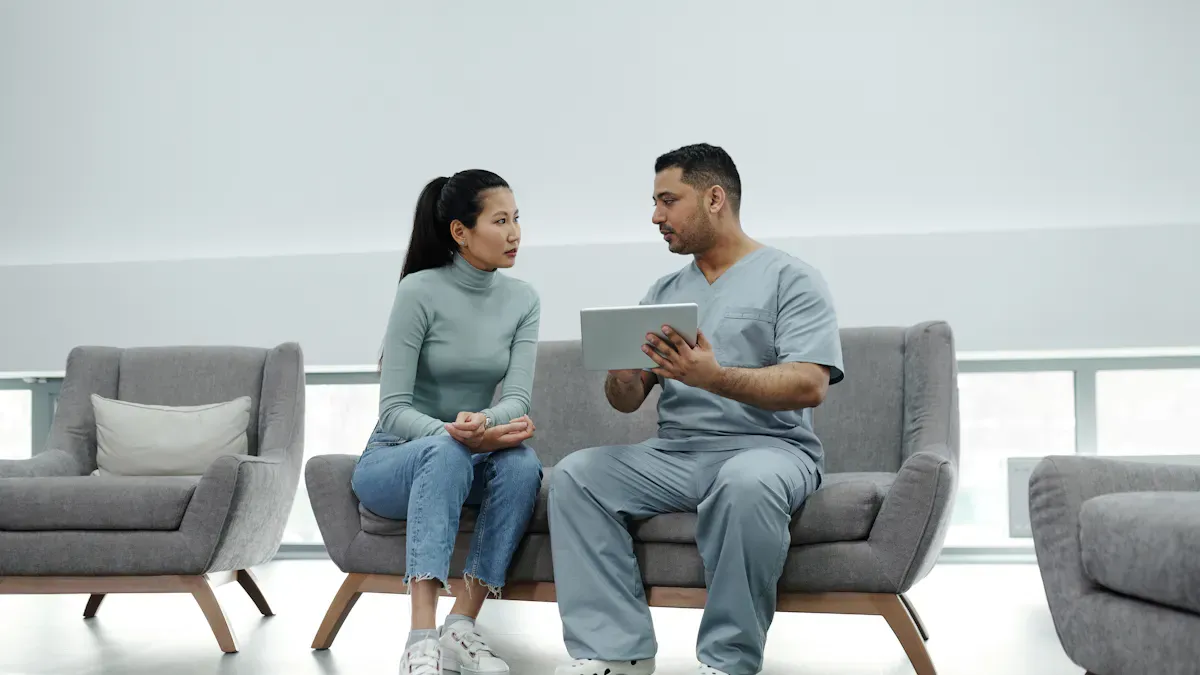
Hospital digital signage changes how you feel when you visit. You see helpful messages, health tips, and fun things on screens. These displays help you feel less nervous, teach you about your health, and make waiting seem shorter. You have a better time at the hospital when you know what is going on and stay interested.
Reducing Anxiety with Information
You might feel worried when you go to the hospital. Digital signage helps you relax by showing real-time updates about your wait and what will happen next. You see your place in line, local news, and calming videos. This keeps you busy and helps you worry less.
Aspect | Description |
|---|---|
Queue Management | Shows real-time line status, so you know your wait time and feel less unsure. |
Entertainment | Gives you fun and learning content to keep you busy and distracted. |
You get updates on screens in the waiting room. These screens show how long you need to wait and share news from your area. You feel better because you know what is happening. You also see fun videos or health tips that help you forget about stress.
Shows patients wait times and local news.
Makes waiting feel shorter by keeping you busy and happy.
Helps you relax by giving you something to watch.
Digital signage changes hospital waiting rooms by showing fun videos, health tips, and news. You feel less nervous and more comfortable while you wait.
Patient Education Displays
You learn more about your health when you see education displays. Hospitals use digital signage to share easy health tips, reminders, and answers to common questions. You see information about flu season, how to take medicine, and what to do after your visit. This helps you make better choices for your health.
Content Type | Description |
|---|---|
Patient Communications | Shares health tips, simple reminders, and answers about insurance. |
Health and Wellness Tips | Gives ideas for exercise, eating healthy, and staying well. |
Educational Content | Teaches about medical procedures and insurance, so you understand more. |
Only about 12% of U.S. adults understand health information well. Many people have trouble with medicine directions or medical forms. Digital signage helps you learn by showing clear messages and easy steps.
Keeps patients busy while they wait.
Reminds you about flu season.
Teaches you about hospital services and treatment choices.
Digital signage turns waiting rooms into places to learn. You see videos and tips that help you understand your health and care. This makes your visit better and helps you feel more sure of yourself.
Waiting Room Experience
You spend time in hospital waiting rooms, so your experience matters. Digital signage makes waiting feel shorter and nicer. You see real-time updates about your appointment, health tips, and calming pictures. This keeps you informed and helps you relax.
Benefit | Description |
|---|---|
Real-time Updates | Screens show wait times and line updates, so waiting feels shorter. |
Patient Engagement | Fun health tips and calming pictures help you learn and feel better. |
Navigation Assistance | Maps and directions on screens help you find your way. |
Communication Improvement | Updates on safety and appointments keep you informed and less worried. |
You see that digital signage helps you worry less by showing real-time wait times. Fun content takes your mind off stress and makes your visit better. Special messages make you feel important and noticed.
Digital signage can make waiting feel up to 35% shorter.
Patient satisfaction scores went up by 28% at Mayo Clinic after using digital displays.
Overall patient satisfaction scores rose by 22% in a healthcare study.
You see that digital signage helps keep patients informed and interested. Patient engagement software gives you special experiences and makes your visit easier. Hospitals use these tools to make patients happier and improve wait times.
Tip: Look for screens in the waiting room to get updates and helpful tips during your visit.
Hospital digital signage helps you feel welcome, informed, and less stressed. You get the news you need, enjoy your wait, and leave feeling better about your care.
Digital Wayfinding and Navigation
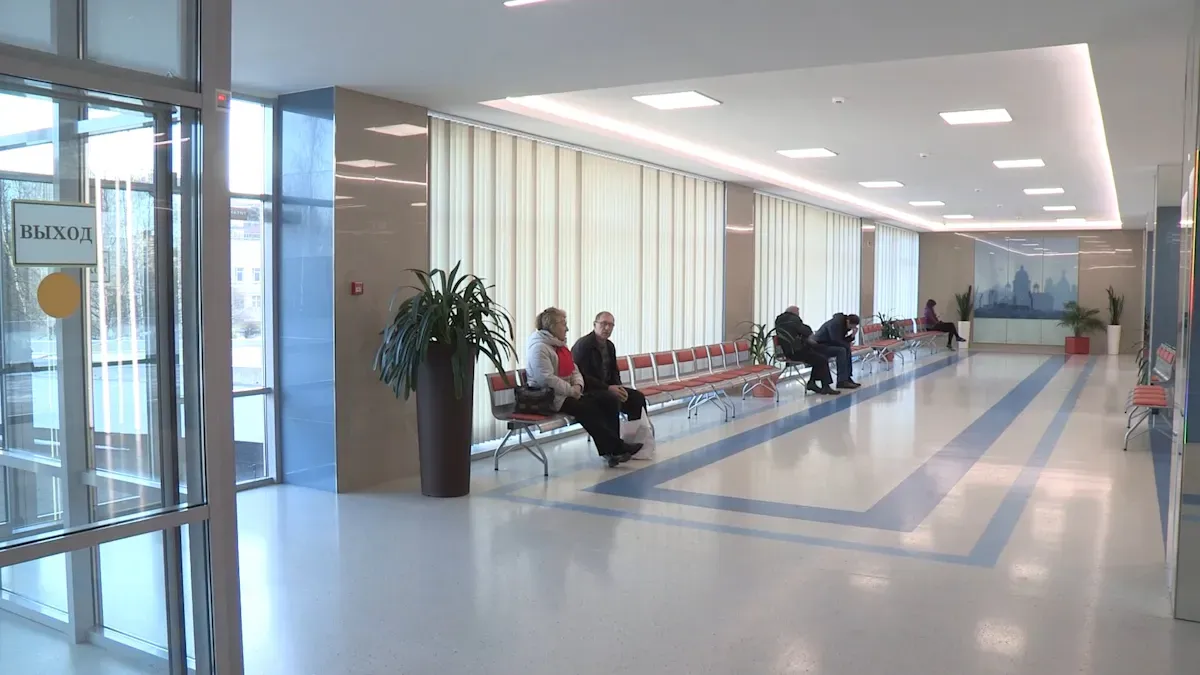
It is easy to feel lost in a big hospital. Digital wayfinding helps you find places fast. Hospital digital signage gives you clear directions. You do not need to ask for help or worry about missing your appointment. This technology makes your visit better and your trip through the hospital smoother.
Interactive Maps
Interactive maps help you get where you need to go. You can use digital wayfinding kiosks to search for clinics or services. These maps give you simple steps, so you do not get lost. You can scan a QR code to get directions on your phone.
Interactive hospital signage helps you move around big buildings.
You type in your destination and get real-time instructions.
Signs change if the hospital layout changes, so you always get the right route.
You see important things like visiting hours and patient instructions.
Interactive maps also show health tips and hygiene reminders. This keeps you updated as you walk through the hospital.
Check-In Guidance
Digital signage makes check-in quick and easy. You can use self-service kiosks to update your info or pay bills. This means you do not have to wait in long lines. You can fill out forms on a touch screen, which saves time and lowers stress.
Check-in kiosks let you handle your own registration.
Digital signage does tasks like checking in, so staff can help more people.
You get real-time updates on wait times, which helps you feel less worried.
Personalized help lets you finish check-in fast.
Screens show you where to go next in real time. This makes your visit smoother and faster.
Facility Navigation
Finding your way in a big hospital can be hard. Digital signage helps by giving clear, easy directions. Digital wayfinding kiosks show you where to find rooms or departments. You get step-by-step help, so you do not get confused.
You feel less nervous because you know where to go.
Hospitals work better because fewer people get lost or are late.
Visitors stay focused with special navigation content.
Healthcare digital signage keeps getting better. In 2026, you will see even smarter tools that guide you with real-time wayfinding and interactive features. Digital signage helps you move through the hospital with confidence and makes your visit better from start to finish.
Tip: Use the interactive maps or kiosks at the entrance to start your visit the right way.
Implementation Considerations
Content Strategy
You need a good plan to use hospital digital signage well. First, decide what you want your screens to do. Put screens in busy places like waiting rooms and lobbies. This way, more people see important messages. Use a content management system to change messages fast and set times for them to show. Make sure your messages are easy to read. Add closed captions or other languages so everyone can understand.
Description | |
|---|---|
Strategic Placement and Visibility | Put screens where patients and visitors gather most. |
Content Management and Scheduling | Use tools to keep messages current and easy to change. |
Accessibility and Inclusivity | Add features like captions and different languages. |
Integration with Existing Systems | Connect screens to hospital systems for real-time updates. |
Change your messages often. For example, update queue numbers right away. Health tips can change every month. This keeps your messages new and useful.
Privacy and Compliance
Keeping patient information safe is very important. You must follow rules like HIPAA. This means you cannot show patient names or appointment dates on public screens. The Americans with Disabilities Act (ADA) has rules for font size, colors, and where you put screens.
Use strong passwords and two-factor authentication for your digital signage.
Install firewalls and anti-malware software to protect your system.
Only let certain people use the control system.
Update your software often and back up your data.
Clinics must make sure their digital signage software is secure. If you share sensitive data, you may need a Business Associate Agreement with your vendor.
Measuring Impact
You want to see if your hospital digital signage is working. Watch how patients use the screens and what they do next. Use tools that count how many people look at the screens and how long they watch. Hospitals check patient satisfaction scores, HCAHPS survey results, and hospital ratings to see if things get better.
Metric | Description |
|---|---|
Shows how patients feel about their hospital stay. | |
Counts how many people interact with the screens. | |
Conversion Rates | Measures if patients take action after seeing a message. |
Content Reach | Tracks how many people see the messages. |
Looking Ahead: Digital Signage Solutions in 2026
By 2026, hospital digital signage will use more artificial intelligence and real-time data. New tools will help you find your way, use voice commands, and get messages just for you. These changes will give faster updates, better privacy, and a smoother visit for everyone.
Hospital digital signage helps you talk to staff and find places. You see updates, health tips, and fun videos on screens. This makes your visit easier and less stressful. Many hospitals use digital signage to help patients feel better and happier. You get easy ways to move around, fast check-in, and simple directions. Hospitals buy these systems because they save money and help patients feel sure of themselves.
Try using things like maps you can touch, welcome screens, and menu boards.
Put screens where lots of people walk and use tools to change messages fast.
Watch for new things in 2026, like voice help and messages just for you.
Benefit Description | Impact on Patient Experience |
|---|---|
Fun learning while you wait | |
Updates right away | Makes you feel happy and sure |
Easy ways to get around | Helps you worry less and feel calm |
What Digital Signage Solutions Are Available for Hospitals in 2026
By 2026, hospitals are transforming from traditional information displays into connected smart hubs. Deeply integrating AI, IoT, and cloud computing, digital signage systems have evolved into strategic assets that enhance patient experience, optimise operational efficiency, and empower clinical decision‑making. So, what digital signage solutions are available for hospitals in 2026, and how are they driving the next generation of smart hospitals?
🎯 Smart Wayfinding & Indoor Navigation
Technical features: AI‑driven route planning, indoor 3D maps, multi‑language support.
Core applications: Provide precise, end‑to‑end guidance, reducing patient anxiety.
Example brands / solutions: TouchSource, Zhengxian.
Case example: Chongqing Zishengyuan Hospital's 3D virtual AI guide "Xiao Sheng".
📊 Queue Management & Information Display
Technical features: Integrated with HIS/PACS and other hospital information systems; real‑time updates at clinic entrances; self check‑in.
Core applications: Manage outpatient flow, integrate health education rotations, improve information transparency.
Example brands / solutions: HMILE, AOLSEE, Jinniu Smart.
Case example: JB Clinic's smart split‑screen system combining queuing with health education content.
🏥 Smart Room Solutions
Technical features: EMR‑integrated digital whiteboards, interactive door signs, bedside infotainment terminals, AI‑assisted nursing.
Core applications: Transparent medical information, increased patient engagement, empowered care teams.
Example brands / solutions: hellocare.ai, Uniguest Healthcare Hub.
Case example: Large‑scale deployments at AdventHealth and WVU Health System.
💡 Information Publishing & Patient Communication
Technical features: Single or video‑wall capable CMS, touch kiosks.
Core applications: Deliver health education, hospital policies, and announcements – a controlled internal/external communication window.
Example brands / solutions: Kitcast, BroadSign, Scala.
Case example: Taichung Veterans General Hospital using digital signage for comprehensive information management.
🌐 E‑Paper Displays
Technical features: Ultra‑low power, no blue light, paper‑like reading experience.
Core applications: Bedside cards, department door signs, etc.
Example brands / solutions: uink, HMILE.
Case example: Chi Mei Hospital (Taiwan) deploying over 2,100 wireless electronic paper bedside cards.
🤖 AI‑Powered Applications
Technical features: Built‑in AI chips, algorithm‑triggered precise content delivery, emotion recognition, support for 90+ languages, rich interactivity.
Core applications: Personalised services, turning static screens into conversational "smart companions".
Example brands / solutions: Chongqing Zishengyuan AI virtual assistant, BrightSign, etc.
Case example: Chongqing Zishengyuan Hospital's AI virtual assistant "Xiao Sheng".
📈 Market Outlook: Trends & Size
Market trends: The market is shifting from one‑way information display to data‑driven, personalised interactive experiences. Hospitals are building "digital front doors" connecting patients, staff, and facilities. Success metrics are moving from view counts to deeper customer engagement indicators.
Market size: The global healthcare digital signage market is growing strongly – estimated at $7.85 billion in 2025, projected to reach $20.85 billion by 2034. Wayfinding solutions alone are expected to grow at a CAGR of 9.8% between 2026 and 2034.
🛠️ Implementation Advice & Cost Considerations
Supplier selection: Choose vendors with proven healthcare experience (e.g., HMILE, AOLSEE, Uniguest). Use open tenders or industry recommendation lists to shortlist.
Solution evaluation: Conduct in‑depth discussions with 2–3 potential suppliers and request small‑scale pilots to assess fit.
Cost estimation: Investment can be substantial – this remains a major challenge. Beyond hardware and software, include design, installation, training, and long‑term maintenance. Based on past hospital tenders, a full signage system can range from hundreds of thousands to over one million RMB, depending on hospital size and complexity.
According to recent reports, deep integration of AI and IoT, proliferation of medical IoT, data‑driven personalised health, and unified platform integration are key future directions. The hospital digital signage market in 2026 is not just about technology – it's about deep insight into healthcare scenarios and a human‑centred experience.
I hope this guide helps you better plan your hospital digital signage project. Let me know if you need a deeper comparison of specific solutions or a printable version.
FAQ
What is digital signage in hospitals?
Digital signage means using screens to share news and directions. You see these screens in waiting rooms, hallways, and clinics. Hospitals use them to help you find your way and know what is happening.
How does digital signage help you as a patient?
You get updates about your appointment and wait times right away. Health tips show up on the screens to help you learn more. This makes your visit easier and helps you feel less nervous.
Can digital signage improve safety during emergencies?
Yes. During emergencies, screens show you what to do and where to go. You see exit routes and safety steps on the displays. This helps you stay safe and know what to do.
What digital signage solutions are available for hospitals in 2026?
In 2026, you will see smart screens with voice commands and maps. Hospitals will use artificial intelligence to give you updates and directions. These new tools make your visit smoother and more personal.
Is digital signage secure and private?
Hospitals keep your information safe by following privacy rules. Screens do not show your name or private details. Staff use secure systems to control the displays and protect your data.
See Also
Enhancing Guest Experiences Through Digital Signage in Hotels
Understanding Digital Signage and Its Importance Today
The Impact of Digital Signage on Modern Communication
Unveiling Key Advantages of Digital Signage in Dining
Optimizing Restaurant Efficiency with Digital Signage Solutions
