Flexible LCD Displays vs Traditional LCD Screens Which Is Right for You
Shenzhen TopAdkiosk Display Technology Co., Ltd.
Add.: 2F, Bldg 10, Changfeng Industrial Park, Dongkeng, Fenghuang, Guangming, Shenzhen, China 518132
Mobile/WHATSAPP: 86-138 25769658
Email: marketing@topadkiosk.com topadkiosk@gmail.com
Skype: pghenry1
Wechat: adkioskhenry
English Web.: http://www.topadkiosk.com/
https://www.topkioskdisplay.com/
http://www.ad-kiosk.com/
https://www.toplcddisplay.com/
http://www.multitouchdigitalsignage.com/
https://www.youtube.com/channel/UCYVYNJHxLVEcQD8fuUxXNTA/videos?view_as=subscriber
https://www.facebook.com/TOPADKIOSKSHENZHEN/?ref=bookmarks
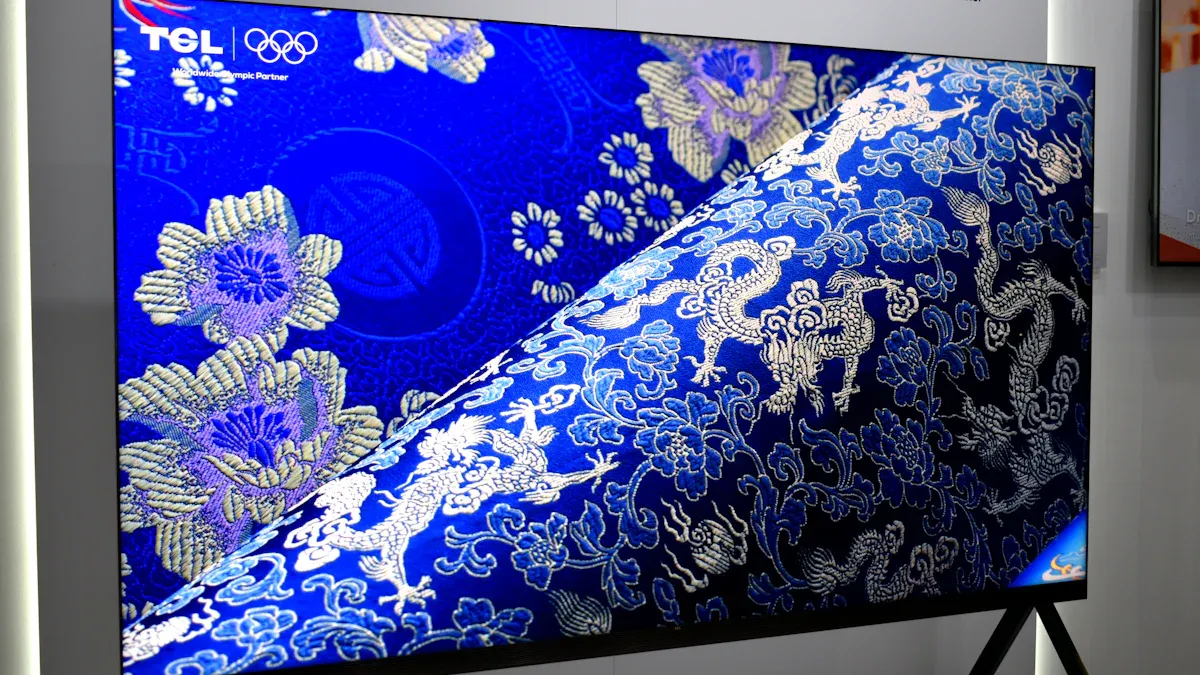
You want to pick the best display for your project. If you need something light and bendy, a flex lcd display can help. It lets you put images on curved or odd-shaped spaces. You can see these in foldable phones, smartwatches, and cool signs in public. Traditional screens show clear images on flat surfaces. But they cannot bend or fit strange shapes. Think about what you need most. Do you want a flexible shape, easy setup, or the best picture?
Industry Sector
Use Cases
Consumer Electronics
Foldable smartphones, smartwatches
Advertising
Curved or rollable signage
Key Takeaways
Flexible LCD displays can bend and fit odd shapes. They are great for creative projects and unusual spaces.
Traditional LCD screens work well and last a long time. They are good for outdoor use and fixed setups.
Think about how easy it is to install. Flexible displays are lighter and faster to set up. This saves time and money.
Look at your budget. Flexible displays usually cost more. They have cool features and design choices.
Think about what you need. Pick flexible displays for creativity and change. Pick traditional displays for dependability and lasting use.
Flex LCD Display vs Traditional LED Screen Overview
What Is a Flex LCD Display
You can think of a flex lcd display as a screen that bends and twists. This type of display uses a flexible circuit board, which lets you shape it around curves or corners. You often see flexible led displays in places where a flat screen would not fit. For example, you might notice them wrapped around columns or used in creative signs. These displays are light and thin, so you can install them in many different ways. You get bright images and clear color, even when the display bends.
What Is a Traditional LED Screen
A traditional led display uses a rigid printed circuit board. This means the screen stays flat and does not bend. You usually find these screens on billboards, store signs, and stadium scoreboards. Traditional led screens are strong and can handle tough weather. They work well outdoors because they resist rain and wind. You get sharp images and bright colors, which makes them great for showing ads or important messages. The screen does not let much light pass through, so the visuals stand out.
Key Differences
You should know the main differences between a flexible led display and a traditional led display. Here is a table to help you compare:
Feature | Flexible LED Display | Traditional LED Screen |
|---|---|---|
Bendability | Yes | No |
Shape Adaptability | High (can be bent and wrapped) | Low (static, flat setup) |
Installation Flexibility | High (suitable for unconventional spaces) | Low (limited to standard shapes) |
Flexible led displays use a flexible circuit board, so you can bend and fold them.
Traditional led screens use a rigid board, so you must keep them flat.
You can use a flexible led display for creative projects and unique spaces. You should choose a traditional led display if you want a strong, flat screen for outdoor or permanent use.
Display Performance Comparison
Resolution and Clarity
When you look at a screen, you want clear pictures and easy-to-read words. Both flexible led display and traditional led display care about how sharp things look. You can check this by looking at how many pixels are in each inch, how wide you can see the screen, and how fast the screen changes.
Feature | Flexible LED Display | Traditional LCD Display |
|---|---|---|
Pixel Density | 42 PPI (1.5mm pitch) | Up to 163 PPI (0.15mm pitch) |
Viewing Angles | 178° (<5% color shift) | Color shifts 22% beyond 120° |
≥5000 nits | <1000 nits | |
Response Time | 0.5ms GTG | N/A |
A flexible led display lets you see the screen from almost any side. The colors do not change much when you move around. Traditional led display has more pixels, so pictures and words look sharper. If you need to show tiny words or detailed pictures, a traditional led screen is better. If you want a screen that looks good from all sides, a flexible led display is a great pick.
Brightness and Contrast
Brightness and contrast help you see the screen in different lights. High contrast means dark blacks and bright whites. This makes the screen look stronger and clearer.
Display Type | Contrast Ratio Range |
|---|---|
Traditional CCFL LCD | 1000:1 to 3000:1 |
LED Backlit LCD | 3000:1 to 10,000:1 |
High-end LCD with local dimming | Higher than 10,000:1 |
Display Type | Contrast Ratio Range |
|---|---|
Standard LCD | 800:1 to 1500:1 |
3000:1 to 10,000:1 | |
COB LED Displays | 5000:1 to 25,000:1+ |
A flexible led display can get very bright, over 5000 nits. This means you can see it even in sunlight. Traditional led display is not as bright, usually less than 1000 nits. If you need a screen outside or in a bright place, a flexible led display works better. Premium LED displays also have high contrast, so you see more details in dark and light spots.
Seamless Visuals
You want your screen to look smooth, especially if you use more than one panel. Flexible led display uses light rubber and strong PCBs. This lets you bend the screen around corners and curves. You can make video walls and curved screens without lines showing. This gives you more ways to be creative and makes your screen stand out.
Flexible led display can:
Bend around columns or curved places.
Make smooth video walls.
Fit many shapes for cool designs.
Traditional led screen:
Needs flat places.
Shows lines where panels meet.
Does not let you try many designs.
Flexible led display shows lots of colors and changes pictures fast, so everything looks bright and smooth. It is better for creative ideas. Traditional led display is good for flat, fixed screens but cannot make smooth, curved looks like flexible ones.
Note: Flexible displays can cost more and may not last as long as traditional screens. They are harder to make, but you can do more with their design.
If you want a screen that is different and fits your space, flexible led display helps you make something special.
Physical Characteristics of Flexible LED Display
Weight and Thickness
Flexible led display panels are much lighter than traditional screens. They are easy to carry and install. You can move them without much effort. Thin layers help the display fit into tight spaces. This means you can use the screen where heavy panels would not work. You do not need strong supports. You save time and energy when you set them up.
Flexibility and Shape Adaptation
Flexible led display panels bend and curve to fit different surfaces. You can wrap them around columns, corners, or ceilings. The flex lcd display fits curved or odd shapes. You do not see gaps or mistakes when you use these panels on curves.
Flexible LCD Displays | Traditional LED Screens | |
|---|---|---|
Adaptability | Can bend, curve, and fit many shapes | Rigid, needs flat surfaces |
Installation | Blends into building features easily | Only works on flat places |
Visual Experience | Looks smooth on curved surfaces | May show gaps or mistakes on curves |
Design Flexibility | Lets you try creative setups | Only works with normal shapes |
You get more choices for structure and design with these panels. You can make smooth visuals on almost any surface. This gives you more ways to make unique projects.
Design Possibilities
Flexible led display technology lets you try new creative designs. You can build curved, foldable, or custom setups. Thin and bendy panels fit into many places. Designers and advertisers use these displays for cool signs and fun spaces. You change how people see visual content. You can make shapes and patterns that traditional screens cannot do. The panels are strong and resist bending stress. Flexible displays help your ideas stand out and come alive.
Tip: Use flexible displays for projects with creative shapes or smooth visuals. You can make designs that were not possible before.
Installation and Maintenance
Installation Ease
You can set up a flexible led display fast. The panels bend to fit columns, curved walls, or ceilings. These screens are light, so you do not need heavy supports. You can hang them or put them on almost any surface. This lets you make cool shapes and designs. Traditional led display panels need flat places and strong frames. You must follow steps and leave space for repairs. It takes longer and limits where you can put the screen.
Feature | Flexible LED Display | Traditional LED Display |
|---|---|---|
Installation Efficiency | Uses a clear and careful process | |
Adaptability | Works for walls, hanging, and odd shapes | Needs more room for repairs |
Maintenance | You can fix it from the front, even in tight spots | You fix it from the back, which is harder in small spaces |
Tip: Flexible led display is quick to set up and lets you be creative. You can wrap panels around things or hang them from the ceiling.
Maintenance Needs
Flexible led display panels let you fix problems from the front. You do not need to take down the whole screen. This makes repairs easy and fast, even in small spaces. Traditional led display panels need repairs from the back. You must leave space behind the screen for this. It takes longer and costs more. Flexible panels are strong and can handle bending. You spend less time fixing them and more time using your screen.
Compatibility
Flexible led display panels work with many types of mounts. They are light, so you do not need strong supports. You can put them on curved or odd-shaped places. Special mounts help you fit the panels to different shapes. Traditional led screen panels need flat places and normal mounts. You need extra supports to keep them steady. Flexible panels change pictures fast and look steady. They are tough and last longer in many places. You save money on setup and repairs because they fit almost anywhere.
Flexible led display panels:
Fit curved, round, or bumpy places
Use special mounts for different shapes
Stay steady and handle stress well
Traditional led display panels:
Need flat places and normal mounts
Need strong supports to stay in place
Cost more to set up and fix
Note: Think about how you will set up and fix your screen. Flexible panels give you more choices and can cost less.
Durability and Longevity
Physical Stress Resistance
You want your screen to last through bumps and bends. Flexible led display panels handle twisting and bending better than traditional screens. These panels can wrap around columns or curved walls without breaking. You can press or bend them, and they keep working. Traditional screens crack or lose pixels if you try to bend them. Flexible panels use strong materials that resist damage from daily use. You get reliable performance even in busy places.
Environmental Factors
Temperature changes can affect how long your display lasts. Flexible panels face problems in extreme heat or cold. Cheaper models stop working at 70°C, but premium flexible displays keep shining up to 85°C with little brightness loss. Cold weather can make adhesive layers stiff. Acrylic adhesives fail at -25°C, while polyurethane stays stable down to -35°C. Silicone adhesives work well even at -40°C. High temperatures above 75°C can damage the driver chips inside the display. You see more failures if the screen stays hot for a long time. Traditional screens also struggle with heat and cold, but flexible panels need special care with adhesives and materials.
Environmental factors that affect durability:
Extreme heat
Freezing cold
Adhesive type
Long exposure to harsh conditions
Tip: Pick a flexible display with premium adhesives and materials for better durability in tough environments.
Lifespan
You want your display to last for years. Flexible panels usually last as long as traditional screens if you use them in normal conditions. Premium flexible displays offer a lifespan of five to seven years with regular use. You get strong performance if you avoid extreme temperatures and handle the panels gently. Traditional screens can last longer in outdoor settings because they resist weather and physical stress. Flexible panels need careful installation and maintenance to reach their full lifespan.
Display Type | Average Lifespan | Best Use Case |
|---|---|---|
Flexible LED Display | 5-7 years | Indoor, creative setups |
Traditional LED Screen | 7-10 years | Outdoor, fixed setups |
You should check the characteristics of each display before choosing. Flexible panels give you creative options and reliable performance, but you must protect them from harsh environments to get the best durability.
Cost and Value Analysis
Purchase Price
You should check the price before picking a display. Flexible led display panels usually cost more than traditional led screen panels. The price changes based on size, resolution, and technology. Look at the table below to see the difference:
Display Type | Size | |
|---|---|---|
LED Displays | 55" 4K UHD | $1,800 - $2,500 |
75" HD | $4,200 - $6,000 | |
Premium micro-LED | $15,000 - $25,000 | |
LCD Displays | 50" 1080p | $1,100 - $1,600 |
65" 4K | $2,300 - $3,200 |
Flexible panels use special materials and circuits. This makes them cost more money. You pay extra for flexible led display features like bending and creative designs. Traditional led display panels cost less for normal sizes and flat screens.
Installation Costs
Installation and maintenance add to the total price. Flexible panels are lighter and fit curved spaces. You save money on supports and labor. You can install them faster and use fewer tools. Traditional led display panels need strong frames and flat surfaces. You spend more on installation because the panels are heavier and less flexible. You may need extra workers to set up a traditional screen.
Tip: Flexible displays help you spend less on installation if you want creative shapes or need to wrap around columns.
Repair and Replacement
Repair and replacement costs are important for long-term value. Flexible led display panels let you fix problems from the front. You do not need to take down the whole screen. This lowers repair costs and saves time. Traditional led display panels need repairs from the back. You must leave space behind the screen, which costs more and makes repairs harder. Flexible panels handle bending well, but you need to protect them from extreme heat or cold. Traditional panels last longer outside and handle weather better.
You should compare performance, color quality, and durability before choosing. Flexible displays give you cool design options and easy setup. Traditional led display panels offer lower prices and strong outdoor use.
Real-World Applications
Consumer Devices
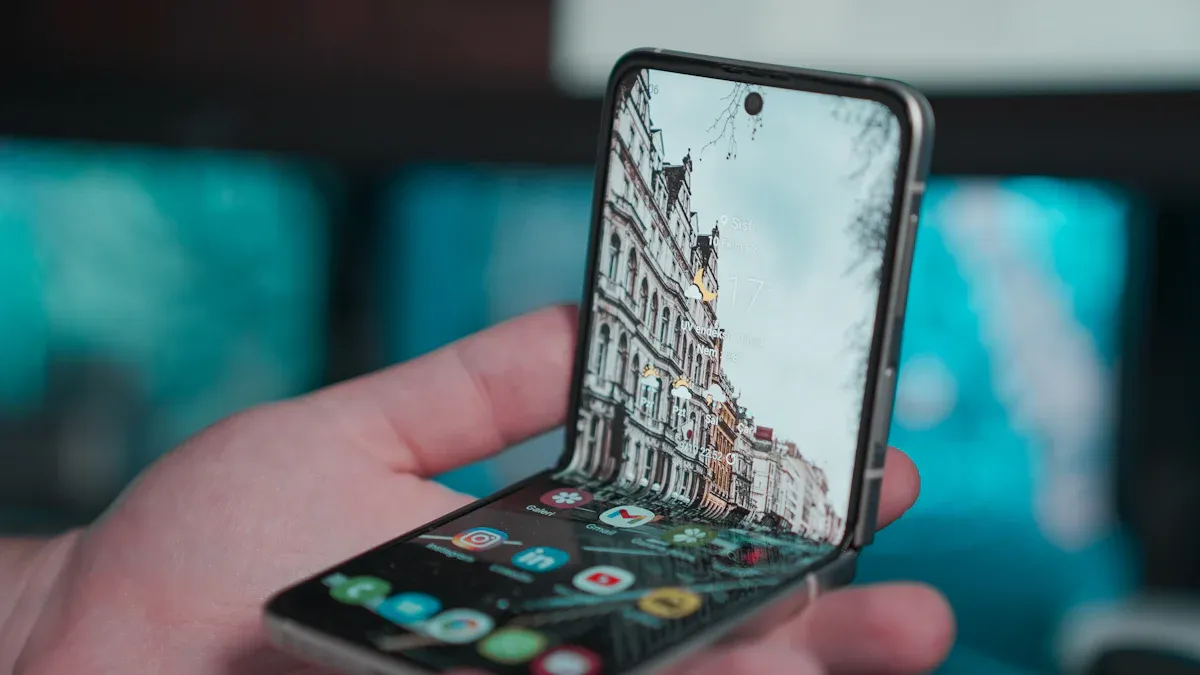
Flexible screens are used in many devices you know. Foldable smartphones have flexible led display technology. This lets you open and close your phone like a book. Smartwatches use flexible displays to fit around your wrist. They show clear information on a curved surface. These devices give you better pictures and make life easier. You see smooth images and fast touch controls. Flexible displays let you enjoy new designs and features in your gadgets.
Commercial Installations
Businesses use flexible displays to make strong visuals in public places. You can see these screens wrapped around columns in airports or malls. Flexible led display panels fit many shapes and surfaces. They are faster to install than traditional screens. You do not need heavy equipment to set them up. You see video walls and curved designs in ads and entertainment spots. These displays save energy and can be changed for different needs.
Feature | Flexible LCD Displays | Traditional LED Screens |
|---|---|---|
Adaptability | Can conform to various shapes and surfaces | Rigid and limited in shape |
Installation Speed | 50% faster installation | Slower installation requiring heavy trusses |
Creative Applications | Ideal for unique advertising and entertainment | More common in corporate settings |
Cost | Generally higher due to advanced technology | Lower cost for basic installations |
Pixel Density | Lower pixel density for close viewing | Higher pixel density for detailed displays |
Flexible displays can wrap around things like baggage carousels. You get a wide 180° viewing angle. The screen stays bright and shows good colors, even outside. These screens are light, so you can set them up fast for events.
Creative Uses
You can use flexible displays for creative projects that flat screens cannot do. Architects use them to make media facades on buildings. Designers build cool hallways with moving pictures. Artists use flexible screens in public art to mix digital art with real spaces.
Application Type | Description |
|---|---|
Media Facades | Architects use flexible LED technology to create interactive media facades on buildings. |
Immersive Corridors | Flexible displays can transform corridors into immersive experiences with dynamic content. |
Public Art Installations | Artists utilize flexible screens to integrate digital art with physical spaces, enhancing engagement. |
Spherical screens give you a full 360° view and can show maps. You see special shapes and designs in art shows and on stages. Flexible displays help you make new visual ideas and stand out.
Tip: Use flexible displays in creative spaces if you want strong visuals and smooth designs.
You have seen the core differences between flexible and traditional displays. Flexible LED displays let you bend, curve, and wrap screens for creative projects. You get more design freedom and easy installation. Traditional LED screens give you strong performance and last longer outdoors. They work best for billboards and sports arenas. Think about your space, budget, and goals. Choose the display that matches your needs and brings your ideas to life.
What Is a Flex LCD Display and Its Applications?
A flexible (flex) LCD display replaces the rigid glass substrate of a traditional LCD with a thin, flexible plastic film. While it cannot achieve the extreme foldability or rollability of flexible OLED, it offers unique advantages in cost, brightness, and durability – opening up new possibilities for large‑format, curved, or outdoor displays.
Note: This article focuses on physically bendable LCD panels enabled by flexible backplane technology. There are also mechanically‑engineered “curved” displays that use rigid panels, but those are not discussed here.
💡 How Does a Flexible LCD Become Flexible?
The key is replacing conventional silicon‑based TFTs with Organic Thin‑Film Transistors (OTFTs). This allows the entire display to be manufactured on a flexible plastic substrate using low‑temperature, roll‑to‑roll printing processes – eliminating the need for fragile glass. This technology is often called OLCD (Organic Liquid Crystal Display).
⚔️ Flexible LCD vs. Flexible OLED – Key Differences
Feature | Flexible LCD | Flexible OLED |
|---|---|---|
Light emission | Requires a backlight; liquid crystals rotate to block or pass light | Self‑emissive (each pixel lights itself); no backlight needed |
Thickness | Thicker (~1.2 mm) | Very thin (can be <0.3 mm) |
Cost | Low – roughly 2–3x cheaper than flexible OLED | High – about 1.7x the price of LCD for the same size |
Brightness & lifespan | Maintains high brightness with long lifespan | High brightness accelerates organic material degradation |
Flexibility | Bendable (minimum bend radius ~5 mm); not suitable for repeated folding | Highly flexible – can roll or fold, withstands ~50,000 folding cycles |
Image quality | Contrast ratio ~1500:1; good sunlight readability | Excellent contrast (up to 1,000,000:1) and wider colour gamut |
✨ Advantages & Limitations of Flexible LCD
✅ Key Advantages
Cost‑effective – The most economical option for large‑area flexible displays.
High brightness & long life – Ideal for always‑on outdoor or automotive applications.
Durable – Plastic substrate resists shattering and absorbs impact better than glass.
Shape‑adaptable – Can conform to various curves and be custom‑cut (e.g., for circular or notched designs).
Wide operating temperature – Functions from -30°C to 85°C, suitable for harsh environments.
⚠️ Main Limitations
Limited bendability – The backlight layer prevents tight folding (cannot be folded like OLED).
Viewing angle variation – Curved panels may show slight brightness or colour non‑uniformity at the edges.
Backlight bleed risk – Poor mechanical design during bending can cause light leakage.
🌍 Major Applications of Flexible LCD
Industry | Why Flexible LCD Is Used |
|---|---|
🚗 Automotive displays | Most promising application – curved instrument clusters, centre consoles, and passenger displays. Advantages: high brightness, durability, and lower cost vs. OLED. |
🏭 Industrial & medical equipment | Control panels for endoscopes, oil/gas monitoring screens, and professional instruments. Benefits: excellent vibration resistance and wide temperature tolerance. |
🏬 Commercial & digital signage | Curved or long‑strip advertising screens in airports, shops, and transit hubs. Advantages: low cost and shape customisation. |
⌚ Smart wearables | Limited use – occasionally found in larger (non‑curved) smartwatches or fitness bands where cost is critical. |
📱 Consumer electronics | Niche applications – primarily in large devices like laptops to achieve borderless or thinner designs. Seen in some concept products. |
While flexible OLED dominates the premium consumer electronics market, flexible LCD holds its own in automotive, industrial, and commercial signage – especially where cost, brightness, and long life matter more than extreme bendability.
If you’re interested in a specific application area (e.g., automotive displays), feel free to ask for more details.
FAQ
What is a flex LCD display and where can you use it?
A flex LCD display is a screen that bends or curves. You can use it in foldable phones, smartwatches, curved signs, or creative displays in public spaces. It fits places where flat screens cannot work.
How do flexible LCD displays compare to traditional screens in durability?
Flexible LCD displays handle bending and twisting better than traditional screens. You can use them in busy areas. Traditional screens work best in fixed, flat spots and last longer outdoors.
Are flexible LCD displays harder to install than traditional screens?
You can install flexible LCD displays faster. They are light and fit curved or odd shapes. You do not need heavy supports. Traditional screens need flat surfaces and strong frames.
Do flexible LCD displays cost more than traditional screens?
Yes, flexible LCD displays usually cost more. You pay extra for their bending ability and creative design options. Traditional screens cost less for standard, flat uses.
Can you repair flexible LCD displays easily?
You can fix flexible LCD displays from the front. This makes repairs quick and simple, even in tight spaces. Traditional screens often need repairs from the back, which takes more time.
See Also
Pros And Cons Of Using LCD Display Screens
Essential Insights Into The Benefits And Drawbacks Of LCD Screens
Selecting The Ideal LCD Round Display For Your 2025 Project
