Elevator Digital Signage Providers Compared for 2026
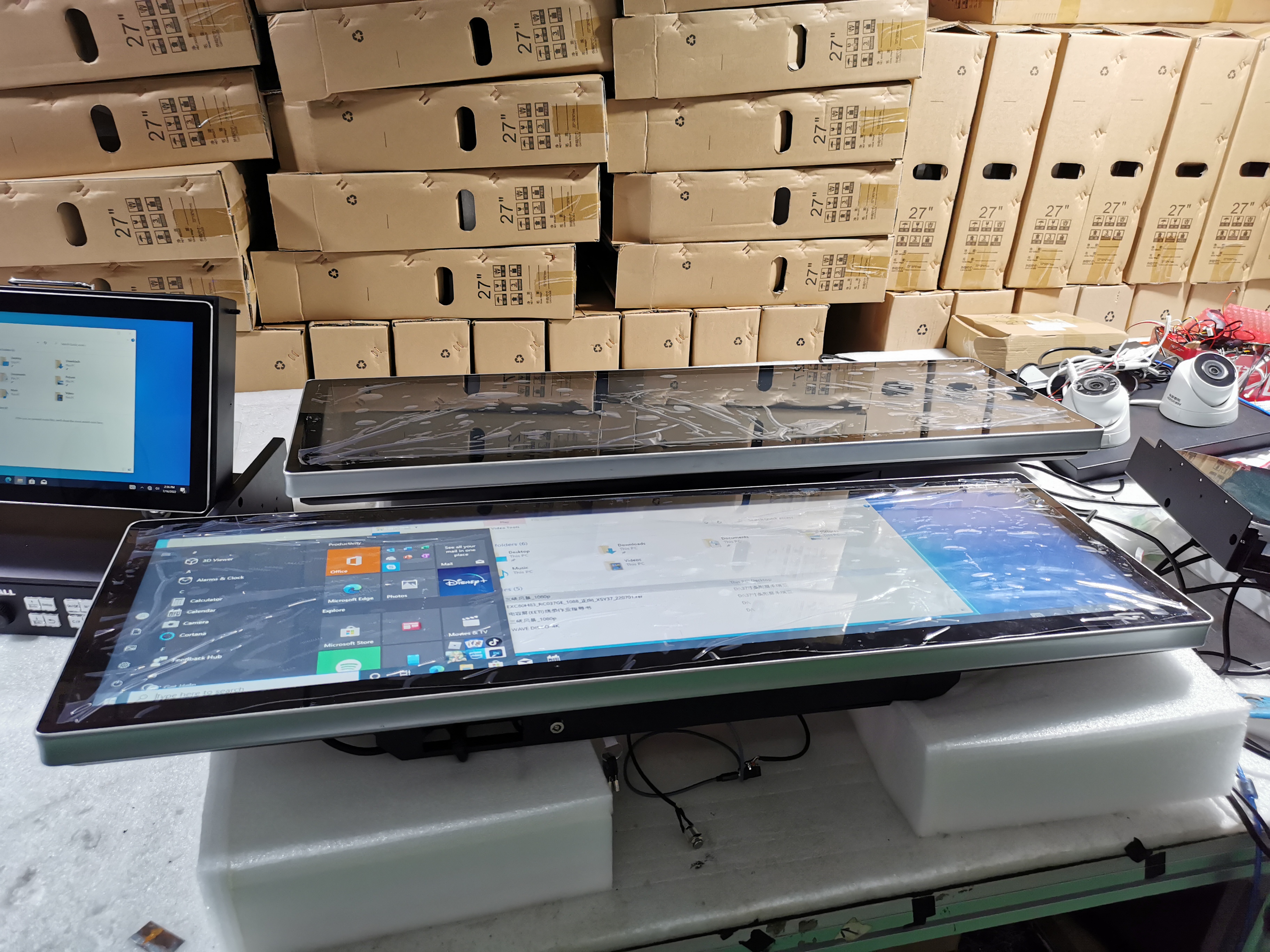
Shenzhen TopAdkiosk Display Technology Co., Ltd.
Add.: 2F, Bldg 10, Changfeng Industrial Park, Dongkeng, Fenghuang, Guangming, Shenzhen, China 518132
Mobile/WHATSAPP: 86-138 25769658
Email: marketing@topadkiosk.com topadkiosk@gmail.com
Skype: pghenry1
Wechat: adkioskhenry
English Web.: http://www.topadkiosk.com/
https://www.topkioskdisplay.com/
http://www.ad-kiosk.com/
https://www.toplcddisplay.com/
http://www.multitouchdigitalsignage.com/
https://www.youtube.com/channel/UCYVYNJHxLVEcQD8fuUxXNTA/videos?view_as=subscriber
https://www.facebook.com/TOPADKIOSKSHENZHEN/?ref=bookmarks
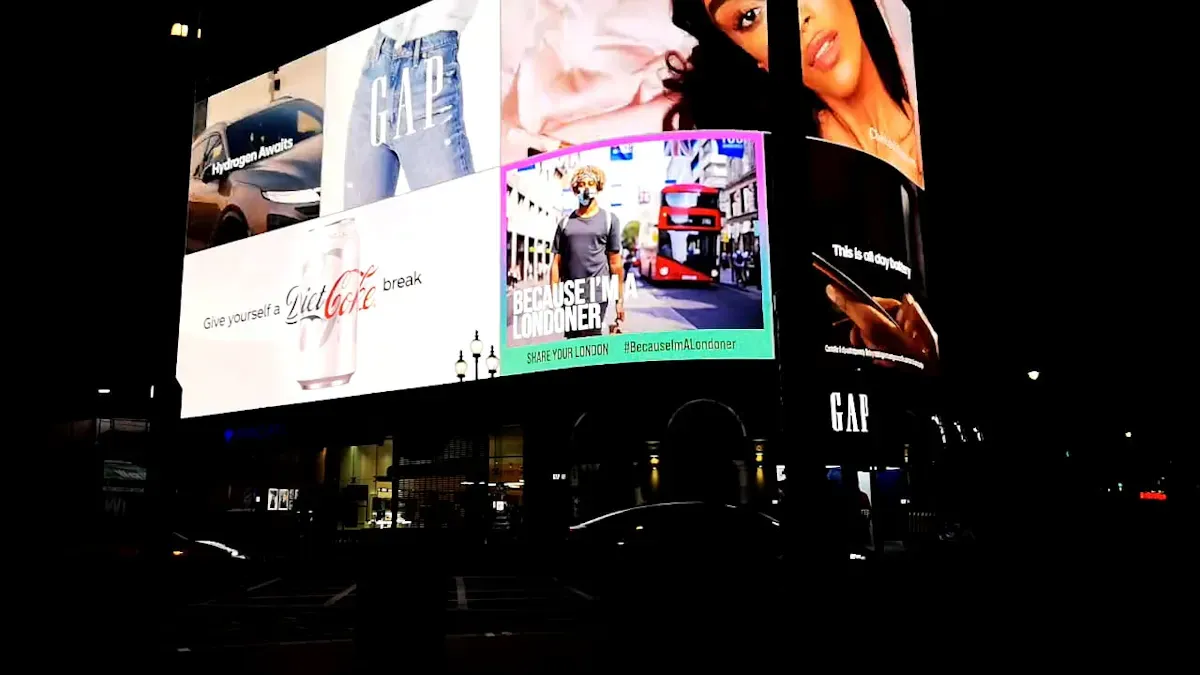
You want to find out which elevator digital signage providers are best in 2026. Qtenboard is a top pick. It gives safe and custom elevator digital signage for places like banks and hospitals. The digital signage industry is now worth almost $29 billion. More buildings use elevator digital signage every year. Many building owners want to get these systems soon. The market will grow by up to 10% each year. Elevator digital signage helps you connect with tenants, share news, and make money. You can learn more about Qtenboard and other options at https://www.topkioskdisplay.com/.
Key Takeaways
Qtenboard is a great pick for elevator digital signage. It has safety features and lets you change settings for different buildings.
Elevator digital signage is becoming more popular. Experts think it will be worth $2.5 billion by 2033. This means building owners should think about using these systems.
Important things to look for are real-time updates, screens you can touch, and good analytics. These help keep tenants interested.
When you pick a provider, think about how much it costs to set up, how easy it is to use, and how safe it is. This helps you find what works best for your building.
Good customer support matters a lot. Pick providers who give help all day and night and offer training. This keeps your digital signage working well.
Elevator Digital Signage Market Overview
Why Elevator Digital Signage Matters in 2026
You can see elevator digital signage in many new buildings. This technology lets you share news, safety alerts, and event updates with people. The screens can show ads to people who use the elevators a lot. This helps you make money from advertising, tenant promotions, and sponsorships.
You can talk to your tenants better. You can send messages right away about building repairs or emergencies. This helps keep everyone safe and up to date. Some screens have directories and health tools. These features help people find what they need or get help fast.
Note: The elevator media market could be worth $2.5 billion by 2033. It may grow by 8.5% each year from 2026 to 2033. This means more businesses think digital signage in elevators is important.
You can use data to make your messages better. Real-time and personal messages get more attention. This helps advertisers and building owners sell more. In fast-growing cities, like in Southeast Asia and Latin America, you can use touchscreens and QR codes. These tools let you talk to people right away. They also help you earn money and see how well your ads work.
Key Trends and Innovations
You will see new trends in elevator digital signage in 2026. The table below shows the main new ideas:
Innovation Type | Description |
|---|---|
Interactive Experiences | People can use the screens and make the experience more fun and helpful. |
Cloud Management | You can change and control the screen content from far away using the cloud. |
Data Analytics | Tools help you see who watches the screens and make your messages better. |
Hardware Technologies | New screens, like commercial LCD and dvLED, are brighter and clearer. |
These trends help you talk to tenants better, get them more involved, and make more money in your building.
Leading Competitors in Elevator Digital Signage
Top Providers List
You want to know which digital signage provider is best in 2026. Many buildings now have new elevator screens. There are more choices every year. Websites like Digital Signage Today, Gartner Peer Insights, and LinkedIn show the top companies. These websites help you find the most trusted options for your building.
Here are the five most well-known elevator digital signage providers for 2026:
Qtenboard
Navigo Digital Signage Solutions
Navori Elevator Signage
Mues-Tec Elevator Screens
ScreenCloud Elevator Media
You see these names a lot in industry lists. Each company has its own special strengths. You can count on these top companies to give you good and new ideas for your elevators.
Tip: Always read new reviews and case studies before you pick a digital signage provider. This helps you learn how each company works in real buildings.
Selection Criteria
You need to know how experts pick the best digital signage provider for elevators. You want a provider that fits your building and makes tenants happy. Experts use different rules to compare companies and choose the right one for 2026.
Here are the main things you should think about:
Space Constraints & Compliance/Safety Requirements
You want a provider who knows elevator space is small and follows safety rules.Durability
You need a provider with screens that last in busy elevators.Installation Costs
You look for a provider with clear prices and easy setup.Content Management
You want simple tools to change and control your elevator screens.Security
You need a provider who keeps your data safe and protects your system.User Experience
You want screens that are easy for tenants and visitors to use.Power Consumption
You look for screens that save energy and do not waste power.Connectivity
You need a provider with strong and steady connections for fast updates.
You should check each provider using these points. This helps you pick the best one for your building. The top companies do well in most of these areas. You get better results when you choose a provider that matches your needs.
Note: You can ask each digital signage provider about their safety, how long their screens last, and their support. This helps you make a smart choice.
Digital Signage Solutions Comparison

Features and Functionality
You want to pick the best digital signage for your elevators. Each choice has special features that help you reach your goals. Some digital signage solutions give real-time updates. Others let you use advanced analytics and plan content ahead of time. Some platforms support interactive touchscreens, emergency alerts, and branded content. These features help you keep tenants updated and interested.
You should find solutions that let you change content for your building. The best digital signage lets you match your branding and messages. You can use real-time data to show weather, news, or alerts. Some solutions have templates, so you can make messages fast. You also get tools for approving and planning content, which saves time and helps you do better.
Provider | Key Features | Real-Time Updates | Interactive Screens | Analytics | Custom Branding |
|---|---|---|---|---|---|
Qtenboard | Emergency alerts, templates | Yes | Yes | Yes | Yes |
Navigo Digital Signage | Directory, health tools | Yes | Yes | Yes | Yes |
Navori Elevator Signage | Advanced scheduling, automation | Yes | No | Yes | Yes |
Mues-Tec | Touchscreen, QR code integration | Yes | Yes | No | Yes |
ScreenCloud | Cloud-based, easy content control | Yes | No | Yes | Yes |
Tip: Pick a solution with features that fit your building. Real-time content and analytics help you talk to people and check how well your screens work.
Usability and Integrations
You want a platform that is simple to use and works with your building systems. The best digital signage gives you easy dashboards for managing content. You can drag and drop content, plan updates, and check screens from anywhere. This saves you time and makes things easier.
Integration is important for safety and how well things work. Many solutions connect with building management and emergency alert systems. This lets you send messages right away during emergencies. Advanced solutions link with other building tech, so you can automate safety steps. You can also connect your digital signage with access control or visitor systems. This makes your building smarter and more efficient.
You get lots of ways to change content and branding.
You can connect your solution with building management and emergency alert systems.
Advanced setups let you link signage with other building tech for safety.
Integration takes planning, but it makes your building safer and better.
Note: The best digital signage makes integration easy. You should ask providers how they help with integration and support.
Pricing Models
You need to know how much each solution costs. Pricing for elevator digital signage is different for each provider. Some charge one fee for hardware and setup. Others use a subscription, so you pay every month or year for software and help. You may also pay for content, analytics, and extra features.
You should compare costs for hardware, software, and support. Some solutions have bundles, which can save you money. Others charge more for special features like analytics or advanced integration. Always ask for a clear list of costs before you choose.
Provider | Hardware Cost | Software Cost | Support Cost | Analytics Cost | Total Cost Model |
|---|---|---|---|---|---|
Qtenboard | Medium | Subscription | Included | Extra | Subscription + Add-ons |
Navigo Digital Signage | High | One-time | Extra | Included | Upfront + Support Fees |
Navori Elevator Signage | Low | Subscription | Included | Included | Subscription |
Mues-Tec | Medium | Subscription | Extra | Not offered | Subscription + Support |
ScreenCloud | Low | Subscription | Included | Included | Subscription |
Tip: Add up the total cost for three to five years. This helps you compare and avoid surprise costs.
Customer Support
You want good support for your digital signage. The best providers give 24/7 help, training, and online guides. You can get help by phone, email, or live chat. Fast answers make your experience better and keep your screens working.
Some solutions include support in the subscription price. Others charge more for special help or on-site visits. You should check if your provider gives updates and security fixes. Good support keeps your digital signage working well and helps you do your job.
Qtenboard and Navori give strong support with fast answers.
Navigo has guides and training for new users.
Mues-Tec and ScreenCloud have online help centers and forums.
You should ask about support hours, how fast they answer, and what is included.
Note: Good support helps you fix problems fast and keeps your digital signage working its best.
You can see that the best digital signage solutions are different in features, how easy they are to use, integration, cost, and support. You should pick the one that fits your needs. Focus on real-time content, working with building systems, and total cost. This helps you choose the best digital signage for your elevators and makes your building work better.
Provider Snapshots and Use Cases
Navigo Digital Signage Solutions
You can use Navigo Digital Signage Solutions to help people in your building. This platform gives you interactive wayfinding and updates right away. You can show videos and slideshows to make elevator rides more fun. Scan-to-mobile lets visitors get info on their phones. You can control the screens from anywhere with remote access. Visitor management and resource scheduling help you keep things organized.
Key Features | Best Use Cases |
|---|---|
Interactive wayfinding | Helping visitors find their way in big buildings |
Real-time content updates | Keeping info fresh for tenants and visitors |
Engaging displays (videos, slideshows) | Making elevator rides better for visitors |
Scan-to-mobile functionality | Letting people get info on their phones |
Remote control access | Changing screens from anywhere fast |
Visitor management | Making check-in easier for visitors |
Resource scheduling | Keeping building resources organized |
You get good tools for talking to tenants and showing videos or pictures. Navigo works well in office towers, hospitals, and hotels.
Navori Elevator Signage
Navori Elevator Signage gives you smart tools for talking to people. You see smooth videos and clear pictures. The platform uses AI to see how people react right away. You get lots of info about how people use your screens.
Pros | Cons |
|---|---|
Better video quality and smoothness than web-based tools | More technical, so you need IT skills |
Smart AI for real-time audience checks | Expensive because it is a pro tool |
You get digital signage with lots of content and smart analytics. Navori is best for fancy buildings where you want top engagement and data.
Mues-Tec Elevator Screens
Mues-Tec Elevator Screens help you talk to people in elevators. You can use touchscreens and QR codes to connect with tenants and visitors. The screens show videos, pictures, and quick updates. You can use these screens for ads, messages, and emergency alerts. Mues-Tec works well in apartment towers and mixed-use buildings.
Best Use Cases:
Sharing news and events with tenants
Running interactive ads for local shops
Sending emergency alerts right away
You get strong tools that help you reach people in busy elevators.
ScreenCloud Elevator Media
ScreenCloud Elevator Media gives you an easy way to manage your screens. You use a cloud dashboard to change content from anywhere. The platform shows images, videos, and live news. You can connect with building systems for emergency messages. ScreenCloud is good for property managers who want simple setup and strong engagement.
Best Use Cases:
Sharing building news with tenants
Showing weather, news, and local ads
Managing screens in many places
You get a flexible solution that helps you share videos and news and keeps tenants up to date.
Choosing the Right Elevator Digital Signage Solution
Factors by Business Size
You need to pick elevator digital signage that fits your business size. Small businesses like simple solutions that are easy to set up. These options do not need much work and cost less. This helps small teams save time and money. Big companies want systems that can grow and handle more screens. They use cloud-based cms to control many screens in different places. This gives them more control as their business gets bigger. Always make sure the provider gives support that works for your team.
Industry-Specific Needs
Think about your industry before you choose a provider. Different places need different features:
Residential buildings use screens to share news and local services.
Commercial spaces show ads, events, or live shows.
You can help tenants with deals and work with local shops.
Property managers use screens to talk about building services.
Real-time info and ads make rides better and help your brand.
When you change your messages for your audience, your screens work better. This makes your signage more useful and helps you reach your goals faster.
Customization and Scalability
You need to change and grow your signage as your needs change. Look for solutions that let you change content and keep your brand the same. Make sure it fits your budget too. You can pick printed signs or digital displays. Some providers have face change signs, so you can update messages without buying new hardware. Being flexible helps you meet new needs.
Digital signage connects spaces, systems, and people. Plan for IT and security early to make things work well. Pick a platform that is made for integration, so you can grow later.
To check roi, follow these steps:
Write down all costs, like hardware and upkeep.
Use analytics to see benefits like sales or savings.
Find roi with this formula: (Total Benefits – Total Costs) ÷ Total Costs × 100.
Test changes to see what works best.
Link analytics with other systems for better info.
You can make your building safer and work better by linking signage with building systems:
Integration Method | Description |
|---|---|
Emergency Alarm System Integration | Screens show safety messages when alarms go off. |
Building Management System Integration | Screens work with other building systems for better communication. |
Tip: Fix planning and workflow problems early. This helps you avoid content issues and get the most from your signage.
Summary Table of Competitors
Key Differences at a Glance
You want to see how the top elevator digital signage providers are different. The table below shows the main things that make each provider special. You can use this table to find the provider that fits what you need.
Provider | Key Features | Pricing Model | Support Level | Unique Offerings |
|---|---|---|---|---|
Qtenboard | Emergency alerts, templates, analytics | Subscription + Add-ons | 24/7, fast response | Custom safety tools for banks/hospitals |
Navigo Digital Signage | Wayfinding, visitor management | Upfront + Support Fees | Guides, training | Scan-to-mobile, resource scheduling |
Navori Elevator Signage | AI analytics, advanced scheduling | Subscription | 24/7, expert help | Real-time audience measurement |
Mues-Tec | Touchscreens, QR code integration | Subscription + Support | Online help center | Interactive ads, multi-language |
ScreenCloud | Cloud dashboard, easy integration | Subscription | Online, live chat | Simple setup, multi-location control |
Tip: Look at the table and think about what is most important for you—features, price, or support.
Qtenboard is good if you want strong safety and custom alerts.
Navigo is best for managing visitors and resources in big buildings.
Navori gives you smart analytics and really good video quality.
Mues-Tec lets you use touchscreens and show interactive ads.
ScreenCloud helps you control lots of screens from one place.
You should think about what your building needs most and pick the provider that matches your goals. If you want to know more, you can ask for a demo or read what other users say. This will help you choose the best elevator digital signage for your building.
You can spot big differences between elevator digital signage providers. They are not the same in features, price, or support. To pick the best one, think about what you need most. Use cloud-based management so you can update screens easily. Choose hardware that is bright and lasts a long time. Put screens where people can see them and stay safe. Use smart scheduling and templates to make content automatic.
You can match your signage to your business goals in a few ways. First, check how your campaigns do in real buildings. Next, watch attention numbers to see if people look at your screens. Try different content to see which one works best.
A good choice helps your building share news, connect with people, and get better.
Why Digital Signage Is Important for Elevators
Elevators are unique enclosed spaces where people spend short periods of time, have relatively focused attention, and often cannot use their phones (due to poor signals). This makes elevators a highly valuable environment for digital signage. Below are the core reasons why digital signage in elevators is so important.
🎯 1. High‑Value "Captive Attention" Media
Distraction‑free environment – Inside an elevator, passengers usually have nothing to do, so their eyes naturally gravitate toward a screen. This attention is both "active" and "exclusive", making message delivery far more efficient than in many other environments.
Short but high‑frequency exposure – Each ride lasts about 30–60 seconds, but people ride multiple times a day, resulting in high cumulative frequency. This "short‑burst, high‑frequency" pattern is ideal for communicating simple, impactful brand messages or promotions.
📢 2. Real‑Time Information & Safety Communication
Emergency notifications – In case of fire, elevator malfunction, or building emergency, digital signage can instantly switch to evacuation instructions, reassurance messages, or operational guidance – far more flexible than static signs.
Health & hygiene reminders – Dynamically display today’s sanitisation record, mask‑wearing reminders, social distancing requests, and other public health information, enhancing occupants’ sense of safety.
Floor & facility wayfinding – In hotels, office towers, and hospitals, screens can show the current floor, company/department directories, meeting/event schedules, or clinic appointment information.
🏢 3. Enhances Building Professionalism & User Experience
Modern & tech‑forward image – Dynamic screens look far more premium than traditional poster frames, aligning with the brand positioning of office buildings, luxury apartments, and high‑end hotels.
Reduces waiting anxiety – Playing relaxing music videos, weather forecasts, news briefs, or fun facts can ease passengers’ impatience while waiting for or riding in the elevator.
Improves internal communication – Property management can push power outage notices, holiday greetings, waste sorting guidelines, etc., to all tenants without posting paper notices on every floor.
💰 4. Generates Advertising Revenue & Commercial Value
Building media monetisation – Office and residential elevator screens are prime locations for companies like Focus Media. Property owners can generate ongoing income by leasing screen time.
Precision contextual marketing – For office buildings, promote office supplies, group meal ordering, gyms, training courses; for residential elevators, advertise fresh grocery delivery, housekeeping services, home renovation, education, and local merchants.
Interaction & conversion – With QR codes, passengers can scan while waiting for the elevator to get coupons or join events, turning attention into actual sales.
🛠️ 5. Operational Efficiency & Content Management Advantages
Remote real‑time updates – No need to manually replace posters. All elevator screens in a building can be managed centrally via a cloud platform, showing different content by time of day or by floor/wing.
Data & optimisation – Track play counts and time slots; combine with foot traffic sensors or cameras (with privacy protection) to analyse content engagement, guiding ad pricing and creative design.
Eco‑friendly & energy‑saving – Reduce paper waste from printed posters. LED/LCD power consumption is controllable, and with motion sensors, screens can go into standby when no one is present and light up when people enter – saving even more energy.
🧾 Typical Application Scenarios at a Glance
Scenario | Example Content | Core Value |
|---|---|---|
Office building | Tenant directory, job postings, cafeteria menu, ride‑sharing / taxi booking | Enhances workplace convenience |
Hotel | Breakfast hours, event schedules, local travel recommendations, hotel services | Improves guest experience |
Hospital | Floor/ward directory, doctor schedules, health tips, queue status | Reduces patient anxiety |
Residential | Property notices, community events, concierge services, local merchant offers | Builds a community information hub |
Shopping mall / mixed‑use | Floor‑by‑floor brand guide, daily promotions, membership events, parking locator | Guides foot traffic, drives sales |
💎 Summary
The importance of elevator digital signage stems from its unique media value (captive attention, high frequency) and practical functions (real‑time information, safety guidance, image enhancement). For building managers, it is a low‑investment, high‑return tool that simultaneously improves service levels, generates non‑rent revenue, and modernises building operations. For advertisers, it is the last few metres of a golden touchpoint to reach high‑value offline audiences.
Let me know if you would like a printable version or a deeper dive into any specific use case!
'How elevator digital signage enhances communication and engagement.'
We need to produce a response on "How elevator digital signage enhances communication and engagement." The user asked for this topic, likely wanting a detailed explanation. We should provide a structured answer covering benefits: captive audience, real-time updates, safety, branding, etc. Use English.
Here is a detailed response on "How elevator digital signage enhances communication and engagement" — focusing on the unique advantages of elevators as a communication channel.
How Elevator Digital Signage Enhances Communication and Engagement
Elevators are one of the few environments where people are physically contained, have little to do, and actively look for something to read or watch. This makes elevator digital signage exceptionally effective at both delivering messages and driving audience engagement. Here’s how.
1. 🧠 Leverages “Captive Attention” for Higher Recall
Unlike a billboard on a highway or a TV ad at home, an elevator screen cannot be easily ignored. Passengers have:
No alternative focus – no phone signal (often), no windows, no tasks.
Short but repeated exposure – multiple rides per day, each 30–60 seconds.
This combination leads to high message retention. Studies show that elevator ads have recall rates significantly above many other out‑of‑home formats because viewers are forced to look somewhere, and the screen is the natural focal point.
2. ⏱️ Delivers Real‑Time, Context‑Aware Information
Digital signage in elevators is not static. It can change instantly based on:
Time of day – morning coffee offers, lunch menus, after‑work event reminders.
Building events – fire drills, maintenance schedules, guest arrivals.
External data – weather, stock tickers, news headlines.
Emergency alerts – in a crisis, the screen can switch to evacuation maps or safety instructions immediately.
This real‑time capability transforms the elevator from a passive transport box into an active communication hub, keeping occupants informed and reassured.
3. 🎯 Boosts Internal Communication in Mixed‑Use Buildings
In office towers, residential buildings, hotels, and hospitals, elevator screens are one of the few channels that reach everyone who enters the building.
Building Type | Communication Examples |
|---|---|
Corporate office | Floor‑specific meeting reminders, cafeteria specials, HR announcements, visitor policies |
Residential | Package delivery notifications, amenity hours, board meeting summaries, recycling schedules |
Hotel | Breakfast buffet hours, spa promotions, local event recommendations, check‑out reminders |
Hospital | Wayfinding to departments, visitor guidelines, health tips, queue status for clinics |
This eliminates the need for paper flyers on every floor and ensures messages are seen at a moment when people are most receptive.
4. 🛍️ Drives Engagement Through Interactivity & QR Codes
Modern elevator signage can include:
QR codes – Scan to receive a coupon, join a loyalty programme, or download a building app.
Touchscreens (in higher‑end installations) – view floor directories, call maintenance, or check event schedules.
Countdown timers – “Next guest speaker in 10 minutes” creates anticipation.
These interactive elements turn a passive viewing experience into an action‑oriented engagement, directly linking content to behaviour (e.g., visiting a store, attending an event).
5. 📈 Increases Engagement Metrics vs. Static Signage
Static posters in elevators suffer from:
Information decay – same message for weeks → eyes glaze over.
No measurement – impossible to know if anyone looked.
Digital signage offers:
Dynamic rotation – fresh content every ride → repeated attention.
Proof‑of‑play logs – know exactly what was shown and when.
Optional sensors – dwell time, audience counts (privacy‑safe) to optimise content.
This data allows building managers and advertisers to continually improve engagement by testing headlines, visuals, and calls‑to‑action.
6. 🏢 Enhances Brand Image & Tenant/Loyalty Satisfaction
A sleek, well‑managed elevator screen signals that the building is modern, professional, and occupant‑focused. Benefits include:
Higher perceived value – tenants feel informed and cared for.
Reduced perceived wait time – engaging content makes the ride feel shorter.
Positive distraction – in hospitals or stressful environments, calming content reduces anxiety.
For brands advertising in elevator screens, the association with a well‑maintained building transfers trust and quality to their own message.
7. 🔁 Supports Multi‑Channel Communication Campaigns
Elevator signage works best when integrated with other channels:
Lobby screens → direct people to the elevator for floor‑specific details.
Elevator screens → reinforce the message (e.g., “Don’t forget the town hall at 2 PM”).
In‑office screens / app push → follow‑up reminders.
This cross‑channel reinforcement increases overall campaign engagement by creating a consistent, omnipresent message environment.
📊 Quick Summary Table
Engagement Challenge | How Elevator Digital Solves It |
|---|---|
People ignore static posters | Dynamic content changes every ride, maintaining novelty |
No way to measure attention | Optional sensors and play logs provide data |
Emergency info needs speed | Real‑time override for instant safety messages |
Building occupants feel disconnected | Real‑time building‑specific updates (package alerts, events) |
Low interaction with ads | QR codes and touchscreens drive direct action |
Perceived wait time is long | Entertaining or useful content shortens the feeling of waiting |
💎 Conclusion
Elevator digital signage enhances communication and engagement by turning a captive, otherwise‑empty space into a dynamic information and interaction channel. It works because it respects the unique constraints of the environment (short dwell time, no phone use, repeated exposure) and uses them to its advantage. Whether for internal building communication, safety alerts, or paid advertising, elevator screens deliver higher attention, better recall, and measurable engagement compared to static alternatives.
Let me know if you would like a case study example or specific hardware recommendations for elevator installations.
please contact Shenzhen TopAdkiosk Display Technology Co.
FAQ
What is elevator digital signage?
Elevator digital signage shows news, alerts, or ads on screens inside elevators. These screens help you share messages with tenants and visitors fast.
How do you update content on elevator screens?
Most providers give you a cloud dashboard. You log in and upload your content. You can schedule updates and change messages from your computer or phone anytime.
Is elevator digital signage safe for building systems?
Yes, top providers follow strict safety rules. They use safe connections and hardware that meets building codes. You should ask your provider about their safety certifications.
How much does elevator digital signage cost?
You pay for hardware, software, and support. Some providers use subscriptions. Others charge one-time fees. The cost depends on features, screen size, and support level.
See Also
Exploring Upcoming Innovations in Digital Signage for 2026
Key Factors That Make Digital Signage Essential for 2026
Popular Digital Signage Players Gaining Attention in 2026
Best Ten Video Wall Solutions for Digital Signage in 2026
Enhancing Restaurant Efficiency with Digital Signage in 2026
