Do all weatherproof kiosks really protect outdoors
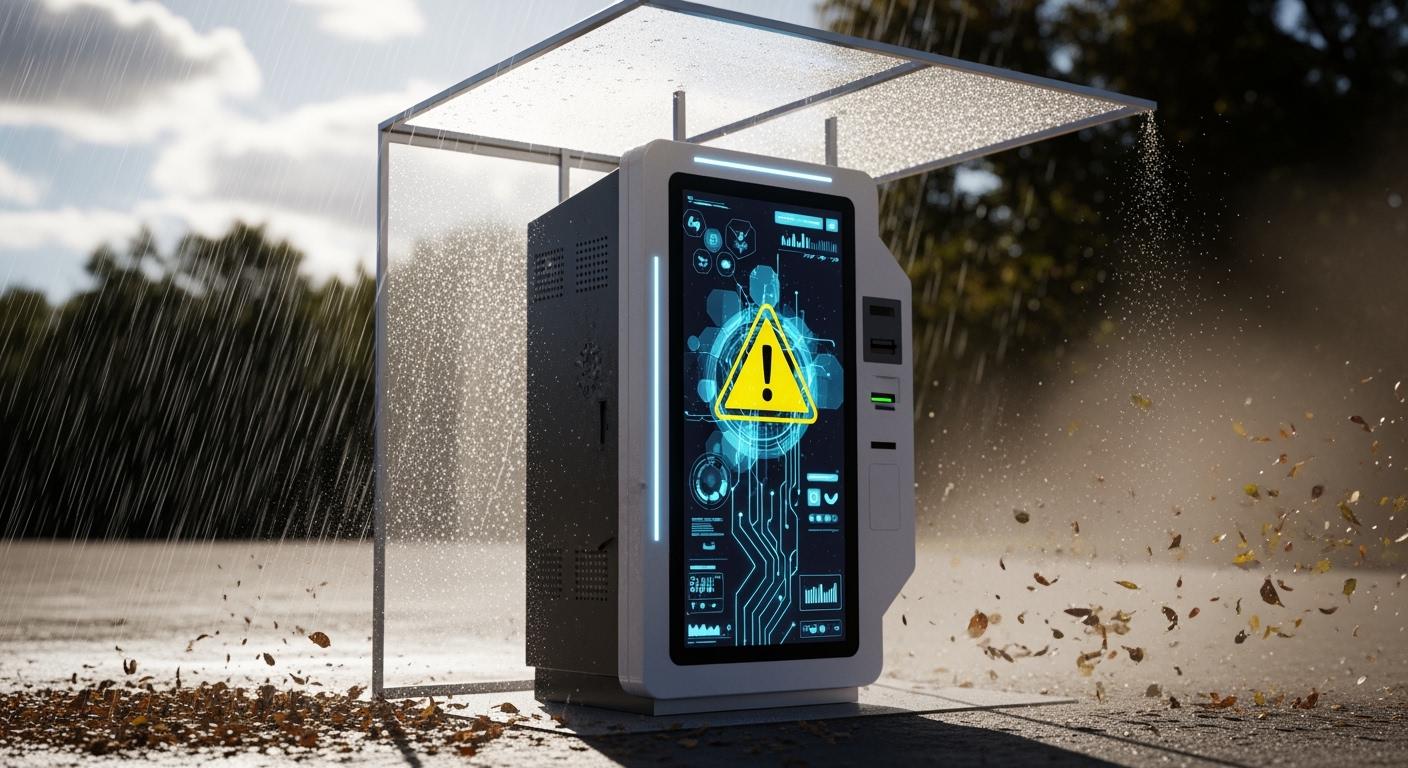
Not all weatherproof kiosks really protect outside. Some companies say their kiosks are strong, but it depends on how they are made. The materials and certifications matter a lot. Some kiosks break when it rains or gets hot or sunny. You should not trust just the ads. Look at the features and standards. Check how the kiosk works before you buy it.
Shenzhen TopAdkiosk Display Technology Co., Ltd.
Add.: 2F, Bldg 10, Changfeng Industrial Park, Dongkeng, Fenghuang, Guangming, Shenzhen, China 518132
Mobile/WHATSAPP: 86-138 25769658
Email: marketing@topadkiosk.com topadkiosk@gmail.com
Skype: pghenry1
Wechat: adkioskhenry
English Web.: http://www.topadkiosk.com/
https://www.topkioskdisplay.com/
http://www.ad-kiosk.com/
https://www.toplcddisplay.com/
http://www.multitouchdigitalsignage.com/
https://www.youtube.com/channel/UCYVYNJHxLVEcQD8fuUxXNTA/videos?view_as=subscriber
https://www.facebook.com/TOPADKIOSKSHENZHEN/?ref=bookmarks
Key Takeaways
Not every weatherproof kiosk works the same way. You should check what materials they use and what certifications they have. This helps you know if they can stay outside. Look for important features like waterproofing and temperature resistance. High-brightness screens help you see in sunlight. Always check the IP ratings of kiosks. A higher rating means it keeps out more dust and water. Pick kiosks made from strong materials like steel or aluminum. These materials last longer and do not get damaged by weather easily. Read reviews and ask sellers about test results. This helps you pick a kiosk that really works well outside.
Weatherproof Kiosk Features
Essential Outdoor Protections
When you pick a weatherproof kiosk, you need to know what keeps it safe outside. A real outdoor kiosk must stand up to rain, snow, dust, and bright sunlight. It needs a waterproof design to stop water from getting in, even in big storms. The kiosk should work in hot or cold weather, so it must handle different temperatures. The screen should be bright so people can see it in the sun. Anti-vandalism features, like special screws and strong locks, help protect the kiosk from damage. Accessibility is important too. The kiosk should be easy for everyone to use, including people with disabilities. Good network connections help the kiosk work all the time. Backup power, like solar panels, keeps it running if the power goes out. You also want a kiosk that is simple to clean and fix, so problems can be solved fast.
Here is a quick list of the most important features:
Waterproofing to block rain, snow, and dust
Temperature resistance for hot or cold weather
High-brightness screens for sunlight
Anti-vandalism protection
Accessibility for all users
Reliable connections and backup power
Easy cleaning and fixing
Low total cost to own
Experts say these features make a weatherproof kiosk ready for outdoor use.
Industry Standards and IP Ratings
You should always check if a weatherproof kiosk meets industry standards. These rules show how well the kiosk can handle tough outdoor weather. The most common standard is the IP rating. This rating tells you how waterproof and dustproof the kiosk is. For example, an IP65 rating means the kiosk is sealed against dust and can take water jets. An IP67 rating means the kiosk can be underwater for up to 30 minutes. Some kiosks have an IP68 rating, which means they can stay underwater for longer.
Here is a table showing common IP ratings:
IP Rating | Dust Resistance | Water Resistance |
|---|---|---|
IP65 | Completely sealed against dust | Can take low-pressure water jets |
IP67 | Dust-tight | Can be underwater for up to 30 minutes |
IP68 | Dust-tight | Can stay underwater for a long time |
You might also see NEMA ratings. These ratings are like IP codes and show how well the kiosk can handle rain, snow, and water from hoses. For example, NEMA 4 matches IP56 and protects against splashing and hose water. NEMA 6 matches IP67 and protects against being underwater for a long time. Always look for these ratings before you buy a weatherproof kiosk.
Materials and Build Quality
The materials and build quality decide how long your weatherproof kiosk will last outside. You want a kiosk made from strong, waterproof materials. Steel and aluminum are good choices because they do not rust and stay strong in bad weather. Tempered glass covers the screen and keeps it from breaking. Some kiosks use plastic or composite panels for extra strength. Powder coating on metal parts gives a finish that does not scratch and keeps water out. Anti-glare coatings help you see the screen in bright sunlight. Weather seals, made from rubber or silicone, keep water and dust out of the kiosk.
Here is a table of common materials and their benefits:
Material | Description |
|---|---|
Steel | Strong, does not rust |
Aluminum | Light, does not rust |
Tempered Glass | Hard to break, strong |
Plastic Panels | Tough, does not fade in the sun |
Composite Panels | Many layers, strong, stands up to weather |
Powder Coating | Does not scratch, lasts a long time |
Anti-Glare Coating | Makes screen easier to see |
Weather Seals | Rubber or silicone; keeps water out |
Build quality is just as important as the materials. Good kiosks use gaskets and sealed joints to keep water out. EPDM and silicone gaskets seal the edges and doors. O-rings and grommets protect cable holes and stop leaks. When you pick a weatherproof kiosk with these features, you get a strong and waterproof kiosk that lasts for years in rain, sun, and dust.
Comparing Outdoor Advertising Kiosks
When you compare outdoor advertising kiosks, you need to look at how each model stands up to real outdoor conditions. Not all kiosks offer the same level of protection or durability. Here is a quick table showing key weatherproofing features you should expect:
Feature | Description |
|---|---|
IP65+ rated enclosures | Keeps out dust and water, even in heavy rain. |
High-bright displays | Lets you see the screen in direct sunlight. |
Vandal resistance | Protects against damage from people or objects. |
Thermal regulation | Keeps the kiosk working in hot or cold weather. |
UV- and rust-resistant finishes | Stops sun damage and rust over time. |
Model 1: Key Features and Performance
Model 1 gives you strong weatherproofing with an IP65 enclosure. The display stays bright, even on sunny days. You get good vandal resistance and a finish that resists rust. The cooling system keeps the kiosk running in both summer and winter. Some users say the warranty covers most outdoor issues. However, you may find the maintenance schedule strict. If you want reliable outdoor advertising kiosks, Model 1 offers a solid choice for most climates.
Model 2: Key Features and Performance
Model 2 focuses on easy installation and low power use. The enclosure meets IP65 standards, so it blocks dust and water. The screen works well in sunlight, and the kiosk has basic vandal protection. You get a simple cooling fan for temperature control. The finish resists fading, but some users report minor scratches after long use. The warranty is shorter than others. For outdoor advertising kiosks in mild weather, Model 2 can work well.
Model 3: Key Features and Performance
Model 3 stands out for easy inspection. You can spot paint flaws, leaks, or rattles quickly. The design helps you find problems before they get worse. However, the paint chips easily, and water can get in around doors. Wind noise may bother you if the doors do not close right. In hot places, the trim may fade. Field reports show that in cold weather, the battery range drops, and the heating system may act up. If you use outdoor advertising kiosks in harsh climates, Model 3 may need extra care.
Model 4: Key Features and Performance
Model 4 gives you top weather resistance and strong durability. Stainless steel parts resist damage and stains. Galvanized steel offers a budget option with good results. You will not need much maintenance, just simple checks. The high initial cost may be a concern, but you get a long-lasting product. For outdoor advertising kiosks in busy or tough locations, Model 4 stands up well over time.
Tip: Always match the outdoor advertising kiosks you choose to your local weather and usage needs.
Common Weatherproof Kiosk Shortcomings
Marketing Claims vs. Reality
Many companies make big promises about outdoor kiosks. Sometimes, these promises do not match what you get. Some kiosks say they have high IP ratings or are fully waterproof. But the real product may not be as good as the ads say. Here are some ways marketing and reality are different:
IP ratings are often higher in ads than in real life. The kiosk may not keep water out as well as you hope.
Screens may not be bright enough. This makes them hard to see in sunlight.
Kiosks may say they handle heat. But bad cooling can cause problems.
Note: Always check if the weatherproof kiosk was tested for the weather you need. Do not trust only what the brochure says.
Typical Failures Outdoors
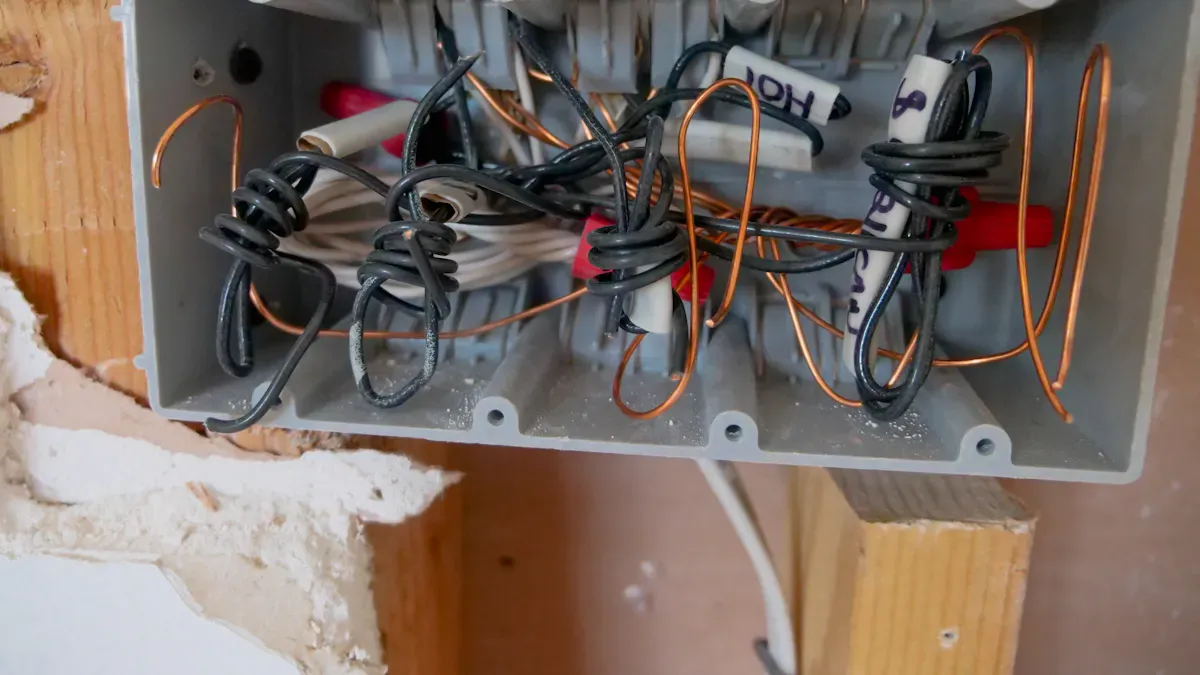
Outdoor kiosks have to deal with tough weather. Water getting inside is a big problem. If seals or drains do not work, water can get in and break the electronics. Bad temperature control can make the kiosk too hot. This can cause shutdowns or slow screens. Heat can also wear out parts over time. This makes the kiosk less reliable.
Here are some common failures:
Failure Type | Description |
|---|---|
Water can get inside and break the electronics. | |
Thermal throttling | High heat can slow the system and wear out parts. |
Improper installation | Bad setup can cause early failures and make the kiosk hard to use. |
Problems can happen if someone puts an indoor kiosk outside. Installers who do not know the risks can cause expensive repairs.
Overlooked Environmental Factors
Some risks do not get enough attention. Moist air can build up inside a kiosk. Even if it looks waterproof, moisture can still hurt the electronics. Sunlight can heat up the kiosk and make it unsafe to use. UV rays can fade colors and make materials weak. High humidity can break seals and adhesives.
Environmental Factor | Description |
|---|---|
Moist air can build up inside. Good seals and sometimes air conditioning help stop this. | |
Solar Loading | Sunlight can make the kiosk too hot. Shields or careful placement can help. |
UV Exposure | Sunlight can fade colors and weaken the kiosk in less than a year. |
Humidity | High humidity can break materials and cause failures over time. |
If you want your weatherproof kiosk to last, look at more than just waterproof claims. Think about all the ways weather can hurt your kiosk. Make sure you pick one that can handle every challenge.
Evaluating Weatherproof Kiosks Before Purchase
Outdoor Protection Checklist
You need a checklist before buying a weatherproof kiosk. This helps you know if it will work outside. Use the table below to help you check:
Category | Recommendations |
|---|---|
Durability and Weather Resistance | Pick strong construction, waterproofing, UV protection, and rust-proof finishes. Make sure the enclosure keeps water out. |
Security | Choose kiosks with strong locks, safe access, data encryption, and remote monitoring. |
Visibility and Accessibility | Get high-brightness, anti-glare screens, and ADA-compliant designs. |
Thermal and Environmental Management | The kiosk should have heating, cooling, and good airflow. |
Site Preparation and Certification | Make sure it mounts safely, follows local rules, and has certifications like UL or ISO. |
Vendor Expertise and Customization | Work with vendors who know how to design, install, and maintain kiosks. |
Cost and Functionality | Make sure your budget fits the features you need for easy use. |
A good weatherproof kiosk uses strong materials like stainless steel or aluminum. Extra powder coatings help protect it more. Engineers learn how to make kiosks that stay dry and last outside.
Questions for Vendors
Ask vendors if the kiosk works in very hot or cold weather. Check if it has UV protection to stop fading. Ask about waterproofing, like welded seams and gaskets that keep water and dust out. Make sure the parts are made for outdoor or industrial use. Ask if the kiosk has a watertight enclosure and good insulation. Vendors should tell you about tests, like water resistance, temperature, and vandal resistance. These questions help you choose kiosks that last outside.
Tip: Always ask for proof of testing and certifications before you buy.
Importance of Testing and Reviews
Testing shows if a weatherproof kiosk can survive outside. Look for test results like these:
Test Type | Description |
|---|---|
Soak Test | The kiosk gets sprayed with water to check for leaks. |
Icing Test | The kiosk is put in freezing cold to see if it still works. |
Humidity Test | The kiosk is tested to see if it can handle wet air. |
Temperature Test | The kiosk is checked in hot and cold weather. |
UV Exposure Test | The kiosk sits in sunlight to see if it fades or breaks. |
Shock & Vibration | The kiosk is shaken to see if it can handle bumps and movement. |
Read reviews from people who used the kiosk. These reviews show how it works in real life. They help you avoid problems and pick a strong, waterproof kiosk.
Not every weatherproof kiosk keeps you safe outside the same way. You should look at real features, not just what ads say. Use a checklist and compare different models before picking one. Check for stainless steel, light paint, and strong IP ratings. Reviews from other people and real tests can help you choose the best kiosk.
Feature | Description |
|---|---|
Stays safe in rain, snow, and dust | |
Temperature Resistance | Works well in hot and cold places |
Screen Brightness | Screen is easy to see in sunlight |
Tip: Test the kiosk in your own weather before you buy it.
FAQ
What makes a waterproof advertising kiosk different from a regular kiosk?
A waterproof advertising kiosk has special seals and strong materials. Its design is tested to keep out rain and dust. You can put it outside and not worry about water or dirt. Regular kiosks do not have these protections. They can break fast if used outdoors.
How do I know if a waterproof advertising kiosk is truly weatherproof?
You should look for IP ratings like IP65 or higher. Ask the seller for test results and certifications. A real waterproof advertising kiosk will show proof it blocks water and dust. Do not just believe what the label or ads say.
Can a waterproof advertising kiosk handle extreme temperatures?
Yes, many waterproof advertising kiosk models have heating and cooling systems. These features help the kiosk work in hot summers and cold winters. Always ask the vendor about the temperature limits before you buy.
Why is maintenance important for a waterproof advertising kiosk?
Regular maintenance helps your waterproof advertising kiosk work well. You can find small problems before they get worse. Cleaning, checking seals, and testing electronics make your kiosk last longer. This also helps you avoid expensive repairs.
Is a waterproof advertising kiosk good for outdoor digital signage?
Yes, you can use a waterproof advertising kiosk for outdoor digital signage. It keeps screens and electronics safe from rain, dust, and sun. Your messages stay clear and your equipment stays safe in any weather.
See Also
Understanding IP66 Ratings for Outdoor Kiosks and Their Importance
Top Rated Outdoor LCD Kiosks for the Year 2026
Leading Providers of Outdoor LCD Display Kiosks Today
Best Places to Purchase Sturdy LCD Kiosks for Malls
The Functionality of Outdoor Digital Signage in Today's Businesses
