How to Use Digital Display Screens for Effective Advertising in 2026
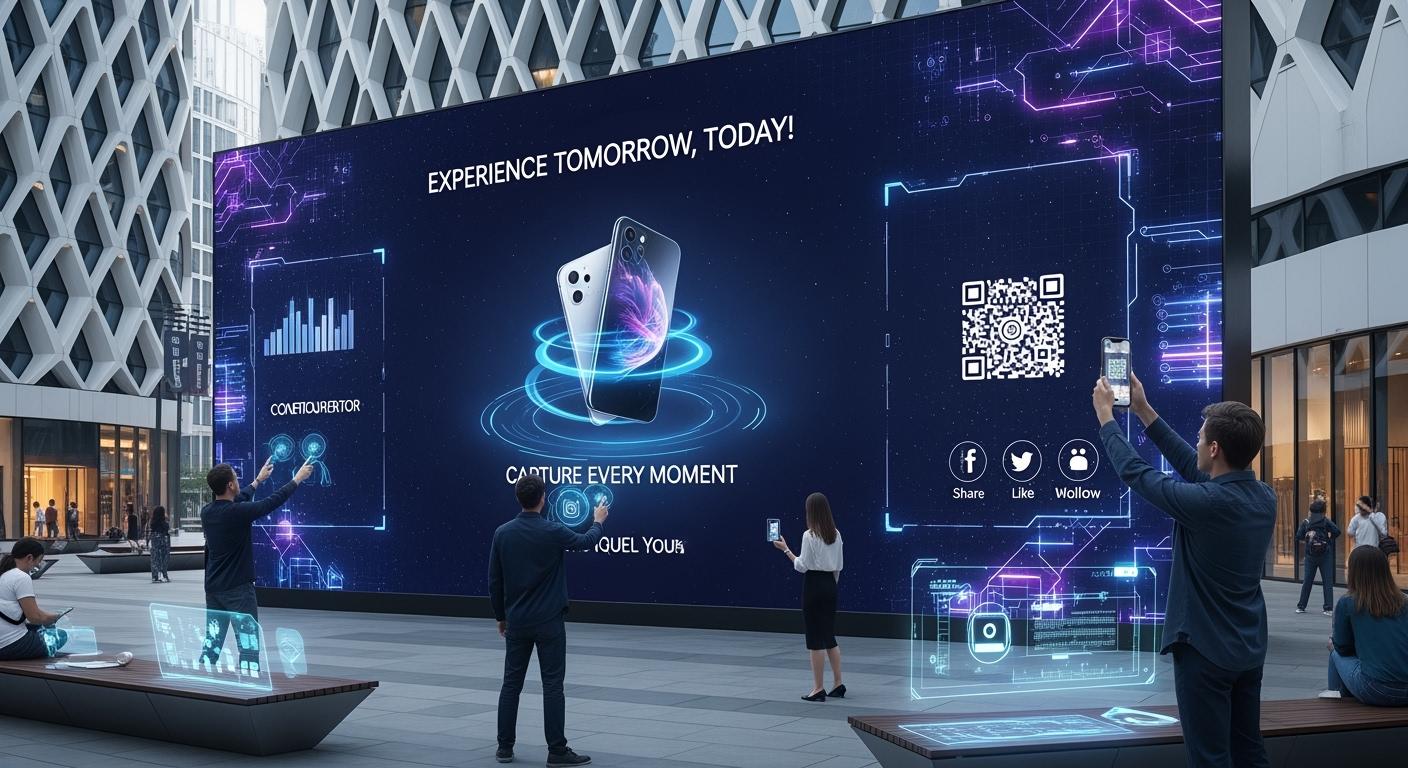
You want your ads to be noticed in 2026. Digital display screens serve as an effective display for advertising, helping you reach people with cool content and fun ads. When you use displays for advertising, you get more attention from customers and enhance the shopping experience in stores. Digital screens allow you to share messages with the right people at the right time. Here is how digital is different from old ways:
Shenzhen TopAdkiosk Display Technology Co., Ltd.
Add.: 2F, Bldg 10, Changfeng Industrial Park, Dongkeng, Fenghuang, Guangming, Shenzhen, China 518132
Mobile/WHATSAPP: 86-138 25769658
Email: marketing@topadkiosk.com topadkiosk@gmail.com
Skype: pghenry1
Wechat: adkioskhenry
English Web.: http://www.topadkiosk.com/
https://www.topkioskdisplay.com/
http://www.ad-kiosk.com/
https://www.toplcddisplay.com/
http://www.multitouchdigitalsignage.com/
https://www.youtube.com/channel/UCYVYNJHxLVEcQD8fuUxXNTA/videos?view_as=subscriber
https://www.facebook.com/TOPADKIOSKSHENZHEN/?ref=bookmarks
Digital Display Screens | Traditional Advertising Methods | |
|---|---|---|
Customer Engagement | Higher | Lower |
Cost-Effectiveness | More cost-effective | Less cost-effective |
Measurable Results | Easily measurable | Harder to measure |
With digital screens in stores, you can attract more visitors. You can also help sales grow. Think about your audience, set clear goals, and create messages that resonate with customers. Digital signage, as a display for advertising, lets you communicate with customers more effectively and makes your content more exciting than ever before.
Key Takeaways
Digital display screens get more attention than old ads. Use them to make customers more interested and make shopping better.
Make clear goals before you use digital signage. This helps you see if you are doing well and keeps you on track.
Know your target audience very well. Use information about age and interests to make content that connects with viewers.
Keep your content new and exciting. Change pictures and messages often to keep people interested and help them remember.
Watch how your screens are doing to make your plan better. Look at the data to see what works and change things if needed.
Digital Signage Advertising Overview
What Is Digital Signage?
You see digital signage almost everywhere today. It uses screens to show messages and pictures to people. Old signs were made from paper or metal. Digital signage can show moving pictures, videos, and things you can touch and use. You can use digital signage advertising to get people’s attention and make your message special. Digital signage solutions help you display for advertising in stores, malls, and outside too. These screens can show ads, news, or deals. You can change what is on the screen anytime, so your pictures always look new and fun.
Here’s a quick look at some main parts of digital signage systems:
Component/Technology | Description |
|---|---|
Rise Vision Media Player | Connects to screens and manages content through the cloud. |
Avocor Displays | All-in-one screens with 4K visuals in different sizes. |
Hardware as a Service | Lets you scale up without big upfront costs. |
Why Use Display for Advertising?
You want your ads to reach more people and get them interested. Digital signage advertising lets you share messages and pictures that stand out. Digital signage solutions let you change what is on the screen right away, so you can show new deals or events. Interactive screens help customers look at offers and pick what they want. In-store media can help people decide what to buy when they are shopping. Digital signage also helps you see how many people pay attention and what works best. You can use color psychology, visual hierarchy, and social proof to make your ads better. For example, red can make people buy things quickly, and showing drinks before beverage ads can help people remember and buy more.
Key Trends in Effective Advertising
Digital signage will change a lot by 2026. Here are some trends you should know:
AI-powered systems will show different things to different people.
Clear OLED and MicroLED displays will make pictures look brighter and sharper.
Smart stores will use digital signage to change with real-time data.
Dynamic pricing and shelf-edge automation will help stores change prices fast.
5G will let you update screens right away and show clear pictures.
Ethical data practices will matter more as stores use more analytics.
Digital signage advertising will become more interactive and fun for everyone.
You can use these trends to make your digital signage better and help your display for advertising stand out. With digital signage solutions, you can keep your content new, get more people interested, and help sales grow.
Planning Your Digital Signage Advertising Strategy
Setting Advertising Goals
You need clear goals before using digital signage. Think about what you want to do. Do you want to sell more, make your brand known, or help customers? Setting goals helps you see if you are doing well and keeps you focused.
You can use different frameworks to help plan. Here is a table with some popular models:
Framework | Purpose |
|---|---|
STP | Find the right audience and positioning. |
9Ps | Make a full go-to-market plan. |
AIDA | Organize messages and conversion steps. |
AARRR | Track growth through the customer journey. |
Flywheel | Build retention and momentum. |
PESO | Plan for paid, earned, shared, and owned media. |
North Star Metric | Get teams to focus on the most important metric. |
Pick a framework that fits your plan. This step makes your digital signage work better and helps you check progress.
Understanding Your Target Audience
Knowing your target audience is very important. You want your digital signage to talk to the right people. Start by getting data about your audience. Look at demographic and psychographic information.
Type | Examples |
|---|---|
Demographic Data | Age, Gender, Location, Family Status, Income |
Psychographic Data | Personality, Needs, Values, Lifestyle Choices |
When you know your audience, you can make content feel personal. For example, show different ads to teens and parents. You can use audience segmentation to make your display for advertising better.
Source | Key Insight |
|---|---|
Displio | Offers based on local events or seasons get more attention. |
EasySignage | Targeting audiences makes ads work better with personalized campaigns. |
EasySignage | Changing displays for demographic info increases engagement. |
If you use these ideas, your digital signage will connect with people and get more engagement.
Building a Content Strategy
A good content strategy keeps your plan strong. You want your digital signage to catch eyes and send the right message. Here are some tips to help you build a good plan:
Put screens at eye level so people can see them.
Place screens where lots of shoppers stop.
Use clear, high-contrast content so it is easy to read.
Match content to the location so it makes sense.
A dynamic content strategy lets you change messages based on store events. For example, update digital signage for weather deals or show products in stock. This keeps your display for advertising new and helpful.
You can check your plan by tracking different metrics:
Customer engagement metrics: Dwell time, foot traffic, and interaction rates.
Sales impact metrics: A/B testing and sales lift analysis.
Ad performance metrics: Impression counts and brand recall surveys.
Real-world examples show how a strong content strategy works. McDonald’s used digital signage to make orders more accurate and upsell. Banks got 10% more new accounts after adding signage. Schools had 68% more event participation with digital displays. These results show digital signage advertising can help your plan and improve customer experience.
Scheduling and Content Calendar
You need a plan to keep your digital signage content new. Scheduling helps you show the right message at the right time. Here is how you can organize updates:
Check your current content. Remove old or bad content.
Sort your content. Use evergreen, time-sensitive, and dynamic groups.
Define your audience by “dayparting.” Show different content at different times.
Set a content ratio. Try the 60/30/10 rule: 60% value, 30% brand, 10% promo.
Make a content calendar. Plan themes and updates in one place.
Refresh your digital signage often. New content keeps people interested.
Dynamic content matters a lot. Studies show people remember changing content better than static messages. Animated content recall is 83%, but static recall is only 52%. If you keep your digital signage lively, viewers remember your message and engage more.
A smart schedule helps your plan and gets the most from digital signage. You can use in-store media to reach shoppers when they are ready to buy. This improves customer experience and makes your plan stronger.
Creating Engaging Content for Display Advertising
Dynamic and Interactive Content
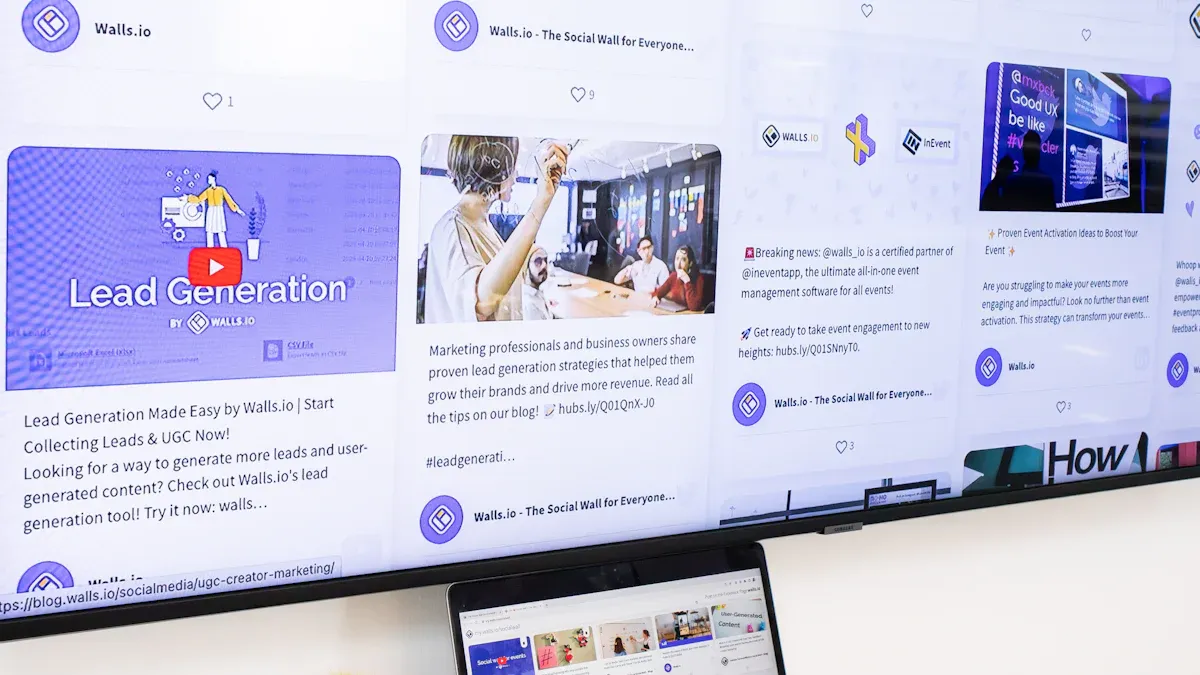
You want people to notice your digital signage. Moving pictures and changing visuals get more attention. Interactive displays let people play games or answer questions. These activities make customers remember your ads. Quizzes and polls help people join in. When people use your signage, they stay longer. They also remember your brand better. In-store media with games or demos entertains visitors. It also helps you learn about your customers. Interactive signage gets more attention than signs that never change. You see more people buying things and staying longer.
Here’s a quick look at how dynamic and interactive content impacts your results:
Evidence | Impact |
|---|---|
Digital displays capture 400% more views than static signage | Essential for effective messaging |
Subtle animation improves viewer recall by up to 55% | Enhances message retention |
Personalized content results in a 20% lift in sales | Increases conversion rates |
Real-time updates lead to a 62% increase in audience interaction | Keeps content relevant |
Interactive signage drives 81% more engagement than static content | Boosts user interaction |
A dynamic content plan keeps your messages new. Changing what you show stops people from getting bored. Special visuals for each person make them feel important. This can help you sell more.
Visual Design Best Practices
You want your visuals to be easy to see and understand. Good design helps people know what you are saying. Keep things simple. Show one idea on each screen. Do not put too much on one display. Use sharp pictures and videos for clear visuals.
Text should be easy to read. Pick big, clear fonts so people can see from far away. Use your brand colors, logos, and styles every time. High contrast between words and background makes reading easier.
Here are some important design principles:
Principle | Description |
|---|---|
Simplicity | Avoid overcrowding screens; focus on one message per screen. |
High-Quality Images and Videos | Use sharp, professional visuals to ensure high resolution. |
Readable Text | Choose clear fonts and appropriate sizes for readability from a distance. |
Consistent Branding | Reflect brand colors, logos, and styles in the content. |
Contrast and Color | Ensure high contrast between text and background for easy readability. |
Use visual hierarchy to show what matters most. Keep headlines short, about five to seven words. Use some movement to catch eyes, but not too much. Fun visuals help people feel connected to your signage.
Tip: Use color contrast to make your visuals stand out and easier to read.
Time and Day Targeting
You want your content to match when people are around. Look at busy times and show your best visuals then. People in the morning want quick tips. Shoppers at night like deals or fun content.
Dynamic scheduling lets you change your signs for different groups. Use past data to find the best times for your ads. Checking traffic patterns helps you know when to show your content. This way, your visuals reach people when they pay the most attention.
Advertisers can use real-time audience targeting by looking at time of day and location traffic patterns.
Dynamic content scheduling allows automatic adjustments based on audience demographics or peak traffic times.
Traffic pattern analysis helps you schedule content for maximum impact.
You can show different visuals at different times. This helps more people notice your signage and care about your message.
Avoiding Common Mistakes
You want your digital signage to work well. Bad screen spots mean people might not see your visuals. Too much information makes it hard to understand. Small fonts or low contrast make signs hard to read.
Old or wrong content hurts your trust. Update your visuals often to keep them fresh. If you ignore who is watching, your content feels boring. Not checking results means you miss ways to get better.
Here’s a table of frequent mistakes and solutions:
Mistake | Description | Solution |
|---|---|---|
Overloading Screens with Too Much Information | Crowded screens make it hard for viewers to absorb the key message. | Keep messaging concise with short headlines and minimal text. |
Ignoring Readability and Design Basics | Poor font size and color contrast can make content unreadable. | Use high-contrast color schemes and clear fonts. |
Outdated or Irrelevant Content | Displaying expired promotions damages credibility. | Establish a regular content update schedule. |
Showing generic content without considering demographics. | Tailor content to local audiences and time of day. | |
Not Tracking Performance | Treating digital signage as a 'set it and forget it' solution. | Track metrics to refine content strategy. |
Failing to Localize Content Across Multiple Locations | Generic content does not fit all locations. | Establish a global/local content model. |
Poorly Managed Event-Specific Content | Events require special signage planning. | Build templated playlists for events. |
Inconsistent Branding and Visual Identity | Inconsistent visuals weaken brand perception. | Create unified brand guidelines for digital signage. |
Neglecting Screen Placement and Environmental Factors | Poor screen placement leads to overlooked messages. | Conduct a site survey before installation. |
Do not treat digital signage like a poster that never changes. If you do, people stop paying attention. Stores sometimes run out of ideas and repeat the same ads. Digital signage should help people make choices, not just fill space.
Note: Keep your visuals fun and your messages up to date. This makes your signage helpful and keeps people interested.
Measuring and Optimizing Digital Signage Advertising
Tracking Performance Metrics
You want to know if your digital signage works. Start by checking key performance indicators. These numbers help you see how your signage connects with people. Here’s what you should measure:
Audience engagement: Look at how long people watch and interact. These numbers show if your visuals grab attention.
Content effectiveness: Count views and conversions. This tells you if your message gets results.
Return on investment: Compare campaign costs to benefits. You see if your signage pays off.
Brand awareness and recall: Use surveys to check if people remember your brand.
Conversion rates: Track actions like purchases or sign-ups.
Customer feedback and satisfaction: Ask viewers what they think.
Operational efficiency: Make sure your signage runs smoothly.
Digital signage software lets you check content right away. You can change visuals fast. Analytics tools collect data about audience engagement and demographics. This helps you know who sees your signage and how they react.
Analyzing Data for Effective Advertising
You have lots of data from your signage. Now, you need to understand it. Look for patterns in how people act. Check which visuals get the most attention. Use analytics to find out when your signage works best.
Here’s a table showing how data analysis can improve your results:
Metric | Improvement Range |
|---|---|
Engagement Rates | 20-40% Increase |
Lead Conversion | 15-30% Improvement |
Attribution Accuracy | Improved |
Content Relevance | Higher |
Operational Costs | Reduced |
Campaign Management | Scalable |
When you study data, you can get more people interested. You also make your visuals fit better. You save money by stopping things that do not work.
Tip: Use audience insights to update your signage content and schedule for better results.
Iterating for Better ROI
You want your digital signage advertising to improve over time. Make small changes based on what you learn. Swap out visuals that do not work well. Change messages to fit your audience. Move screens to busier spots. Change times to match traffic.
Advertisers who use analytics systems see big improvements. One case study showed a 3.5x ROI increase after using vision analytics on retail screens. By tracking impressions, dwell time, and conversion triggers, you can make your signage strategy better. Keep testing and updating your content. You will see more engagement and higher sales.
Note: Changing your signage often helps you stay ahead. Keep your visuals new and your audience interested.
You can make your advertising better with digital signage. Set clear goals so you know what you want to do. Learn about your audience and create new content often. Keep your visuals bright and check your results a lot. Try different ideas and update your screens to stay ahead. If you want more tips, look at these guides:
FAQ
How often should you update digital signage content?
You should refresh your content every week or when you have new deals. Fresh visuals keep people interested and help your ads stand out.
Can you use videos on digital display screens?
Yes, you can show videos. Videos grab attention and help people remember your message. Try short clips for best results.
What is the best screen placement for digital signage?
Put screens at eye level in busy spots. Near entrances or checkout areas works well. This way, more people see your ads.
How do you measure digital signage success?
Track views, sales, and customer feedback. Use analytics tools to check which content works best. Adjust your plan based on these numbers.
See Also
Key Factors That Make Digital Signage Essential for Success
Latest Trends and Innovations in Digital Signage Technology
Selecting The Perfect LCD Digital Signage For Your Business
Best Digital Signage Solutions for Retail Environments in 2026
Innovative In-Store Digital Signage Transforming Retail Experiences
