A Complete Guide to Buying Digital Signage in Singapore in 2026
Shenzhen TopAdkiosk Display Technology Co., Ltd.
Add.: 2F, Bldg 10, Changfeng Industrial Park, Dongkeng, Fenghuang, Guangming, Shenzhen, China 518132
Mobile/WHATSAPP: 86-138 25769658
Email: marketing@topadkiosk.com topadkiosk@gmail.com
Skype: pghenry1
Wechat: adkioskhenry
English Web.: https://www.topkioskdisplay.com/
http://www.ad-kiosk.com/
https://www.toplcddisplay.com/
http://www.multitouchdigitalsignage.com/
https://www.youtube.com/channel/UCYVYNJHxLVEcQD8fuUxXNTA/videos?view_as=subscriber
https://www.facebook.com/TOPADKIOSKSHENZHEN/?ref=bookmarks
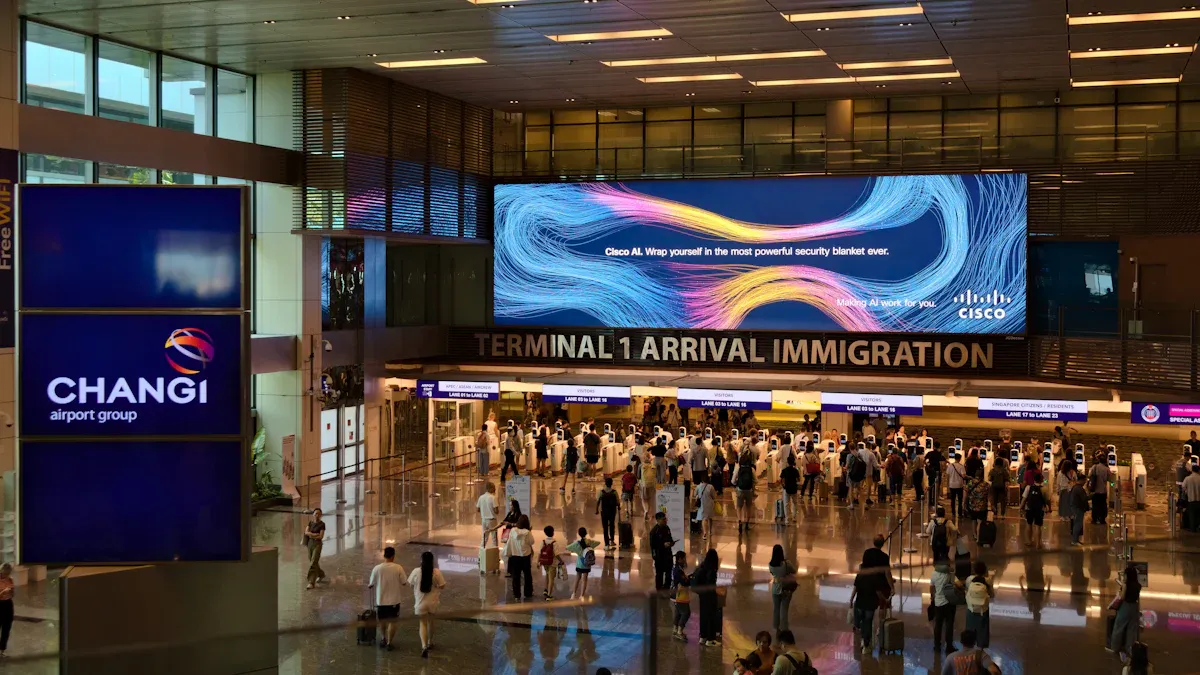
To start buying digital signage, think about your business goals. Pick technology that fits Singapore’s fast-growing market. The market will be worth USD 26.83 million by 2034. It will grow at 11.77% CAGR. To save money on marketing, compare digital signage singapore price. Choose the best digital signage solution for your needs. Find digital signage solutions with easy remote management and strong security. The table below shows important things you should think about:
Factor | Description |
|---|---|
Compliance | Follow Singapore’s IMDA display rules and PDPA for privacy. |
Climate survival | Use IP56+ rated screens for weather resistance. |
Remote management | Manage displays from one place. |
Integration depth | Connect with local systems for better service. |
Security pedigree | Ensure encryption and cybersecurity compliance. |
Pricing models | Find transparent pricing that fits your growth plans. |
You can visit https://www.topkioskdisplay.com/ to find more choices.
Key Takeaways
Set your business goals before picking digital signage. This helps you pick the right technology for your needs.
Check if you follow local rules like IMDA and PDPA. Following these rules keeps your business safe. It also helps customers trust you.
Pick the right display for your space. Indoor and outdoor screens need different brightness and strength.
Find suppliers who give good support and maintenance. Good help keeps your signage working well.
Think about the total cost, like hardware, software, and upkeep. This helps you plan your budget for digital signage.
Digital Signage in Singapore Overview
Market Trends 2026
Digital signage is growing fast in Singapore by 2026. More businesses are buying advanced displays. The table below shows the main things shaping signage in Singapore:
Characteristic | Details |
|---|---|
Market Size (2023) | About USD 150 million |
Projected CAGR (2026) | 8-10% |
Key Sectors Driving Demand | Retail, Transportation, Hospitality |
Growth Drivers | Government projects and more need for customer engagement |
Challenges | High starting costs, supply chain problems, changing content rules |
Opportunities | New areas like healthcare and government services |
Retail, transportation, and hospitality use signage the most. Government work and better customer service help the market grow. There are some problems like high costs and new rules. But you can find chances in healthcare and public services. These new trends will affect your choices when you pick digital signage solutions.
Common Applications
You can use signage in Singapore for many business reasons. Here are some common ways people use it:
Interactive digital signage with QR codes for easy customer use
Displays with motion sensors or touch for a modern feel
Simple designs with black and white or bright colors to catch eyes
You see these features in malls, airports, hotels, and clinics. You can use digital signage to show sales, help visitors, or share news. This technology lets you reach people in new ways.
Identifying Business Needs
Objectives and Goals
First, you should know what your business wants to do. Clear goals help you pick the best digital signage. Different businesses in Singapore use digital signage for different reasons. Retail stores want more people to visit and buy things. Schools use signage to tell students and parents about events and schedules. Cafés and restaurants use digital menu boards to make things easier for customers. Car dealerships show off car features with interactive screens. Hotels use touchscreens to greet guests and share event news. Offices use displays to welcome visitors and show meeting times. Transportation hubs give passengers real-time updates.
Industry | Business Objective | Digital Signage Application |
|---|---|---|
Retail | Increase foot traffic and sales | Showcases flash sales, product features, and loyalty promotions with real-time updates. |
Educational Institutions | Inform students and parents | Displays schedules, announcements, and wayfinding maps for better communication. |
Cafés, Restaurants, & Eateries | Enhance customer experience | Digital menu boards for easy updates on prices and promotions, adding a modern touch. |
Car Dealerships & Showrooms | Create interactive customer experiences | Uses digital signage to showcase vehicle features and engage potential buyers. |
Hotels & Hospitality Venues | Elevate guest satisfaction | Welcomes guests and shares event details through interactive touchscreens. |
Corporate Offices & Workspaces | Improve internal communication | Displays for welcoming visitors and announcing meetings, ensuring a professional atmosphere. |
Transportation Hubs | Provide real-time information | Displays schedules, delays, and gate information to assist passengers effectively. |
Pick signage that matches your business goals. This way, you get the most out of your money.
Signage Requirements
You need to think about some rules before you buy digital signage. Singapore has strict rules about how bright signs can be at night. If you collect personal data with interactive signage, you must get permission. Outdoor signs need to be strong and bright so people can see them in any weather.
Requirement Type | Details |
|---|---|
IMDA Compliance | Guidelines regulate display brightness levels, especially after 7 PM in residential areas. |
PDPA Compliance | Businesses must secure explicit consent for collecting personal data through interactive signage. |
Climate Considerations | Outdoor signage requires IP56+ rated hardware and high brightness to remain legible. |
You should control all your signs from one place.
Connecting with payment and loyalty systems helps your business run better.
Check these rules before you buy. Following them keeps your signage working well and your business safe from fines. 🛡️
Types of Digital Signage Displays
Indoor vs. Outdoor
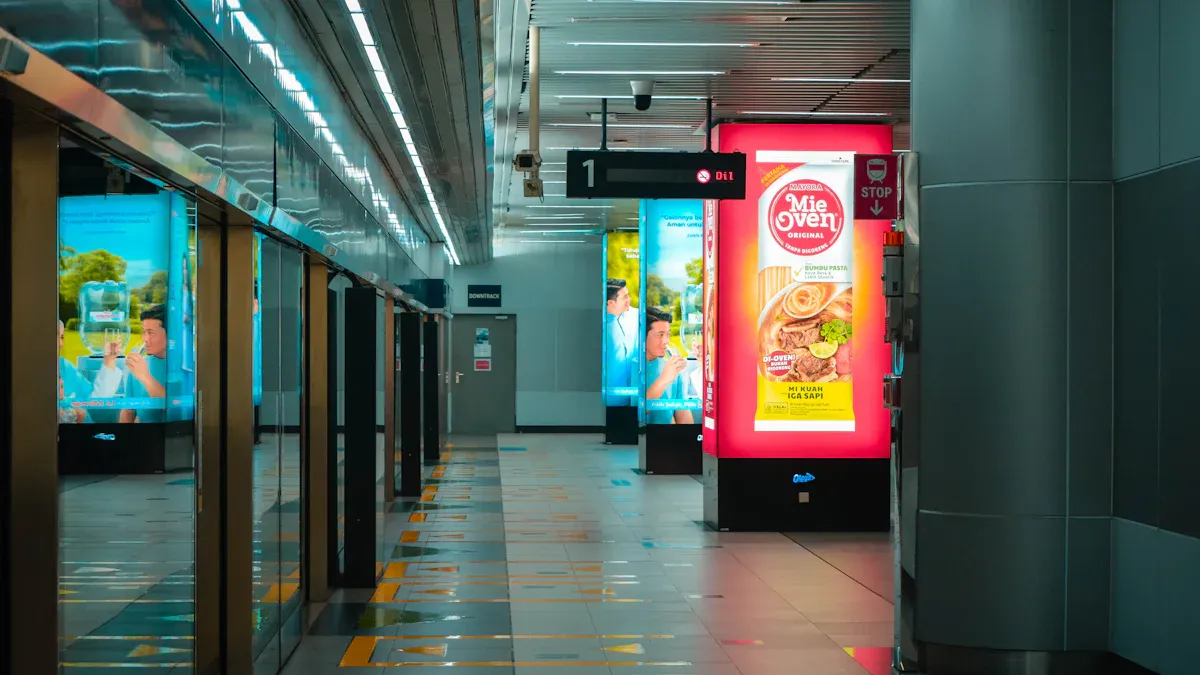
When you look for digital signage, you must pick indoor or outdoor displays. Each kind has special features and works best in certain places. Indoor displays are good for malls, offices, and schools. Outdoor displays are better for bus stops, building fronts, and open spaces. The table below shows how they are different:
Feature/Aspect | Indoor Digital Signage | Outdoor Digital Signage |
|---|---|---|
Environmental Conditions | Stable temperature and humidity (18°C – 26°C, 30% – 60% humidity) | Extreme temperature changes, moisture-resistant enclosures |
Brightness | 300 – 1000 nits for indoor lighting | 2000 nits or higher for sunlight |
Viewing Angle | Close range, limited angle | Wide angle (160 – 170 degrees), long distance |
Content Type | Detailed, text-heavy for specific audiences | Simple, bold messages for quick reading |
Usage Patterns | Venue activities like wayfinding | Mass communication, advertising |
Installation | Easier, standard tools | Complex, special structures |
Maintenance | Easier in protected spaces | More frequent due to harsh weather |
Pick the right digital signage for your space and viewers. Outdoor displays must handle rain, heat, and bright sunlight. Indoor displays show clear pictures and are easy to update.
Interactive and Video Walls
Interactive displays and video walls help your business stand out in Singapore. The best digital signage uses movement and color to grab attention. You can change messages quickly, so your content is always new. These displays save money because you do not need to print posters. They also help the environment by using less paper and energy. In busy places, digital displays save space and make your business look better.
Interactive screens let people touch, swipe, or scan QR codes.
Video walls show big, bright images that are easy to see.
You can update content fast for sales, events, or news.
The best digital signage helps you reach more people and build your brand.
Tip: Pick interactive or video wall displays if you want to get customers interested and make your business look cool.
Evaluating Hardware and Software
Display Size and Resolution
You have to pick the right display size and resolution. Big, clear screens help people notice your message. Many businesses in Singapore use large screens for bright images. You can choose special shapes or sizes for your space. This lets you make displays that fit your brand style.
The table below shows how size and resolution help:
Advantage/Consideration | Description |
|---|---|
Enhanced Visual Impact | Larger, high-resolution displays capture attention and deliver impactful visuals. |
Flexibility in Design | Customizable configurations allow for creative and unique display designs. |
Centralized Control | Advanced management systems simplify the control of large-scale displays. |
Increased Engagement | Dynamic and interactive content can boost viewer engagement and information retention. |
Think about where you will put your screens. Outdoor screens need to be strong and very bright. Indoor screens can show more detail and color. Picking the right size and resolution for your spot gives better results.
Tip: Try your content on different screens before buying. This helps you know what your viewers like best.
Content Management Software
You need software to control what shows on your screens. This software lets you change content from anywhere. You can set times for messages, swap pictures, or add videos easily. Good software helps you manage many screens at once. You can also decide who can change the content.
Find software that works with your other business tools. Some software connects with payment or booking apps and social media. This makes your screens smarter and more helpful. Make sure the software has security features. In Singapore, keeping data safe is important. Pick software that protects your info and follows the rules.
Note: Pick software that is simple to use. This saves time and helps your team do a better job.
Digital Signage Supplier Selection
Key Considerations
You must pick the best digital signage supplier for your project. Write down what you need first. Think about how big your screens should be. Decide how bright they must be. Choose where you want to put them. Find a supplier who knows your industry well. This helps you get advice that fits your business.
Check if the hardware is strong and the software is easy to use. Good screens last longer and show clear pictures. Reliable software lets you change your content easily. Look at prices and the total cost over time. Some suppliers seem cheap but charge more later for repairs or upgrades. Ask about customer support and maintenance. Good support helps you fix problems fast.
You may want your signage to work with payment systems or loyalty programs. Customization and integration are important. Read reviews and ask for referrals from other clients. This gives you honest feedback from other businesses. Pick a supplier who is based in Singapore. Local suppliers can help you faster and know the rules better.
Tip: Make a checklist before talking to suppliers. This helps you ask good questions and compare choices.
Here is a simple table to help you check suppliers:
Criteria | Why It Matters |
|---|---|
Industry Experience | Gives you advice that fits your business |
Hardware & Software Quality | Makes your screens last longer and easy to use |
Pricing & Ownership Costs | Helps you plan your spending |
Customer Support | Helps you fix problems quickly |
Customization & Integration | Lets your signage work with your systems |
Reviews & Referrals | Shows if the supplier is trustworthy |
Local Presence | Gives you fast help and local knowledge |
Check certifications and standards too. Suppliers must give you IP56+ rated screens for outdoor use. Outdoor displays need to be at least 2,500 nits bright. Look for ISO 9001 and RoHS compliance. These show the screens are safe and high quality. Suppliers must follow SS 584 cybersecurity rules to keep your data safe. IMDA rules control how bright screens can be at night. The Personal Data Protection Act says you must get permission before collecting personal data with interactive signage.
Installation Services
Ask about installation services when picking your supplier. Professional installation makes sure your screens work well and stay safe. Suppliers should do site surveys. Surveys help you find the best places for your screens. You get advice on how to mount and wire your screens.
Some suppliers offer full installation packages. These packages include setup, testing, and training. You learn how to use your signage system. Good suppliers help you connect your signage to other systems. You can link screens to payment terminals or booking apps.
Maintenance is important too. Pick a supplier who checks your screens often and fixes them fast. This keeps your signage working well. Ask if the supplier offers remote monitoring. Remote monitoring lets you fix problems without sending someone to your site.
Note: Pick a supplier who explains the installation steps clearly. This helps you avoid problems and delays.
Choose a supplier who gives strong installation and support. This helps your business run smoothly and grow.
Comparing Digital Signage Companies in Singapore
Top Local Providers
There are many digital signage companies in Singapore. These companies help different types of businesses. Local providers know Singapore’s rules and business ways. They give fast help and make sure you follow the rules. You get advice that fits your needs and quick setup. Many local companies sell hardware, software, and support together.
Here is a table with some top digital signage companies in Singapore and what they offer:
Provider Name | Key Offerings | Target Markets |
|---|---|---|
New Wave Display | End-to-end service, cloud configuration, on-site support | F&B, retail, public & corporate spaces |
Zoom Visual | Large-scale LED & display installations | Corporate atriums, public spaces |
DS Visual | Innovative hardware like transparent LED and holographic displays | Visually creative display concepts |
KOO Digital Signage | Rental & event-friendly signage with in-house production | Activations, exhibitions |
Ascenstar | Custom interactive kiosks and AV integration | Education, corporate, retail |
Uniconnect Systems | AV/IT-driven digital signage for hospitality and corporate environments | Hotels, corporate offices |
SkyMedia / VizanSign | Cloud-based signage software with bundled packages | SMEs seeking cost-effective solutions |
You should look at prices, hardware quality, and support when you compare companies. Ask about their content management software. Some companies have easy software you can use from anywhere. Others have special tools for planning and checking results. You can ask to see a demo to learn how the software works.
Tip: Pick a company that gives good help after you buy. This makes it easier to fix problems and keeps your signs working well.
International Brands
International digital signage companies in Singapore have new features and lots of experience. These brands sell strong hardware and smart software. You can get the newest things, like AI content, 4K screens, and smart sensors. International companies have more products and can do big jobs.
These brands like to make new things and help you grow. They are good for businesses that want to open in more places. You can use their world-wide skills and tech help. But you need to check if their products follow Singapore’s rules. Local companies like SignCloud and VizanSign are better at following rules and giving personal help. International brands may not give as much local service.
When you compare companies, look at features, help, and rules. International brands have the newest tech. Local companies give fast help and know the rules. You should think about if you want new features or better local help.
Note: Always ask about warranty, repairs, and updates. Good companies tell you their rules and keep helping you.
You can check prices by asking for quotes from different companies. Make sure the software is easy and helps your business. Look for companies with clear prices and flexible plans. Read reviews and stories from other buyers to learn more.
Callout: Write down what you need before you talk to companies. This helps you ask good questions and pick the best one.
Digital Signage Singapore Price Guide
Price Ranges
You need to know the digital signage singapore price before buying. Prices change based on display type, size, and features. Small indoor screens cost about SGD 800 for a 32-inch model. Bigger commercial screens, like 55-inch ones, cost between SGD 2,000 and SGD 4,000. Outdoor digital signage singapore price is higher because the hardware must handle weather. Outdoor screens cost from SGD 5,000 to SGD 12,000 for one unit.
Interactive kiosks and video walls are more expensive. Touchscreen kiosks start at SGD 3,500. Video wall setups can cost SGD 20,000 or more, depending on how many panels and the resolution. You also pay for software licenses. Basic content management software costs SGD 300 each year. Advanced cloud-based systems may cost SGD 1,000 or more per year.
Tip: Ask for a quote that lists hardware, software, and installation. This helps you compare digital signage singapore price from different providers.
Total Cost of Ownership
You should think about more than just the first digital signage singapore price. The total cost includes hardware, software, installation, maintenance, and extra costs. Hardware means screens, mounts, and cables. Software lets you schedule content and control displays from far away. Installation costs cover labor and setup. Maintenance keeps your system working and pays for repairs and updates. Extra costs include making content and connecting with your business systems.
Cost Factor | Description |
|---|---|
Hardware | Screens, mounts, cables |
Software | Content scheduling, remote management |
Installation | Labor, setup, site surveys |
Maintenance | Repairs, updates, ongoing support |
Hidden Costs | Content creation, integration with existing systems |
You should plan for costs that keep coming. Maintenance contracts cost SGD 500 to SGD 2,000 each year. Making and updating content may add SGD 1,000 every year. When you compare digital signage singapore price, include all these costs. This helps you see what you will spend over time.
Note: Always ask providers about warranty, support, and upgrades. This keeps your signage safe and working well.
Compliance and Regulations
Licensing and Permits
You need the right licenses and permits before you put up digital signage in Singapore. The government wants public places to be safe and neat. You must get approval if your signage is in malls, bus stops, or other public spots. The rules are different for each place. Some locations need extra checks from local leaders or mall managers.
Here is a table that shows what you need for licensing and permits:
Requirement Type | Description |
|---|---|
You must get a license or permit for public space installations. | |
Location Dependency | Rules depend on the installation location. |
Approval Needed | Government or mall approval is often necessary. |
Tip: Always ask the local authority or building manager before you start. This helps you avoid problems and fines.
Content and Privacy
You must follow strict rules for what you show and how you use data. Singapore has laws to keep people’s information safe. If your signage collects personal data, you must ask users first. You have to keep this data safe and follow the Personal Data Protection Act (PDPA). You also need to control how bright your screens are. Too much light can bother people living or working nearby.
The table below shows the main compliance requirements for digital signage:
Requirement Type | Description |
|---|---|
You must keep brightness levels low to avoid light pollution. | |
Placement Guidelines | You must place signage in safe, approved areas. |
Data Collection Rules | You must follow personal data protection laws when collecting user data. |
Note: Check your content often. Make sure your messages follow the rules and do not upset anyone. Keep your signage safe and respectful.
Following these rules keeps your business safe. You earn trust from your customers and stay out of legal trouble. Always check for new rules to keep your signage working well. 🛡️
Support and Maintenance
Professional Installation
You need experts to install your digital signage. Trained workers set up screens and connect cables. They check the power and make sure displays are safe. Your supplier gives support so you do not make mistakes. Experts know where to put screens for good viewing. They test everything before leaving your site.
Tip: Ask your supplier for a checklist before installation. This helps you get ready and avoid delays.
Professional installers follow safety rules. They use strong mounts and secure wires. You get advice on keeping screens clean and working. If you have questions, you can call your supplier for help.
Ongoing Services
You need ongoing services to keep your signage working well. Maintenance teams visit your site to check screens and fix problems. They update software and replace broken parts. You get regular reports about your system’s health. Some suppliers offer remote monitoring, so they can spot issues early.
Here is a simple table showing common ongoing services:
Service Type | What You Get |
|---|---|
Routine Checks | Inspect screens and cables |
Software Updates | Install new features |
Repairs | Fix or replace parts |
Remote Support | Help by phone or online |
Note: Follow installation and maintenance tips from your supplier. This keeps your signage safe and helps you avoid costly repairs.
You should ask about service contracts. These contracts cover repairs and updates. Good ongoing services help your business stay strong and your screens stay bright. You save time and money when experts handle maintenance.
Integration and Future-Proofing
System Integration
You can make digital signage smarter by linking it to other business tech. In Singapore, many companies use new ways to connect their displays. Artificial Intelligence and Machine Learning help show messages just for certain people. These tools look at customer data to guess what people want to see. Internet of Things sensors gather live info. You can change your content fast if the weather, crowd, or sales change.
Cloud-based content management systems let you control all screens from one spot. You can update messages in many places at once. Data analytics tools show how people react to your displays. You learn what works and can change your marketing plans. 5G gives you quick updates and smooth videos. This is important for interactive screens in busy stores.
Integration Method | Description |
|---|---|
Artificial Intelligence (AI) and Machine Learning (ML) | Personalized content and campaign optimization using customer data. |
Internet of Things (IoT) Connectivity | Real-time data collection for dynamic content changes and promotions. |
Cloud-Based Content Management Systems (CMS) | Centralized control and real-time updates across multiple signs. |
Data Analytics and Audience Measurement | Tools for measuring engagement and refining marketing strategies. |
5G Connectivity | High bandwidth for rapid updates and interactive applications. |
Tip: Pick integration methods that fit your business goals. This helps you get more from your digital signage.
Scalability
You need digital signage that can grow with your business. Scalable solutions let you add more screens or change layouts as you grow. Flexible screen formats give you more choices. You can use different sizes and shapes for new projects. Connecting with analytics helps you make smart choices. You see how your displays do and plan for the future.
Remote content updates keep your screens up to date. You can change messages from anywhere, so your displays always have the latest info. User-friendly CMS tools help your team manage content easily. You save time and make fewer mistakes.
Feature | Description |
|---|---|
Adaptable Screen Formats | Flexible display sizes and configurations for various needs. |
Integration with Analytics | Data-driven decisions using performance insights. |
Remote Content Updates | Timely updates from any location. |
User-Friendly CMS | Efficient control and scheduling of displays. |
Note: Choose scalable signage if you want your business to grow. This keeps your investment useful as your company gets bigger.
Customer Feedback and Case Studies
Success Stories
You can learn a lot from businesses in Singapore that use digital signage. Many companies saw big changes after they put in these systems. SAFRA, which is the Singapore Armed Forces Reservists Association, used digital signage from Signagelive and Trinax. This made things better for their members and families. They also saved money and made their community stronger.
Organization | Technology Used | Outcomes |
|---|---|---|
SAFRA (Singapore Armed Forces Reservists Association) | Digital Signage by Signagelive and Trinax | Enhanced member experience, streamlined operational costs, community building among servicemen and families |
Digital signage can really help your business. SAFRA talked to people better and made their spaces friendlier. You can use the same technology to reach your own goals.
Tip: Read case studies from local groups. These stories show what works in Singapore and help you plan your project.
Lessons Learned
You can find good lessons from businesses that use digital signage. Retail stores learned that moving pictures and videos get shoppers to look and buy more. Hotels and restaurants found that showing menus and deals makes guests happier. Companies use digital signage to share news with workers and keep everyone connected.
Digital signage helps you get customers’ attention in stores by showing sales and products.
In hotels and restaurants, you make guests happy by sharing menus and event news.
You keep your team updated and build a friendly workplace with digital signage.
The table below shows more lessons from different types of businesses:
Sector | Lesson Learned | Benefit |
|---|---|---|
Retail | Use dynamic content to capture shopper attention and influence purchases. | Enhanced customer engagement and increased sales. |
Hospitality | Display menus and promotions to improve guest experiences. | Streamlined operations and improved customer satisfaction. |
Internal Comm. | Leverage digital signage for internal communications among employees. | Ensured everyone is informed and fostered a sense of community. |
Best Practices | Define objectives, choose the right software, create engaging content. | Maximized the potential of digital signage solutions. |
You should have clear goals, pick good software, and make content that people like. These steps help you get the most out of your digital signage.
Note: Learn from other businesses and use their best ideas. This helps you avoid mistakes and reach your goals faster. 🚀
You need to follow easy steps when you buy digital signage in Singapore. First, make sure your choice fits your business and new trends. The table below explains why this is important:
Description | |
|---|---|
Digital Transformation | Singapore businesses must adapt to rapid digital change. |
Government Initiatives | Smart technology support helps digital signage grow. |
Consumer Preferences | Young people want sustainable solutions. |
Read tips from experts and real stories before you choose. Find companies that know Singapore well and give good help. Pick a company that has done a good job before. This will help you pick the best digital signage for your business.
🏗️ The Total Cost of Ownership: A Breakdown
A digital signage system's total cost includes more than just the screen price. Here's the four-part breakdown to guide your budgeting.
Cost Component | Description | Price Range (SGD) |
|---|---|---|
1. Hardware (Displays, Players, Mounts) | This is typically the largest upfront cost. It includes the display screen, a media player to run the content, and mounting hardware. | Basic (e.g., small LCD): $500 – $2,000+ |
2. Software (Content Management System) | The CMS is the software you use to create, schedule, and manage content across your screens. Costs are typically recurring. | Per-Screen Subscription: Often $10 – $30+ per screen/month. |
3. Installation & Setup | This covers the professional labour to mount screens, run cabling, and configure the system. | Professional Installation: $500 – $3,000+ depending on project complexity (number of screens, site conditions, etc.). |
4. Content Creation | The cost to design the visuals, videos, and information displayed on your screens. | DIY (using templates): Low to no cost (included with some CMS). |
💡 Pro Tip: Don't just look at the upfront price. Calculate the Total Cost of Ownership (TCO) over 3-5 years, factoring in software subscriptions, maintenance, and content updates. This will give you a much clearer picture of the true investment required.
📊 Hardware Cost Guide by Display Type
To make it easier, here are common hardware types with their estimated price ranges:
Display Type | Price Range (SGD) |
|---|---|
Small LCD Screen | $500 – $2,000+ |
Large Commercial LCD (e.g., 55") | $2,800 – $4,500 (a typical mid-range option) |
Basic Digital Standee (Non-Touch) | $1,000 – $3,000 |
Interactive Touch Kiosk | $2,000 – $7,000+ |
LED Video Wall (per sqm) | $1,200+ (can vary greatly with pixel pitch) |
Outdoor Display | $2,000 – $20,000+ (brightness and weatherproofing drive the cost) |
Consumer-Grade TV (Not recommended for commercial) | ~$500 (lacks durability for 24/7 use) |
What Determines Hardware Cost?
Screen Size: Larger screens cost more, with prices scaling significantly beyond 50 inches.
Technology: LED and OLED offer superior image quality and are more expensive than LCDs.
Brightness: High-brightness screens (e.g., 2,500+ nits) are essential for outdoor or window-facing use and command a premium.
Interactivity: Touchscreen capabilities and kiosks add to the base cost of a standard display.
Mounting Type: Simple wall mounts are cheaper than complex free-standing kiosks or ceiling mounts.
☁️ Software (CMS) Pricing Models
The CMS is your recurring cost, and the pricing model is important to understand:
Per-Screen / Month (SaaS): A common and flexible model. Prices range from $10 to $30+ per screen per month, often with discounts for volume. This is ideal for scaling up gradually.
Annual License: Some providers offer a flat annual fee per screen, which can be more cost-effective for long-term, fixed deployments. Expect $100 to $1,000+ per screen/year.
Tiered Plans: Many providers have tiered pricing (Basic, Pro, Enterprise) based on features. For example, an Enterprise plan might have a base fee (e.g., $280/month) plus a per-screen cost (e.g., $17/screen).
💰 Summary Table of Estimated Total Project Costs
This table provides a quick reference for planning your total budget, factoring in the key cost components.
Project Scale & Type | Typical Hardware Cost (SGD) | Typical Software Cost (Annual, SGD) | Estimated Installation (SGD) | Estimated Total (SGD) |
|---|---|---|---|---|
Single Screen (Basic) | 1,000 - 2,500 | 120 - 500 | 500 - 1,000 | 1,600 - 4,000 |
Multiple Screens (e.g., 3-5) | 4,000 - 12,000 | 500 - 2,000 | 1,500 - 3,500 | 6,000 - 17,500 |
Interactive Kiosk (Single) | 3,000 - 8,000 | 200 - 800 | 500 - 1,500 | 3,700 - 10,300 |
LED Video Wall (Small) | 10,000 - 25,000+ | 500 - 2,000+ | 2,000 - 5,000+ | 12,500 - 32,000+ |
Outdoor Display (Single) | 5,000 - 15,000+ | 200 - 800 | 1,000 - 3,000 | 6,200 - 18,800+ |
3 Essential Cost Considerations
Singapore vs. Chinese Hardware: Chinese imports can be cheaper (e.g., $800–$3,000+ vs. $1,200–$5,000+ for outdoor displays) but may have lower brightness and fewer customization options. Always ensure they meet local regulations.
Full-Service vs. DIY: A full-service integrator handles everything but costs more upfront. A DIY approach (sourcing hardware and software separately) can save money but requires more technical expertise and vendor management.
Unlock a Free Trial: Most cloud-based CMS providers offer free trials (typically 14–30 days). Before committing, take advantage of these trials to test the software's usability and features with your team.
💎 The Bottom Line
Digital signage is a powerful investment. A single-screen setup can start around SGD 1,600, but a more realistic budget for a professional, single-screen deployment is often between SGD 2,000 and SGD 5,000. For larger projects, costs can quickly exceed SGD 20,000+. The key is to start by defining your core objectives and then build a solution that scales with your business.
Hopefully, this breakdown helps clarify the costs. Do you have a specific type of digital signage or a particular business setting in mind? If you can share a bit more about your project, I might be able to offer a more tailored estimate.
FAQ
What is the best way to choose digital signage for my business?
First, write down what your business needs. Look at different display types and software. Check if the supplier gives good support. Ask to see a demo before you buy. Read reviews from other businesses. Pick a supplier who knows your industry well.
Do I need a permit to install digital signage in Singapore?
You need approval to put signs in public places. Talk to local authorities or building managers first. Permits help you follow safety and brightness rules.
How much does digital signage cost in Singapore?
Small screens start at SGD 800 each. Outdoor displays and video walls cost more money. Ask for quotes that include hardware, software, and installation.
Can I update my digital signage content remotely?
Most systems let you change content from anywhere. You use cloud-based software to manage screens and schedule messages.
What maintenance does digital signage need?
You should clean screens and check cables often. Ask your supplier for regular checks, updates, and repairs. Good maintenance keeps your signage working well.
See Also
Selecting Top Video Wall Digital Signage in Singapore 2026
Evaluating Digital Signage Options in Singapore: Features and Costs
Best Digital Signage Solutions for Retailers in 2026
