7 Digital Signage Player Technology Trends Shaping 2026
https://www.topadkiosk.com/
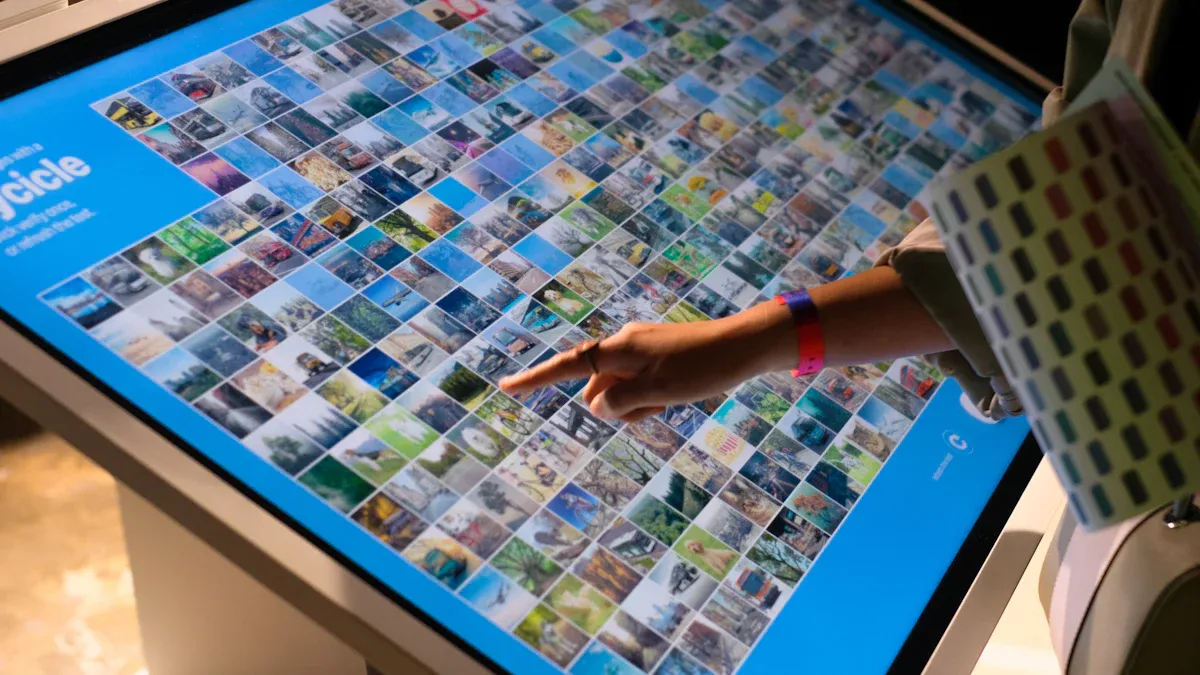
You can see digital signage player technology changing very quickly. The global market may grow from $27.96 billion in 2024 to $52.27 billion by 2033. This big jump shows it is important to follow digital signage trends.
Market growth happens because more people want dynamic visual communication.
Places like stores and hospitals help more people use it.
Here are seven trends shaping signage in 2026:
Trend Description | Impact |
|---|---|
AI Maturity | Predictive content and analytics help make better content plans. |
Hyper-Interactive Experiences | Touchless and AR displays give more fun and engaging experiences. |
Cloud Management | Centralized cloud platforms make things faster and easier to join. |
Hardware Innovation | New display technologies make screens look even better. |
Sustainability | Energy-saving displays help the environment. |
Rising Expectations | People want signage to be more interactive. |
Advanced Analytics | Data insights help signage become smart business tools. |
Key Takeaways
AI personalization helps customers pay more attention. It shows content that matches what each person likes.
API modular platforms make it easy to connect with other business systems. This helps things work better and gives more choices.
Edge computing lets content update right away. This means screens can change fast when the audience changes.
Sustainable digital signage solutions use less energy and are better for the environment. This helps the Earth and your business too.
Buying 8K displays makes pictures look much better. This gets more people to look and helps them remember your brand.
AI Personalization in Digital Signage
Automated Predictive Personalization
AI can help make digital signage smarter. It shows the right content to the right person at the right time. For example, videos can greet loyal customers and show their favorite styles when they enter a store. Dynamic ads can change based on what is in stock or the time of day. Some stores use a virtual sales concierge to give personalized recommendations. These features make content more helpful and interesting.
To get started, collect data about your customers. Use cameras or sensors to learn who is in your store. Connect your digital signage player to AI tools that look at this data and choose the best content to show.
Impact on Contextual Marketing
AI personalization changes how marketing works. It lets you adjust content based on who is watching and what they like. You can see the main points in the table below:
Key Point | Description |
|---|---|
AI Personalization | AI lets you personalize content by changing it for different people. |
Real-time Data Analysis | AI looks at real-time data to pick messages that fit the audience. |
With predictive personalization, machine learning guesses what customers want. This means content can change quickly to match their needs. You create a better experience and get more customer engagement.
Business Benefits
AI personalization in digital signage brings real results. Here are some examples:
Business Type | Reported Benefit |
|---|---|
Quick-Service Restaurants (QSRs) | |
Retailers | 20-30% sales jumps from targeted in-store screens |
Venues | 40% higher dwell times |
You can boost sales and keep customers in your store longer. You also make your content more valuable. As digital signage trends grow, using AI helps you stay ahead in the market.
API Modular Platforms for Integration
Building Business Ecosystems
API modular platforms help you build a strong business ecosystem. They let digital signage players connect with other business systems. For example, Signagelive shows how headless platforms break down walls and help teams talk better. You can link screens to tools like POS, CRM, and ERP. This makes your daily work easier and helps teams share information.
Tip: Use APIs to connect your digital signage to social media or customer databases. This gives you updates right away and keeps your content new.
Here are ways API modular platforms help your business:
You can connect with many tools at the same time.
You make better choices using data from different places.
You save money by using open systems instead of closed ones.
Flexibility for Digital Signage Players
API modular platforms give you flexibility. You can grow your digital signage network as your business gets bigger. You can add more screens or change content without starting over. You do not have to use only one kind of hardware or vendor. You can mix devices and still get good results. If one device stops working, your journey keeps going.
Multi-platform support lets you pick what works best for you.
Hardware flexibility means you can use new technology as trends change.
You can set up your system for each location or audience.
Implementation Considerations
When you start using API modular platforms, you need to plan well. Think about content moderation, display design, and technical needs. You should also check legal rules and how you will measure success.
Details | |
|---|---|
Content Moderation | Pre-moderation, post-moderation, automated filtering, AI moderation, human review. |
Display Design | Grid layouts, carousel, waterfall/masonry, interactive designs, branded templates. |
Technical Considerations | API rate limits, API changes, privacy, caching, refresh rate. |
Legal and Practical | Terms of service, user consent, rights management, attribution, crisis planning. |
Measurement | Post volume, user participation rates, sentiment analysis, visitor attention. |
The digital signage market likes platforms that make integration easy. This helps you keep up with new technology and stay ahead in your journey.
AI-Driven Analytics for Digital Signage Players
Optimizing Campaign Performance
AI-driven analytics help you make your digital signage better. This technology shows what works and what does not work. You can earn more money by using real data from your audience. This means you can charge more for ads. You can also spend more money on screens that do the best. AI-driven analytics let you watch how your content does right away. You can see how people react at different times and places. AI can guess what people will like next. It can change what is on the screen if the weather or events change. This makes your ads more useful and interesting. These tools help you keep up with new trends in digital signage.
AI-powered personalization is now possible. Screens can show content that fits each viewer.
Better analytics help screens work by themselves and stop problems.
AI does simple jobs, so your team can think of new ideas.
Contextual signals from AI help you know how ads are doing.
Real-Time Data Insights
You can get real-time data from your digital signage players. This data helps you learn about your audience and make your content better. The table below shows what you can find out:
Insight Type | Description |
|---|---|
Tells you who is watching and how they act. | |
Viewers Count | Counts how many people see your content and for how long. |
Face Detection & Demographics | Finds age, gender, and feelings from far away, giving real-time info. |
AI Dashboard for Performance | Shows reports on engagement, busy times, and what content works best. |
You can use cameras to get information about people. AI changes content based on age, gender, weather, or time. You can count how many people walk by, see who is watching, and even know how they feel about your content.
You can check how your marketing changes store traffic and find places that need help. This is important for making your marketing better.
Measuring ROI
You need to see if your digital signage is worth it. AI analytics make this easy. You can use different ways to measure return on investment:
Method/Tool | Description |
|---|---|
Connects sales data with signage times to see real-time effects on buying. | |
Heat Mapping & Sensors | Shows how many people stop near screens and for how long. |
Centralized Analytics Dashboards | Collects data from many places to give a full picture. |
Customer Surveys & Feedback | Gives you feedback on how happy customers are and if they remember your message. |
Ad Impression Trackers | Counts how often your content is shown and maybe seen. |
A/B Testing Platforms | Compares two versions of a campaign to see which is better. |
You can also use math and analysis to see your results:
ROI = (Gain from Investment – Cost of Investment) ÷ Cost of Investment.
Compare sales during campaigns to other times to see the real effect.
Use attribution modeling to see which channels help most.
Make an engagement value index to score your campaign’s success.
With these tools, you can turn data into action and make smart choices for your business.
Edge Computing in Digital Signage Trends
Real-Time Processing Advantages
Edge computing changes how digital signage works. Data is handled right on the device, not far away. This means content can change fast when more people walk by. Your signs react quickly to what is happening nearby. If a lot of shoppers show up, you can show deals right away. You can also make each visitor’s experience special. For example, you can give out coupons as soon as someone passes. This helps people pay attention and want to come back. Stores use edge computing to help customers without waiting.
Change content right away for busy or slow times.
Handle data on the spot for quick reactions.
Give out special offers like coupons right away.
Get people interested with fast changes.
Make people loyal by helping them quickly.
Security and Reliability
Edge computing makes your signs safe and reliable. Your devices keep working even if the internet stops. Data is kept and used right on the device, so it is safer. The table below shows how edge computing helps your signs:
Security & Reliability Feature | Benefit |
|---|---|
Local Operation | Devices keep working and using data if the internet is down. |
Encryption & Authentication | Security tools keep your signs safe from bad people. |
Reduced Reliance on Data Centers | Local data use means your signs work even if the network is down. |
Local Data Processing | Private data stays safe and does not travel far. |
You can count on your signs to work all the time. You also keep customer data safe and protect your business.
Deployment Tips
You can set up edge computing for your signs with easy steps. First, pick devices that can handle data on their own. Next, turn on security tools like encryption and passwords. Keep your signs updated with new software often. Test your network to make sure it works well. Put devices where they can handle data fast. Teach your team how to watch and fix the system.
Tip: Try edge computing in one place first. If it works, add more places. Edge computing helps you grow your sign network and stay up to date.
8K Playback and Hardware Evolution
Ultra-High-Definition Displays
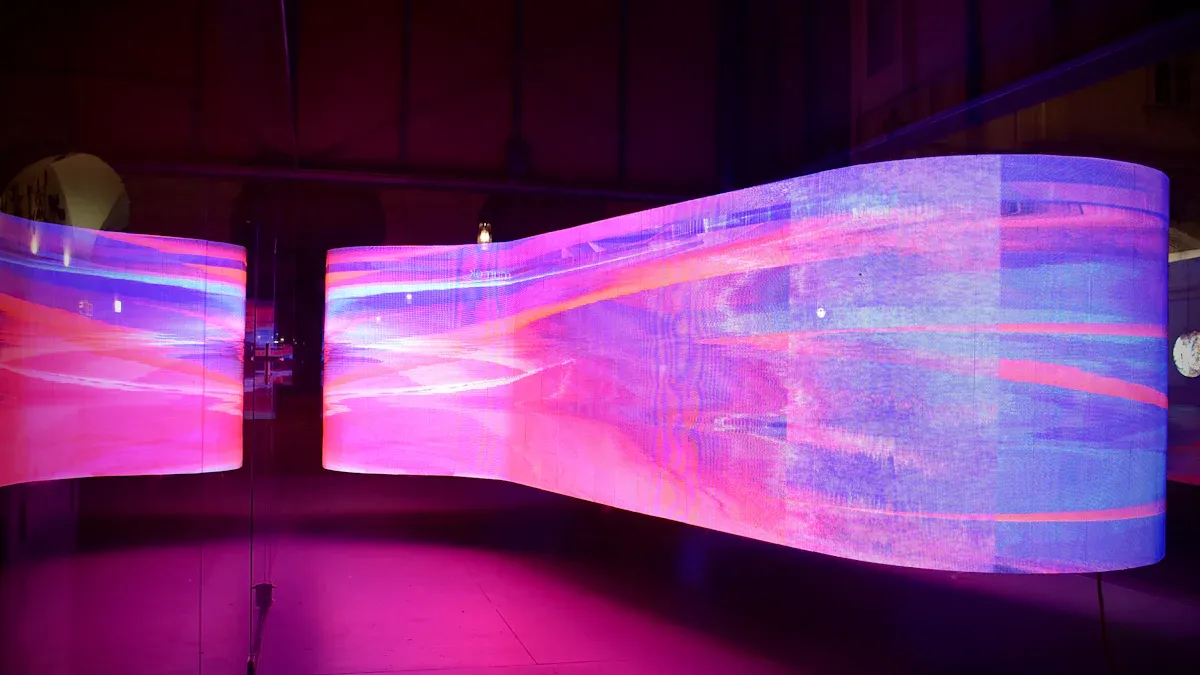
More businesses are picking ultra-high-definition displays now. 8K playback is getting popular very quickly. From 2025 to 2030, 8K screens will grow the fastest. People want graphics that look real for video walls and shop displays. These displays help make cool spaces that get attention. Customers see bright colors and clear pictures. This helps your brand stand out and be remembered.
8K screens show pictures that look real.
Video walls use 8K for sharp, detailed images.
Shop displays pull in customers with clear graphics.
Hardware and Bandwidth Needs
You need strong hardware to play 8K videos. Digital signage players must have fast CPUs, GPUs, and enough RAM. The table below shows what you need for smooth 8K video:
Content Type | CPU | GPU | RAM |
|---|---|---|---|
8K video | i7/Ryzen 7 | RTX 3060+ | 16 GB |
You also need enough bandwidth for different content types:
Basic content: 1-5 Mbps for each player
HD video streaming: 5-15 Mbps for each player
4K content: 25+ Mbps for each player
Cached content: Needs very little ongoing bandwidth
You must plan for these things so videos do not lag or stop. Upgrading hardware and network helps you use the newest digital signage technology.
Use Cases for Digital Signage
You can use 8K digital signage player technology in many ways. The table below shows common use cases:
Use Case | Description |
|---|---|
Large-Scale Digital Signage | Advertising agencies and stores use 8K screens for big displays. This helps people notice and remember brands. |
In-Store Digital Signage | Stores say customers stay longer because of bright 8K images. |
Billboards | Clear, high-resolution billboard images get attention and share messages well. |
These trends show how businesses use new technology to reach customers. You can use ai tools and ai to manage content and see results. 8K displays help you make experiences people remember and get better results.
IoT-Enabled Experiences and Sensor Integration
Enhancing Safety and Convenience
You can use iot-enabled experiences to make your business safer and easier. When you add iot and smart sensors, your digital signage reacts right away. The displays can change when things around them change. For example, screens get brighter if the room gets dark. They can also show safety messages if sensors find a problem. You do not have to update the content yourself. The technology does it for you. This saves you time and lets you focus on your audience. You also save energy because displays turn on only when people are close.
Show special content for each person.
Let updates happen by themselves so you do not miss anything.
Save energy by letting screens sleep when no one is there.
Give your audience a better time with displays that react to them.
Interactive Digital Signage
You can make your space more fun with interactive digital signage. Sensors let people control what they see on the screen. This makes every visit feel special. You can use different sensors to make new ways to interact.
Function | |
|---|---|
Lift & learn | Shows info when someone picks up a product. |
Place & learn | Changes content when items are placed on a spot. |
Presence detection | Turns screens on or off when someone enters or leaves. |
Proximity sensors | Starts content when someone gets close. |
Air gesture sensors | Lets people wave their hand to control the screen. |
Touch sensors | Lets users touch the screen to get more info or buy things. |
You can use iot-enabled experiences to keep things clean. People can use their phones or voices to control screens. This helps your audience feel safe and keeps your space modern.
Data Collection and Personalization
You can use iot sensors to collect data about your audience. Smart displays use real-time data to show the right content. For example, screens can change if the weather gets hot or if a product sells out. Interactive kiosks can remember people and show them things they like. You can also use sensors to check the light or temperature and change the display to match. This helps you give each person a better experience.
Use data to learn what your audience likes.
Change your marketing based on what people do.
Make your content fit each person who visits.
You can follow these trends to help your business stand out. When you use iot and sensor integration, you make a smarter and more personal connection with your audience.
Sustainable Digital Signage Player Solutions
Energy-Efficient Hardware
You can help the planet by picking energy-saving hardware. New screens use LED or MicroLED, which need less power. Many business displays run all day and night. They have features like auto brightness. You can set screens to sleep or turn off when not needed. Some media players do not have fans, so they use less energy and last longer. Solid-state storage and good video codecs also help save power.
Here are some ways to use less energy with your hardware:
Pick LED or MicroLED screens.
Choose displays made for long use.
Turn on auto brightness and sleep settings.
Set screens to turn off when closed.
Use strong, fanless media players.
Green Technology Benefits
Using green technology helps your business and the earth. Energy-saving digital signage uses less electricity. You do not need to print posters, so you save trees and make less trash. Smart systems can dim or turn off screens when no one is there. This saves energy and makes your work easier. People notice when you care about the planet, and this can make your brand look better.
Innovation Type | Description |
|---|---|
LED and OLED screens use less power and lower your carbon footprint. | |
Recyclable Materials | Using recycled plastics and metals reduces waste. |
Smart Power Management | Automatic brightness and remote tools save energy and extend device life. |
Cloud-Based Software | Less hardware means less energy use and easy updates from anywhere. |
Durability and Longevity | Modern displays last up to 100,000 hours, so you replace them less often. |
Compliance and Cost Savings
You can follow new rules and save money with green digital signage. Many places have strict laws about energy and waste. Digital signage helps you follow these rules because it does not use paper or ink. You also save money by not printing or changing posters. Most digital signs last five to ten years and use up to 30% less energy than old ones. You might pay more at first, but you save money later on power and repairs. More companies now spend more on green solutions, with 75% of leaders raising their budgets last year. By following these trends, you help the earth and your business.
You should follow digital signage player trends to stay ahead in 2026.
AI will help you show content that fits each customer.
Security is important because digital signage links your spaces and systems.
New things like IoT and mixed reality will make people pay more attention.
To begin:
Use AI to make content special for each person.
Control your screens with tools on the cloud.
Get better displays and connect them to your business tools.
Look at your plan now and ask experts if you need more help.
FAQ
What is digital signage and how does it boost engagement?
Digital signage means using screens to share messages. You can show videos, pictures, or news on these screens. This tool helps get people’s attention fast. People see your message and remember it later. You help your audience learn about your brand and join in.
How do digital signage systems support real-time engagement?
Digital signage systems let you change content right away. This means you can reach people at the perfect time. Real-time engagement helps you talk to people as they move around. Your message stays new and important for your audience.
Why is hyper personalization important for the customer journey?
Hyper personalization lets you show special content to each person. You use data to match content to what people like. This makes the customer journey easier and more fun. People feel important and want to keep watching. You build trust and make people loyal to your brand.
How do ai insights improve engagement with digital media player technology?
Ai insights help you know what works best. You can see which content gets the most attention. Your digital media player can change content using these insights. You make better choices and get better results.
What trends drive signage innovation and engagement in 2026?
Signage innovation comes from new technology and smart ideas. You will see more interactive screens and cool features. Engagement grows when you use sensors, analytics, and new designs. You stay ahead by following these trends and using the best tools.
See Also
Key Factors That Make Digital Signage Essential for Success
The Impact of Round LCD Displays on Business Signage
Emerging Trends in Transparent OLED Technology for Displays
Selecting the Ideal Video Wall Signage Solutions in Singapore
Understanding the Functionality of Outdoor Digital Signage Today
