Discover the Benefits of Digital Signage Plasma Screens in 2026
Add.: 2F, Bldg 10, Changfeng Industrial Park, Dongkeng, Fenghuang, Guangming, Shenzhen, China 518132
Mobile/WHATSAPP: 86-138 25769658
Email: marketing@topadkiosk.com topadkiosk@gmail.com
Skype: pghenry1
Wechat: adkioskhenry
English Web.: https://www.topkioskdisplay.com/
http://www.ad-kiosk.com/
https://www.toplcddisplay.com/
http://www.multitouchdigitalsignage.com/
https://www.youtube.com/channel/UCYVYNJHxLVEcQD8fuUxXNTA/videos?view_as=subscriber
https://www.facebook.com/TOPADKIOSKSHENZHEN/?ref=bookmarks
As long as we have the blueprints, Shenzhen TopAdkiosk Display Technology Co., Ltd no worse than anyone else.

You need strong visual communication to get attention in 2026. Digital signage plasma screens help your business stand out. They show bright content and update in real time. Look at the results:
Benefit | Impact |
|---|---|
Sales increase with digital signage | |
Employee engagement in digital workplaces | 20–30% higher |
Payback period from productivity gains | 12–18 months |
ROI per dollar spent | $4–$6 in value |
Most groups pick these screens for their clear images. They also like the screens because they last long and do not cost much. If you want to fix display problems and save money, go to https://www.topkioskdisplay.com/ now.
Key Takeaways
Digital signage plasma screens can help increase sales by 33%. Their bright and interesting content grabs attention. These screens show very clear pictures with deep blacks and bright colors. This makes your ads easy to notice. Plasma screens let you change content right away. This keeps your audience interested and up to date.
Digital Signage Plasma Screens Overview

Self-Emissive Technology Explained
You want your digital screens to look clear and bright. Digital signage plasma screens use self-emissive technology. This means each pixel lights up by itself. You get deep blacks, bright whites, and bold colors. You can see every detail, even in bright rooms. The picture looks good from many angles. Plasma screens in 2026 have many smart features. Here are some things that make them special:
Feature | Description |
|---|---|
Changes messages quickly for your audience. | |
MicroLED Displays | Makes big screens very bright and sharp. |
Flexible & Transparent Displays | Lets you make cool and different signs for any place. |
E-Paper & Energy-Efficient | Saves energy and works well outside, even in sunlight. |
Personalization | Uses voice and hand movements for fun digital experiences. |
Accessibility | Makes screens easy for everyone, even people with disabilities. |
Engagement | Shows moving content that keeps people watching. |
Data & Feedback | Changes what’s on the screen fast when people react. |
2026 Market Relevance
You need digital signage that works for today’s needs. Plasma screens are still a top pick in 2026 for many reasons:
You get amazing picture quality, great for fancy digital screens.
Businesses want bigger screens, and plasma makes large displays easy.
New things like 4K and 8K content make plasma screens great for cool digital experiences.
You see plasma screens in stores, hotels, and fun places because they work so well.
Pick digital signage plasma screens to make your business look modern. You will wow your audience and stay ahead in the world of digital screens.
Key Features and Benefits
Superior Contrast and Color
You want your digital displays to look special. Plasma screen technology helps you do this. Each pixel lights up by itself. This gives you deep blacks and bright whites. You can see every detail, even in bright rooms. Plasma screens can reach contrast ratios as high as 5,000,000:1. This means your digital signage plasma screens show very clear images. You also get up to 16.77 million colors. Your digital signs look real and full of color. The whole screen stays bright everywhere. Your ads always look sharp. Customers notice the difference, and your sales can go up.
Plasma screens give high contrast for displays that stand out.
You get true color for every ad and message.
Even brightness means your content always looks good.
Wide Viewing Angles
You want your digital displays to look good from all sides. Plasma screens keep colors bright and images clear, even from the side. This is great for busy stores, showrooms, or waiting rooms where people move around a lot.
Display Type | Viewing Angle | Image Quality Degradation |
|---|---|---|
Plasma | Wide | Minimal |
LCD | Limited | Significant |
LED | Limited | Moderate |
Plasma screens keep color and contrast even at sharp angles. Your digital signage plasma screens make sure everyone sees your message. It does not matter where they stand. This helps more people see your screens and pay attention.
Dynamic Content Integration
You want to keep your audience interested. Plasma screens let you show new content right away. You can update your digital displays fast. Show new sales, special events, or real-time news. Your digital signs can play videos, animations, and interactive digital signage experiences. Touch technology lets customers use your content. This makes your digital displays more fun and exciting.
Real-time content keeps your ads new.
Interactive digital signage gets customers involved.
You can update many screens from one place.
Plasma screens work with top digital signage software. You can make video walls, split screens, and control everything from far away. This makes it easy to share the right message at the right time.
Cost Savings and Efficiency
You want to save money and get the most for what you spend. Plasma screens help you do this in many ways. You do not need to print posters or banners anymore. You can change your content right away, so you do not waste time or paper. Plasma screens last for years if you take care of them. Many commercial plasma screens come with a three-year warranty and expert help. You can get more coverage for extra peace of mind.
Display Type | Expected Lifespan (Years) | |
|---|---|---|
LCD Commercial | 50,000-70,000 | 7-10 years at 16 hours/day |
High-Brightness LCD | 30,000-50,000 | Degrades faster due to backlight |
Direct-View LED | 100,000+ | 11+ years at 24/7 operation |
OLED | 30,000-100,000 | Depends on content type |
Consumer TVs | 30,000-60,000 | Not rated for continuous use |
Plasma screens use more power than LED displays. But you save money because you do not need as many printed signs or workers. You also get fast updates, so you can react to trends and sell more. Many restaurants and stores use plasma screens to show cooking shows or daily specials. This makes customers happy and helps you sell more.
Tip: Use new content and real-time updates to keep your digital displays interesting. This helps you get more customer attention and better results.
You can add more screens as your business grows. Central control lets you manage thousands of screens easily. You get the same message everywhere and better results in all your stores. This helps you reach your business goals and get more for your money.
Comparing Display Technologies
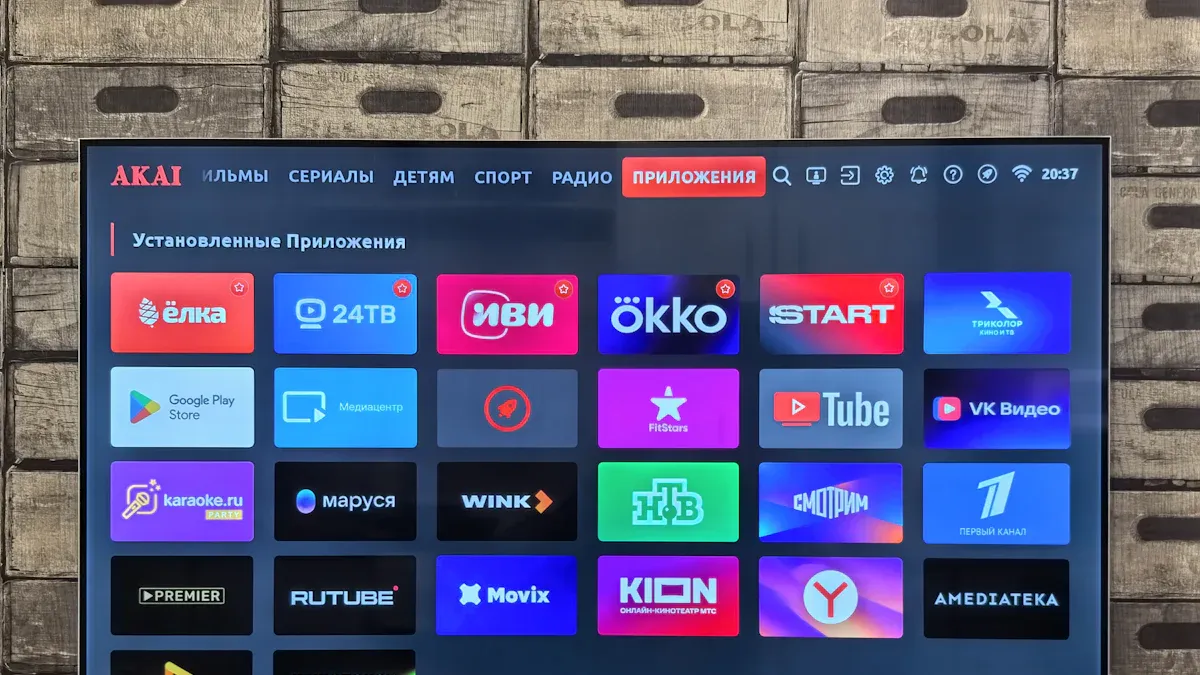
Plasma vs. LCD and LED
You want your business to have the best screens. Plasma screen technology gives you deep blacks and wide viewing angles. Motion on these screens looks smooth. Your ads and sales messages look sharp and clear. LCD screens are bright and cost less money. But they can have glare and lose color from the side. LED screens are very bright and use less power. This helps you save on your electric bill. LED screens also support HDR, so colors look bold and bright.
Feature | Plasma Screen | LCD Screens | LED Screens |
|---|---|---|---|
Image Quality | Deep blacks, wide angles | Good, can have glare | Vibrant, bright, HDR |
Energy Efficiency | Higher usage | Moderate | Most efficient |
Lifespan | Long, but parts rare | Long, predictable | Longest |
Cost | Higher maintenance | Affordable | Higher upfront |
Use Cases | Large digital displays, high-impact promotions | Everyday digital displays, menus | Outdoor digital displays, premium sales areas |
Plasma screens are great for big displays and important ads. LCD and LED screens are good for daily use and outside places. You want to sell more and get the most value for your money.
Note: It can be hard to find plasma screen parts in 2026. This might make repairs cost more.
Choosing the Right Solution
You need to pick screens that fit your business goals. Think about what you want to sell and how you want to show it. If you want the best picture for big screens and special ads, plasma screens are a top choice. If you want to spend less and change content easily, LCD screens are a good pick. LED screens save energy and are bright for outside or busy places.
Here are steps to help you get the best value:
Set your goals and sales targets.
Choose your budget for screens and updates.
Try different screens to see what works best.
Plan for new updates and adding more screens later.
Ask experts for help with setup and use.
You want screens that make your ads stand out and help you sell more. Pick the right plasma, LCD, or LED screens to keep your business ahead every time you update.
You want your business to grow. Plasma screen displays give you high contrast, vivid colors, and wide viewing angles. You boost sales with dynamic content and real-time updates. Plasma screen technology helps you reach more people and improve sales. Follow these steps:
Audit your plasma screen setup.
Prepare your content.
Test new plasma screen displays.
Roll out in phases.
Watch your sales rise with every plasma screen upgrade.
Plasma screen solutions keep your business ready for the future and drive sales.
Digital Signage Plasma Screens: What You Need to Know
Plasma screens were once a brilliant technology in the world of digital signage, but they have now largely moved to the background. However, they still offer some irreplaceable advantages in specific scenarios.
🔍 Core Principle: The "Plasma" Behind the Screen
In a plasma display panel (PDP), each pixel is a tiny gas chamber filled with inert gases (such as neon and xenon). When electricity is applied, the gas is ionised into a plasma state and emits ultraviolet (UV) light. This UV light then excites red, green, and blue phosphors, which emit visible light to create the colours you see. Therefore, plasma is a self‑emissive technology – each pixel is its own light source.
⚖️ Advantages and Disadvantages at a Glance
✅ Advantages
Superior picture quality – Deep blacks and a high native contrast ratio of at least 1000:1, giving images excellent depth. Colours are vivid and saturated, especially for high‑dynamic‑range content.
Excellent viewing angles – Nearly 160‑degree wide viewing angles. Colour and contrast do not shift significantly when viewed from the side, unlike early LCD screens.
Very fast motion response – Extremely low motion blur, making plasma ideal for high‑motion content such as sports or action movies.
❌ Disadvantages
Burn‑in risk – Prolonged display of static content (e.g., logos, menus) can leave permanent ghost images. Although commercial‑grade plasma displays incorporate mitigation techniques, burn‑in remains a major risk for digital signage where static elements are common.
High power consumption and heat – Plasma displays typically consume significantly more power than LCDs of the same size and generate substantial heat. This increases operating costs and creates cooling challenges, especially for outdoor installations.
Brightness degradation over time – The phosphors age with use, gradually reducing brightness. While manufacturers rated lifespans in tens of thousands of hours, long‑term image stability is inferior to modern LED/LCD technology.
Fragile glass surface – The front of a plasma screen is thin glass, which is vulnerable to accidental impact in public spaces.
Discontinued – difficult to buy and maintain – Major manufacturers have ceased production. Finding new units, spare parts, and technical support is increasingly hard.
📺 History and Applications
1. Glory Days: Pioneer of the Large‑Screen Era
In the 2000s, plasma displays were the leading large‑format flat‑panel technology. Sizes grew from 42 inches in 1997 to a massive 150 inches by 2008. They were also tiled into very large video walls, widely deployed in airports, shopping malls, and other public venues. Plasma and LCD competed side by side, jointly driving the growth of the digital signage market.
2. Current Use Cases: A "Hidden Gem" for Specific Needs
Although no longer mainstream, plasma can still be valuable in applications where picture quality is paramount.
High‑end retail windows – Displaying luxury goods or car advertisements, leveraging excellent image quality to attract attention.
Premium restaurants or bars – Showing high‑quality promotional videos or sports events, creating an immersive atmosphere.
Art galleries and museums – Displaying high‑dynamic‑range video art.
Control rooms and studios – In professional video walls, plasma may still be used for specific high‑image‑quality monitoring needs.
🆚 Side‑by‑Side Comparison: PDP vs. LCD vs. LED
Feature | Plasma (PDP) | LCD / LED | Notes |
|---|---|---|---|
Contrast & black level | Excellent | Good to excellent | Plasma and OLED excel in black purity. |
Viewing angle | Excellent | Good to excellent | Early LCDs had narrow angles; modern IPS panels have greatly improved. |
Colour vibrancy | Vivid, natural | Good to excellent | High‑end LCDs with quantum dots also deliver outstanding colour. |
Motion response | Very fast | Good to excellent | Modern high‑refresh‑rate LCDs have minimal blur. |
Burn‑in risk | High | Very low | This is the biggest obstacle for plasma in digital signage. |
Power consumption | High | Low | Over long‑term use, LCD/LED offers significant energy savings. |
Brightness | Moderate | Up to several thousand nits | Outdoor signage requires high‑brightness LCD/LED. |
Product lifespan | Moderate | Long | LCD/LED is more stable for 24/7 operation. |
Maintenance cost | High (parts scarce) | Low | Discontinued status makes parts hard to find. |
FAQ
What makes digital signage plasma screens better for my business?
These screens show bright pictures and deep blacks. You can see them from many angles. Your ads look special and get noticed. Customers see your message every time.
How long do digital signage plasma screens last?
Most plasma screens work well for 7 to 10 years. They last a long time if you take care of them. You do not need to replace them often.
Can I update content on digital signage plasma screens easily?
Yes! You can change what is on the screen very fast. Use remote software to keep your screens new and fun.
See Also
Exploring Innovations in Digital Signage Technology for 2026
Key Factors That Make Digital Signage Essential for Businesses in 2026
Selecting the Perfect LCD Digital Signage for Your Business in 2026
Popular Digital Signage Players Gaining Attention in 2026
Best Digital Signage Solutions for Retail Environments in 2026
