Emerging Trends in Digital Signage Monitor Displays for 2026
Shenzhen TopAdkiosk Display Technology Co., Ltd.
Add.: 2F, Bldg 10, Changfeng Industrial Park, Dongkeng, Fenghuang, Guangming, Shenzhen, China 518132
Mobile/WHATSAPP: 86-138 25769658
Email: marketing@topadkiosk.com topadkiosk@gmail.com
Wechat: adkioskhenry
English Web.: http://www.topadkiosk.com/
https://www.topkioskdisplay.com/
http://www.ad-kiosk.com/
https://www.toplcddisplay.com/
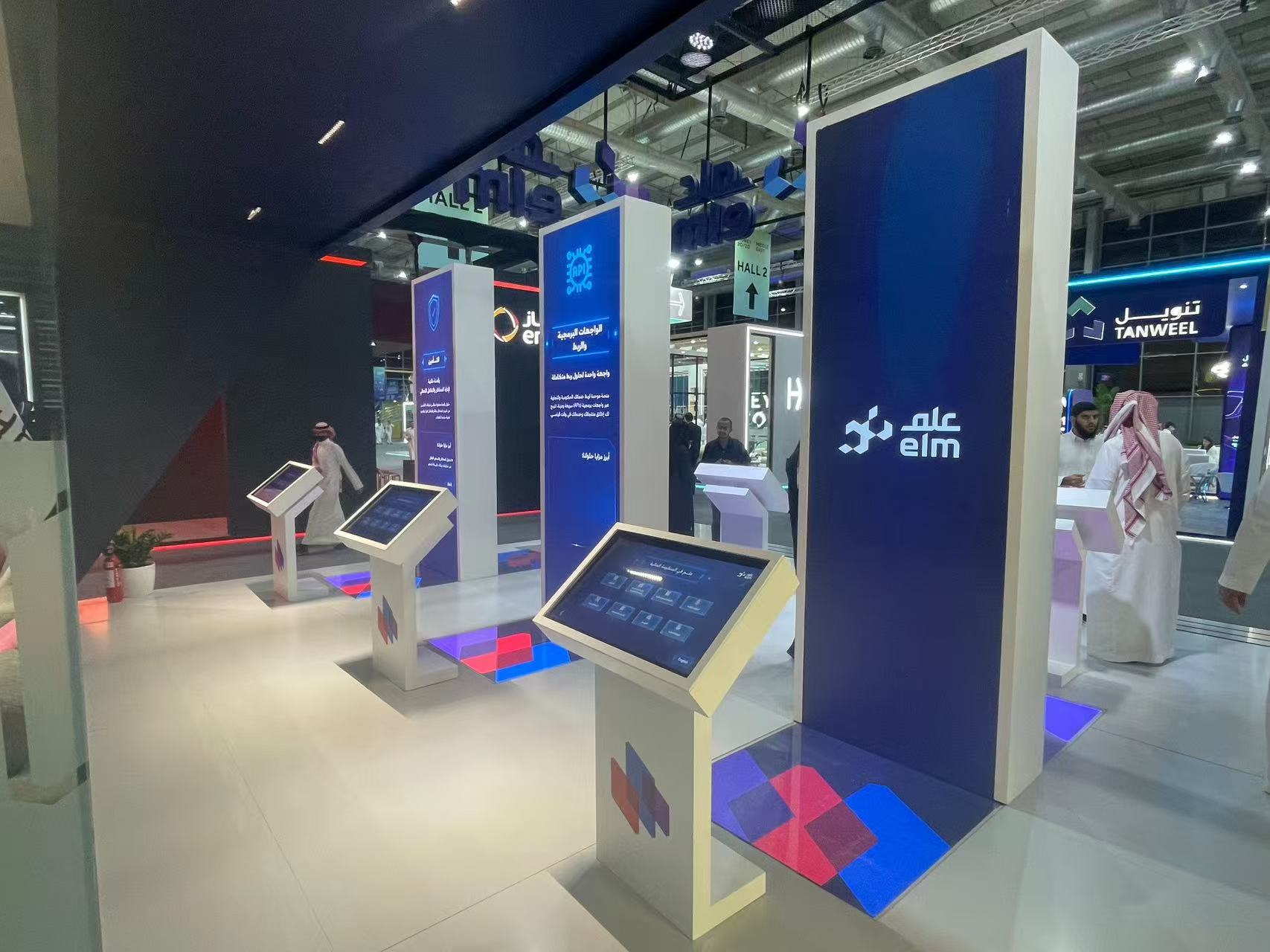
You will notice fast changes in digital signage monitor displays by 2026. The biggest trends are cloud-based management, interactive features, and caring for the environment. Look at the table below for a quick summary:
Trend | Description |
|---|---|
Cloud-Based Digital Signage | Lets you manage content easily in many places. |
Interactive Digital Signage | Uses touchless screens and QR codes for safe use. |
Sustainability in Digital Signage | Saves energy and cuts e-waste with green technology. |
If you know these trends, you can make better customer experiences and help your business do well. Many shoppers say digital displays help them choose what to buy. Using new technology like AI and touchless controls makes people more interested and keeps things clean. Keeping up with news from sites like https://www.topkioskdisplay.com/ helps you stay ahead and get the most out of your money.
Key Takeaways
Cloud-based digital signage helps manage content in many places. This makes work faster and easier.
AI-powered personalization changes content for each viewer. This helps people pay more attention and enjoy their visit.
Interactive displays use touchless controls to keep people safe. They also help keep public spaces clean.
Energy-efficient displays use less power and save money. They are better for the environment and help with green goals.
Centralized management lets people update digital signage from one place. This keeps messages the same everywhere.
AI in Digital Signage Monitor Displays
AI is making digital signage better. Now, displays can change what they show using live data. They can also pick content for each person. This makes the experience more fun and helps your business do more.
Dynamic Content Personalization
AI-powered personalization lets you show content that fits each viewer. AI and machine learning tools look at things like age, shopping habits, and time of day. These tools then choose the best message for that moment. For example, a display might show sports gear in the afternoon when more young people are around.
AI can change what is on the screen if someone stands close.
It can use social media trends to keep messages new.
With ai-powered personalization, every customer gets a special experience.
Here is a table with the newest advancements:
Advancement Type | Description |
|---|---|
Engaging Communication Hubs | Displays use live data and AI for dynamic content. |
Hyper-Personalized Content | AI looks at real-time data to help customers engage. |
Generative AI Tools | These tools make new, local content fast so displays stay fresh. |
Predictive Audience Targeting
AI-powered personalization can guess what your audience wants. AI checks old data and finds patterns in how people act.
Predictive analytics helps you plan campaigns and spend money well.
Real-time audience analysis lets you change your message fast.
You can show ads to the right people, which helps sales and engagement.
Data Security Advances
You need to keep customer data safe. New digital signage systems use strong privacy tools.
All data is made anonymous and stays on-site, so no personal info leaves your business.
Companies follow rules like GDPR and use clear opt-in choices.
You get helpful insights without risking privacy.
Tip: When using ai-powered personalization, always make sure your system follows privacy rules.
Interactive Displays and User Engagement
Touchless and Gesture Controls
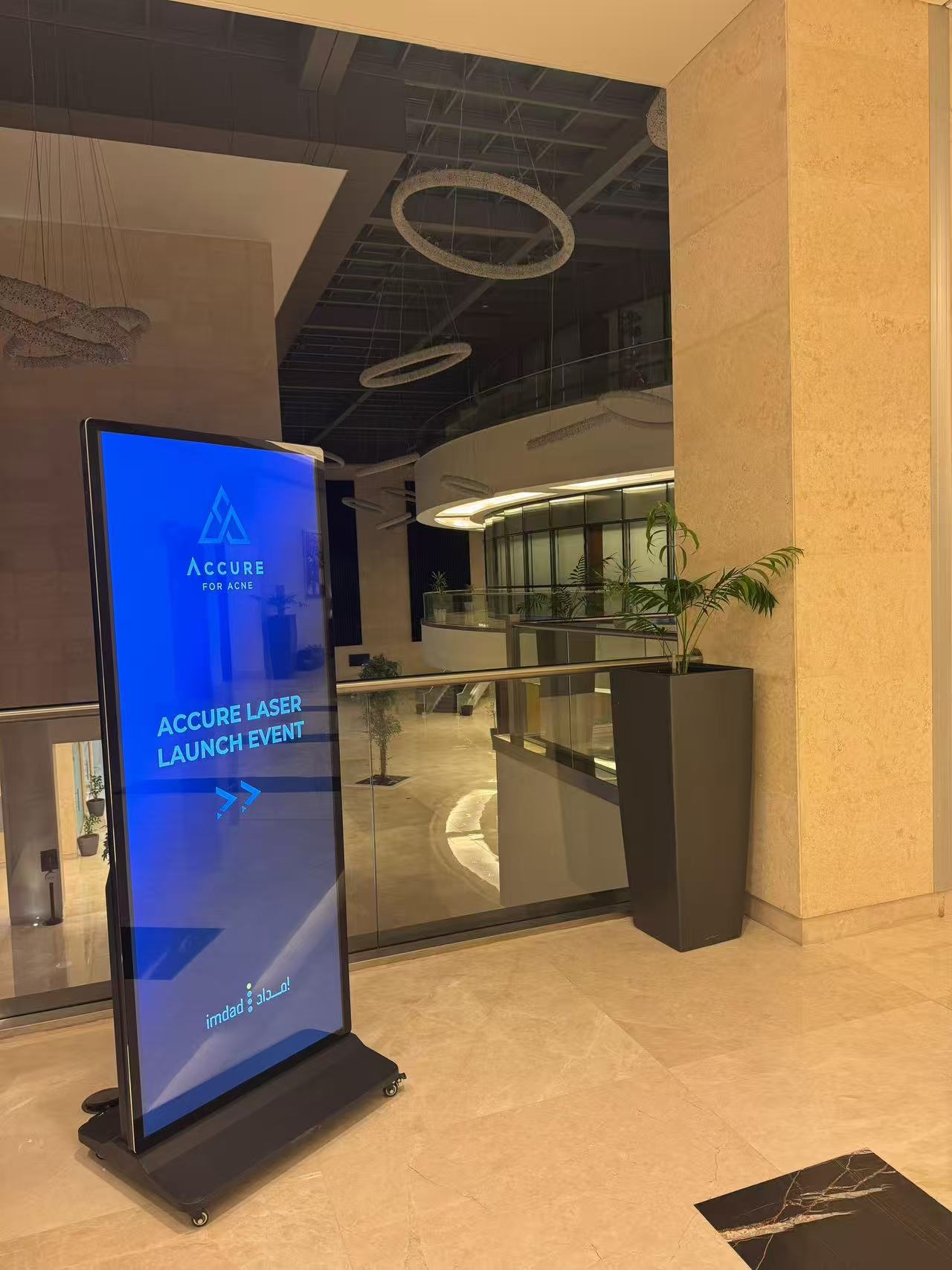
Now you can use digital signage in new ways. Many public places have touchless and gesture controls. These displays let you wave your hand or talk to the screen. You do not have to touch anything. This helps keep things clean and safe.
In stores, you can look at catalogs and see deals without touching.
In hospitals, gesture controls help you find patient info and stop germs from spreading.
At train stations and airports, displays show maps and times. You get info fast and safely.
In offices, gesture controls make giving presentations easy.
A study showed that interactive displays made customers join in 50% more in many stores. More people used the displays, so businesses saw higher use. These new tools make digital signage more fun and helpful for everyone.
Tip: Touchless and voice-activated displays help keep things safe and fun for users.
Mobile Integration
Mobile integration is changing how you use displays. Now you can connect your phone to a display with a QR code. This lets you get offers, product info, or join a poll right away. Businesses use cloud-based systems to update content fast. You see new deals and messages as soon as they are ready. Mobile integration also helps you go from the display to online shopping or info easily. This smooth link makes digital signage stronger and more fun.
Hyper-Personalized Experiences
Interactive displays now use AI and special cameras to learn about you. These systems can guess your age group or mood and show things you like. If you go to a store, the display might remember what you saw before and suggest new things. Stores use big data to show you the best ads and deals. Augmented reality lets you try on clothes or see furniture in your house. Chatbots on displays can answer your questions and help you find things. These tools make digital signage feel personal and useful every time you use it.
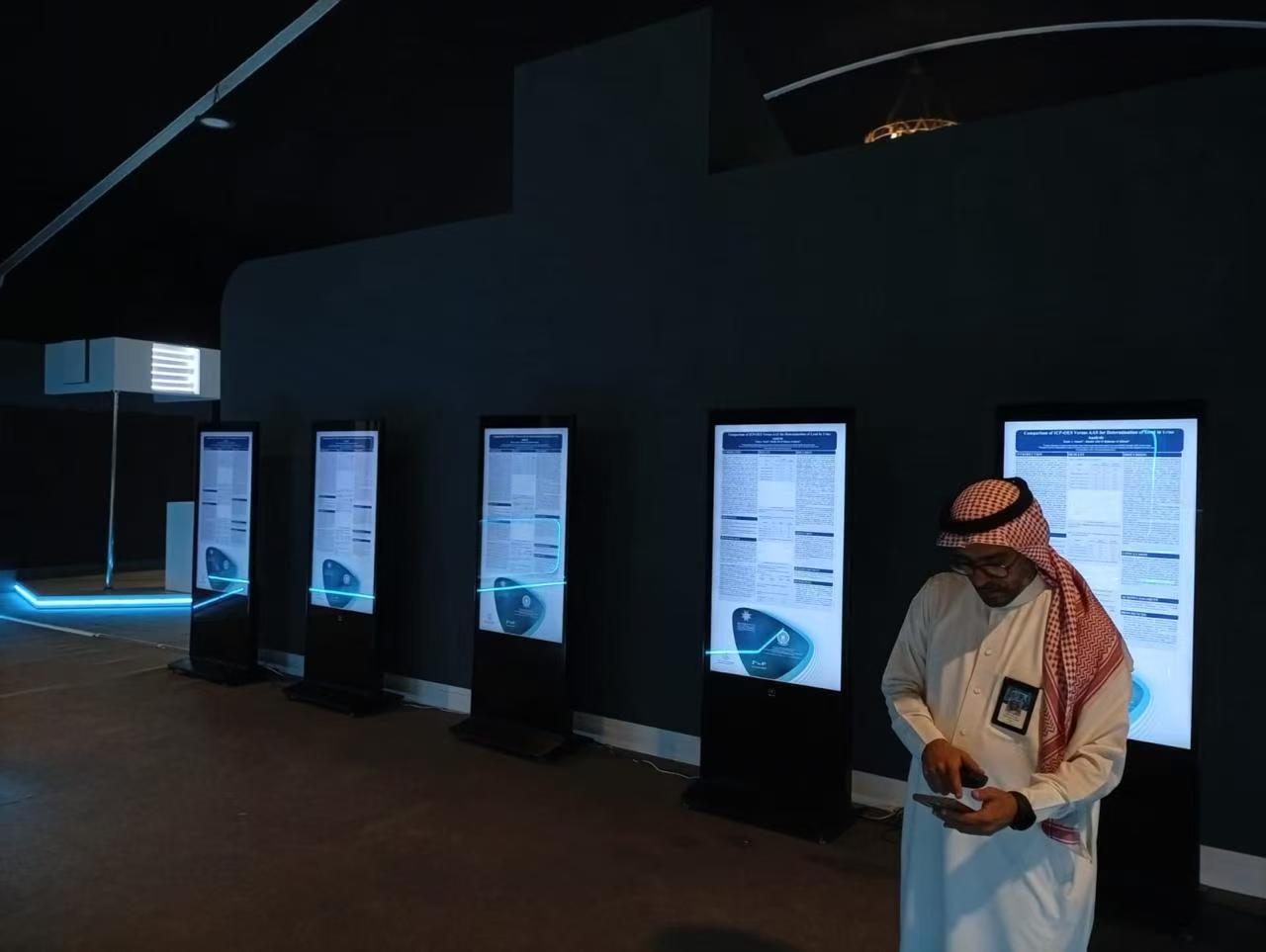
Digital Signage Trends in Media Network Convergence
Integrated Advertising Strategies
Now, you can use digital signage to link ads on many channels. This helps you reach more people and makes your message stronger. Businesses use new ways to connect digital screens, phones, and even paper ads. Using more than one way works better than just one.
Here is a table with some main strategies:
Strategy Type | Description |
|---|---|
Connects digital and physical ads for a stronger effect. | |
Programmatic Advertising | Automates ad buying for in-store screens, targeting the right audience at the right time. |
Integrated Media Ecosystems | Links displays, phones, and marketing tools to deliver dynamic content and track engagement. |
These strategies help you make ads smarter and work better.
Unified Content Delivery
It can be hard to manage content on many screens. Unified content delivery makes this simple. You can control all screens from one place. This keeps your message the same everywhere.
Centralized management helps you plan content, timing, and design for all screens.
Cloud technology lets you check and change displays from anywhere.
IPTV solutions let you handle different screens on one system.
When you update content, every screen changes at once. This keeps your brand message clear and the same.
Note: Unified content delivery saves time and helps you avoid mistakes.
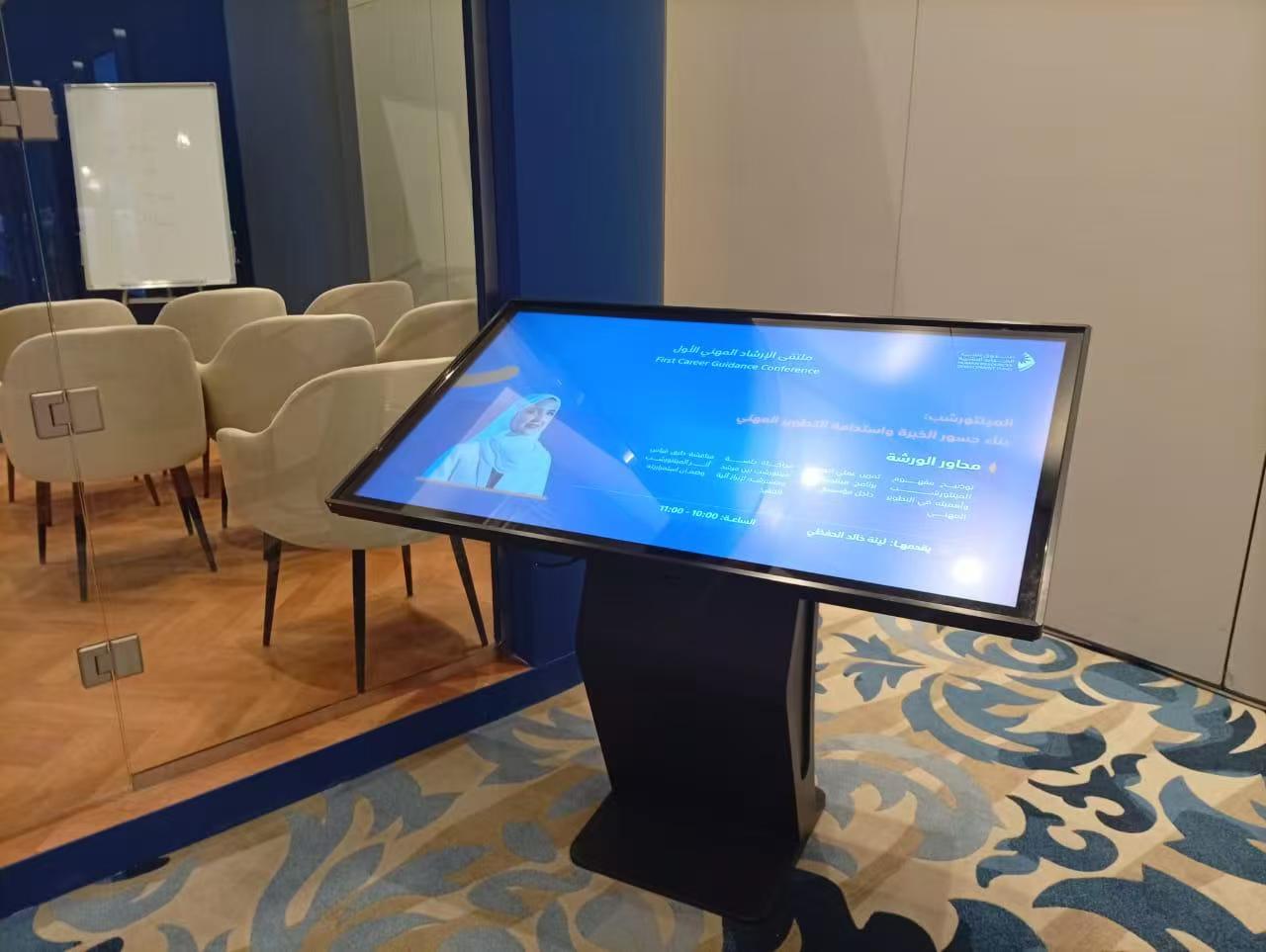
Cross-Platform Synchronization
You want your message to look good on every device. Cross-platform synchronization helps with this. It makes sure your content looks the same on all screens, like in stores, airports, or factories.
You can show safety rules and news on every factory screen at the same time.
Airports use this to give flight updates everywhere right away.
Stores use it to keep their brand strong and customers interested.
Cross-platform synchronization builds trust and makes info easy to find.
Experience Economy and Personalization
Hyper-Personalized Signage Solutions
Today, people want more than just things. They want special moments. Digital signage helps make these moments. Smart displays can give you live information and services. This makes each visit feel different. People expect personal experiences because their devices track what they do.
Digital signage gives live updates. These updates help you share the right message at the right time.
Displays can make places where people want to stay longer, not just shop and leave.
Smart signage uses tools like facial recognition and loyalty apps. These tools help you change content for each person.
You can show different messages based on age, gender, or language. This makes customer engagement stronger.
AI makes digital signage even better. It watches how people act and what they like. Then, it changes the message to fit the audience. This helps more people join in and buy things. IoT solutions let you give product updates right away. You can also use dynamic signage to change content based on the time of day or what customers do. These tools keep people interested and help your business stand out.
Behavioral Data Utilization
You can use behavioral data to make your digital signage smarter. This data shows who looks at your displays and how they act. With this information, you can send updates that match what people want. Live updates help you reach the right audience with the right message.
Behavioral data lets you see patterns in customer engagement. You can track foot traffic and see which displays get the most attention. When you use this data, you can make quick updates that boost customer engagement. Your messages become more personal and useful. This leads to more sales and happier customers.
Tip: Use audience analytics to check which updates work best. This will help you improve customer engagement every day.
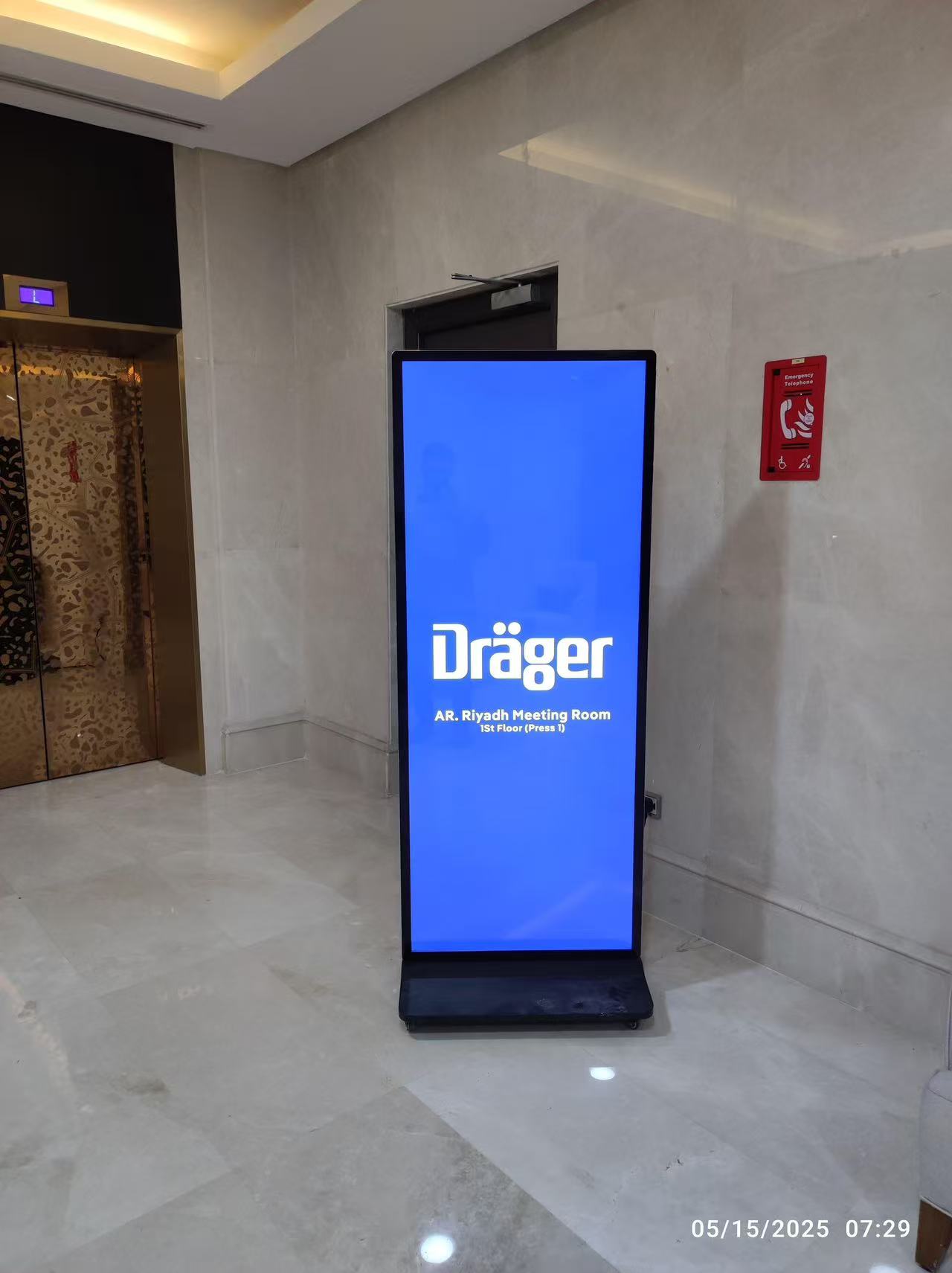
Digital Signage as Enterprise IT
Integration with Business Systems
You can link digital signage systems to your business tools. These systems connect with dashboards and CRM platforms. You can show live data or sales numbers on screens. Important alerts can appear right away. This helps you share updates with your team or customers fast. Security gets better because digital signage uses enterprise authentication.
Here is a table that shows how integration helps your business:
Aspect | Description |
|---|---|
You control all screens from one place. | |
Data Integration | You show live business data, like sales updates. |
Security Measures | You keep information safe with strong security tools. |
Operational Efficiency Gains
Digital signage systems help you work faster and smarter. You can spot problems quickly and fix them before they grow. These systems let you track how your displays perform and see what works best. You save money because you do not need to print new signs or send staff to update screens. You also reach more people and make your brand stronger.
Digital signage systems attract more views than old signs.
You can find and fix bottlenecks in your business.
You increase sales by over 30% and boost brand recall.
Wait times drop, and more people visit your store.
Centralized Management
With centralized management, you control all your digital signage systems from one dashboard. You can update messages, check screen status, and solve issues fast. This keeps your information fresh and your brand message clear. IT teams get better visibility and can keep everything running smoothly.
Benefit | Description |
|---|---|
Improved Visibility | You see all your digital signage systems at once. |
Enhanced Control | You change content and settings easily. |
Consistency | You keep your brand message the same everywhere. |
Tip: Centralized management helps you avoid mistakes and keeps your digital signage systems reliable.
Digital signage systems now play a key role in enterprise IT. You get better results, save money, and keep your business ready for the future.
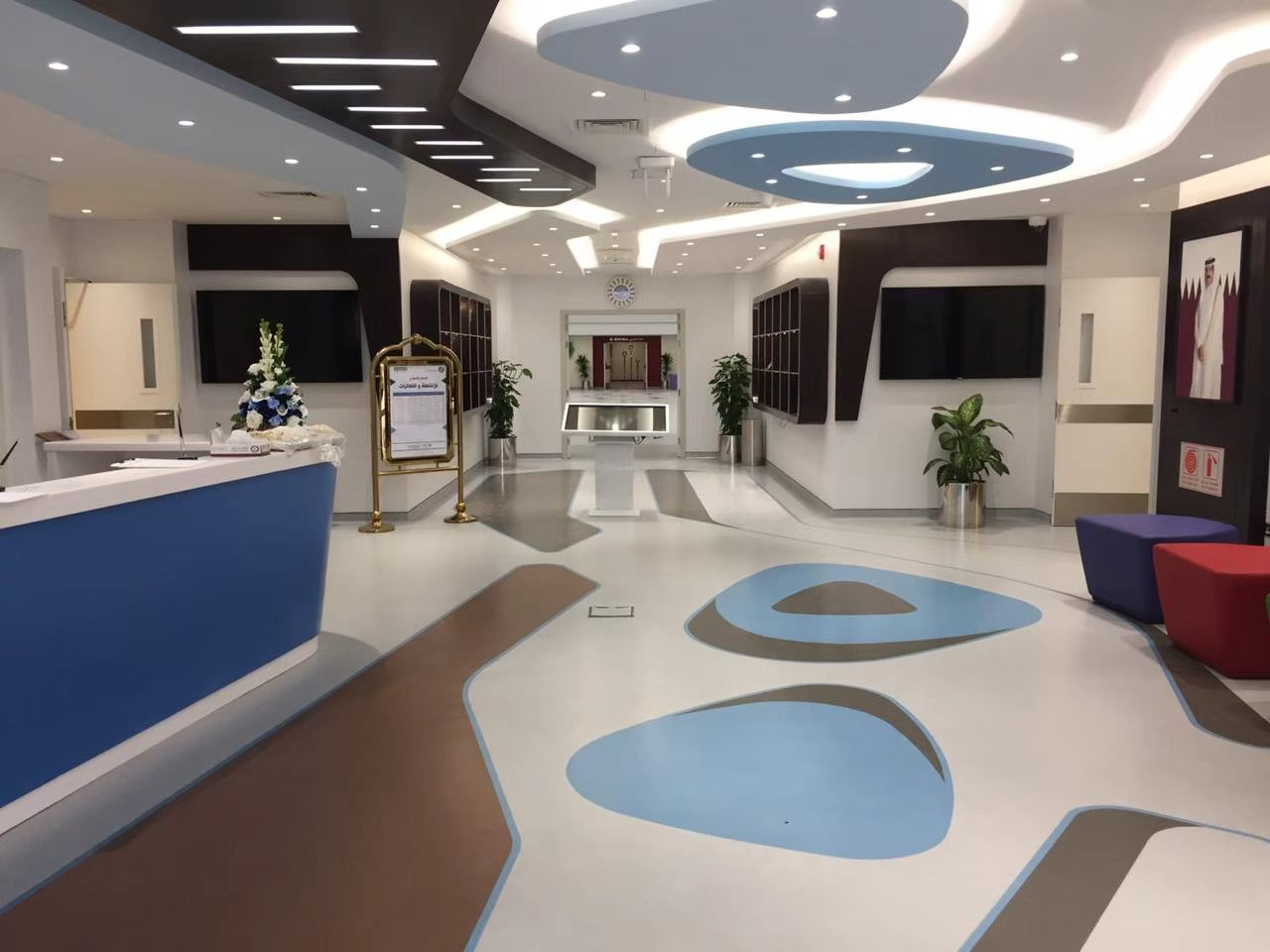
Immersive Digital Signage Technologies
Mixed Reality Experiences
Mixed reality will change how you use digital signage. It mixes digital objects with real life. This makes your visit more fun and special. You can try on clothes on a screen or see furniture in your house before buying. Stores use motion detection to make screens react when you move. This turns watching into joining in.
Experience Type | How It Helps You | Example Use |
|---|---|---|
Adds digital images to real life | Virtual try-ons in retail | |
Motion Detection | Changes visuals when you move | Interactive ads in malls |
AI-Driven Content | Shows you the best content at the right time | Personalized offers in stores |
More displays will use sound, lights, and even smells. These features make your visit stand out and easy to remember.
IoT-Enabled Displays
IoT connects digital signs with sensors and other devices. This makes your experience smarter and more personal.
Displays change what they show based on things around you.
Sensors count people and watch what customers do. This helps stores show the right message at the right time.
You get special deals and helpful info as you walk by.
IoT signs can help manage lines and show you where to go.
These displays change brightness and use less power to save energy.
IoT makes digital signage better for you and stores. It helps stores work well and keeps you updated.
Advanced Visual Quality
Digital signage will show clearer and brighter pictures in 2026. New screens have 8K resolution, so you see tiny details. This is great for fancy stores and big events. AI helps make content that fits what you like.
8K screens show super clear pictures.
Displays use less energy, which helps the planet.
Digital signage gets up to 400% more viewers than old signs.
Note: Sharp visuals and smart content make digital signage a strong way to grab your attention and help businesses do well.
Sustainability in Digital Signage
Energy-Efficient Displays
You can help the planet by picking energy-efficient displays. These displays use less power, so your bills go down. They also lower your carbon footprint. New screens last longer and do not need to be replaced often. This means you make less electronic waste. Some displays use solar power. This supports green building standards like LEED and WELL. You help your business reach important environmental goals.
Aspect | Contribution to Sustainability |
|---|---|
Energy Consumption | Uses less energy and saves money. |
Carbon Emissions | Makes fewer emissions from making energy. |
Green Building Certifications | Helps meet LEED, BREEAM, and WELL standards. |
E-Waste Reduction | Lasts longer and makes less waste. |
Renewable Energy Integration | Can use solar power for better sustainability. |
Tip: Smart power scheduling can save even more energy.
Eco-Friendly Materials
You can help by choosing displays made with eco-friendly materials. Many companies use recycled plastics, metals, and glass. They build displays to last over seven years. Modular designs let you upgrade parts instead of buying new displays. Using local materials cuts down on shipping pollution. Some displays use e-paper or reflective LCDs, which need less energy.
EPEAT and TCO Certified displays follow strict rules.
RoHS compliance keeps dangerous stuff out of screens.
Picking the right size avoids waste from big screens.
Proper disposal keeps the environment safe.
Green Compliance
You must follow green compliance standards to protect the planet and your business. Many displays use solar power and other renewable energy. ENERGY STAR certification means screens use less energy. Companies use recycled materials and safe ways to throw away old displays. These steps help you follow rules and show you care about sustainability.
Strategy | Description |
|---|---|
Renewable Energy Sources | Uses solar power to run displays and saves non-renewable energy. |
Energy Efficiency | Good thermal management and ENERGY STAR certification save energy. |
Sustainable Materials | Uses recycled materials and good practices in making displays. |
Responsible Disposal | Proper recycling and disposal methods keep the planet safe. |
Note: Following green standards saves money and helps the planet.
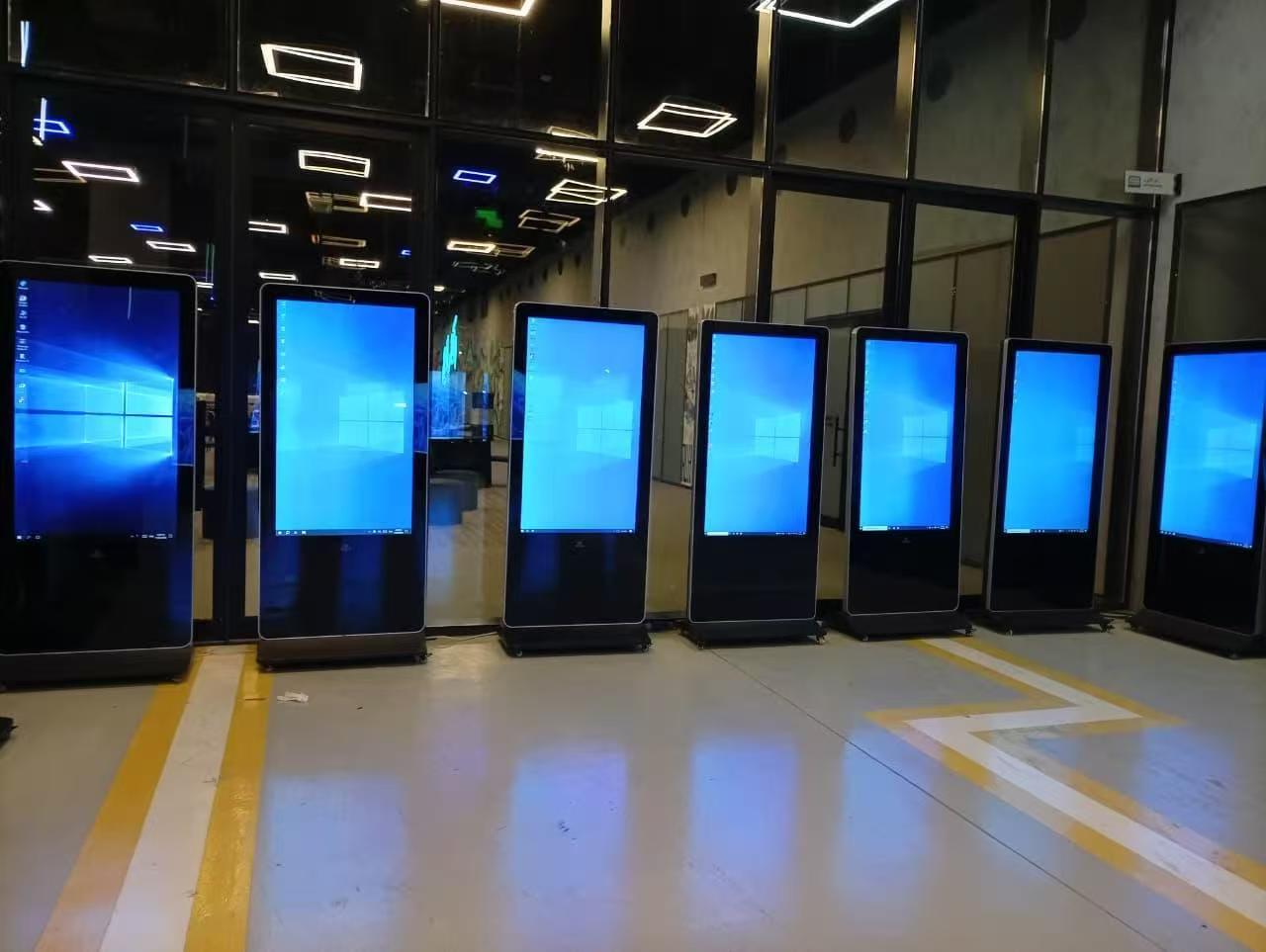
Business Impact of Digital Signage Monitor Displays
Enhanced Engagement and Retention
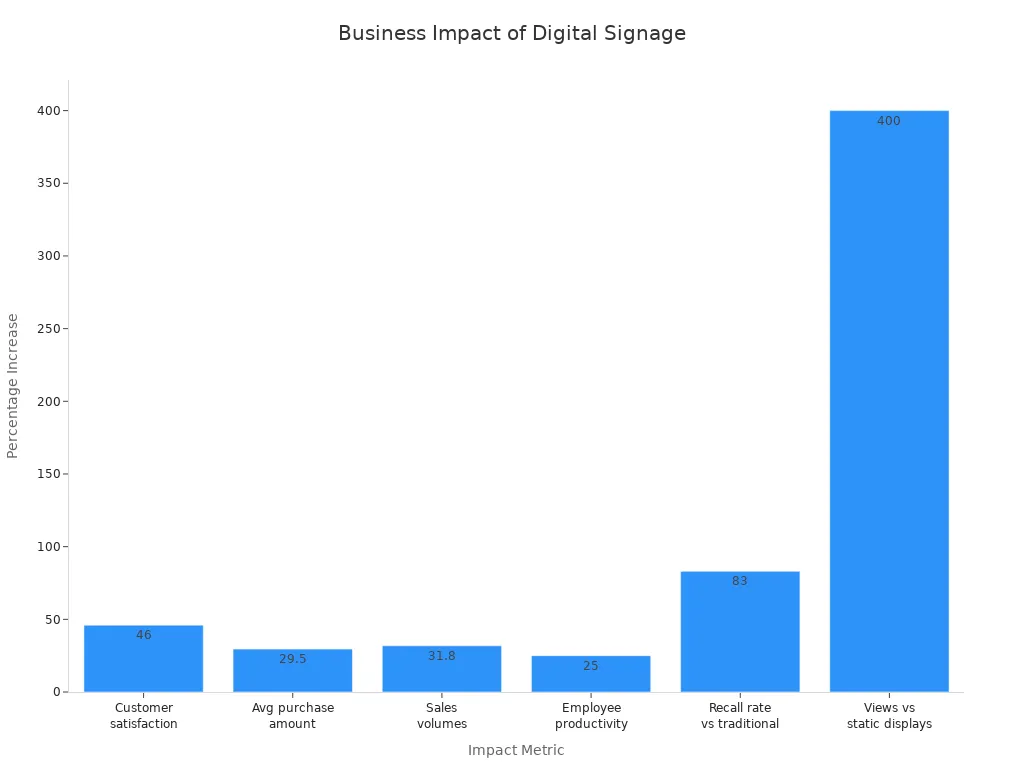
In 2026, using a digital signage monitor display will change how people pay attention to your business. These displays catch people’s eyes and keep them interested. You can show content that matches what your audience likes. This helps you connect better with customers and workers. Top displays like Samsung QMR Series and LG High Brightness displays have clear pictures and update fast from far away. These features help your messages stand out and get more attention.
Here is a table that shows how digital signage monitor display affects engagement and retention:
Statistic Description | Value |
|---|---|
Increase in customer satisfaction | 46% |
Increase in average purchase amount | 29.5% |
Upswing in overall sales volumes | 31.8% |
Improvement in employee productivity | 25% |
Recall rate of digital signage compared to traditional ads | 83% |
Increase in views compared to static displays | 400% |
You can see that digital signage monitor display helps you reach more people and makes them want to come back.
ROI and Cost Efficiency
You want to save money and get better results at the same time. Digital signage monitor display helps you do both. You do not have to print new signs all the time. You can change what is on the screen from anywhere. This saves you time and money. In 2026, you can check how well your displays work. You can see how long people look at your screens and how many join in. You can measure if sales go up, costs go down, and if workers are more interested.
Statistic | Value |
|---|---|
Sales Growth in Retail | Up to 32% |
Cost Reduction in Retail | 35% |
Increased Employee Engagement in Corporate | 22–27% |
Viewer Recall of Digital Ads | 55–83% |
Cost Savings Compared to Print Signage | 30–50% |
ROI Timeframe in Quick-Service and Banking | As little as 18 months |
You can also make more money by showing ads for certain groups. Many places, like McDonald's and banks, use digital signage monitor display to sell more and get new customers.
Future-Ready Strategies
You need to get ready for the future of digital signage in 2026. The best displays let you use cloud control, AI, and remote updates. These tools help you stay ready for new changes. You can show content that fits what customers want. You can also link your displays with other business tools. This makes your business smarter and faster. The future of digital signage will have smart displays, easy updates, and strong engagement. You will see more growth and better results when you use these ideas.
Tip: Pick displays that work with AI, cloud management, and energy-saving features to stay ahead in 2026.
You have learned about the main trends in digital signage. These trends show how ai-powered digital signage and interactive digital signage will change your business. Content management for digital displays is also important. To stay ahead, follow signage trends and invest in new technologies. Keep learning about new predictions and updates. Look for new features and best practices. Use these trends to help you make good choices and get the most from your displays.
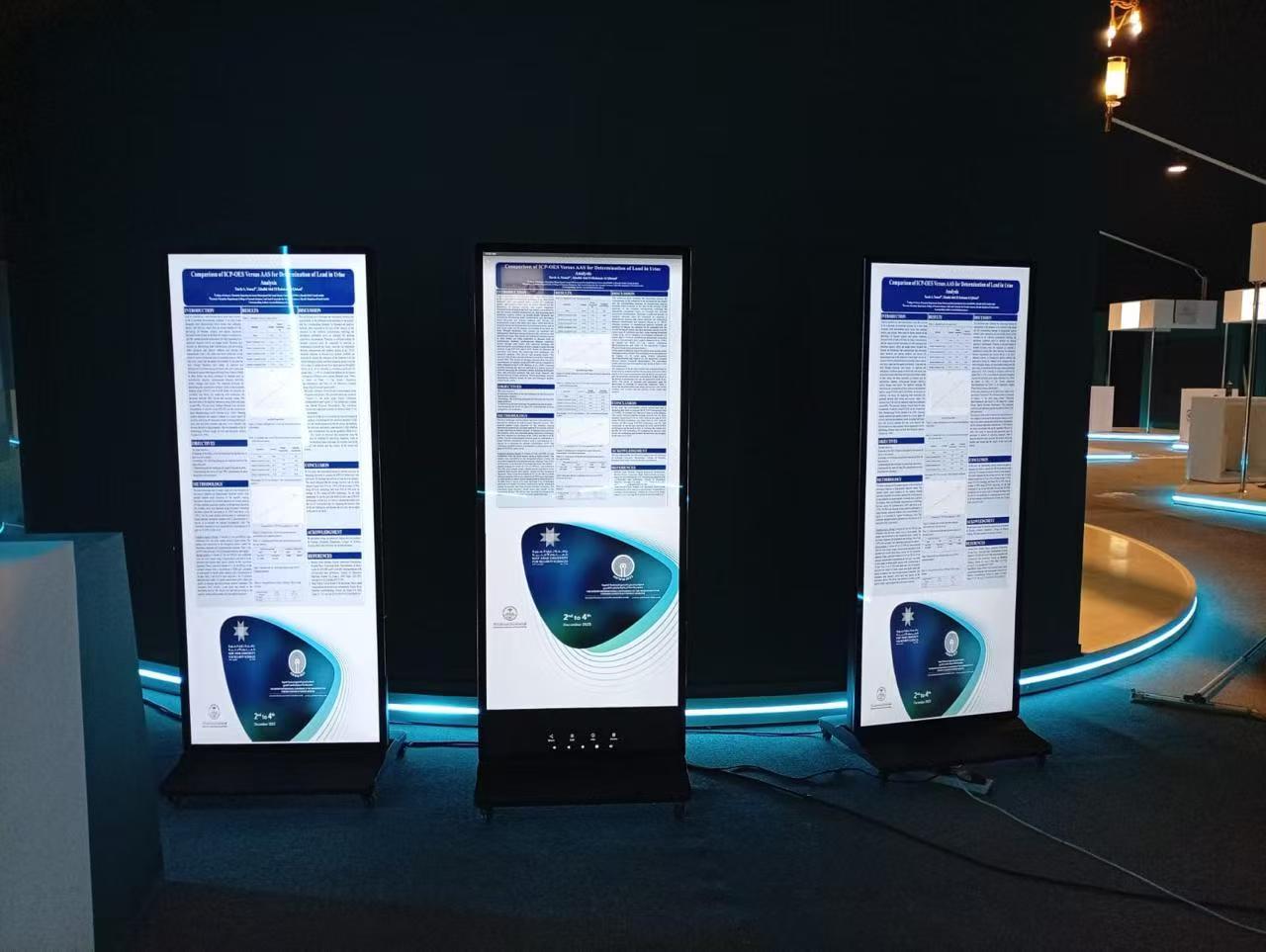
Best Digital Signage Monitor Displays for Businesses in 2026
A key trend in the 2026 commercial display market is that software is becoming a more critical competitive advantage than hardware. While traditional hardware giants like Samsung and LG still dominate, the industry’s focus is shifting from pure screen specifications to integrated smart platforms and comprehensive ecosystem experiences.
This guide will help you clarify your selection process and find the monitor that best fits your business scenario.
📊 At a Glance: Top Commercial Displays
The following table highlights the most representative commercial displays in the 2026 market, allowing you to quickly compare their features and ideal use cases.
Model | Best For | Brightness & Resolution | Key Strengths & Differentiators |
|---|---|---|---|
Samsung QB/QMC Series | Retail stores, corporate lobbies, conference rooms | QMC: 350–500 nits, 4K | Built‑in Tizen OS – runs apps independently without an external player; strong ecosystem; balanced all‑round performance. |
LG UH5N Series | Bright retail spaces, QSR menu boards | 500 nits, 4K | Higher brightness to combat ambient light; mature webOS for signage; good third‑party CMS compatibility. |
Samsung OMB Series | Window‑facing displays, outdoor bus shelters | 4,000 nits, Full HD | Ultra‑high brightness for direct sunlight readability; slim design fits space‑constrained window installations. |
Samsung Spatial Signage | High‑end showrooms, mall atriums | 4K UHD | Glasses‑free 3D technology – strong visual impact; won six awards at ISE 2026. |
Planar Simplicity E Series | Indoor environments prioritising wireless deployment and energy efficiency | 500 nits, 4K | Built‑in Wi‑Fi and Bluetooth for cable‑free deployment; Energy Star certified. |
Panasonic SQ3 Series | 24/7 operation (e.g., control rooms, monitoring stations) | 4K | Supports non‑stop continuous operation; equipped with RS‑232C for centralised control. |
🔬 Three Core Specifications You Must Understand
Knowing these three key parameters is essential for making an informed decision.
💡 1. Brightness (Nits): Environment Dictates Brightness Needs
This is the most critical step. Determine the required brightness based on your installation environment – do not choose a display first and then figure out where to put it.
Standard indoor (350–500 nits) – Suitable for general offices, retail interiors without direct sunlight. LG UH5N (500 nits) is a good fit.
Bright indoor (700–1,500 nits) – For window‑facing locations with strong ambient light.
Window‑facing / semi‑outdoor (1,500–2,500 nits) – Must handle direct sunlight; standard commercial displays are no longer adequate.
Outdoor direct sunlight (3,000–5,000+ nits) – Mandatory for true outdoor use. Choose specialised outdoor models like Samsung OMB (4,000 nits).
🖥️ 2. Core Technology: LCD vs. LED vs. OLED
Understanding the trade‑offs of each technology helps you target the best solution.
Commercial LCD – The "workhorse" of indoor signage. Mature, cost‑effective, and the first choice for most indoor scenarios.
Direct‑view LED (dvLED) – Brightness easily exceeds 5,000 nits, seamless, scalable to any size. Ideal for outdoor, large venues, and applications requiring high brightness and no bezels.
OLED – Ultimate image quality (infinite contrast) but with burn‑in risk and high cost. Mainly for premium showrooms, flagship stores, and environments with non‑static content and ample budgets.
⚙️ 3. Operating System (OS): The Strategic Value of Smart Platforms
Displays with built‑in smart operating systems (SoC – System‑on‑Chip) can run signage apps independently, eliminating the need for external media players and significantly reducing deployment and maintenance complexity.
Samsung – Uses Tizen OS. Its MagicINFO content management ecosystem is very powerful.
LG – Uses the webOS for Signage platform, also with comprehensive content management capabilities.
Open CMS Integration – Many brands (e.g., TCL) support seamless integration with leading third‑party CMS platforms.
💎 Summary & Quick Decision Guide
Ultimately, choosing the right display comes down to clarifying your core needs.
If you are a retailer:
Ecosystem & balanced performance → Samsung QMC Series
Bright environment needing higher brightness → LG UH5N Series
Window‑facing / street‑front display → Samsung OMB Series
Immersive experience / glasses‑free 3D → Samsung Spatial Signage
If you are an office / corporate user:
Wireless deployment & energy efficiency → Planar Simplicity E Series
24/7 continuous operation → Panasonic SQ3 Series
Budget‑sensitive or dual‑purpose → ViewSonic CDE Series
If you are in food & beverage:
Ready‑to‑use templates → BenQ ST Series (comes with built‑in menu board templates)
If your application is outdoor:
High brightness & durability → Prioritise Samsung OMB or TCL TH55HO
Note: Availability, exact models, and pricing for some suppliers (Planar, ViewSonic, BenQ, etc.) may vary by country/region. Please check their official websites for local channel information or contact authorised local distributors for the latest quotes and specifications.
Would you like a detailed comparison of outdoor‑rated displays (IP rating, thermal management) or a deeper dive into CMS integration options? please contact Shenzhen TopAdkiosk Display Technology Co.
FAQ
What is digital signage monitor display?
A digital signage monitor display is a screen. It shows things like ads, news, or menus. You can find it in stores, schools, or offices. It helps you share info fast and get people’s attention.
How does AI improve digital signage?
AI makes digital signage smarter. It picks the best message for each person. It uses data to change what is on the screen. This gets more people interested and gives better results.
What are the best digital signage monitor displays for businesses in 2026?
You can pick top brands like Samsung QMR Series, LG High Brightness, and Philips D-Line. These displays show clear pictures, save energy, and update with the cloud easily.
Brand | Key Feature |
|---|---|
Samsung | Smart cloud control |
LG | High brightness |
Philips | Reliable performance |
How do you keep digital signage content secure?
You should use strong passwords and update software often. Many systems use encryption and follow privacy rules. This keeps your data safe and protects your customers.
Why should you pick energy-efficient digital signage?
Energy-efficient displays use less power and last longer. You save money on bills and help the planet. Many new screens also meet green building standards.
See Also
Exploring Innovations in Digital Signage Technology for 2026
Examining Current Digital Signage Trends Influencing 2026
Best Digital Signage Solutions for Retail in 2026
Key Factors That Make Digital Signage Essential for 2026
Seven Emerging Trends in Digital Signage Player Technology for 2026
