Digital Signage Display Technologies Compared for Advertising
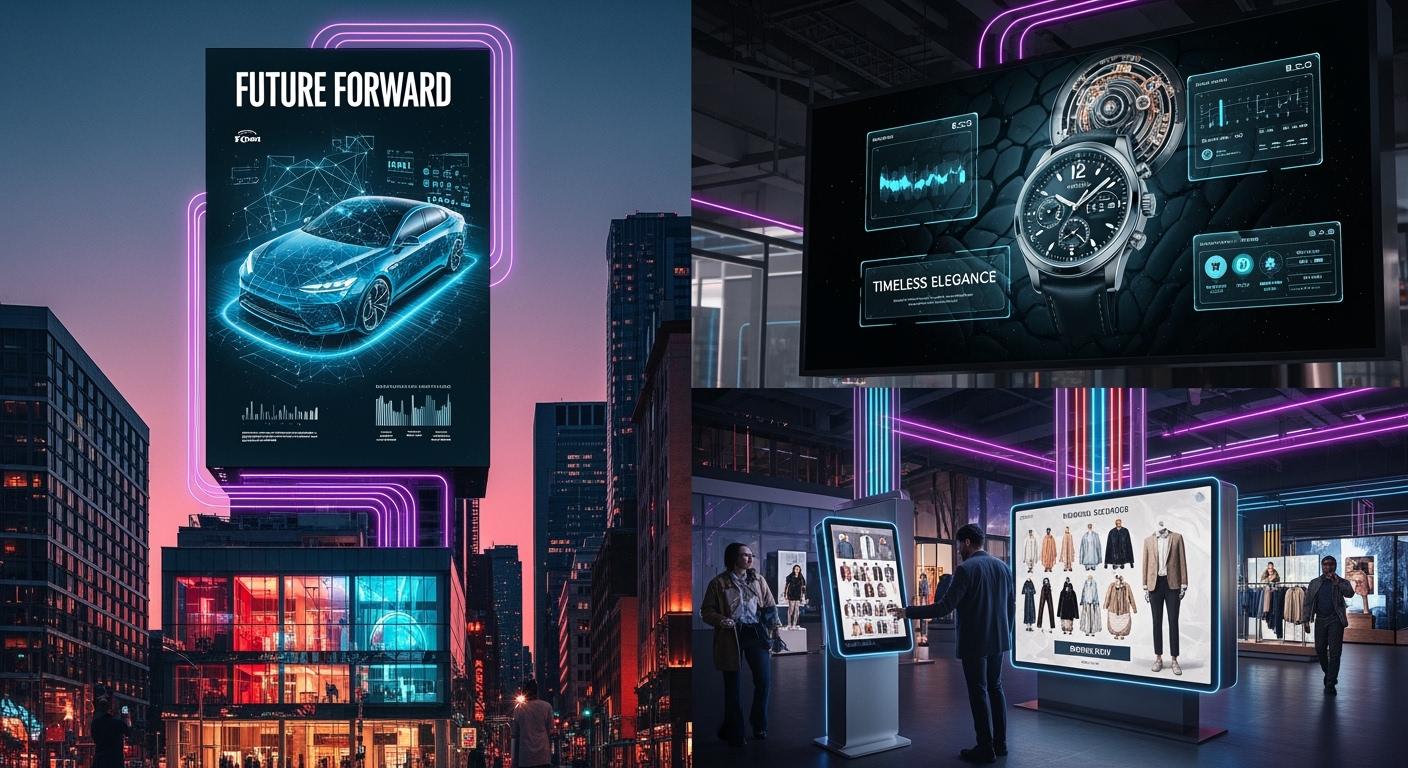
You want to pick the best Advertising Display for your needs. The best choice depends on where you use it. It also depends on your goals. LCD displays show clear images. LED screens work well in bright places. OLED panels have bright colors and strong contrast. Digital signage gets lots of attention. It gives a better user experience. It is cheaper to update content. Interactive features help people respond more. Studies show digital signage has an 83% recall rate. This makes it a strong tool for advertising.
Shenzhen TopAdkiosk Display Technology Co., Ltd.
Add.: 2F, Bldg 10, Changfeng Industrial Park, Dongkeng, Fenghuang, Guangming, Shenzhen, China 518132
Mobile/WHATSAPP: 86-138 25769658
Email: marketing@topadkiosk.com topadkiosk@gmail.com
Skype: pghenry1
Wechat: adkioskhenry
English Web.: http://www.topadkiosk.com/
https://www.topkioskdisplay.com/
http://www.ad-kiosk.com/
https://www.toplcddisplay.com/
http://www.multitouchdigitalsignage.com/
https://www.youtube.com/channel/UCYVYNJHxLVEcQD8fuUxXNTA/videos?view_as=subscriber
https://www.facebook.com/TOPADKIOSKSHENZHEN/?ref=bookmarks
Advertising Method | Recall Rate |
|---|---|
Digital Signage | 83% |
Key Takeaways
Pick the best display for your space. LCD works well inside buildings. LED is good for seeing outside. OLED is great for fancy and creative screens.
Think about how long displays last and how strong they are. LED screens last the most, up to 100,000 hours. This makes them great for outside use.
Pay attention to how bright the screen is. LED displays are the brightest. They work well in sunny places outside. LCDs are better for inside use.
Make a smart plan for your money. Think about how much you pay at first. Also think about energy use and fixing costs. This helps you save money over time.
Use interactive features to get people interested. Interactive displays help people remember your brand. They also make customers want to join in.
Digital Signage Display Technologies Overview
LCD Advertising Displays
LCD advertising displays show clear pictures. They work well and last a long time. You see LCD screens in stores, menus, and lobbies. LCD panels use a backlight to show your content. This makes your images sharp. Indoor LCD screens are bright enough for rooms. They have brightness between 300 and 700 nits. Outdoor LCD screens need more brightness. They can reach up to 2,500 nits. This helps them stay visible in sunlight. LCD displays are good if you want nice images and low cost. LCD screens last from 50,000 to 70,000 hours. You can update content fast with digital signage software.
Attribute | Indoor LCD | Outdoor LCD |
|---|---|---|
Brightness | 300–700 nits | 1,500–2,500 nits |
Durability | Standard housing | |
Glass | Anti-glare | Tempered, anti-reflective |
Tip: LCD advertising displays work best indoors. They give clear visuals and save money.
LED Advertising Displays
LED advertising displays are great for bright places. LED screens use pixels that light up by themselves. They shine brighter than LCD screens. You can use LED screens for billboards and stadiums. LED displays are bright from 3,000 to 6,000 nits. Your content stays visible even in sunlight. These screens are made in parts. You can build big displays for busy areas. LED screens last up to 100,000 hours. They resist weather and damage. You can change your content quickly with digital signage software.
Modular parts for big signs
Strong and weatherproof for public places
OLED Advertising Displays
OLED advertising displays show bright colors and deep blacks. Each pixel makes its own light. This gives strong contrast and thin screens. OLED screens are good for fancy stores and design spaces. Use OLED displays where image quality is important. These screens let people see from wide angles, up to 180°. Your content looks good from any side. OLED screens last from 30,000 to 50,000 hours. They use less power at the same brightness. OLED displays are good for creative setups. OLED advertising displays help your digital signs stand out.
Great contrast and color for high-end ads
Thin screens for easy setup
Wide viewing angles for more people to see
Advertising Display Performance Comparison
Brightness and Visibility
Brightness is important for your advertising display. It helps people see your screen. You want your digital signage to be easy to notice. This is true even in bright places. LCD screens are good for inside. But they do not work well in strong sunlight. LED displays are the brightest. You see them on billboards and in stadiums. OLED screens have strong colors. They look best in rooms with less light. If you put an OLED near a window or outside, sunlight can make it hard to see.
Device Type | Typical Usage Environment | |
|---|---|---|
Indoor Monitors & TVs | 200 - 400 | Controlled indoor lighting |
Digital Signage | 1,000+ | Outdoors, public spaces |
Rugged Laptops | 600 - 1,000+ | Outdoor and bright sunlight |
Note: LED displays are bright and clear in almost any light. LCDs are best for inside. OLEDs look best when the room is not too bright.
Display Type | Visibility in Ambient Light |
|---|---|
LED | Bright and clear |
LCD | Low visibility |
OLED | Sensitive to ambient light |
If you want people to notice your screen outside, pick LED. For inside, LCD and OLED both work. But OLED needs the room to be darker.
Durability and Lifespan
You want your advertising display to last a long time. LCD screens last about 50,000 hours. LED displays last even longer, up to 100,000 hours. OLED screens last from 30,000 to 100,000 hours. But OLEDs can lose color after a while. LED displays are tough. They handle weather and heat well. This makes them good for outside. LCDs do not break down as fast as OLEDs. But they are not as strong as LEDs. OLEDs can change color after a lot of use. This is because they use organic materials.
Display Type | |
|---|---|
LCD | 50,000 |
LED | 100,000 |
OLED | 30,000 - 100,000 |
Display Technology | Key Challenges | |
|---|---|---|
LCD | Moderate longevity | Less susceptible to degradation than OLED |
LED | High durability | Needs good heat control to prevent damage |
OLED | Lower durability | Can lose color and brightness over time |
Tip: For outside or busy places, choose LED. It lasts the longest and is very strong.
Cost and Affordability
Cost is important when you pick a digital display. LCD screens usually cost less than LED or OLED. You can use LCDs for many inside projects. You do not spend too much money. LED displays cost more at first. But they last longer and work well outside. OLED screens cost the most. You pay more for their thin look and great image quality. When you plan your budget, think about how long the display will last. Also think about how much energy it uses. Digital signage software helps you update content and save money.
Note: A lower price at first does not always mean you save money. Think about energy use and how often you need to buy a new display.
Image Quality and Contrast
Image quality helps your ads stand out. LED displays use bright colors and moving pictures. This catches people’s eyes. LCD screens show sharp images. They are good for menus or information boards. OLED screens have the best contrast and deep blacks. This makes your content look real and colorful. Good visuals help people remember your brand. They also make your ads more interesting. You can use digital signage software to show videos and animations on any display.
LED displays get attention with bright colors and moving images.
Good visuals help people like your brand and interact more.
You can show videos and animations to make your ads more fun.
Energy Efficiency
Energy efficiency is about how much power your display uses. LCD screens use about 150 to 200 watts. LED displays use more power, especially big outdoor signs. OLED screens use less power at the same brightness. But how much they use depends on what you show. If your display runs all day, energy-efficient screens save money. They also help your business be more green. Efficient displays last longer and make less waste.
Display Type | |
|---|---|
LCD | 150-200 |
LED | 25,000+ |
OLED | N/A |
Using less energy lowers your costs, especially if your display runs a lot.
Efficient displays help your business be greener and make less trash.
Good energy use means your display lasts longer.
Tip: Use content management tools in your digital signage software. You can schedule content and save power when you do not need the display.
Digital Signage Product Comparison Table
Metric | LCD | LED | OLED |
|---|---|---|---|
Brightness | Good (indoors) | Excellent (outdoors) | Excellent (indoors, low light) |
Durability/Lifespan | Moderate/50,000 hrs | High/100,000 hrs | Moderate/30,000-100,000 hrs |
Cost | Low | Medium to High | High |
Image Quality | Sharp, clear | Vibrant, dynamic | Best contrast, rich colors |
Energy Efficiency | Good | Lower (large signs) | Good (depends on content) |
When you compare digital signage, think about where you will use it. Think about what you want to show. Also think about how long you need it to last. The right display helps your message reach more people. It also helps you keep costs low.
Pros and Cons for Advertising Display
LCD Pros and Cons
You see LCD advertising displays in many places like stores and airports. LCD screens show sharp images and bright colors. You can put them on walls or move them around. LCDs use less power, so you save money over time. They last a long time and are reliable. LCD screens are good for indoor signs and boards.
Advantages:
High resolution for clear images
Low power use
Slim and light design
Wide viewing angle
Excellent color performance
Long lifespan
Disadvantages:
Some have viewing angle problems
Maintenance can cost more
Tip: LCD advertising displays are a smart choice for showing content indoors and saving money.
LED Pros and Cons
LED advertising displays are very bright inside and outside. You can make big screens for stadiums or billboards. LED screens can handle bad weather and last a long time. You can change the brightness to fit the place. Indoor LED displays have high resolution and are easy to set up. Outdoor LED displays work well in sunlight and rain.
Type | Pros | Cons |
|---|---|---|
Indoor LED | Cost-effective, easy to install, low power use | Smaller size, not as easy to see from far |
Outdoor LED | Strong, bright, easy to set up | Costs more at first, uses more power, needs cooling |
LED screens get attention with moving pictures.
Outdoor LED displays need protection from damage and theft.
Note: LED advertising displays are best for big signs in busy places.
OLED Pros and Cons
OLED advertising displays show bright colors and deep blacks. The screens are thin and can bend for cool designs. OLEDs let people see the screen from many angles. Videos and animations look smooth because of fast response times. OLED screens use less power when showing dark images, which saves energy.
Pros | Cons |
|---|---|
Thin and flexible | Does not last as long |
Wide viewing angle | Costs more to make |
Brightness can be uneven | |
Fast response time | Can get burn-in |
Saves energy (dark content) | Colors may change over time |
OLED advertising displays are great for fancy stores and creative spaces.
They can cost more and may not last as long.
Tip: Choose OLED screens if you want your advertising display to look amazing and offer special ways to show content.
Real-World Performance and Use Cases
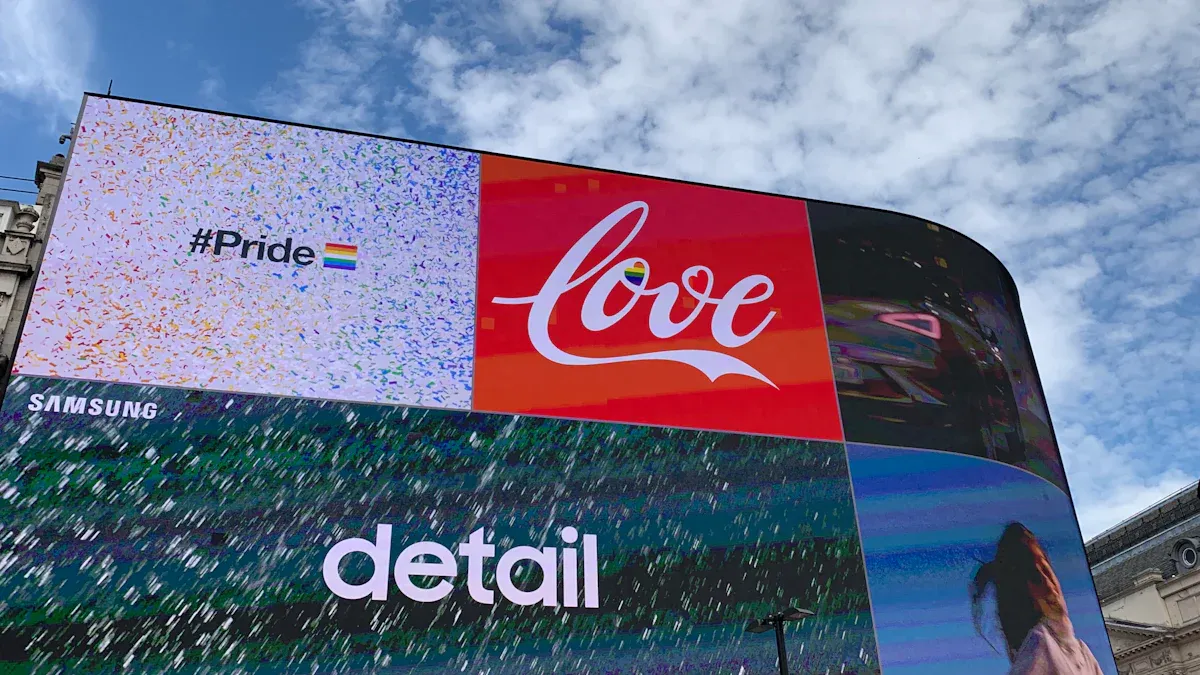
Indoor vs Outdoor Advertising Display
You must pick the right display for inside or outside. Indoor LED displays use smaller pixel pitch and lower brightness. Outdoor LED displays use bigger pixel pitch and much higher brightness. Outdoor displays need to handle bad weather and need more care. Indoor displays cost less at first. Outdoor displays can make more money because more people see them.
Feature | Indoor LED Displays | Outdoor LED Displays |
|---|---|---|
Brightness | 5000-15000 nits | |
Pixel Pitch | Smaller (P1.5, P2, P3) | Larger (P6, P8, P10, P16) |
Durability | Not weather-resistant | Highly durable, IP-rated |
Maintenance | Low | Higher |
Initial Cost | Lower | Higher |
Long-term ROI | Lower | Higher |
Tip: Outdoor digital signage needs to be strong and very bright. Indoor displays work well with less brightness and less care.
High-Traffic and Public Spaces
You want your digital display to stand out in busy places. Visibility and accessibility are most important. Put your signage where lots of people walk or drive. Make sure your advertising display is easy to set up and take care of. Check local rules before you install your display. Use weather-resistant materials for outside spots.
Weather resistance keeps your display safe.
Brightness helps people notice your display.
Using less energy saves money.
Putting signs in city centers and transit hubs helps you reach more people. Digital signage software lets you change content fast and keeps your ads new.
Retail and Hospitality Applications
You can use digital signage in stores and hotels to get more attention. Interactive displays can help sales go up by 75%. Holographic displays grab people’s eyes and help sell products. Lift and Learn technology gives customers more info and builds trust. Digital signage software helps you manage content and make fun experiences.
Evidence Type | Description | Impact on Engagement |
|---|---|---|
Interactive Displays | Increase sales and hold attention longer | Enhances engagement |
Holographic Displays | Show 3D visuals and promote items | Captivates customers |
Lift and Learn | Gives info when customers pick up items | Builds confidence and sales |
Transportation and Transit Advertising
You see digital display screens in stations, airports, and buses. These displays reach commuters often. They show ads, safety messages, and updates. Digital signage helps with emergency communication and makes money. You can change content to target different groups. Digital signage software makes managing content easy.
Makes money through advertising.
Lets you change content easily.
Industry-Specific Needs
Different industries need special advertising display solutions. Retail uses interactive displays to engage customers. Hospitality uses digital signage for menus and promotions. Transportation needs tough displays for safety and ads. You must match your display technology to your industry and audience. Use content management tools to schedule and update content for the best results.
Note: The right digital display helps you reach your goals and connect with your audience.
Choosing the Right Advertising Display
Define Advertising Goals
You should know your goals before you pick a digital display. Decide if you want to sell more, make your brand known, or share news. Your goals help you choose the right digital signage. If you want people to join in, use interactive displays. If you want lots of people to see your ads, pick a display that stands out in busy places. Write down your main goals. This step helps you make good choices and see if your ads work.
Tip: When you have clear goals, it is easier to pick the best signage for your business.
Assess Environment and Audience
Think about where you will put your advertising display. Indoor places do not need much brightness. Outdoor spots need bright, weatherproof screens. Think about who will see your ads. Make profiles for your best customers. Add things like age, gender, where they live, and what they like. Use info from your website and social media to learn about your audience. Split your audience into smaller groups. This helps you show ads that matter to them and get more attention.
Split your audience for better ads.
Pick display technology that fits the place and the people.
Budget and Total Cost
You need to plan how much money you will spend on digital signage. Think about the price of the display, how much it costs to use, and how long it will last. Use the table below to compare costs:
Budget Considerations | Description |
|---|---|
Initial Hardware Budget | What is the initial hardware budget per display? |
Operational Costs | What are acceptable operational costs for electricity and maintenance? |
Display Lifespan | What is the expected display lifespan and replacement cycle? |
Interactive Capabilities | Are interactive capabilities required, and if so, what touch technology fits needs and budget? |
Pick displays that use less power and are easy to fix. LED screens may cost more at first but last longer. Maintenance can cost more if you have big or tricky displays.
Maintenance and Support
You need to keep your advertising display working well. Maintenance means cleaning, fixing, and updating software. LED displays are cheap to take care of for inside and outside. Replacing parts does not cost much, but tricky displays can cost more to fix. Check how much power your display uses to keep it running well. Use a content management system to change content easily and keep your signs new.
Regular support and care help your digital display stay strong and work well.
Emerging Trends in Advertising Display
New Display Technologies
New digital display technologies are changing advertising displays. These new screens help you reach more people. They also make your ads look better. Micro-LED and Mini-LED screens show brighter and clearer pictures. They last longer, so you do not need to buy new ones often. AI-powered analytics use real-time data to pick the best ad for each person. Transparent and flexible screens let you mix digital images with real products. This is popular in fancy stores. Many companies now use eco-friendly designs. These displays use less power and recycled parts. This helps you reach green goals. Seamless video walls show big, smooth pictures with no lines between screens. This makes your advertising display look cool and modern.
Technology Type | Description |
|---|---|
Micro-LED and Mini-LED | Superior contrast, brightness, and longevity for high-end installations. |
AI-Powered Analytics | Real-time content optimization based on audience engagement and demographics. |
Transparent and Flexible Screens | Transparent OLEDs for blending digital and physical spaces in luxury retail. |
Sustainability | Eco-friendly designs with lower power use and recycled materials. |
Seamless Video Walls | Continuous visual displays without visible bezels for immersive experiences. |
Tip: Pick a new advertising display with features that help your brand stand out and save energy.
Interactive and Engaging Features
You can make your advertising display better by adding interactive features. These features let people touch, swipe, or play games on the screen. Showing ads that fit each person helps you connect with your audience. Interactive ads make people want to click or swipe. Gamification makes ads fun and easy to remember. Studies show interactive ads help people remember brands over 50% more than regular ads. When people use your signage, they remember your message longer.
88% of marketers say personalized interactive content helps them stand out.
Interactive ad formats can increase brand recall by more than 50%.
Metric | Description |
|---|---|
Interaction Rate | Percentage of ad impressions with user interaction (hover, click). |
Dwell Time | Average time users spend engaged with an ad after interacting. |
Expansion Rate | Percentage of users who choose to expand the ad unit. |
Video Completion Rate | Percentage of users who watch an in-banner video to the end. |
You can use digital signage to show interactive ads that keep people interested. This helps you make a strong impression and get better advertising results.
Final Recommendations
You want your advertising display to make a strong impact. Choosing the right technology helps you reach your goals and connect with your audience. Each display type offers unique strengths. LCD screens work well indoors and save money. LED screens shine bright outdoors and last a long time. OLED screens give you rich colors and creative designs for high-end spaces.
To help you decide, use this checklist:
Set Clear Goals
Write down what you want your advertising display to achieve. Do you want to boost sales, share information, or build your brand?Match Technology to Environment
Pick LCD for indoor spaces. Choose LED for outdoor areas. Use OLED for creative or luxury settings.Consider Your Audience
Think about who will see your display. Make sure your content fits their interests and needs.Plan Your Budget
Compare the cost of each display type. Include energy use and maintenance in your plan.Check Maintenance Needs
Look for displays that are easy to clean and fix. Reliable screens save you time and money.
Tip: Test different display types in your space before making a final choice. This helps you see which one works best.
Display Type | Best Use Case | Key Benefit |
|---|---|---|
LCD | Indoor signage | Cost-effective |
LED | Outdoor advertising | High brightness |
OLED | Creative displays | Superior image |
You can also talk to experts or try sample screens. This gives you real-world feedback. The right advertising display helps your business stand out and keeps your audience engaged.
You now know LCD, LED, and OLED displays work for different ads. Pick your advertising display based on your goals and where you use it. Think about who will see your ads. Use the checklist to help you make good choices. Test displays in your space or ask experts for advice. This helps you find the best display for your business.
FAQ
What is the best advertising display for outdoor use?
You should pick LED displays for outdoor ads. LED screens are very bright and strong. They do not fade in sunlight. They can handle rain and wind. You can show your ads to lots of people outside.
How do I decide between LCD, LED, and OLED for my advertising display?
Think about where you will put your display. Also, think about your budget and what you want to do. LCD is good for inside and does not cost much. LED is better for outside and lasts longer. OLED shows bright colors and is good for creative signs.
Can I use interactive features with any types of digital display technology?
You can add interactive features to LCD, LED, and OLED displays. You can use touch screens, sensors, or special software. These tools help people join in and remember your ads.
How long does an advertising display usually last?
LCD displays work for about 50,000 hours. LED screens can last up to 100,000 hours. OLED displays last from 30,000 to 100,000 hours. Check the maker’s guide for the exact time.
Are advertising displays energy efficient?
All display types can save energy. LCD and OLED use less power inside. LED uses more power outside but is very bright. You can save energy by planning when your ads show.
See Also
An In-Depth Look at In-Store Digital Signage Options
Exploring The World Of Digital Signage Solutions
Comparing Digital Signage And LED Signs For Businesses In 2026
Understanding The Functionality Of Outdoor Digital Signage Today
