Comparing Leading Transparent OLED Display Models for 2025
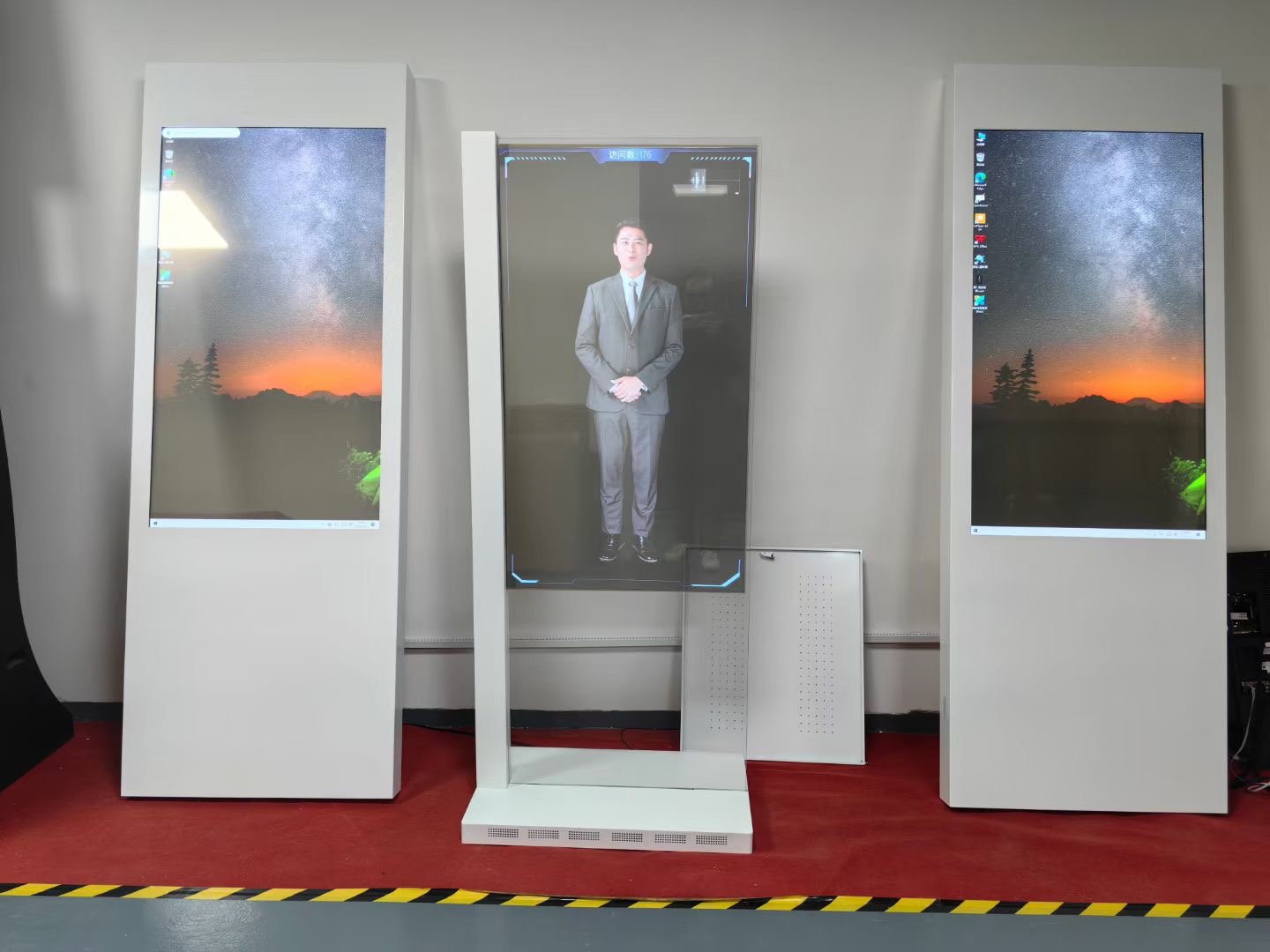
You want to look at the newest transparent OLED screens. The best transparent OLED displays for 2025 are LG Transparent OLED, Samsung Transparent OLED, Panasonic Transparent OLED Displays, and Xiaomi Transparent OLED. These screens are special because they show clear pictures, have cool designs, and give fun experiences. OLED screens now make up almost 40% of the market. Experts think the transparent display market will be worth $6 billion in 2025. If you want a new display for your room, these screens are great choices.
Key Takeaways
Transparent OLED displays let you see digital images and real things at the same time. This makes them good for new and modern places. Samsung's transparent OLED lets you see through up to 85% of the screen. This is great for cool stores and offices. LG's transparent OLED works well for fun projects like art and museums. It has features you can interact with. Panasonic's model is very thin and saves power. It fits well in cars and smart homes. Xiaomi's transparent OLED gets people talking. It is good for showrooms and hotels. It might not be the best for watching TV every day.
LG Transparent OLED

Features
You might want a display that looks like it came from the future. LG’s transparent OLED display gives you just that. It uses self-emitting pixel technology, so you get bright colors and deep blacks. The screen shows images in Full HD, which means everything looks sharp and clear. You can see through the display, but you still get a strong picture. LG’s transparent OLED display has a transparency rate of 43%. That means almost half of the light passes through, so you can see what’s behind the screen.
Here’s a quick look at the main specs:
Specification | Value |
|---|---|
Native Resolution | |
Brightness | 200 / 600 nit (APL 100% / 25%, no Glass) |
Transparency (Typ.) | 43% (Set) |
You can use this display in many ways. LG designed it to help you get creative and interactive. The transparent OLED display lets you blend digital content with the real world. You can make your space look modern and exciting.
Use Cases
You will find LG transparent OLED displays in some of the coolest places. Many art installations use them for storytelling and immersive experiences. Museums love these screens because they make exhibits more interactive. In retail, stores use transparent OLED to grab your attention and show off products in new ways. Car makers put these displays in vehicles for smart dashboards. Hospitals use them for advanced imaging and patient monitoring. You might even see them in smart glasses for augmented reality.
Art installations
Museums
Retail stores
Healthcare settings
Augmented reality devices
User Feedback
People who use LG transparent OLED displays say they love the clear images and modern look. Many call it the best transparent OLED display product for creative spaces. Users like how easy it is to interact with the screen. Some say it is one of the best-selling models for 2025. You might notice that the display stands out in any room. If you want a display that mixes style and function, this model could be right for you.
Samsung Transparent OLED
Features
You want a screen that looks really clear and stands out. Samsung’s transparent OLED display uses new technology. The screen can be up to 85% see-through. This means you can almost look right through it. It does not need a backlight, so it stays thin and stylish. You can see the screen from almost any spot in the room. Colors look bright and blacks look very dark. This gives you great contrast. Samsung’s transparent OLED is good for places that need both style and function.
Here’s a quick comparison:
Feature | Samsung Transparent OLED | Competitors (LCD/LED) |
|---|---|---|
Transparency Level | Up to 85% | Lower transparency |
Backlight Requirement | None | Needs backlight |
Viewing Angle | Larger viewing angle | Limited angle |
Image Quality | Superior contrast | Inferior contrast |
Ideal Applications | Premium retail, exhibitions | General use |
You get sharp images with no glare. The display works well even in bright rooms. Everything on the screen stays clear.
Tip: If you want a display that fits into glass walls or windows, Samsung’s transparent OLED is a great choice.
Use Cases
You can find Samsung transparent OLED displays in many cool places. Stores use them to make windows into smart screens. You can see products and messages at the same time. Offices put these displays on glass walls. You can check meeting times and data without blocking your view. Hospitals use them to show patient info and plans. The screens help keep rooms open and neat. Train stations and airports use these displays for heads-up panels. You can see schedules and safety tips on glass dividers.
Use Case | Description |
|---|---|
Retail | Storefront windows show products and messages together. |
Office Settings | Glass walls become smart collaboration panels. |
Healthcare | Displays show patient status without cluttering the room. |
Transportation Hubs | Glass dividers show schedules and safety info while keeping sightlines open. |
You can use transparent OLED displays almost anywhere you want to mix digital content with real life.
User Feedback
People say Samsung’s transparent OLED display is simple to use and looks great. It makes any space feel modern. Many people think it is the best transparent OLED display for stores and public places. Some say it is one of the top-selling models for 2025. The screen always gets noticed. If you want a display that makes your space look high-tech, Samsung’s transparent OLED is a smart pick.
Panasonic Transparent OLED Displays
Features
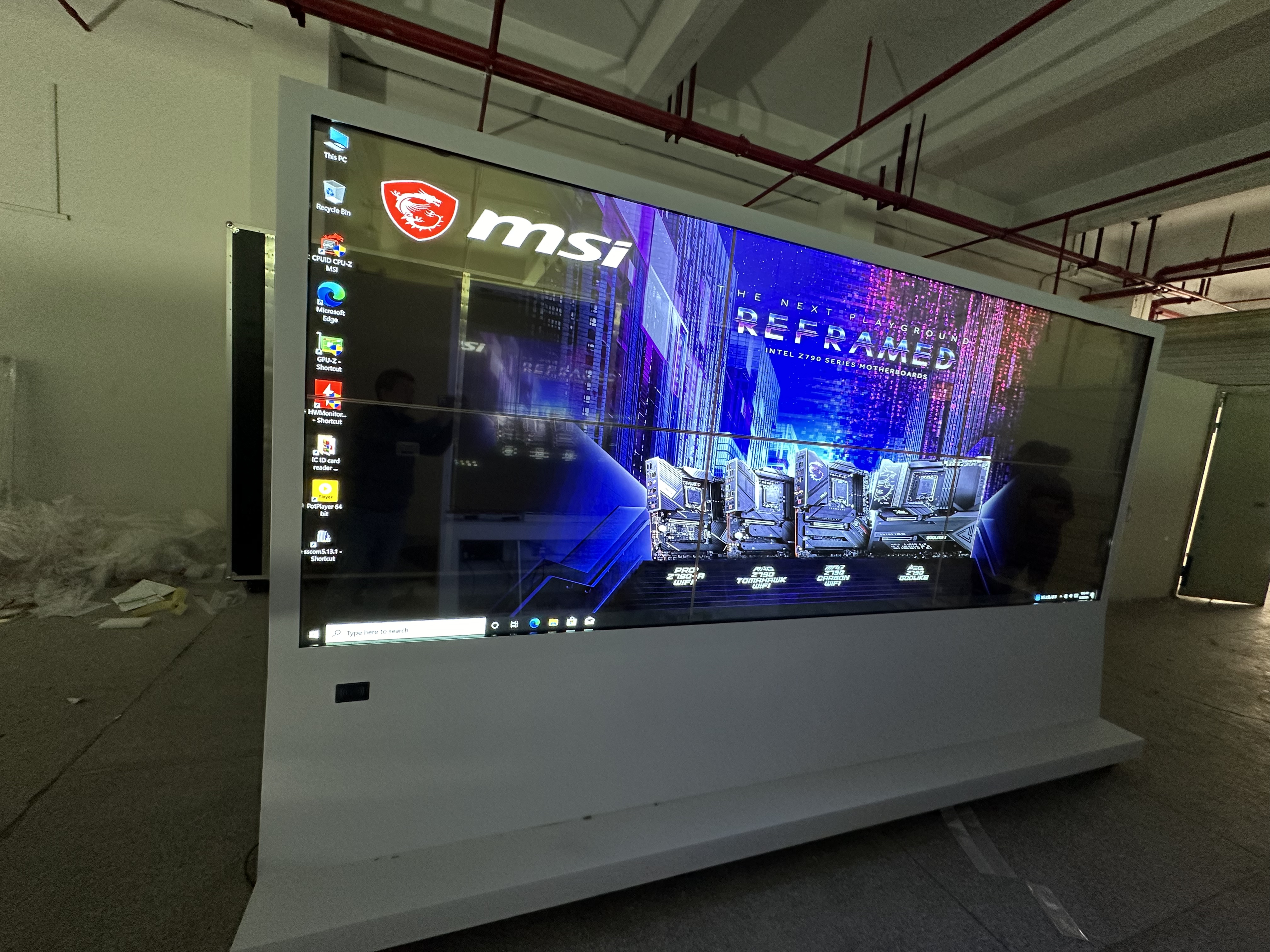
You might want a screen that is sharp and light. Panasonic’s transparent OLED display uses a special OLED panel. The images look bright and the blacks are deep. The panel is very thin, so it fits almost anywhere. You can see through the screen, but colors stay strong. You can see the display from almost any spot in the room. The surface is hard and does not reflect much light. This makes it easy to keep clean and read.
Here is a table with the main specs:
Feature | Specification |
|---|---|
Panel Type | Transparent OLED panel |
Brightness (Typical) | 400/150 cd/m² (APL 25%/100%) |
Transparency (Typical) | 28% / 43% |
Viewing Angle | 178° x 178° |
Response Time | 1 ms (G to G) |
Surface Treatment | Hard Coating (2H), Anti-reflection |
Power Consumption | 292 W / approx. 0.5 W (standby) |
Weight | Approx. 14.0 kg / Approx. 8.0 kg |
Operating Range | 0°C to 40°C, 20% to 80% humidity |
Key Feature | Rotation / CEC function |
This display is thin and saves energy. The picture looks better than on LCD screens. You see darker blacks and brighter colors. The thin design lets you use it in new ways.
Use Cases
You can use Panasonic transparent OLED displays in many places. Car makers use them for head-up displays. Drivers see directions and safety tips on the windshield. Stores use them for billboards and digital signs. These show ads and products in a cool way. You might see these screens in laptops or phones with see-through parts. Hospitals use them for medical images and patient care. Smart homes use them for control panels and smart mirrors.
Automotive head-up displays
Commercial advertising and retail
Consumer electronics like laptops and phones
Healthcare imaging and monitoring
Smart home devices and mirrors
You can put these displays in homes, offices, stations, and public spaces. The thin design makes it easy to set up.
Tip: If you want a display that fits in modern spaces and blends with glass or open areas, Panasonic’s transparent OLED display is a good pick.
User Feedback
People say Panasonic’s transparent OLED display looks cool and feels new. The screen is easy to use and fits in many places. Users like the dark blacks and bright colors. Many say it is the best for thinness and picture quality. Some think it works well in homes and public spaces. If you want a display with style and good features, you should try Panasonic’s transparent OLED.
Xiaomi Transparent OLED
Features
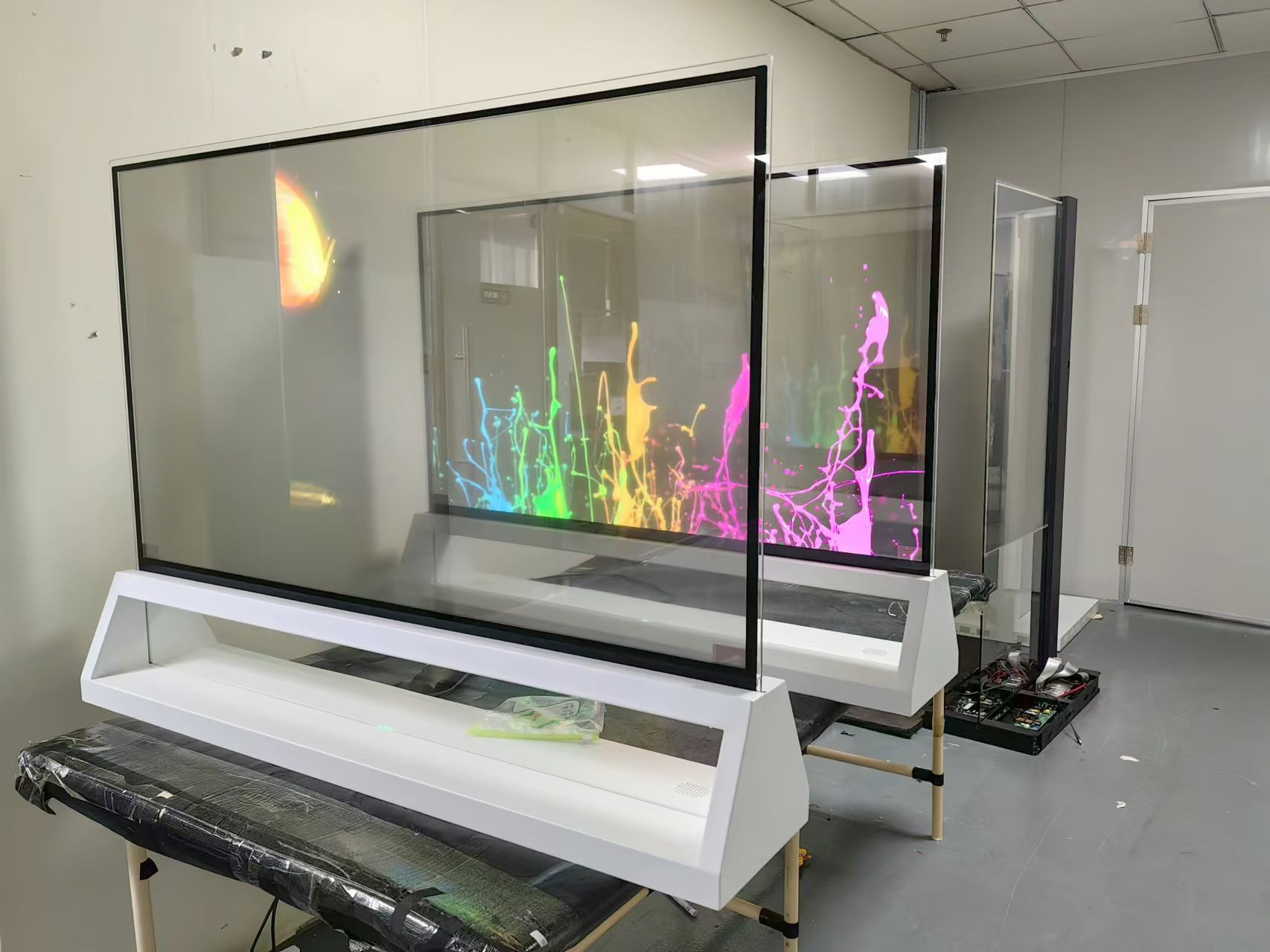
You want a TV that feels like it belongs in a sci-fi movie. Xiaomi’s transparent oled display brings that dream to life. When you turn it off, the screen looks like a clear piece of glass. When you turn it on, images float in the air. Xiaomi’s Mi TV LUX Transparent Edition is one of the first mass-produced transparent TVs for regular people. The screen measures 55 inches, so it fits well in most rooms. You get a fast 120Hz refresh rate and a super quick 1ms response time. The contrast ratio is amazing at 150,000:1, which means you see deep blacks and bright whites. The TV covers 93% of the DCI-P3 color space, so colors look rich and real. Xiaomi uses self-luminescent technology, so the screen stays thin—just 5.7mm thick. You also get smart features like the AI Master Smart Engine and Dolby Atmos sound.
Here’s a quick look at the main specs:
Feature | Specification |
|---|---|
Screen Size | 55 inches |
Refresh Rate | 120Hz |
Response Time | 1ms |
Contrast Ratio | 150,000:1 |
Color Profile | 93% of DCI-P3 |
Thickness | 5.7mm |
AI Technology | AI Master Smart Engine |
Price | ~$7,200 |
Tip: If you want a TV that turns heads and starts conversations, Xiaomi’s transparent oled is a top pick.
Use Cases
You can use Xiaomi’s transparent oled display in many places. Stores use these screens in windows and fitting rooms to show off products and grab attention. Hotels put them in lobbies and guest rooms to share info and make guests feel special. You might see them in cool restaurants or tech events. The display blends digital content with the real world, making everything look modern.
Sector | Use Case Description |
|---|---|
Retail | Storefronts and fitting rooms create fun, interactive shopping experiences. |
Hospitality | Hotels use transparent TVs to welcome guests and promote services in a stylish way. |
You can even use this display at home if you want something unique.
User Feedback
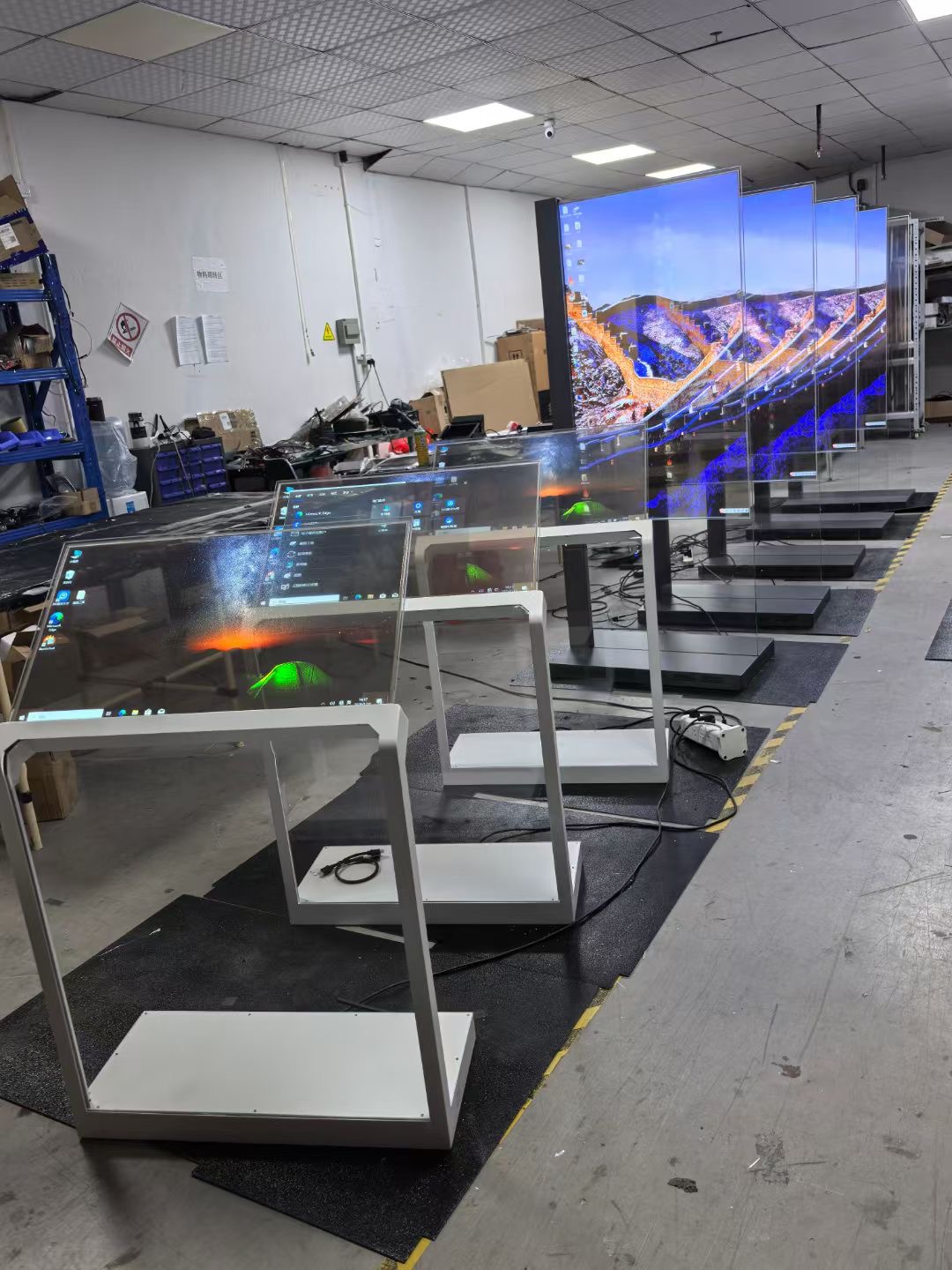
People love the look of Xiaomi’s transparent oled. The design feels futuristic and grabs attention right away. Many users say the display is a showpiece in any room. Some people notice the resolution is only 1080p, which feels low for a TV at this price. Others wish for more ways to connect devices. A few users report dead or stuck pixels, which stand out more on a transparent screen. Some find the see-through effect distracting when watching TV. Most agree the display is more of a cool novelty than a daily TV. If you want something different and eye-catching, you will enjoy Xiaomi’s transparent oled.
Transparent OLED Display Comparison
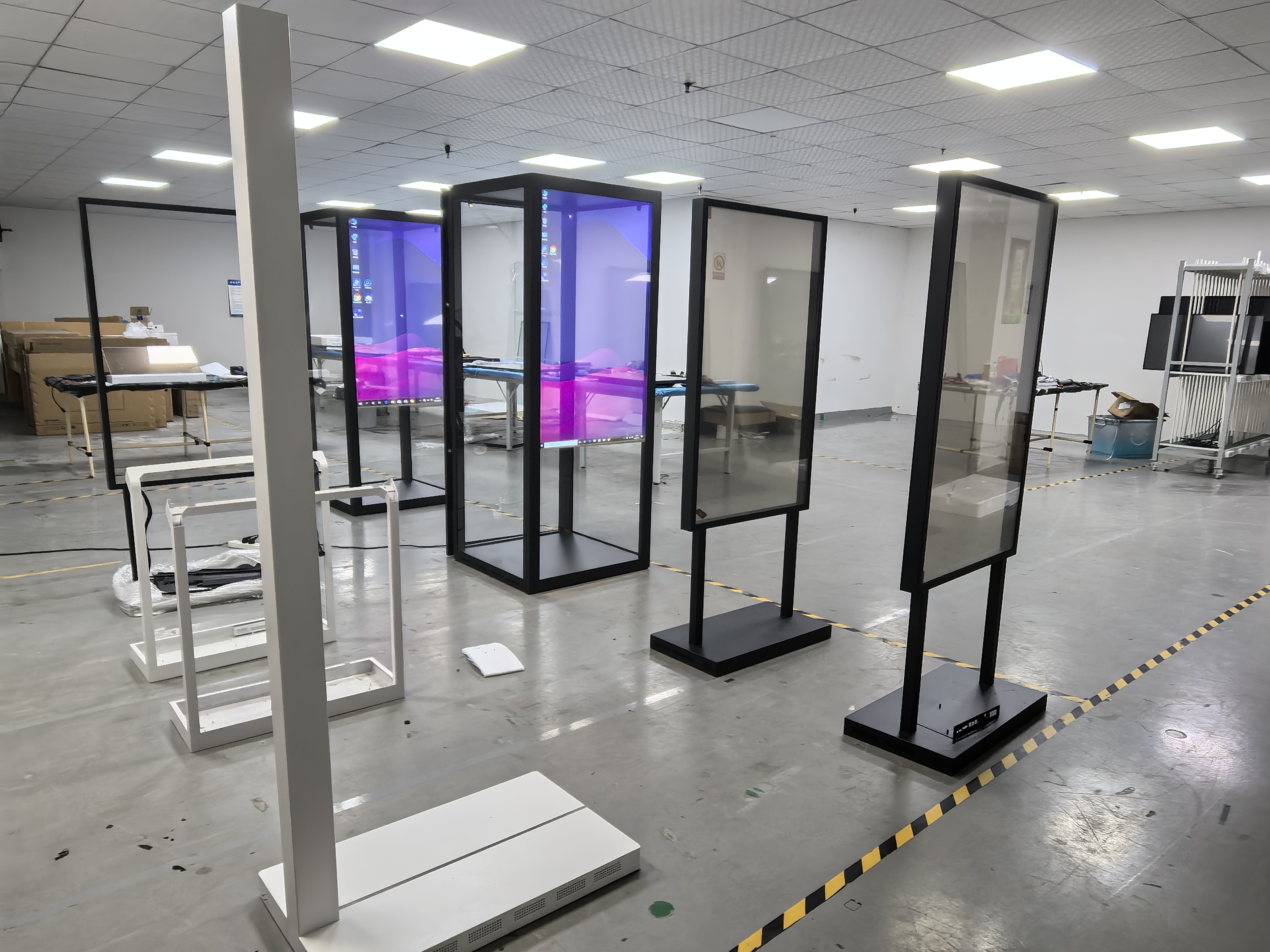
Feature Highlights
You want to know what makes each transparent OLED display special. Let’s look at the main features and see which one is best for you. The table below shows how the models are different:
Model | Transparency Rate | Resolution | Thickness | Brightness | Special Features | User Experience |
|---|---|---|---|---|---|---|
LG | 43% | Full HD | Thin | 200/600 nit | Creative interactivity | Modern, easy to use |
Samsung | Up to 85% | High | Ultra-thin | High | No backlight, wide viewing angle | Stylish, premium look |
Panasonic | 28% / 43% | High | Very thin | 400/150 cd/m² | Hard coating, anti-reflection | Sharp, fits anywhere |
Xiaomi | Transparent glass | Full HD (1080p) | 5.7mm | High | AI engine, Dolby Atmos | Futuristic, eye-catching |
Each model has something special. LG lets you be creative. Samsung is the clearest. Panasonic is thin and tough. Xiaomi looks like it came from the future and has smart features.
Note: Transparent oleds let you mix digital images with real things. They help save space and make rooms look modern. You get bright colors and deep blacks, so pictures stand out.
Best Use Scenarios
You might wonder where these transparent OLED displays work best. Here are some good places to use each model. This can help you pick the best transparent oled display product for your needs.
LG Transparent OLED
LG transparent oled displays are great for stores. Shops use them to show ads and products together. Museums and art galleries use them for fun exhibits. Hospitals use them to watch patients.
Samsung Transparent OLED
Samsung’s display is good for buildings. Offices put them in glass walls and meeting rooms. Airports and train stations use them for signs you can see through. You get a cool look and can still see outside.
Panasonic Transparent OLED
Panasonic’s model works well in cars. Car makers use them for head-up displays. You also see them in smart homes and public places. The thin screen is easy to set up.
Xiaomi Transparent OLED
Xiaomi’s display is great for showrooms and hotels. You can use it at home if you want a cool TV. It stands out at tech events and restaurants.
Tip: For retail, LG and Samsung are the best choices. For cars, Panasonic is the top pick. For buildings, Samsung is a good choice.
You should know that transparent oleds can cost more than normal screens. Sometimes, the see-through effect makes it hard to see pictures. Bright sunlight can make the screen look dim. Some models do not have many ways to connect other devices.
If you want a display that looks cool and works well, you can find one that fits you. Each brand gives you something different.
You have lots of choices with transparent oled displays. Some models, like Planar LookThru, shine in busy places because they last long and stay strong. Others, like Xiaomi, look cool at home but may not be as tough. High costs and worries about panel life are common, so think about what matters most to you. Want a display for your store or home? Check out reviews or talk to vendors before you decide.
FAQ
What is a transparent OLED display?
A transparent OLED display lets you see images and videos while also seeing through the screen. You can look at digital content and still view what’s behind the display. It feels like something from the future!
Can you use a transparent OLED as a regular TV?
You can use some transparent OLEDs, like Xiaomi’s, as a TV. The see-through effect looks cool, but it might distract you during movies or games. Most people use these displays for special spaces, not as their main TV.
How do you clean a transparent OLED screen?
Use a soft, dry microfiber cloth to wipe the screen gently. Avoid using water or cleaning sprays. If you see fingerprints, a gentle wipe usually works. Never press hard on the screen.
Tip: Always turn off the display before cleaning.
Are transparent OLED displays safe for kids and pets?
Yes, these screens are safe to use around kids and pets. The glass is strong, but you should still keep sharp objects away. If you install the display in a public area, make sure it’s secure.
See Also
Emerging Trends in Transparent OLED Technology for 2025
Comparing LED, LCD, OLED, and QLED Display Technologies
Tips to Enhance Your Project with OLED Displays
