5 best OLED display mini screens to wow
Shenzhen TopAdkiosk Display Technology Co., Ltd.
Add.: 2F, Bldg 10, Changfeng Industrial Park, Dongkeng, Fenghuang, Guangming, Shenzhen, China 518132
Mobile/WHATSAPP: 86-138 25769658
Email: marketing@topadkiosk.com topadkiosk@gmail.com
Skype: pghenry1
Wechat: adkioskhenry
English Web.: https://www.topkioskdisplay.com/
http://www.ad-kiosk.com/
https://www.toplcddisplay.com/
http://www.multitouchdigitalsignage.com/
https://www.youtube.com/channel/UCYVYNJHxLVEcQD8fuUxXNTA/videos?view_as=subscriber
https://www.facebook.com/TOPADKIOSKSHENZHEN/?ref=bookmarks
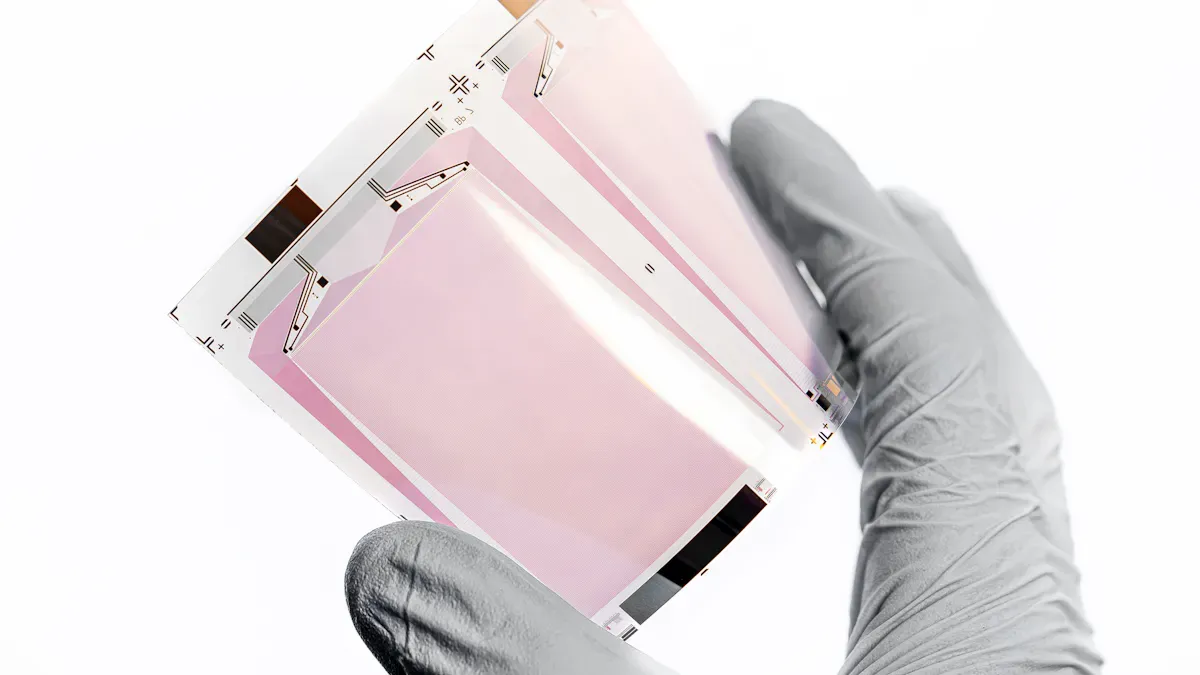
Ready to make your next project better? Here are the five best OLED display mini screens for 2026. The Samsung FlexLite Micro OLED Mini has very clear pictures. The LG TandemBright OLED Mini is very bright. The Sony ColorView Micro OLED shows bright colors. The Crystalfontz Compact OLED (CFZ-12864) works with many things. The Flexible OLED Mini by [Brand] can bend. This year, flexible displays, tandem OLEDs, and micro OLEDs are very popular. Makers like you enjoy these screens for their clear images, simple setup, and new features.
The market for these screens is growing fast. In 2026, it may be worth $22.6 billion. It is growing by 24.6% each year!
Key Takeaways
Pick the best OLED display mini for your project. Think about things like size, resolution, and where you will use it. The Samsung FlexLite Micro OLED Mini is great for small devices. It gives clear pictures and uses little power. The LG TandemBright OLED Mini works well in bright places. It is very bright and saves energy. The Flexible OLED Mini can bend for cool designs on curved surfaces. This makes it good for new and creative projects. Always make sure it works with your board’s interface, like SPI or I2C. This helps everything connect easily.
OLED Display Mini Screens: Quick Comparison
Specs Overview
Here is a fast way to see the main specs for each oled display mini. You can quickly notice the differences in size, resolution, interface, and technology.
Model | Size (inches) | Resolution | Interface | Flexibility | Technology |
|---|---|---|---|---|---|
Samsung FlexLite Micro OLED Mini | 1.2 | 240 x 240 | SPI/I2C | No | Micro OLED |
LG TandemBright OLED Mini | 1.5 | 320 x 240 | SPI | No | Tandem OLED |
Sony ColorView Micro OLED | 0.96 | 160 x 120 | I2C | No | Micro OLED |
Crystalfontz Compact OLED (CFZ-12864) | 0.96 | 128 x 64 | SPI/I2C | No | Standard OLED |
Flexible OLED Mini by [Brand] | 1.3 | 256 x 64 | SPI | Yes | Flexible OLED |
Features at a Glance
You want a screen that works for your project. Each oled display mini has its own cool feature. The Samsung FlexLite Micro OLED Mini shows clear pictures and is small. The LG TandemBright OLED Mini is very bright, so it is good for sunny rooms. Sony’s ColorView Micro OLED has bright colors, so pictures look great. Crystalfontz Compact OLED works with many boards, so you can use it for different things. The Flexible OLED Mini can bend, so you can put it on curved places.
Tip: If you need a screen for a small space or a curved spot, the Flexible OLED Mini is a great choice.
Best Use Cases
You can use these oled screens in lots of ways. Makers like them for building gadgets. Engineers put them in control panels. You can find them in smartwatches, car dashboards, and machines. Here is a quick guide:
Model | Best Use Case |
|---|---|
Samsung FlexLite Micro OLED Mini | Wearables, compact devices |
LG TandemBright OLED Mini | Automotive interiors, bright spaces |
Sony ColorView Micro OLED | Color-rich interfaces, media players |
Crystalfontz Compact OLED (CFZ-12864) | Prototyping, industrial controls |
Flexible OLED Mini by [Brand] | Curved displays, creative projects |
You see oled display mini screens in many places now. They make electronics look nicer. They help you build cool car dashboards. They also make machine controls easier to read and use.
Top 5 OLED Display Mini Screens Reviewed
Samsung FlexLite Micro OLED Mini
If you need a screen that is sharp and small, this one is a good pick. The Samsung FlexLite Micro OLED Mini fits in tiny spaces. It uses micro OLED technology, so colors look bright and blacks look deep. The screen is only 1.2 inches, which is great for wearables or small gadgets.
Key Features:
1.2-inch micro OLED panel
240 x 240 resolution
SPI/I2C interface
Super clear images
Pros:
Pictures look crisp, even in bright rooms
Uses little power, so batteries last longer
Small and light to carry
Cons:
You cannot bend it
The size may be too small for some projects
Best Use Cases:
Wearables, smart rings, fitness trackers, or any project with little space.
Compatibility:
Works with Arduino, Raspberry Pi, and other microcontrollers.
This screen stands out in 2026 if you want a tiny display. Micro OLED helps you see every detail, even on a small screen.
LG TandemBright OLED Mini
The LG TandemBright OLED Mini is very bright and strong. It uses tandem OLED technology, which means it has two layers for more brightness and longer life. The screen is 1.5 inches and has a 320 x 240 resolution.
Key Features:
1.5-inch tandem OLED
320 x 240 resolution
SPI interface
Super bright, even in sunlight
Pros:
Very bright, so you can use it outside
Saves energy when showing dark images
Lasts a long time if you use it carefully
Cons:
Can wear out faster if always at top brightness
Needs to stay dry because of humidity
Durability & Energy Efficiency Table:
Feature | Performance |
|---|---|
Energy Use | Low (especially with dark content) |
Lifespan | Good, but depends on usage and environment |
Humidity Risk | Needs protection from high humidity |
Best Use Cases:
Car dashboards, outdoor gadgets, or anywhere with lots of light.
Compatibility:
Easy to connect to most maker boards.
This screen stays bright and clear. Just keep it dry and do not use max brightness all the time.
Sony ColorView Micro OLED
If you want a screen with bright colors, try the Sony ColorView Micro OLED. This oled display mini is 0.96 inches and has a 160 x 120 resolution. It uses micro OLED technology, so colors look rich and blacks are deep.
Key Features:
0.96-inch micro OLED
160 x 120 resolution
I2C interface
Vivid color display
Pros:
Colors look amazing
Good for pictures or video
Small and light
Cons:
You cannot bend it
The resolution is lower than some others
Best Use Cases:
Media players, color-rich interfaces, or any project where color is important.
Compatibility:
Works with Arduino, Raspberry Pi, and more.
Pick this screen in 2026 if you want your project to have great color.
Crystalfontz Compact OLED (CFZ-12864)
If you want a screen that works with almost anything, this is a good choice. The Crystalfontz Compact OLED (CFZ-12864) is well-known. It has a 0.96-inch screen and a 128 x 64 resolution. This oled display mini uses standard OLED technology, so it is easy to use and reliable.
Key Features:
0.96-inch standard OLED
128 x 64 resolution
SPI/I2C interface
Wide compatibility
Pros:
Works with many boards and platforms
Easy to set up
Good for text and simple graphics
Cons:
Not as bright as newer screens
Does not show color
Best Use Cases:
Prototyping, industrial controls, or any project that needs a simple, clear display.
Compatibility:
You can plug it into Arduino, Raspberry Pi, or almost any microcontroller.
Makers and engineers like this screen. It is simple, strong, and does the job.
Flexible OLED Mini by [Brand]
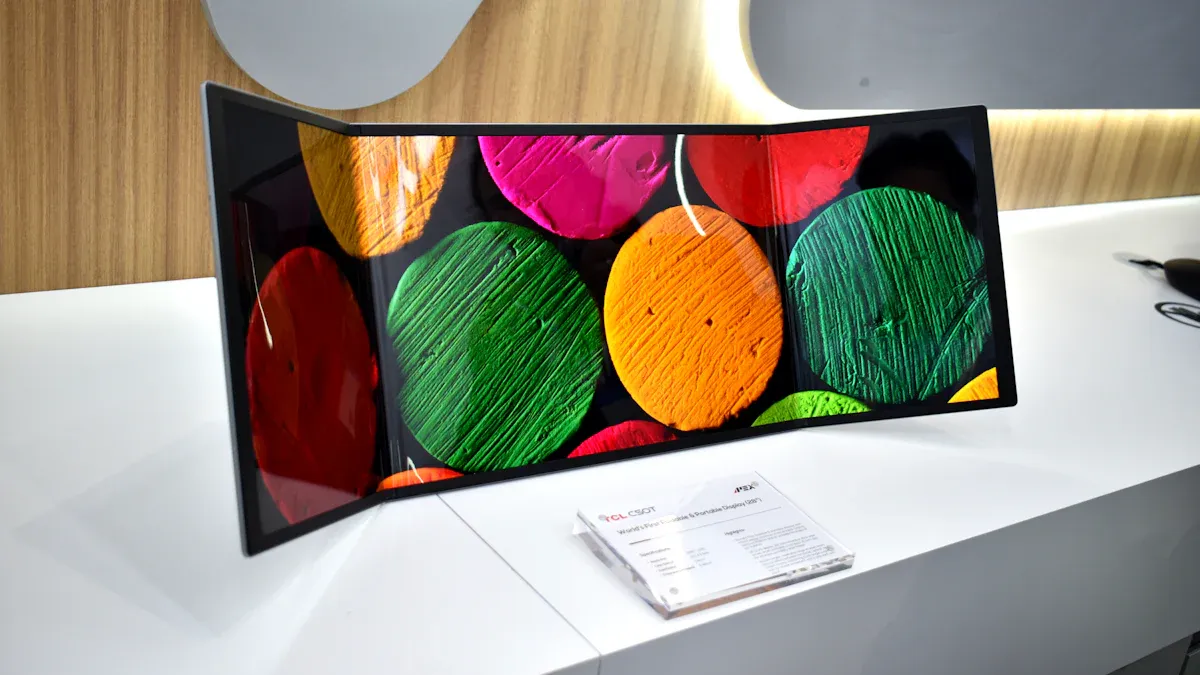
If you want to make something that bends, try the Flexible OLED Mini by [Brand]. This screen is 1.3 inches and can bend and twist. You can use it on curved surfaces or for creative projects.
Key Features:
1.3-inch flexible OLED
256 x 64 resolution
SPI interface
Ultra-thin and bendable
Pros:
Bends to fit curved or odd shapes
Light and thin
Looks cool and modern
Cons:
Needs gentle handling so it does not break
May cost more than screens that do not bend
Use Case | Advantages |
|---|---|
Foldable smartphones | Ultra-thin, lightweight, and highly bendable screens for innovative designs. |
Rollable TVs | Flexibility in design allows for unique product shapes and configurations. |
Curved wearables | Enhanced aesthetics and comfort due to the bendable nature of the displays. |
High-end retail installations | Visually stunning displays that blend with modern architecture. |
Medical devices | Combines flexibility, performance, and reliability for critical applications. |
Automotive dashboards | Provides a sleek, modern interface with high-quality visuals. |
Compatibility:
Works with most maker boards that use SPI.
You can make gadgets that wrap around your wrist or fit curved spaces. This is what oled screens will look like in the future.
Common Issues to Watch For:
Auto-brightness limiters (ABL) might make the screen flicker or dim during bright scenes.
Sometimes, letters look fuzzy because of text fringing.
To stop burn-in, change what is on your screen often and use screen savers.
Tip: Take breaks and change your settings to keep your eyes comfortable.
How to Choose the Right OLED Display Mini
Assessing Project Needs
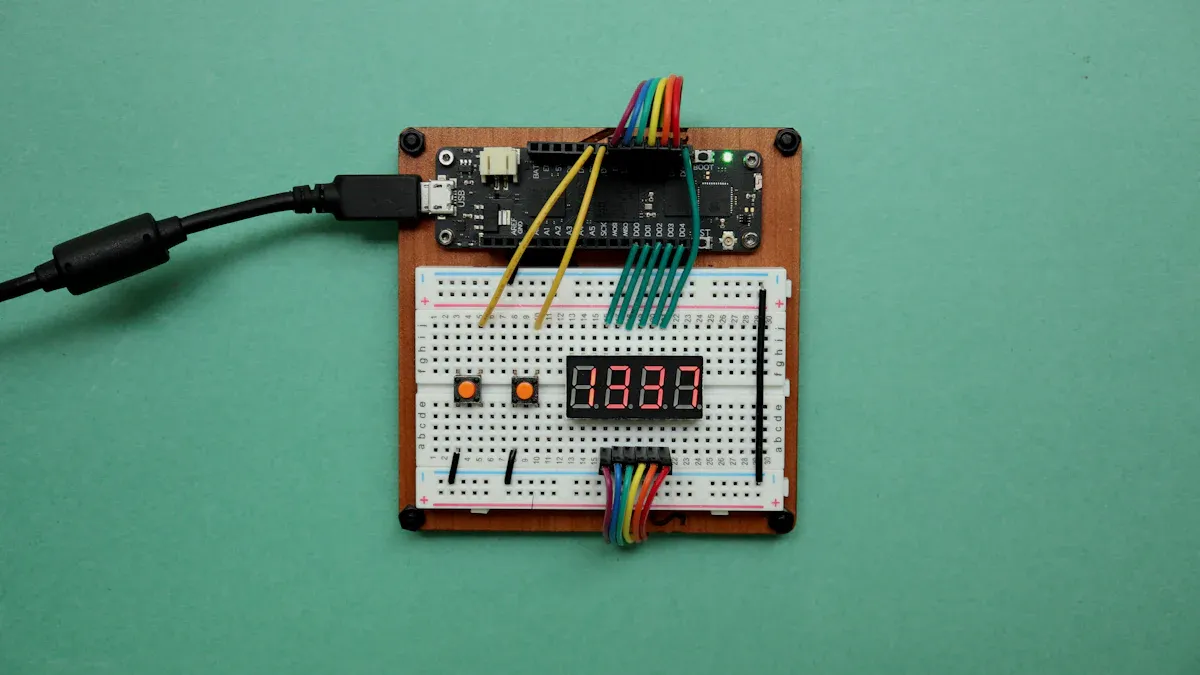
Start by thinking about what you want your project to do. Do you need to show videos or just simple text? If you want to display moving images or dark themes, an oled display mini works well. For static dashboards, you might want to look at other options. Also, think about where you will use your project. Oled screens look great indoors, but they can be hard to see in bright sunlight. If you need something for outside, you may want to compare with other display types.
OLED | TFT | |
|---|---|---|
Content | Dynamic video and dark themes | Static dashboards and text |
Environment | Not ideal for bright sunlight | Suitable for outdoor use |
Reliability | Risk of burn-in with static images | Avoids burn-in issues |
Costs | Generally more expensive | More cost-effective and widely available |
Power Profile | Energy-efficient for dark interfaces | More predictable under mixed content |
Size and Resolution
Pick a size that fits your project. Oled screens come in many sizes, like 0.96 inches or 1.5 inches. The resolution tells you how clear the images and text will look. Higher resolution means sharper details. For example, a 128 x 64 pixel screen is good for simple graphics, while 320 x 240 pixels gives you more detail. If you want to show lots of information, choose a bigger screen with more pixels.
Small screens (0.96 inch): Good for wearables or tiny gadgets.
Medium screens (1.2–1.5 inch): Great for dashboards or smart devices.
High resolution: Best for sharp images and detailed text.
Interface and Compatibility
Check how the screen connects to your board. Most oled screens use I2C or SPI interfaces. I2C is simple and lets you connect many devices with just two wires. SPI is faster and works well if you need quick updates. Make sure your display works with your platform, like Arduino or Raspberry Pi.
Description | |
|---|---|
Resolution | Higher numbers give you sharper images and text. |
Color Depth | Monochrome saves money, color looks better. |
Interface Protocol | I2C is easy, SPI is fast. |
Power Consumption | Oled uses less power, but check size and brightness. |
Tip: Always check if your board supports the display’s interface before you buy.
Budget and Value
Think about how much you want to spend. In 2026, oled display mini screens usually cost between $600 and $700. At this price, they give you better value than Mini-LED monitors for dark rooms and gaming. If you want the best performance and deep blacks, oled is a smart choice. If you need something cheaper or for bright places, you might want to look at other options.
You get what you pay for. Spending a bit more can give you a screen that looks amazing and lasts longer.
You’ve seen the top 5 oled display mini screens for 2026. Each one brings something special—like bright colors, flexible designs, or easy setup. If you want the best all-around pick, try the Samsung FlexLite Micro OLED Mini. It gives you sharp images, low power use, and fits many projects. When you choose your oled, think about heat, size, and how you’ll use it. New flexible and tandem screens open up cool ideas. Start building and let your creativity shine!
Top Mini OLED Displays for Electronics Projects in 2026
For most electronics projects, the choice is simple: in the vast majority of cases, a monochrome OLED module based on the SSD1306 or SH1106 driver is the most hassle‑free, mature option. These modules offer excellent display quality, ultra‑low power consumption, and a huge community library – they have become the gold standard for makers.
Whether you need a tiny screen for hardware monitoring or want to add a retro‑styled round display to your project, there’s a suitable solution. For cutting‑edge applications like near‑eye devices, 2K micro‑displays and concept wearable OLEDs represent the future.
⭐ Mainstream & Mature Choices
These are the most common and well‑tested modules on the market today. Key specifications are summarized below.
Size | Resolution | Typical Driver | Power (typical) | Advantages | Best For |
|---|---|---|---|---|---|
0.96” | 128×64 | SSD1306 | Very low (~20mA) | Tiny size, huge library support, plug‑and‑play | Wearables, small status displays, mini gauges |
1.3” | 128×64 | SH1106 / SSD1306 | Low (~25mA) | Larger pixels (easier to read), better visibility at distance | Desktop dashboards, robot control panels, devices viewed from ~50‑80cm away |
0.91” | 128×32 | SSD1306 | Very low | Ultra‑thin strip shape – ideal for narrow spaces | Smart wearables, status indicator replacement, minimal notification screens |
0.95” | 96×64 | SSD1331 / SSD1305 | Moderate (~30‑40mA) | Full color – adds richness to your project | Simple color UI, tiny game consoles, decorative dashboards |
1.5” | 128×128 | SH1107 | Moderate (~35mA) | Available in round or square; larger area, friendly interface | Retro‑style interfaces, smart knobs, car HUDs |
2.42” | 128×64 | SH1106 / SSH1106 | Slightly higher (~45‑50mA) | Significantly larger screen area – more information at a glance | Advanced desktop instruments, data loggers, devices needing larger display |
Power consumption depends on how many pixels are lit. Values shown are typical.
Quick tips to avoid common pitfalls:
Monochrome vs. color: Monochrome (SSD1306 / SH1106) is lower power and easier to drive – first choice for most projects. Color (e.g., SSD1331) looks more vibrant but requires more complex code and slightly higher power.
Size matters: 0.96” and 1.3” both often run 128×64 resolution. The 1.3” has physically larger pixels, making it much more comfortable to read from ~50‑80cm away. If your project shows a lot of text, choose the 1.3”.
Driver IC note – SH1106: Many 1.3” OLEDs use the SH1106 driver. While major libraries support it, some Arduino SSD1306 libraries may need a minor adjustment (set start column address to 0x02); otherwise the image may shift. If your display acts weird with a known‑good SSD1306 library, check this first.
Connection made easy: Most modules support I2C – only two signal wires (SDA, SCL) needed. Great for pin‑constrained microcontrollers. If you need higher refresh rates, use the SPI interface.
🚀 Cutting‑Edge & Concept Displays
Portable AI display concept: At CES 2026, Samsung showed an “AI OLED pendant” concept – a small screen designed to let you glance at AI notifications and key information without pulling out your phone.
Professional micro‑displays: Recent advances include a 1.07” 2K micro‑display from Fraunhofer IPMS (2048×2048, 120Hz) aimed at AR/VR headsets. Another low‑power red micro‑display reaches 35,000 cd/m² peak brightness, readable even in strong sunlight. These are still expensive and target high‑end professional applications, but they show where future maker‑grade displays may head.
🤔 How to Choose the Right Screen for Your Project
Ask yourself two core questions:
How much information do you need to show?
Little info (e.g., a temperature number) → 0.91” strip is fine.
Moderate info (simple sensor status, a few lines of text) → 0.96” is the classic choice.
Complex UI (charts, menus, multi‑line text) → go with 1.3”, 1.5”, or 2.42”.
Any special aesthetic or visual requirements?
Retro/cyber look → a 1.5” round OLED can give your knob, speaker, or control panel a unique vintage feel.
Need simple colors (and have a powerful MCU like STM32) → consider a tiny 0.95” colour OLED (SSD1331).
Start from your project needs – picking the right screen will often make development much smoother and more enjoyable
FAQ
What makes OLED mini screens better than LCDs?
You get deeper blacks and brighter colors with OLED. These screens use less power for dark images. They also look thinner and lighter. If you want sharp and colorful displays, OLED is a great choice.
Can I use these OLED mini screens with Arduino or Raspberry Pi?
Yes, you can. Most OLED mini screens support SPI or I2C. These work well with Arduino, Raspberry Pi, and other maker boards. Just check the interface before you buy.
How do I prevent burn-in on my OLED mini screen?
You can change your display often. Use a screen saver or lower the brightness. Try not to show the same image for a long time. This helps your screen last longer.
Are flexible OLED mini screens easy to break?
Flexible OLED screens bend, but you still need to handle them with care. Don’t fold them sharply or press too hard. If you treat them gently, they last a long time.
See Also
Best OLED Monitors To Enhance Your Visual Experience
Essential OLED Display Techniques For A Brilliant Project
Top Rated High-Resolution LCD Kiosks For Your Exhibits
