The Rise of Interactive 3D Holographic Kiosks in Modern Marketing
Shenzhen TopAdkiosk Display Technology Co., Ltd.
Add.: 2F, Bldg 10, Changfeng Industrial Park, Dongkeng, Fenghuang, Guangming, Shenzhen, China 518132
Mobile/WHATSAPP: 86-138 25769658
Email: marketing@topadkiosk.com topadkiosk@gmail.com
Skype: pghenry1
Wechat: adkioskhenry
English Web.: http://www.topadkiosk.com/
https://www.topkioskdisplay.com/
http://www.ad-kiosk.com/
https://www.toplcddisplay.com/
http://www.multitouchdigitalsignage.com/
https://www.youtube.com/channel/UCYVYNJHxLVEcQD8fuUxXNTA/videos?view_as=subscriber
https://www.facebook.com/TOPADKIOSKSHENZHEN/?ref=bookmarks
You see 3D HOLOGRAPHIC ADVERTISING KIOSK almost everywhere now. They are in stores, events, and trade shows. These kiosks grab people’s attention with clear holographics. They have touchscreens you can use. They also have RFID features. When you walk up, you can look at products in 3D. You can check virtual catalogs. You can get info made just for you. Businesses like these kiosks because they help people get involved. They also make brands easy to remember.
Metric | Value |
|---|---|
Market Value (2023) | USD 4.66 billion |
Projected Market Value (2030) | USD 16.31 billion |
CAGR (2024-2030) | 19.6% |
You also see 3D Holographic ADVERTISING PLAYER in signs and billboards. More companies want interactive marketing. Demand keeps going up.
Key Takeaways
3D holographic kiosks catch people’s eyes with floating images. This helps people remember brands and makes them more fun. Interactive features like touchscreens and RFID make customer experiences better. These features get people to join in and come back. Real-time personalization lets kiosks give special offers and info. This makes each visit feel unique and important. Businesses that use holographic kiosks see more sales and more customer interest. This shows that kiosks really work well. In the future, gesture controls and AI will make kiosks even better for marketing.
3D Holographic Advertising Kiosk in Marketing
Transforming Brand Engagement
You want your brand to be noticed. A 3D HOLOGRAPHIC ADVERTISING KIOSK can help with that. These kiosks make normal places feel exciting. You see them in stores, at trade shows, and at big events. They show bright holograms that seem to float in the air. You can walk up and use them.
Many brands use these kiosks to make a strong impression. Here are some ways companies changed how people connect with their brand:
Brand | Example Description | Impact on Engagement |
|---|---|---|
Nova Design Labs | Used holograms at exhibitions and product launches. | Made moments people remember and share on social media. |
PUMA | Showed 3D holograms for a store opening. | Helped shoppers connect with the brand in new ways. |
People stop and look at the kiosks. They take out their phones and snap pictures. They post these pictures online. Your brand gets more attention and is easier to remember.
Interactive Customer Experiences
You want your customers to join in. A 3D HOLOGRAPHIC ADVERTISING KIOSK lets them do that. These kiosks use touchscreens, RFID sensors, and clear holographic images. You can touch the screen to see products. You can scan your loyalty card for special deals. The holograms change when you interact with them.
Here are some ways top brands use these kiosks to get customers involved:
Brand | Strategy | Outcome |
|---|---|---|
Nike | HoloLens pop-up with athlete avatars | |
Adidas | Interactive 3D sneaker holograms | 25% more pre-orders after the event |
Under Armour | Holographic events with AR try-ons | 40% more app downloads and user activity |
You can find these kiosks at car rental spots, airports, and sports events. For example, Hertz used virtual car displays and saw a 15% rise in electric car bookings. Avis put in interactive booking kiosks and made booking faster. Sixt made photo booths with holograms, and many people shared their photos online.
At Keflavík Airport, travelers saw 3D holograms that explained security steps in many languages. People felt less worried and remembered the rules better.
Nike used holograms in London to show new products. Shoppers stopped, watched, and used the display. This made shopping more fun and easy to remember.
A 3D HOLOGRAPHIC ADVERTISING KIOSK does more than show ads. It lets you touch, explore, and share. You become part of the story. Your visit feels special and different each time.
Technology Behind 3D Holographic Kiosks
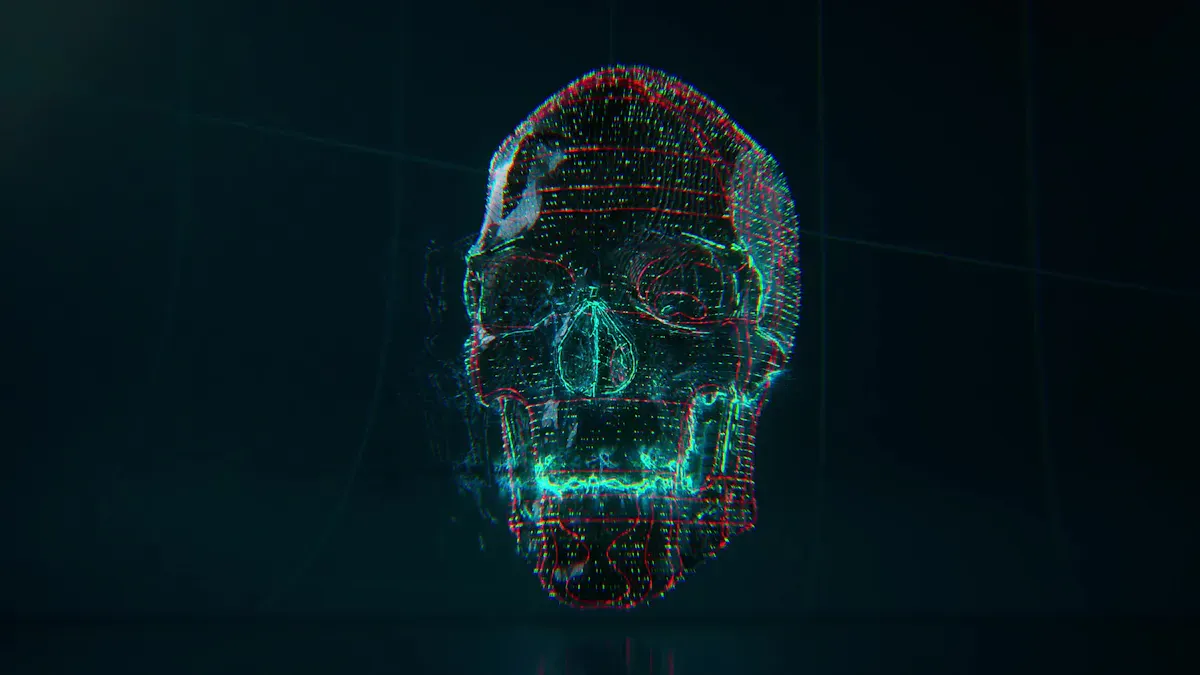
Display Mechanisms and Fan Rotation
You might ask how a 3D HOLOGRAPHIC ADVERTISING KIOSK shows floating pictures. The answer is a mix of science and smart design.
The way these kiosks work uses persistence of vision and spinning LED arms. Persistence of vision means your brain joins fast images into one. This makes you see 3D pictures in the air. The spinning LED arms flash colors as they turn. Each color shows up at the right spot. This makes every pixel look like it is in the right place.
You can see this tech in kiosks and the 3D Holographic Advertising Player. These machines have LED light bars that spin very fast. Your eyes mix the moving lights into one 3D picture. The hologram looks like it floats in front of you.
Here are some new things in LED light bar displays:
Advancement Type | Description |
|---|---|
Micro-LED and Nano-LED make images sharper and clearer. | |
Progress in Transparency and Disappearing Displays | Invisible LED screens help pictures float in the air. |
Integration of AI and Real-Time Interaction | AI lets you move 3D things without touching the screen. |
Expanding Use in Business and Media | Used in concerts, stores, and public places for more fun. |
Overcoming Challenges and Lowering Costs | Making these cheaper and using less energy helps more people use them. |
Touchscreen and RFID Integration
You do not just watch these kiosks. You can touch and use them. Touchscreens let you tap and swipe to see 3D products. RFID adds more. When you scan a card, the kiosk knows who you are. It can show you special things just for you. This makes your visit feel special and fun.
Many big brands use this technology first. Here are some examples:
Company Name | Contribution |
|---|---|
Holographic kiosks and 3D ad displays | |
Looking Glass Factory Inc. | Holographic desktop screens and 3D software |
You can find these features in kiosks and advertising players. They work together to make a fun, interactive experience. This grabs your attention and makes you want to come back.
Unique Advantages
Visual Appeal and Attention
You want people to notice your brand. A 3D HOLOGRAPHIC ADVERTISING KIOSK makes that easy. These kiosks use bright, floating images that stand out in busy places like malls and trade shows. You see shoppers stop and stare. They pull out their phones to take pictures or videos. They share these moments online, which helps your brand reach even more people.
Here’s how these kiosks grab attention:
The visuals look like they float in the air, so people can’t help but look.
You can walk around and see products from different angles.
The displays tell stories and explain products in a fun way.
You don’t need to touch anything—just wave your hand to interact.
People love sharing these cool moments on social media.
When you use a kiosk like this, you turn a regular visit into something special. You make your brand easy to remember.
Real-Time Personalization
You want every customer to feel important. These kiosks can do that with real-time personalization. When you walk up, the kiosk can greet you and show offers just for you. It can even help you find your way in a big store or mall. Many retailers use holographic assistants to make shopping smoother and more fun.
Here’s what happens when you use real-time personalization:
You get information that matches your interests.
You see deals and events that matter to you.
You spend less time asking staff for help.
You remember the brand as smart and helpful.
Strategy | Description |
|---|---|
The kiosk uses data to show content for different types of shoppers. | |
Collect Real-Time Feedback | You can answer quick surveys, and the kiosk changes based on your answers. |
Automate Content Updates | The kiosk updates its messages using the latest info, so everything stays fresh. |
With these features, you feel like the brand knows you. You get a shopping experience that fits your needs every time.
Consumer Impact
Sales and Brand Recall
You want your marketing to work well. 3D holographic advertising kiosks help with that. When Kellogg’s used holographic ads for Special K in France, sales went up by 60%. That is a big change you can see. These kiosks do more than look cool. They make people want to buy things.
You also want shoppers to remember your brand. Holographic 3D displays help with this. Let’s see how they do compared to regular 2D displays:
Metric | Holographic 3D Displays | Traditional 2D Displays |
|---|---|---|
Shopper Attention Increase | N/A | |
Unaided Recall Increase | N/A | |
Sales Conversion Increase | 180% | N/A |
Audience Engagement Increase | 300% | N/A |
The numbers show the difference. People notice these displays more. They remember your brand without any help. More shoppers choose to buy. Every time someone walks by, you get more people interested.
Enhanced Experience
You want your customers to enjoy their visit. 3D holographic kiosks make visits special. These kiosks do more than just show products. They make moments people will not forget.
Dynamic storytelling makes your brand exciting. Holograms turn boring places into fun ones. You connect with shoppers in a better way.
In-store engagement goes up by over 30% with this tech. People stay longer and do more.
Interactive experiences are important. Shoppers want to touch and explore. Holographic kiosks let them do that.
You also want customers to be happy. AI avatars in these kiosks can make people 40% more satisfied in stores and hotels. People say these kiosks are friendlier and easier to use than old ones.
Tip: If you give shoppers a fun and interactive time, they remember your brand. They tell friends and share online. This helps you build loyalty and stand out.
Future Trends
Touchable Holography
Touchable holography will change how you connect with brands. This technology lets you feel like you are touching floating pictures. It uses new light displays and sensors to make things seem real. Many companies mix touchable holography with AR and VR. This makes you feel part of the story. You can play games, look at products, or learn by moving your hands.
Here’s what is making this trend grow:
Trend/Factor | Description |
|---|---|
Better holograms and sensors make using them easier. | |
Integration with AR/VR | Works with AR and VR for deeper, cooler experiences. |
Demand for Interactive Signage | More businesses want signs you can use in new ways. |
You will see these displays in malls, museums, and classrooms. They make shopping and learning more fun.
Gesture-Based Controls
You do not have to touch a screen now. Gesture controls let you wave or point to do things. This feels cool and keeps things clean. Stores, car makers, and hospitals use gesture controls. Some cars have dashboards that float in the air. Hospitals use holograms for training and helping patients. Entertainment uses them for games and shows.
Touchable holographic displays could be worth over $7 billion by 2035.
Over 42% of new stores use interactive holographic screens.
About 35% of car makers want to use holographic dashboards.
Healthcare uses holograms for training, growing by over 31%.
Entertainment uses high-res holograms for new fun.
You will see these controls in many places, not just stores.
AI and Data Analytics
AI makes holographic kiosks smarter. You can talk to avatars that answer your questions. These avatars use AI to know what you say and even see your face. In stores, hotels, and airports, these helpers guide you and give tips. AI helps kiosks learn from what you do. They show ads and info that fit your likes.
Mixing 3D holographic displays with 2D advertising makes marketing stronger. You get ads that pop out and seem real. This grabs your attention and helps you remember brands.
You will see holographic kiosks in schools, hospitals, and more places. For example, students at the University of New South Wales did better on tests with holographic lessons. Hospitals use holograms to explain health and help people get better faster. The future of marketing looks bright, with more places using these cool tools every year.
You know that 3D holographic advertising kiosks change how you shop. These displays show floating images that catch your eye. Each visit feels special and fun. Marketing now needs new ideas and ways to join in. When you use these kiosks, you get:
Better ways to see products, so you feel sure about them
Cool moments you want to tell your friends about
More people pay attention and remember what they saw
If you want your brand to be noticed, try this new technology now.
FAQ
What is a 3D holographic advertising kiosk?
You see a 3D holographic advertising kiosk as a display that shows floating images or videos. You can interact with it using touch, gestures, or RFID cards. It makes ads and information look exciting and real.
Where can you find these kiosks?
You find these kiosks in malls, airports, trade shows, and big events. Retail stores use them to show products. Event organizers use them to grab attention and share information.
How do you interact with a holographic kiosk?
You can touch the screen, wave your hand, or scan a card. Some kiosks even respond to your voice. You get to explore products, watch demos, or get special offers.
Are 3D holographic kiosks easy to use?
Yes! You just walk up and follow simple instructions on the screen. The menus are clear. You do not need any special skills or training.
Can these kiosks help your business stand out?
Absolutely! These kiosks catch people’s eyes and make your brand memorable. You can show products in new ways and create fun experiences for your customers.
See Also
Transforming Dull Advertisements With 3D LED Hologram Fans
Innovative Digital Signage Trends Revolutionizing Retail by 2026
Essential Tips For Selecting Interactive Kiosks For All Spaces
Leading Digital Signage Solutions For Retail Outlets In 2026
